Ringworm in guinea pigs sounds like something that should involve a tiny worm wearing a villain cape. Good news: it is not a worm. Less-good news: it is a contagious fungal skin infection that can spread between guinea pigs, other pets, and people. In other words, your little potato-shaped roommate may be adorable, but if bald, crusty patches start appearing around the nose, ears, face, feet, or back, it is time to take action.
This guide explains how to treat ringworm in guinea pigs in 14 practical steps, from spotting the first signs to cleaning the cage like a fungus-fighting superhero. The goal is simple: help your guinea pig heal, reduce reinfection, protect the rest of the household, and avoid common mistakes that can turn a small skin problem into a long-running family drama.
Important note before we grab the metaphorical mop: ringworm treatment should be guided by an exotic-pet veterinarian. Guinea pigs are sensitive animals, and some medications that are safe for other pets are not safe for them. Never start random creams, essential oils, home remedies, or leftover pet prescriptions without professional advice.
What Is Ringworm in Guinea Pigs?
Ringworm, also called dermatophytosis, is a fungal infection of the skin and hair. In guinea pigs, it is commonly linked to dermatophyte fungi such as Trichophyton mentagrophytes. The fungus feeds on keratin, a protein found in hair, nails, and the outer layer of skin. That is why ringworm often causes hair loss, flaky skin, crusting, redness, and rough-looking patches.
Despite the name, ringworm does not always form a perfect ring. On guinea pigs, it may look more like dry, scaly bald spots, especially around the face and ears. Some guinea pigs scratch, while others act completely normal, casually munching hay as if they are not hosting a tiny fungal house party.
Common Signs of Ringworm in Guinea Pigs
Ringworm symptoms can vary, but many owners notice one or more of these signs:
- Patchy hair loss, especially around the nose, ears, forehead, feet, or back
- Dry, flaky, scaly, or crusty skin
- Red or irritated skin
- Broken hairs around the affected area
- Itching or rubbing, though not every guinea pig is itchy
- Rough coat or poor grooming appearance
- Small sores from scratching or secondary infection
Because mites, lice, allergies, barbering, wounds, and bacterial infections can look similar, do not diagnose ringworm by vibes alone. Your guinea pig deserves better than “I saw a picture online and now I am a dermatologist.”
How to Treat Ringworm in Guinea Pigs: 14 Steps
Step 1: Separate the Affected Guinea Pig Safely
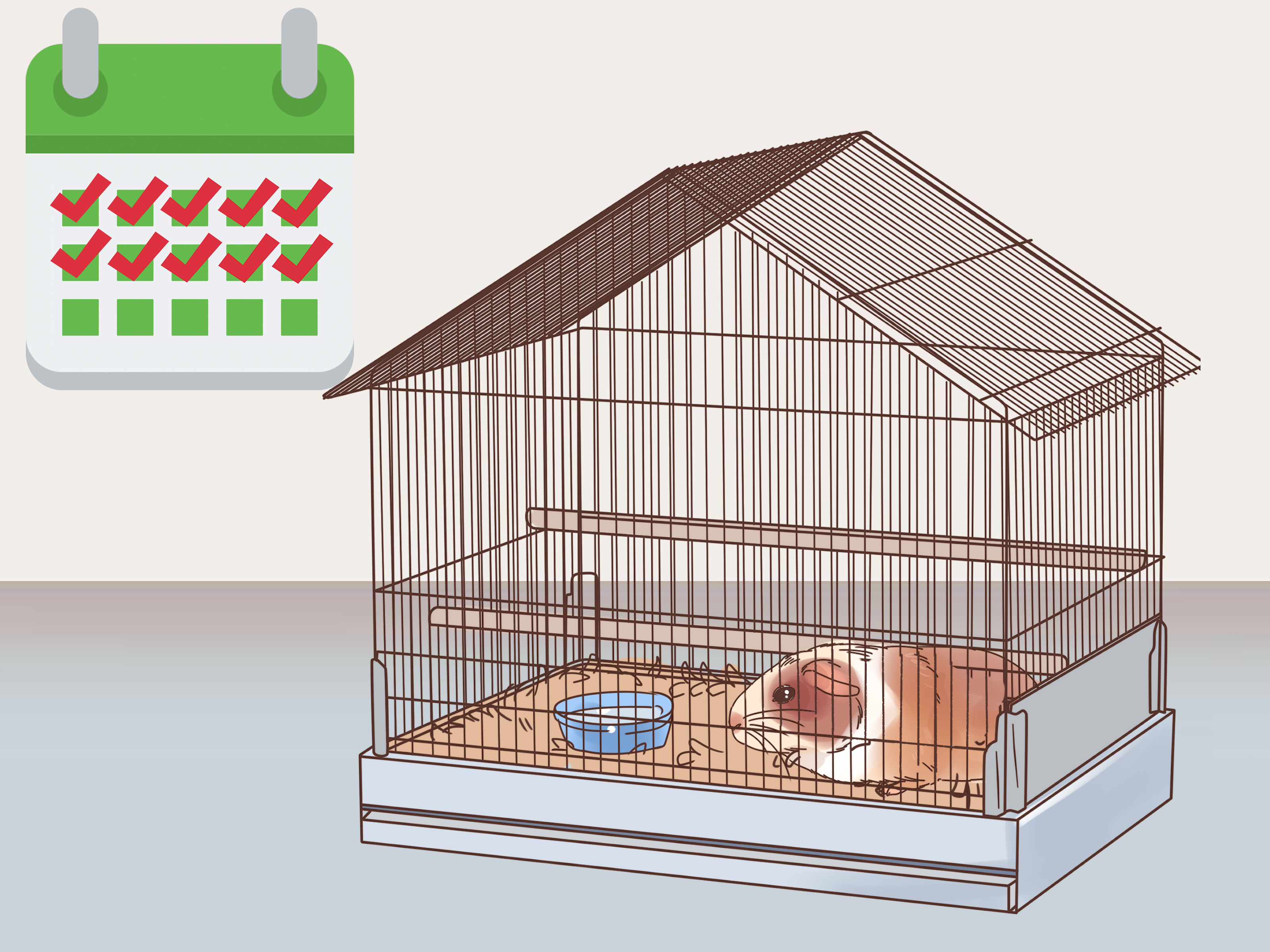
If you suspect ringworm, move the affected guinea pig to a clean, temporary enclosure away from other guinea pigs and pets. Isolation reduces the chance of spreading fungal spores through bedding, hideouts, bowls, and direct contact. Keep the setup comfortable: fresh hay, water, pellets, a clean hide, and soft bedding. Quarantine should not feel like guinea pig jail; it should feel like a tiny medical spa with fewer cucumbers.
If the guinea pig has a bonded cage mate, ask your veterinarian whether both animals should be examined or treated. Exposed guinea pigs can carry spores even before obvious signs appear.
Step 2: Wear Gloves When Handling
Ringworm is zoonotic, meaning it can spread from animals to humans and from humans to animals. Wear disposable gloves when handling your guinea pig, applying medication, changing bedding, or cleaning the cage. Afterward, wash your hands thoroughly with soap and water.
Children, older adults, and people with weakened immune systems should avoid handling the infected guinea pig until your veterinarian says it is safe. This is not about being dramatic; it is about preventing itchy circular rashes from becoming a household souvenir.
Step 3: Book an Exotic-Pet Veterinary Appointment
A veterinarian experienced with guinea pigs can confirm whether the problem is ringworm and recommend the safest treatment. This matters because guinea pigs are delicate when it comes to medications. Some treatments used for dogs or cats may be inappropriate, irritating, or dangerous for small mammals.
Call the clinic and explain that ringworm is suspected. The staff may ask you to keep the guinea pig in a carrier, avoid letting it touch shared surfaces, or wait in a specific area to reduce spread.
Step 4: Confirm the Diagnosis
Your vet may diagnose ringworm using a combination of physical exam findings, hair and skin samples, microscopic examination, fungal culture, PCR testing, or other diagnostic methods. A Wood’s lamp may help in some species, but it is not always reliable for guinea pigs because the most common fungi in guinea pigs may not fluoresce clearly.
Testing helps separate ringworm from mites, lice, bacterial dermatitis, wounds, hormonal hair loss, or chewing by cage mates. Accurate diagnosis means faster treatment and less guesswork.
Step 5: Follow the Prescribed Antifungal Plan
Veterinary treatment for guinea pig ringworm may include topical antifungal products, oral antifungal medication, or both. Commonly discussed veterinary options may include antifungal rinses, shampoos, sprays, creams, lime sulfur dips, miconazole/chlorhexidine products, clotrimazole-based treatments, itraconazole, or terbinafine. The exact choice depends on the severity of infection, the guinea pig’s age and health, household risk, and your vet’s judgment.
Do not adjust the schedule, stop early, or substitute products without asking your veterinarian. Ringworm often looks better before it is fully gone. Stopping treatment too soon is like telling the fungus, “Great job, take a short vacation and come back stronger.”
Step 6: Treat All Affected Areas Carefully
If your veterinarian prescribes a topical medication, apply it exactly as directed. Part the hair gently so the product reaches the skin. Avoid the eyes, mouth, nose, and ears unless your vet specifically instructs otherwise. Use a calm, steady approach, and reward your guinea pig with a favorite safe vegetable after treatment.
If lesions are near the face, ask your vet to demonstrate safe application. Guinea pigs are small, squirmy, and surprisingly skilled at turning a two-minute treatment into a rodeo.
Step 7: Do Not Use Human Ringworm Cream Without Vet Approval
Many people wonder whether they can use over-the-counter human antifungal cream on a guinea pig. The safe answer is: not without veterinary guidance. Some products may contain ingredients that irritate guinea pig skin, become harmful if licked, or fail to treat the full infection.
Also avoid essential oils, tea tree oil, vinegar, garlic, alcohol, hydrogen peroxide, and “natural” internet cures. Natural does not automatically mean safe. Poison ivy is natural too, and nobody wants that energy in the cage.
Step 8: Clean the Cage Thoroughly
Ringworm spores can survive in the environment and cling to bedding, hideouts, fleece, dust, hair, and cage surfaces. During treatment, remove all bedding, hay scraps, shed hair, and disposable items from the cage. Wash food bowls, water bottles, hideouts, and washable accessories.
Clean first, then disinfect. This order matters. Disinfectants work better after dirt, hair, and organic debris are removed. Think of it as sweeping the battlefield before sending in the cleaning cavalry.
Step 9: Use a Vet-Approved Disinfectant
Ask your veterinarian which disinfectant is best for your cage materials and home. Options may include properly diluted bleach solutions or veterinary disinfectants labeled as effective against dermatophytes such as Trichophyton. Follow the label exactly, including contact time, ventilation, and rinsing instructions.
After disinfecting, rinse thoroughly and let everything dry before returning your guinea pig. Strong fumes, residue, and wet bedding can irritate the respiratory system and skin.
Step 10: Wash Fleece, Towels, and Fabric Items
If you use fleece liners, towels, cuddle sacks, or fabric tunnels, wash them frequently during treatment. Shake debris into the trash carefully, not into the air like fungal confetti. Use hot water when the fabric allows, dry items thoroughly, and consider replacing heavily contaminated or difficult-to-clean items.
For disposable bedding, bag it securely before throwing it away. Clean around the cage area as well, especially floors, tables, and nearby storage bins.
Step 11: Vacuum and Control Loose Hair
Vacuum areas where contaminated hair and skin flakes may collect. Pay attention to carpets, baseboards, cage stands, and fabric furniture near the enclosure. Empty the vacuum canister or bag carefully, then wash your hands.
If possible, keep the medical enclosure in an easy-to-clean area until treatment is finished. A smooth floor beats a shaggy rug when you are battling microscopic spores.
Step 12: Check Other Pets and People
Look at other guinea pigs, rabbits, cats, dogs, and household members for signs of ringworm. In people, ringworm may appear as red, itchy, circular or scaly patches. If anyone develops a suspicious rash, they should contact a healthcare professional.
Do not share grooming tools, blankets, or playpens between infected and healthy pets. If another pet shows signs, contact the appropriate veterinarian rather than trying to treat every animal with the same product.
Step 13: Support Your Guinea Pig’s Immune System
Good care helps your guinea pig recover. Provide unlimited grass hay, fresh water, a measured amount of quality guinea pig pellets, and daily vitamin C through diet or vet-approved supplementation. Offer safe vegetables such as bell pepper, romaine lettuce, cilantro, or small amounts of other guinea pig-friendly greens.
Keep stress low. Avoid unnecessary bathing, loud handling, sudden cage changes, and repeated picking up unless needed for care. Stress does not cause ringworm by itself, but a calm, clean environment supports healing.
Step 14: Finish Treatment and Recheck With the Vet
Many ringworm cases need consistent treatment for several weeks. Your guinea pig may look better before the fungus is fully controlled, so complete the full plan. Your vet may recommend a follow-up exam or repeat testing before your guinea pig returns to normal group housing.
If lesions spread, your guinea pig stops eating, loses weight, develops sores, seems painful, or becomes lethargic, contact your veterinarian promptly. Guinea pigs can decline quickly when they are ill, and not eating is always urgent.
How Long Does Ringworm Take to Heal in Guinea Pigs?
Recovery time depends on the severity of infection, the treatment used, the cleanliness of the environment, and whether other animals are involved. Some mild cases improve within a few weeks, while more stubborn infections may take longer. The key is consistency: medication, cage cleaning, hand hygiene, and follow-up care must work together.
Do not judge recovery only by hair regrowth. Skin may begin to look calmer before spores are completely gone, and hair may take time to return after the infection is controlled.
Can Guinea Pig Ringworm Go Away on Its Own?
Some healthy animals may eventually recover, but waiting it out is usually not the best plan. Treatment speeds healing, reduces environmental contamination, and lowers the risk of spread to people and pets. Because guinea pigs live close to bedding, hay, hideouts, and cage mates, untreated ringworm can become a frustrating cycle of reinfection.
Common Mistakes to Avoid
Using Random Creams From the Medicine Cabinet
Human creams may not be safe, may not reach all infected areas, and may cause problems if licked. Always ask your vet first.
Cleaning Without Disinfecting
Removing dirty bedding is helpful, but spores can remain on surfaces. Clean first, disinfect second, and dry completely.
Stopping Treatment Too Soon
Visible improvement does not always mean the infection is gone. Complete the full veterinary plan.
Forgetting About Cage Mates
Other guinea pigs may be exposed even if they look normal. Ask your vet whether they need examination, testing, or preventive steps.
Prevention Tips After Ringworm Is Gone
After recovery, keep the cage clean and dry, wash hands after handling pets, quarantine new guinea pigs before introducing them, and avoid sharing brushes or bedding between animals. Check your guinea pig weekly during lap time. Early detection makes treatment easier, cheaper, and much less likely to turn your laundry room into a fungus-control command center.
New guinea pigs from pet stores, breeders, rescues, or previous homes should be observed for skin issues before joining your existing herd. A short quarantine period can prevent one small bald patch from becoming a multi-pig household project.
Real-World Experience: What Treating Ringworm in Guinea Pigs Is Actually Like
Treating ringworm in guinea pigs is not usually complicated, but it does require patience. Many owners expect a single dab of cream to solve the problem overnight. In reality, the successful routine often looks more like this: medicate the pig, clean the cage, wash your hands, wash the fleece, check the other pigs, vacuum the floor, repeat, and then wonder how one animal the size of a sandwich created this much laundry.
One helpful experience is to create a treatment station. Keep gloves, paper towels, a small trash bag, prescribed medication, and a clean towel in one area. This prevents frantic searching while your guinea pig sits in your lap plotting escape. A towel also gives your pet traction and helps you gently hold them without squeezing. The calmer you are, the calmer the guinea pig usually becomes.
Another practical lesson is to simplify the cage during treatment. Fancy tunnels, plush beds, wooden toys, and fabric forests are cute, but they are harder to disinfect. During the active infection period, use easy-to-clean hides, washable liners, and fewer accessories. This is temporary. Your guinea pig can return to interior decorating once the fungal drama is over.
Owners also learn quickly that consistency beats perfection. You do not need to panic-clean the entire house every hour. Instead, follow a realistic schedule: remove soiled bedding daily, disinfect the main cage as recommended, wash fabrics properly, and keep the infected guinea pig away from shared play areas. Ringworm control is about reducing spores steadily, not turning your home into a science-fiction quarantine bunker.
Handling emotions matters too. Many caring owners feel guilty when their guinea pig gets ringworm, but fungal infections can happen even in clean homes. Spores may come from another animal, contaminated bedding, a previous environment, or a pet that carried fungus without obvious signs. Guilt does not heal skin. Good care does.
It also helps to take weekly photos of the affected areas. Use the same lighting and angle if possible. Photos make it easier to see whether the lesion is shrinking, spreading, or changing. They are also useful for your veterinarian during follow-up. Just avoid poking, scraping, or repeatedly touching the area for “inspection.” Your guinea pig did not sign up to be a dermatology exhibit.
Finally, celebrate small improvements. Less redness, fewer flakes, smoother skin, and normal eating are all good signs. Hair regrowth may lag behind, so do not panic if your guinea pig still has a bald patch after the skin looks healthier. With veterinary care, steady cleaning, and a little household discipline, most guinea pigs recover well and return to their busy schedule of hay eating, dramatic wheeking, and judging your vegetable-chopping speed.
Conclusion
Ringworm in guinea pigs is contagious, annoying, and surprisingly persistent, but it is also treatable. The winning formula is simple: confirm the diagnosis with an exotic-pet veterinarian, follow the antifungal treatment plan, clean the environment thoroughly, protect people and other pets, and finish the full course of care. With the right steps, your guinea pig can recover comfortably and get back to being the adorable hay-powered loaf you know and love.