Note: This article is written for general educational purposes and is based on current U.S. consumer-reporting information from ChexSystems, federal consumer-protection resources, banking guidance, and reputable personal finance sources.
Trying to open a checking account and getting denied is not exactly anyone’s idea of a great afternoon. You walk in expecting a debit card, maybe a mobile banking app, and the sweet feeling of financial adulthood. Instead, the bank politely says, “Unfortunately, we can’t approve your application.” Translation: something in your banking history may have raised a red flag.
One of the most common reasons is a record with ChexSystems, a nationwide specialty consumer reporting agency that banks and credit unions often use when deciding whether to approve new checking or savings accounts. If you have ever had an account closed with unpaid overdraft fees, suspected fraud activity, bounced checks, or other account problems, you may appear in a ChexSystems report.
The good news? You do not have to guess, panic, or interrogate every bank teller within a five-mile radius. You can check your ChexSystems report directly, review what is listed, dispute errors, and make a plan to move forward. This guide explains exactly how to see if you are on the ChexSystems list, what your report may contain, what to do if the information is wrong, and how to rebuild your banking options without losing your mindor your coffee budget.
What Is ChexSystems?
ChexSystems is a consumer reporting company that collects and reports information related mainly to deposit accounts, such as checking and savings accounts. Unlike the three major credit bureaus, which focus heavily on credit cards, loans, and repayment history, ChexSystems focuses on banking behavior.
Banks and credit unions may use ChexSystems when you apply for a new account. The report helps them evaluate risk. For example, if someone previously left a checking account with a negative balance and never paid it, a new bank may want to know that before opening another account.
ChexSystems does not directly approve or deny your application. The bank makes that decision. ChexSystems simply provides information that the bank may use as part of its review. Think of ChexSystems as the messenger. Sometimes the messenger brings boring news. Sometimes it brings the financial equivalent of “we need to talk.”
Why You Might Be on the ChexSystems List
Being listed in ChexSystems usually means a financial institution reported negative information connected to a past deposit account. This does not always mean you did something dramatic. Sometimes a small overdraft, an old account fee, or a forgotten balance can snowball into a report.
Common Reasons for a ChexSystems Record
Your ChexSystems report may include information related to:
- Unpaid overdraft balances
- Accounts closed by a bank or credit union
- Bounced checks or returned payments
- Suspected fraud or account abuse
- Debit card or ATM abuse
- Multiple account applications within a short period
- Identity theft-related account activity
- Check orders and certain account inquiries
Not every banking mistake lands someone in ChexSystems. Banks have their own reporting policies. One institution may report an unpaid negative balance quickly, while another may give customers more time to resolve the issue. That is why checking your own report is important. Guessing is not a strategy; it is just stress wearing a fake mustache.
How to See if You Are on ChexSystems List
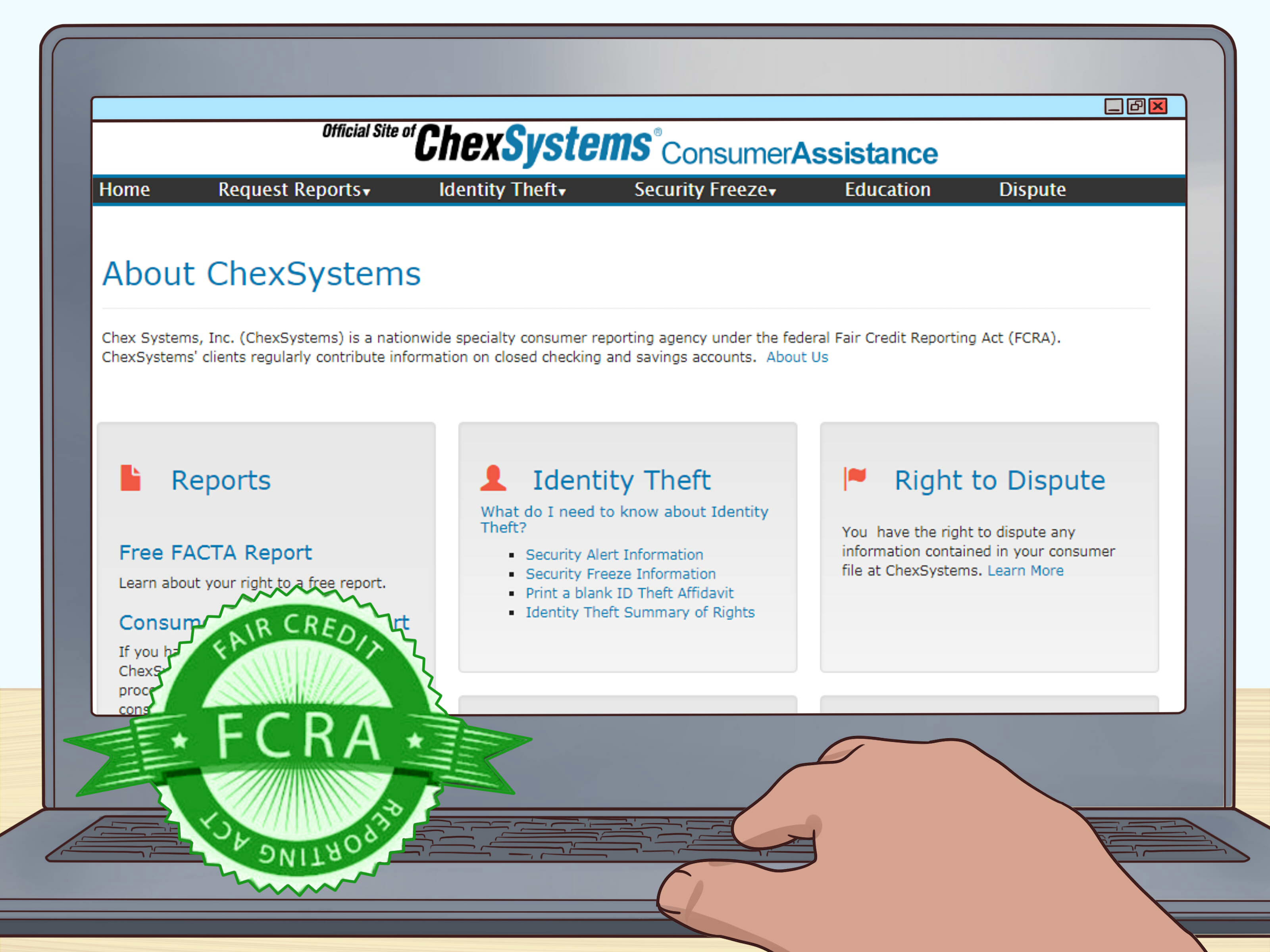
The most reliable way to see if you are on the ChexSystems list is to request your ChexSystems Consumer Disclosure Report. This is the report that shows what ChexSystems has on file about you. Under federal law, you are generally entitled to request a free copy of your report every 12 months. You may also be entitled to a free copy if a bank or credit union denies your application based on information from your report.
Step 1: Request Your ChexSystems Consumer Disclosure Report
You can request your ChexSystems report directly through ChexSystems. The company provides options such as online access through its consumer portal, phone requests, and mail-based requests. The online method is usually the fastest for many people because it allows you to verify your identity and submit your request digitally.
To request your report, be ready to provide identifying information such as your full name, current address, previous addresses if needed, date of birth, and Social Security number. This information helps ChexSystems match you to the correct file and avoid sending private information to the wrong person.
Step 2: Check Your Mail or Online Portal
Depending on how you request the report, you may receive your disclosure online or by mail. If ChexSystems needs more information to verify your identity, the process may take longer. Do not ignore follow-up requests. They are not trying to make your life difficult for sport; they are trying to confirm that you are really you.
Step 3: Review Every Section Carefully
Once you receive your report, read it from top to bottom. Look for financial institutions, account numbers, reported balances, dates, and reasons for the report. Pay special attention to anything that looks unfamiliar, outdated, duplicated, or already resolved.
Make a simple list as you review:
- Which bank or credit union reported the information?
- What date was the account reported?
- Is there an unpaid amount listed?
- Does the account belong to you?
- Was the balance already paid?
- Could identity theft be involved?
This list will help you decide whether to pay a valid balance, contact the bank, file a dispute, or take identity theft steps.
How to Know if ChexSystems Caused a Bank Account Denial
If a bank or credit union denies your application because of information in a checking account consumer report, it must provide an adverse action notice. This notice should tell you which consumer reporting company supplied the report. If ChexSystems was used, the notice should include ChexSystems’ name and contact information.
This notice is important because it gives you a clear starting point. Instead of wondering whether the denial came from ChexSystems, Early Warning Services, your credit report, identity verification problems, or the bank’s internal rules, you can see which reporting company was involved.
Do Not Assume Every Denial Means ChexSystems
A bank account denial does not always mean you are on ChexSystems. Banks may deny applications for several reasons, including inability to verify identity, incomplete application details, fraud prevention systems, unpaid debts owed directly to that bank, or internal account policies.
That is why your first move should be to ask for the reason in writing and request your consumer report. Acting without the report is like trying to fix your car because it “made a noise.” Which noise? From where? At what speed? Details matter.
What Your ChexSystems Report May Show
A ChexSystems Consumer Disclosure Report may include personal identifying information, reported account closures, unpaid balances, inquiries, check-order activity, and certain fraud-related data. The exact contents depend on what financial institutions have reported.
Negative Account Information
This is the section most people care about. It may show accounts closed for cause, unpaid negative balances, overdraft problems, returned checks, or suspected account abuse. If a bank reported that you owed money when the account closed, that balance may appear here.
Inquiries
Your report may show banks or companies that requested your ChexSystems file. If you recently applied for several accounts, you may see multiple inquiries. A few inquiries are not automatically disastrous, but many applications in a short period can make some institutions cautious.
Personal Information
Your report may include names, addresses, and other identifying details connected to your file. Errors in this section matter. A wrong address or unfamiliar name variation could signal a mixed file or identity theft issue.
How Long Do ChexSystems Records Last?
Negative information in ChexSystems commonly remains for up to five years, depending on the type of record and reporting rules. That does not always mean you must wait five years to open a bank account. Some banks offer second-chance accounts, some may approve you after a balance is paid, and some do not rely heavily on ChexSystems.
However, if the information is accurate, paying the balance does not always automatically remove the record. It may be updated to show that the balance was paid, which can still help when applying elsewhere. If the information is inaccurate, outdated, or belongs to someone else, you have the right to dispute it.
What to Do If You Find an Error
If your ChexSystems report contains inaccurate or incomplete information, file a dispute. You can dispute directly with ChexSystems and also with the bank or credit union that provided the information. Doing both can improve your chances of getting the issue investigated properly.
Examples of Disputable ChexSystems Errors
- An account listed as unpaid even though you paid it
- An account that does not belong to you
- A duplicate record for the same account
- Incorrect dates or balances
- Information connected to identity theft
- Old information that should no longer be reported
- A bank reporting incomplete or misleading details
How to File a Strong Dispute
When filing a dispute, be specific. Do not simply write, “This is wrong.” Explain what is wrong, why it is wrong, and what correction you want. Include copies of supporting documents such as payment receipts, bank letters, police reports for identity theft, account statements, or settlement confirmations.
A strong dispute might say: “The report lists ABC Bank account ending in 1234 as unpaid with a balance of $180. I paid this balance on March 12, 2026. Attached is the payment confirmation from ABC Bank. Please update the account to show a zero balance or remove the inaccurate unpaid status.”
That is much better than sending a three-word message in all caps. Tempting? Yes. Effective? Usually no.
What Happens After You Dispute a ChexSystems Record?
After you file a dispute, ChexSystems generally must investigate the disputed information. The company may contact the financial institution that reported the record. If the information cannot be verified as accurate, it should be corrected or removed.
Keep copies of everything you send. If you mail documents, consider using a trackable mailing method. If you submit online, save confirmation numbers, screenshots, and copies of uploaded files. Your future self may want to hug you for being organized.
What If the Information Is Accurate?
If the ChexSystems information is accurate, you still have options. Start by contacting the bank or credit union that reported the account. Ask whether there is an unpaid balance and whether paying it will update the report. Some institutions may provide a paid-in-full letter once the balance is resolved.
You can also ask whether the bank is willing to request removal after payment. They are not always required to do so, and not every bank will agree, but it can be worth asking politely. A calm phone call often works better than a dramatic courtroom speech performed over customer service hold music.
Can You Open a Bank Account While on ChexSystems?
Yes, it may still be possible to open an account while you have a ChexSystems record. Your options may be more limited, but they do exist.
Second-Chance Checking Accounts
Second-chance checking accounts are designed for people who have had banking problems in the past. These accounts may have monthly fees, lower transaction limits, no overdraft protection, or fewer features, but they can help you regain access to basic banking services.
After using a second-chance account responsibly for several months, some banks may allow you to upgrade to a standard checking account. The key is to avoid overdrafts, monitor your balance, and keep the account in good standing.
Credit Unions and Community Banks
Some credit unions and community banks review applications more personally than large institutions. They may consider your current situation, whether an old balance was paid, or whether the issue was caused by identity theft or a one-time hardship.
Online Banking Alternatives
Some financial technology companies and online banking providers may use different screening systems or offer accounts with fewer barriers. Always read the terms carefully. Look for FDIC or NCUA insurance coverage through a partner bank or credit union, fee details, deposit rules, ATM access, and customer support options.
How to Prevent Future ChexSystems Problems
Once your banking situation is back on track, protect it like it is the last slice of pizza at a party. A clean banking history can make it easier to open accounts, switch banks, access direct deposit, pay bills, and manage money safely.
Use Balance Alerts
Set up text or app alerts for low balances, large withdrawals, deposits, and overdraft warnings. Alerts are not glamorous, but neither is discovering a $7 purchase triggered a $35 fee.
Avoid Overdrafts When Possible
Opt out of overdraft programs if you do not need them. Keep a small cushion in your checking account. Review automatic payments so subscriptions do not ambush your balance like tiny financial ninjas.
Close Accounts Properly
If you want to close a bank account, make sure all checks, debit card transactions, and automatic payments have cleared first. Get written confirmation that the account is closed with a zero balance.
Review Reports Regularly
Request your ChexSystems report at least once a year, especially before applying for a new bank account. Reviewing your report early gives you time to fix problems before a bank application depends on it.
When to Place a ChexSystems Security Freeze
A ChexSystems security freeze limits access to your consumer report. This can help if you are concerned about identity theft or if someone may try to open a bank account in your name. A freeze does not erase negative information, and it may also slow down your own bank applications until you lift it.
If you have been a victim of identity theft, consider placing a freeze and reviewing other consumer reports as well. Identity theft rarely knocks politely. It usually barges in, tracks mud through the hallway, and leaves paperwork behind.
Experience-Based Tips: What It Feels Like and How to Handle It
Many people first learn about ChexSystems at the worst possible moment: while trying to open a new account. Maybe you just started a job and need direct deposit. Maybe you moved to a new city and want a local credit union. Maybe you are simply tired of your old bank charging fees with the enthusiasm of a vending machine that refuses to give back your dollar.
The experience can feel embarrassing, but it is more common than people think. Banking problems happen for many reasons: job loss, medical bills, forgotten automatic payments, college-account confusion, identity theft, or one overdraft that multiplied faster than laundry. The important thing is not to freeze emotionally. Treat it like a paperwork problem, not a character flaw.
A practical first move is to slow down and collect documents. Find old emails from the bank, account closure letters, payment confirmations, and any collection notices. If you paid a balance, look for proof. If you never opened the account, gather identity theft evidence. If the record is old, check the dates carefully.
Next, contact the reporting bank calmly. Ask for the account status, original balance, current balance, date of closure, and whether payment would update the report. Take notes during every call. Write down the date, time, representative’s name, and what was said. This may feel overly formal, but financial disputes love documentation. Documentation is the adult version of bringing receiptsbecause it literally is bringing receipts.
If you need an account quickly, look for second-chance checking options while you work on the report. Do not apply randomly to ten banks in one evening. That can create more inquiries and more frustration. Instead, call ahead or check account disclosures to ask whether the institution offers second-chance accounts or has flexible approval standards.
It also helps to create a small “banking reset” routine. Check your balance every morning or every few days. Keep one list of automatic payments. Set alerts for low balances. Use a calendar reminder for bills. If your account allows it, turn off overdraft coverage for debit card purchases. These small habits may sound boring, but boring is beautiful when it prevents fees.
Finally, be patient but persistent. ChexSystems issues are usually fixable in one of three ways: correction, payment, or time. If the report is wrong, dispute it. If the balance is valid, consider paying or settling it and requesting an update. If the record is accurate but old, plan around it while it ages off. You are not stuck forever. You are just dealing with a financial file that needs attention, a little strategy, and maybe one less subscription you forgot existed.
Conclusion
Learning how to see if you are on the ChexSystems list is simple: request your Consumer Disclosure Report, read it carefully, check whether a bank denial involved ChexSystems, and dispute anything inaccurate. If the information is accurate, you can still take action by paying unresolved balances, asking banks to update records, using second-chance checking, or choosing financial institutions with more flexible policies.
ChexSystems can feel intimidating, but it is not a life sentence. It is a report. Reports can be reviewed, corrected, updated, and worked around. Once you understand what is listed and why, you can stop guessing and start making smart moves toward better banking access.