A poinsettia can go from holiday showstopper to botanical drama queen with shocking speed. One day it is glowing red, pink, cream, or marbled like a festive centerpiece. The next day, it is slumped over like it just read its credit card statement. The good news? A dying poinsettia is not always a dead poinsettia. In many cases, it is simply stressed, thirsty, overwatered, chilled, overheated, underlit, or trapped in decorative foil that has quietly turned into a tiny swamp.
If you are wondering how to revive a dying poinsettia, the first step is not panic-watering it into oblivion. Poinsettias are sensitive tropical plants, and their symptoms often look similar even when the causes are opposite. A wilted poinsettia may need water, but it may also be suffering from soggy roots. Yellow leaves may signal overwatering, poor drainage, cold drafts, or stress from being moved. Leaf drop can happen when the plant is exposed to dry furnace air, a chilly window, or inconsistent care.
This guide walks you through expert-approved poinsettia care tips, including how to diagnose the problem, rescue wilted leaves, fix watering mistakes, improve light and temperature, prune damaged growth, and keep your plant alive long after the holiday decorations have gone back into the attic.
Why Poinsettias Start Dying Indoors
Poinsettias are not difficult plants, but they are particular. Think of them as guests who do not demand luxury, but absolutely notice if the room is too cold, too hot, too dark, too dry, or if their feet are sitting in water. Most poinsettia problems indoors come from environmental stress rather than a mysterious plant curse.
Common Signs Your Poinsettia Is in Trouble
- Wilting leaves: Usually caused by underwatering, overwatering, root damage, heat stress, or cold exposure.
- Yellow lower leaves: Often linked to overwatering, poor drainage, or roots staying too wet.
- Sudden leaf drop: Can happen after drafts, temperature swings, dry air, or inconsistent watering.
- Brown leaf edges: May point to dry air, underwatering, fertilizer burn, or heat stress.
- Drooping stems: Can signal severe dehydration or root rot.
- Faded bracts: Often caused by age, too much direct sun, heat, or the natural end of the display period.
Before you treat the plant, read the symptoms carefully. A poinsettia does not speak, but it does leave clues. Sadly, most of those clues look like limp leaves and passive-aggressive leaf drop.
Step 1: Check the Soil Before You Do Anything Else
The fastest way to make a struggling poinsettia worse is to water it without checking the soil. Many people see wilted leaves and immediately grab the watering can. Sometimes that works. Other times, it turns a mildly stressed poinsettia into a compost candidate.
Stick your finger about one inch into the potting mix. If the surface feels dry and the pot feels light, your poinsettia likely needs water. If the soil feels wet, heavy, or sour-smelling, the plant may be overwatered or dealing with root rot. That distinction matters because the rescue plan is completely different.
If the Soil Is Bone Dry
A severely dry poinsettia may wilt dramatically, but it can often bounce back if the roots are still alive. Remove the plant from any decorative foil or outer cachepot. Place it in the sink and water slowly until water runs through the drainage holes. Let it drain completely before returning it to its display spot. Do not leave it sitting in a saucer full of water.
If the soil has pulled away from the edges of the pot, water may run straight through without soaking the root ball. In that case, set the nursery pot in a shallow basin of room-temperature water for 15 to 20 minutes, then let it drain thoroughly. This helps rehydrate dry potting mix evenly.
If the Soil Is Wet and the Plant Is Wilting
Wet soil plus wilting is a warning sign. It may mean the roots are damaged and cannot take up water even though moisture is present. Remove foil, empty saucers, and make sure the pot has drainage holes. Move the plant to a bright, warm spot with good air circulation, but not direct heat. Allow the top inch of soil to dry before watering again.
If the potting mix smells rotten, the stems are collapsing, or the roots are brown and mushy, root rot may be advanced. You can try repotting into fresh, well-draining potting mix after trimming away soft, dead roots, but be realistic. A poinsettia with severe root rot may not recover. Gardening optimism is wonderful, but even optimism needs drainage holes.
Step 2: Fix Drainage Problems Immediately
Decorative foil is one of the sneakiest poinsettia killers. It looks festive, shiny, and harmless, but it can trap water around the bottom of the pot. Poinsettias dislike standing water, and constantly wet roots can lead to yellow leaves, wilting, and rot.
To fix the problem, remove the plant from the foil sleeve before watering. Water the plant in the sink, allow it to drain completely, and then place it back in its decorative cover. If you want to keep the foil on for display, punch drainage holes in the bottom and place the plant on a saucer that you empty after watering.
Best Watering Method for a Stressed Poinsettia
- Check the soil daily with your finger.
- Water only when the soil surface feels dry to the touch.
- Use room-temperature water.
- Water thoroughly until excess drains from the bottom.
- Discard any water sitting in the saucer or pot cover.
- Do not water again until the top of the mix begins to dry.
The goal is evenly moist soil, not soggy soil. A poinsettia should never be allowed to dry so severely that it wilts repeatedly, but it should also never sit in a puddle wearing a foil party hat.
Step 3: Move It to the Right Light
Light is another major part of poinsettia recovery. Indoors, poinsettias do best in bright, indirect light. A sunny east-facing window is often ideal because it provides gentle morning light without the harsh afternoon blast. South or west windows can work too, especially in winter, as long as the plant is not pressed against cold glass or scorched by intense direct sun.
For a dying poinsettia, choose a location that receives about six hours of bright light per day. If the room is dim enough that you would struggle to read comfortably without turning on a lamp, your poinsettia probably feels the same way. Low light weakens the plant and makes recovery slower.
Light Mistakes to Avoid
- Do not place the plant in a dark hallway for weeks and expect a miracle.
- Do not let leaves touch icy window glass.
- Do not move a stressed plant from low light straight into harsh direct sun.
- Do not rotate it every hour like it is on a holiday carousel; small weekly turns are enough.
If your poinsettia is dropping leaves after sitting in a dark corner, move it gradually to brighter indirect light. Recovery may take time, and lost leaves will not magically reattach. Plants are talented, but not that talented.
Step 4: Stabilize the Temperature
Poinsettias are tropical plants native to Mexico, and they are famously sensitive to cold. They also dislike hot, dry blasts from heating vents. The ideal indoor range for most poinsettias is roughly 60 to 75 degrees Fahrenheit, with many experts recommending about 65 to 70 degrees for best display life.
If your poinsettia is wilting or dropping leaves, inspect its location. Is it near a drafty door? A cold window? A fireplace? A radiator? A furnace vent? A heat-producing appliance? If yes, move it. Temperature swings are one of the most common reasons poinsettias decline after being brought home.
The Best Recovery Spot
Place your poinsettia in a bright room with steady temperatures, away from drafts and direct heat. Avoid entryways where cold air rushes in every time someone opens the door. Also avoid placing it on top of a TV, refrigerator, or appliance that gives off heat. Your poinsettia wants comfort, not a sauna with mood lighting.
Step 5: Increase Humidity Without Creating Rot
Winter indoor air can be extremely dry, especially in homes with forced-air heating. Dry air can cause crispy leaf edges, faster wilting, and a shorter bract display. However, humidity must be improved carefully because soggy soil and wet foliage can create new problems.
To raise humidity, place the pot on a pebble tray filled with water, making sure the bottom of the pot sits above the waterline. As the water evaporates, it increases humidity around the plant without soaking the roots. You can also group houseplants together to create a slightly more humid microclimate.
Avoid heavy misting as your main solution. A light occasional mist is not usually catastrophic, but misting does not provide long-lasting humidity and can encourage leaf problems if the plant stays wet in a cool room. Better humidity comes from the air around the plant, not from turning the leaves into a weather event.
Step 6: Prune Dead or Damaged Growth
Once you have corrected watering, light, and temperature, remove dead leaves from the soil surface and trim off clearly dead stems or crispy foliage. This helps prevent pest and disease issues and makes it easier to monitor new growth.
Use clean, sharp scissors or pruning snips. If a stem is still green and firm, leave it alone. If it is brown, hollow, mushy, or dry all the way through, trim it back to healthy tissue. Do not aggressively prune a poinsettia while it is still trying to recover from severe stress. Think of pruning as cleanup, not punishment.
When to Do a Hard Prune
If you plan to keep your poinsettia after the holiday season, you can prune it back in spring when the colorful bracts fade. Many gardeners cut it back to about 6 to 8 inches tall, then continue caring for it as a green houseplant. New growth should emerge from nodes along the stems if the plant is healthy.
Step 7: Skip Fertilizer While the Plant Is in Bloom
A stressed poinsettia does not need a fertilizer smoothie. Fertilizer is useful during active growth, especially in spring and summer, but it is not a cure for wilting, yellowing, or leaf drop during the holiday display period. Fertilizing a stressed or dry plant can make root problems worse.
Wait until the plant has stabilized and begins producing new growth. Then use a balanced houseplant fertilizer at the label rate or slightly diluted. During the colorful holiday period, focus on proper watering, light, and temperature instead.
How to Diagnose Poinsettia Problems by Symptom
Because several problems can look alike, use the symptom chart below to narrow down what your poinsettia needs.
Wilted Leaves
Possible causes: dry soil, soggy soil, root rot, heat stress, cold exposure.
What to do: Check soil moisture first. Water if dry. If wet, improve drainage and allow the soil surface to dry. Move the plant away from vents, fireplaces, doors, and cold windows.
Yellow Leaves
Possible causes: overwatering, poor drainage, natural aging, low light, temperature stress.
What to do: Remove decorative foil when watering, empty saucers, provide bright indirect light, and avoid drafts.
Leaves Dropping Suddenly
Possible causes: temperature shock, inconsistent watering, dry air, low light, transport damage.
What to do: Stabilize care. Keep the plant in bright light, water properly, and protect it from sudden temperature changes.
Brown Crispy Edges
Possible causes: dry air, underwatering, excess fertilizer, heat exposure.
What to do: Improve humidity with a pebble tray, keep soil evenly moist, and avoid fertilizing until the plant recovers.
Mushy Stems or Sour-Smelling Soil
Possible causes: root rot from saturated soil.
What to do: Remove the plant from standing water, inspect roots if possible, trim rotted roots, repot in fresh mix, and water less often. If most roots are mushy, replacement may be the kinder option.
Can a Poinsettia Come Back After Losing Leaves?
Yes, a poinsettia can come back after losing leaves if the stems and roots are still healthy. Leaf drop is not automatically a death sentence. However, the plant may look sparse for a while. The key is to correct the cause and give it consistent care.
Do not expect new colorful bracts immediately. Once a poinsettia drops leaves, it needs time to rebuild. Keep it in bright indirect light, water when the soil surface dries, and maintain comfortable temperatures. If you see new green growth after several weeks, that is a strong sign the plant is recovering.
How to Keep a Poinsettia Alive After the Holidays
If your poinsettia survives the rescue mission, you can keep it as a houseplant. After the bracts fade in late winter or spring, prune it back to encourage new growth. Continue watering when the soil begins to dry. In spring and summer, place it in bright light and fertilize regularly with a balanced houseplant fertilizer.
Once outdoor night temperatures stay safely above 50 degrees Fahrenheit, you can move the poinsettia outdoors to a protected spot with bright indirect light or morning sun. Avoid harsh midday sun at first. Acclimate it gradually so the leaves do not scorch.
Getting a Poinsettia to Rebloom
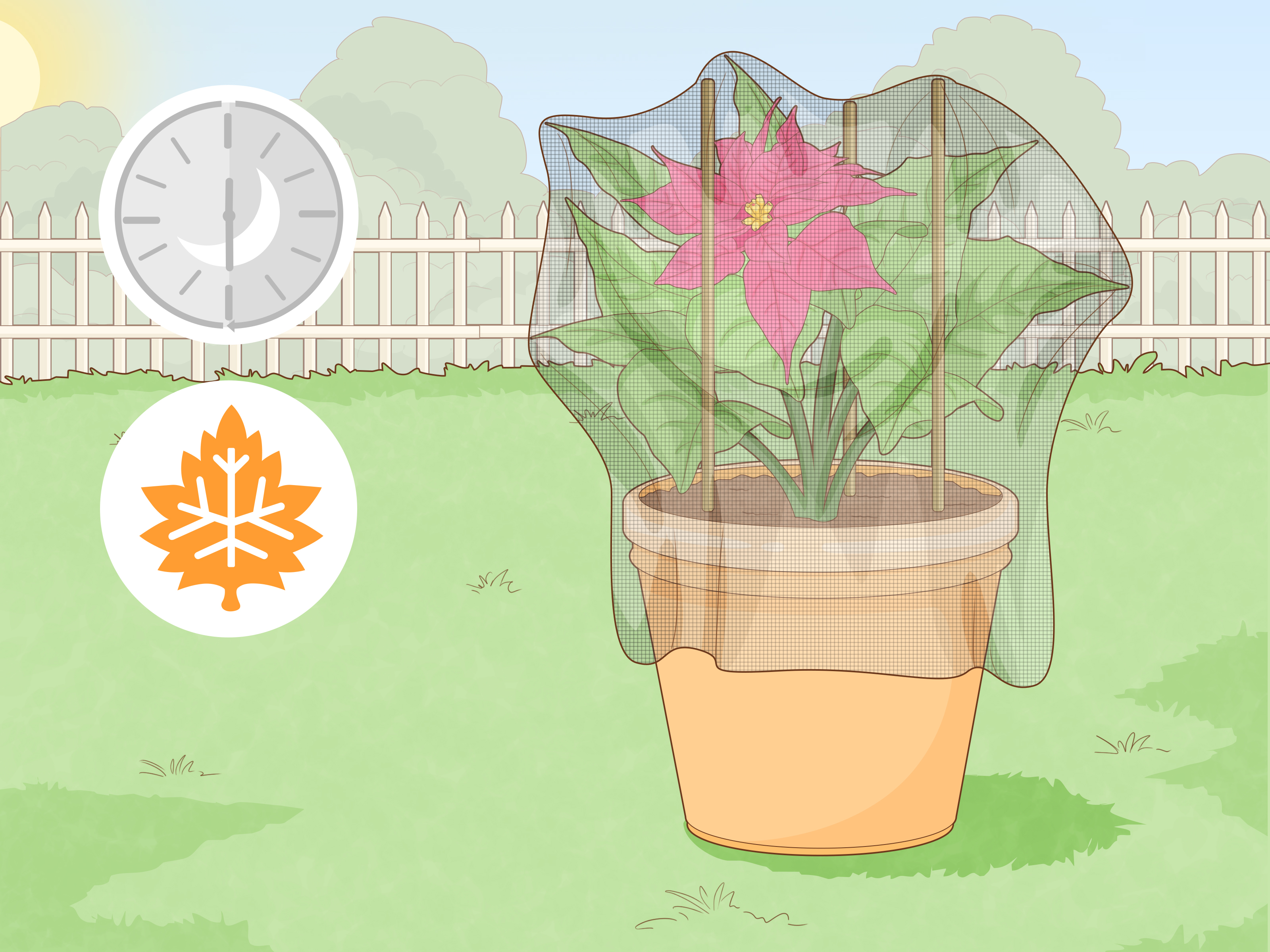
Reblooming a poinsettia is possible, but it requires discipline. Poinsettias are short-day plants, which means they need long, uninterrupted nights to develop colorful bracts. Beginning in early fall, the plant typically needs about 14 hours of complete darkness each night for roughly 8 to 10 weeks, along with bright light during the day.
That means no lamp light, no hallway light, no “just checking on you” flashlight moment. Even small interruptions can interfere with bract color. Many people place the plant in a closet or cover it with a box each evening, then return it to bright light in the morning. Is it a little fussy? Yes. Is it satisfying when it works? Absolutely.
Are Poinsettias Poisonous?
Poinsettias have a scary reputation, but they are generally far less dangerous than many people believe. The milky sap can irritate skin, mouths, and stomachs, especially for pets or children who chew on the plant. It is still smart to keep poinsettias out of reach of curious kids, cats, dogs, and nibbling houseguests. However, the old idea that poinsettias are deadly is widely considered exaggerated.
If a pet eats part of a poinsettia and shows symptoms such as vomiting, drooling, or discomfort, contact a veterinarian. If a child eats part of the plant or gets sap in the eyes or mouth, contact Poison Control or a medical professional for guidance. Better safe than sorry, especially when the family cat has the judgment of a raccoon in a gift shop.
Expert-Approved Poinsettia Revival Plan
If your poinsettia looks rough right now, follow this simple rescue routine for the next two weeks:
- Remove decorative foil before watering. Make sure the pot drains freely.
- Check soil moisture daily. Water only when the top feels dry.
- Water thoroughly, then drain fully. Never let the pot sit in water.
- Move it to bright indirect light. Aim for about six hours of good light.
- Keep temperatures steady. Avoid drafts, heat vents, fireplaces, and cold glass.
- Remove dead leaves. Keep the soil surface clean.
- Do not fertilize yet. Wait until the plant is stable and growing.
- Watch for new growth. Green buds or leaves mean recovery is underway.
Most poinsettias respond best to calm consistency. Do not move the plant to a new location every day, drown it, dry it out, fertilize it, mist it hourly, and whisper apologies all at once. Choose the right conditions and let the plant recover.
Common Mistakes That Make a Dying Poinsettia Worse
Watering on a Schedule Instead of Checking Soil
Watering every Monday sounds organized, but plants do not use calendars. They use moisture, light, temperature, and root activity. A poinsettia in a warm, bright room may dry faster than one in a cooler room. Always check the soil before watering.
Leaving It in Standing Water
This is the classic holiday plant mistake. The poinsettia looks fancy in its foil sleeve, but water collects at the bottom and suffocates the roots. Drainage is not optional.
Putting It Near a Heat Vent
Warm air blowing directly on the leaves dries them out quickly. It can also cause wilting and leaf drop. A poinsettia near a furnace vent may look cozy, but it is basically being slow-roasted.
Letting It Touch a Cold Window
Cold glass can damage leaves and bracts. Keep the plant near bright light, but not pressed against the windowpane.
Giving Up Too Soon
A poinsettia that has lost several leaves may still recover. If the stems are green and the roots are not rotten, give it a chance. Plants often look worse before they look better.
Real-Life Experience: What Reviving a Poinsettia Actually Looks Like
Reviving a poinsettia is often less dramatic than people expect. There is usually no grand movie moment where the leaves suddenly rise, music swells, and the plant forgives you. Instead, recovery happens quietly. The leaves stop dropping. The stems stay firm. The soil dries at a normal pace. A tiny green bud appears, and suddenly you feel like a horticultural genius.
One common experience is the “holiday table survivor.” This is the poinsettia that spent two weeks in the center of the dining table, far from any window, surrounded by candles, snacks, wrapping paper, and relatives debating whether cranberry sauce should be homemade. By New Year’s Day, it is drooping and dropping leaves. The fix is usually straightforward: move it to bright indirect light, remove the decorative wrap before watering, trim dead leaves, and keep the temperature steady. It may not look magazine-perfect again right away, but it can stabilize.
Another familiar case is the “over-loved poinsettia.” This plant gets watered every time someone walks past it. The owner means well, but the soil never dries, the lower leaves turn yellow, and the plant wilts even though the pot is wet. This is confusing because wilting looks like thirst. The real issue is that waterlogged roots cannot breathe. In this case, the best experience-based lesson is restraint. Stop watering until the surface dries, improve drainage, and move the plant to a warm, bright place. Sometimes the plant recovers; sometimes root rot has already gone too far. Either way, the lesson sticks: love is not measured in ounces of water.
There is also the “front-door poinsettia,” which looks beautiful by the entryway until cold drafts hit it five times a day. Poinsettias hate sudden chills. Even a short blast of cold air can trigger leaf drop. Many people discover this after placing a plant near a glass door, on a porch, or beside a drafty window. Moving it to a stable indoor spot often stops the decline, though damaged leaves may still fall. The goal is to prevent more stress, not reverse every damaged leaf.
In my experience writing and researching plant care, the biggest poinsettia rescue lesson is that the plant needs consistency more than perfection. You do not need a greenhouse, a moisture meter, a botanical degree, or a ceremonial watering chant. You need drainage, bright indirect light, moderate temperatures, and the patience to check the soil before acting. Most poinsettia disasters begin when people treat the plant like a decoration instead of a living thing. Decorations do not care if they sit in a dark corner. Poinsettias definitely do.
A practical example: imagine your poinsettia is wilting, has three yellow leaves, and sits inside shiny red foil. The soil feels wet. The wrong move is watering again. The better move is to remove the foil, drain the pot, check that the nursery container has holes, move it away from the heat vent, and wait until the top inch of soil dries. Over the next week, some damaged leaves may still drop, but if the stems remain firm and no sour smell develops, the plant has a fighting chance.
Another example: your poinsettia is drooping, the soil is dry, and the pot feels light. In that case, water thoroughly in the sink, let it drain, and place it in bright indirect light. Within a few hours, mildly dehydrated leaves may perk up. Severely dried leaves may not recover, but new growth can still appear later if the roots survived.
The emotional side of poinsettia care is real, too. Because these plants are tied to holidays, gifts, family gatherings, and seasonal memories, people often feel oddly guilty when one starts dying. But poinsettias are mass-produced, transported, wrapped, displayed, chilled, heated, and moved from store to car to home. By the time one reaches your living room, it has already been on a tiny botanical road trip. Your job is not to be perfect. Your job is to give it better conditions than it had on the way there.
So, if your poinsettia looks sad, do not toss it immediately. Check the soil. Fix the drainage. Move it to better light. Protect it from drafts. Give it a week or two of steady care. Sometimes the plant will reward you with fresh growth. Sometimes it will teach you what to do differently next December. Either outcome is useful, and frankly, far less expensive than learning the same lesson with a fiddle-leaf fig.
Conclusion
Learning how to revive a dying poinsettia starts with understanding what the plant is trying to tell you. Wilting does not always mean thirst. Yellow leaves do not always mean the plant is doomed. Leaf drop does not always mean failure. Most poinsettia problems come from watering mistakes, poor drainage, low light, dry indoor air, or temperature stress.
To bring your poinsettia back, check the soil before watering, remove decorative foil when you water, provide bright indirect light, keep temperatures steady, and avoid drafts or heat vents. Skip fertilizer until the plant is actively growing, prune only what is dead, and be patient. A healthy poinsettia is not built on heroic care. It is built on consistent care.
With the right conditions, your poinsettia may recover from its holiday slump and continue growing well beyond the season. And if you decide to try reblooming it next year, prepare for a fun little gardening challenge involving long nights, bright days, and a plant that takes its beauty sleep very seriously.
Note: This article is for general home gardening education. If your poinsettia shows severe rot, widespread pests, or unexplained collapse, contact a local cooperative extension office or experienced plant professional for region-specific advice.