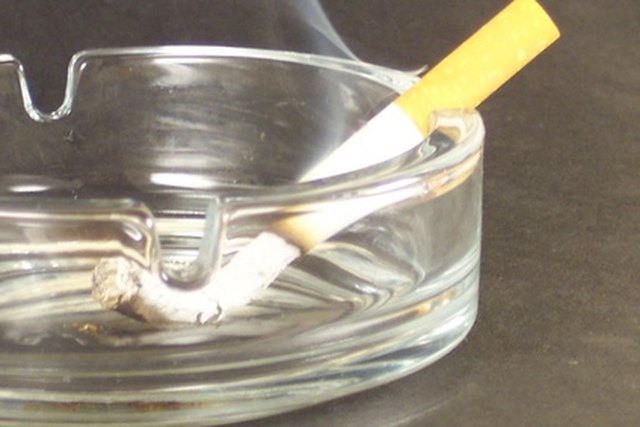
Yellow smoke stains on a wall are not exactly the “warm golden glow” homeowners dream about. They usually arrive with a stale odor, a tacky surface, and the kind of stubborn attitude normally reserved for toddlers and old wallpaper glue. Whether the stains came from cigarette smoke, candles, a smoky fireplace, cooking fumes, or a small fire incident, the goal is the same: remove the residue without ruining the wall finish.
The good news is that many yellow smoke stains can be cleaned with basic household supplies and a patient step-by-step method. The less-good news is that smoke residue can be greasy, acidic, and sneaky. If you simply slap paint over it, the stain may bleed through like it has a personal vendetta. This guide explains how to clean smoke stains from walls, when to use stronger cleaners, when to prime, and how to keep the yellow tint from making an encore performance.
What Causes Yellow Smoke Stains on Walls?
Yellow smoke stains are usually caused by residue left behind when smoke particles settle on surfaces. In homes with cigarette smoke, nicotine and tar can cling to painted walls, ceilings, trim, doors, and cabinets. Around fireplaces, soot and smoke residue may collect above the mantel or in corners where air moves slowly. Candles can also create gray or yellowish marks, especially when wicks are too long or the candle burns near a cool wall.
Smoke residue behaves differently from ordinary dust. It can be sticky, oily, and odor-holding. That is why a quick wipe with plain water may smear the stain instead of removing it. Think of it like trying to clean bacon grease with a dry napkin: technically you are doing something, but the wall is not impressed.
Before You Start: Safety and Wall Protection
Before cleaning yellow smoke stains from a wall, check three things: the wall finish, the age of the home, and the products you plan to use.
Test the Wall First
Choose a hidden spot behind furniture or near a baseboard. Dab the area with your cleaning solution and wait a few minutes. If paint transfers to the sponge, the finish may be delicate, especially if it is flat or matte paint. Satin, semi-gloss, and gloss paints are usually more washable, but even they can be damaged by rough scrubbing.
Be Careful With Older Homes
If your home was built before 1978, assume lead paint may be present unless testing proves otherwise. Avoid sanding, scraping, or aggressively disturbing old paint. For serious cleaning or repainting projects in older homes, consider a lead-safe certified professional.
Never Mix Cleaning Chemicals
Do not mix bleach with ammonia, vinegar, acid cleaners, or other household cleaners. Dangerous gases can form. Keep the room ventilated, wear gloves, and protect your eyes if you use stronger products. Cleaning a wall should not turn into a chemistry experiment with villain energy.
Supplies You May Need
- Microfiber cloths
- Soft sponges or non-abrasive wall-washing pads
- Two buckets: one for cleaner and one for rinse water
- Warm water
- Mild dish soap
- White vinegar
- Baking soda
- Trisodium phosphate, or a phosphate-free TSP substitute, for heavy stains
- Rubber gloves and eye protection
- Drop cloths or old towels
- Dry-cleaning soot sponge for dry soot
- Stain-blocking primer if repainting is needed
Step-by-Step: How to Remove Yellow Smoke Stains From a Wall
Step 1: Dry Dust the Wall
Start with a dry microfiber cloth, vacuum brush attachment, or duster. Remove loose dust, cobwebs, and surface soot before adding moisture. If the stain is from a fireplace or fire smoke, use a dry-cleaning soot sponge first. Press and lift instead of rubbing. Rubbing dry soot can push it deeper into paint and drywall.
Work from the top of the wall down. Gravity is already helping the stain look bad, so let gravity help you clean too.
Step 2: Protect Floors and Outlets
Lay towels or a drop cloth along the baseboard. Turn off power to outlets if you will be cleaning near them, and avoid soaking electrical areas. Smoke-stained walls often need repeated rinsing, so prepare for drips. A little setup prevents a lot of “why is the floor sticky now?” frustration later.
Step 3: Wash With Mild Soap First
For light yellow smoke stains, mix a few drops of mild dish soap into a bucket of warm water. Dip a soft sponge into the solution, wring it out well, and wipe the wall in gentle circular motions. Use light pressure. The sponge should be damp, not dripping like it just survived a shipwreck.
Clean a small section at a time, then rinse with a second sponge dipped in clean water. Dry the area with a towel. Rinsing matters because soap residue can attract more dirt and make paint look dull.
Step 4: Try Vinegar for Sticky Smoke Film
If soap alone does not cut through the yellow film, mix equal parts warm water and white vinegar. Vinegar can help loosen smoke residue and reduce odor. Apply it with a sponge or cloth, let it sit briefly, and wipe gently. Rinse with clean water and dry.
Do not use vinegar on unsealed stone, delicate specialty finishes, or surfaces where the manufacturer warns against acidic cleaners. Also, never combine vinegar with bleach. They are both useful in the home, but together they are terrible roommates.
Step 5: Use Baking Soda Paste on Small Stubborn Spots
For isolated stains, make a paste with baking soda and a small amount of water. Apply it lightly with a soft cloth, then rub gently. Baking soda is mildly abrasive, so do not attack the wall like you are scrubbing a grill grate. Rinse thoroughly and dry.
This method works best for small areas, fingerprints, and light smoke discoloration. For an entire nicotine-stained room, baking soda paste would take forever and possibly give you the arm strength of a competitive rower.
Step 6: Escalate to TSP for Heavy Yellow Nicotine Stains
For severe yellow smoke stains, especially nicotine stains that feel sticky, trisodium phosphate can be effective because it cuts through heavy grime. Follow the product label exactly. Wear gloves and eye protection, ventilate the room, and use a sponge to wash the wall from bottom to top. Washing from bottom to top helps reduce streaks because drips fall over already-wet areas rather than dry paint.
After using TSP or a TSP substitute, rinse the wall thoroughly with clean water. This step is not optional. Leftover cleaner can interfere with primer or paint adhesion. Dry the wall completely before deciding whether the stain is gone or needs another round.
Step 7: Repeat, But Do Not Overwork the Paint
Smoke residue often comes off in layers. The first pass may turn your sponge yellow-brown, which is both satisfying and mildly horrifying. Replace dirty water often. If the wall still feels tacky, repeat the cleaning process. However, stop if paint begins to soften, peel, or transfer heavily. At that point, more scrubbing may cause damage instead of progress.
Step 8: Let the Wall Dry Completely
After cleaning, give the wall plenty of time to dry. A wall may feel dry on the surface while moisture remains in seams, corners, or patched areas. If you plan to prime and paint, overnight drying is a smart move. Painting too soon can trap moisture and create adhesion problems.
When Cleaning Is Not Enough
Sometimes yellow smoke stains are too deep, too old, or too widespread to remove completely. That does not mean you failed. It means the residue has bonded with the paint film or soaked into porous surfaces. In that case, the winning move is to clean as well as possible, let the wall dry, then seal the stain with the right primer.
Use a Stain-Blocking Primer
A regular wall paint is not designed to block smoke stains or odors. For stubborn nicotine or fire-smoke discoloration, use a stain-blocking primer labeled for smoke, nicotine, or odor sealing. Shellac-based and oil-based primers are commonly used for difficult smoke stains because they help prevent bleed-through. Some water-based restoration primers are also designed for smoke and odor blocking.
Apply primer according to the label, allow proper drying time, then finish with quality interior paint. If the stain is severe, two coats of primer may be needed. It is better to prime correctly once than repaint the same wall three times while questioning your life choices.
How to Remove Smoke Odor From Walls
Yellow staining and smoke odor often travel together. Cleaning the wall helps because it removes residue that holds odor. Still, odor may remain in curtains, carpet, upholstery, ceiling texture, HVAC filters, and cabinets. Wash washable fabrics, replace filters, clean hard surfaces, and ventilate the room. Bowls of vinegar or baking soda may help reduce mild odors, but they cannot replace actual cleaning.
If a room has years of cigarette smoke buildup, odor can hide in porous materials. In rentals, older homes, or rooms with heavy smoking history, professional cleaning, sealing primer, and repainting may be the most realistic path to a fresh result.
Common Mistakes to Avoid
Painting Over Smoke Stains Without Cleaning
This is the classic shortcut that becomes a longcut. Smoke residue can prevent paint from bonding properly. It can also bleed through fresh paint, leaving yellow shadows that look like the wall is haunted by bad decisions.
Using Too Much Water
Drywall and paint do not enjoy being soaked. A damp sponge is enough. Excess water can cause bubbling, streaking, or damage near seams and outlets.
Scrubbing With Abrasive Pads
Steel wool, stiff brushes, and rough scrubbers can remove paint along with the stain. Use soft sponges and microfiber cloths. If you need more cleaning power, change the solution, not the aggression level.
Skipping the Rinse
Cleaners leave residue. Residue attracts dirt and can interfere with paint. Always rinse with clean water and dry the wall.
Best Cleaning Solution by Stain Type
Light Cigarette Smoke Film
Use warm water with mild dish soap. Rinse and dry. Repeat as needed.
Sticky Yellow Nicotine Stains
Start with dish soap, then try vinegar and water. If the residue remains, move to TSP or a TSP substitute, following all safety directions.
Fireplace Soot
Begin with a dry-cleaning soot sponge. Then wash gently with mild soap and water. For heavy soot, consider a professional restoration cleaner.
Candle Smoke Marks
Use mild soap and warm water first. Trim candle wicks in the future and keep candles away from walls to prevent repeat staining.
How to Prevent Yellow Smoke Stains From Coming Back
The best way to prevent yellow smoke stains is to reduce smoke indoors. Smoke outside, improve ventilation, use range hoods while cooking, keep fireplace flues maintained, and burn candles correctly. If smoking has occurred indoors for years, wash walls before repainting and use a stain-blocking primer. Prevention is much easier than removing a yellow film from every square inch of a room while wondering why ceilings are so tall.
For high-risk areas, choose washable paint finishes such as satin or semi-gloss. Flat paint hides wall imperfections but is harder to clean. In kitchens, bathrooms, and rooms exposed to smoke, a more washable finish can save time and stress.
Real-Life Experience: What Cleaning Yellow Smoke Stains Usually Feels Like
Anyone who has cleaned a smoke-stained wall knows the first surprise: the wall is often dirtier than it looks. A beige wall may seem only slightly dull until you wipe a small square and reveal the original color underneath. Suddenly, the room has a “before and after” patch that looks like a tiny clean window into a better life. It is motivating, but also dangerous, because now you know the whole wall needs attention.
In many homes, the first bucket of cleaning water changes color fast. That is normal. Yellow smoke residue can dissolve into a tea-colored or brownish liquid, especially on walls exposed to cigarette smoke. The sponge may feel sticky at first, then glide more easily after a few passes. This is usually a sign that the greasy layer is breaking down. The key is patience. If you rush and scrub too hard, the paint can become shiny in one spot or fade unevenly.
One useful experience-based tip is to clean in small sections, about two or three feet wide. Finish one section completely: wash, rinse, dry, then move on. If you wash the whole wall and rinse later, dirty solution may dry in streaks. Another practical trick is to label your buckets mentally: one is “cleaner,” the other is “rinse.” Once both buckets look like old coffee, change the water. Dirty water does not clean; it redecorates.
Ceilings are often worse than expected because smoke rises. Cleaning a ceiling is physically awkward, so use a sponge mop with a clean, soft head if the paint finish can tolerate it. Work slowly and protect your eyes from drips. Ceiling cleaning is where many people discover the true meaning of humility.
There is also an emotional part to this project. Smoke-stained walls can make a room feel older, darker, and less cared for than it really is. After cleaning, even before painting, the space often feels brighter. The odor may soften. Corners look sharper. Trim looks less tired. It is not glamorous work, but it is satisfying in a very real way.
The biggest lesson is knowing when to stop cleaning and start sealing. If the wall has been washed twice, rinsed well, dried fully, and still shows yellow shadows, primer is not cheating. It is strategy. A good stain-blocking primer locks down what cleaning cannot remove and gives fresh paint a clean foundation. In heavy-smoke rooms, the best results usually come from combining both approaches: deep clean first, prime second, paint third. Skip one, and the wall may remind you later.
Conclusion
Removing yellow smoke stains from a wall is a step-by-step process, not a one-swipe miracle. Begin with dry dusting, wash gently with mild soap, rinse thoroughly, and escalate to vinegar, baking soda, or TSP only when needed. Protect yourself, ventilate the room, avoid mixing chemicals, and be careful with older painted surfaces. If stains or odors remain after cleaning, use a stain-blocking primer before repainting.
The cleanest result comes from respecting the wall and outsmarting the smoke residue. Start gentle, stay patient, rinse like you mean it, and do not let yellow stains bully you into a bad paint job.