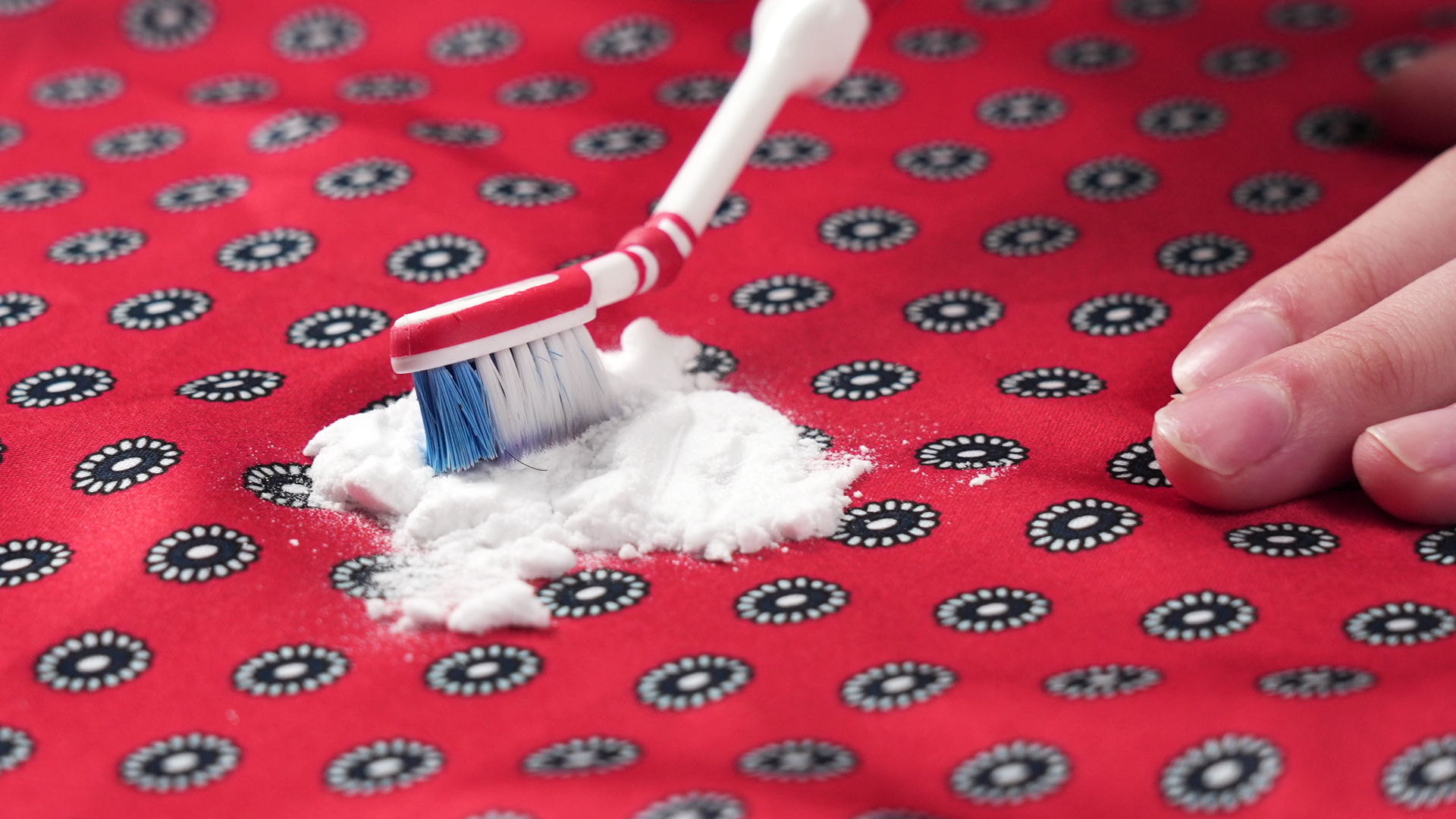
Makeup belongs on your face, not your favorite shirt. Yet somehow, foundation finds collars, lipstick lands on sleeves, mascara dives onto pillowcases, and powder leaves a mysterious beige cloud exactly where everyone can see it. The good news is that makeup stains are usually beatable if you move quickly, use the right method, and resist the universal urge to panic-rub the fabric like you are trying to start a campfire.
This guide breaks down how to remove makeup from clothing the smart way. You’ll learn what to do first, which stain-fighting products work best, how to treat different kinds of makeup stains, what to avoid, and how to save delicate fabrics without turning a small smudge into a full-blown laundry tragedy. Whether you are dealing with a fresh foundation streak or an old lipstick mark that survived a wash cycle and came back stronger, these expert tips can help.
Why makeup stains are so stubborn
Makeup is designed to stick. That is wonderful when you want your concealer to last through a long day, but less wonderful when it decides your blouse is now part of the beauty routine. Many makeup products contain oils, waxes, pigments, silicones, or waterproof ingredients. That means the right removal method depends on what type of stain you are facing.
- Liquid foundation and concealer often contain oils, pigments, and skin-binding ingredients.
- Lipstick usually contains waxes, oils, and strong dyes.
- Mascara and eyeliner may include dark pigments plus waterproofing agents.
- Powder makeup can seem harmless, but it spreads fast and can grind into fibers.
- Makeup remover residue, sunscreen, and tinted products may leave oily marks that need degreasing.
Once heat from a dryer gets involved, the stain can become much harder to remove. That is why patience matters. So does avoiding the classic laundry villain: “I think it’s gone, let me toss it in the dryer and hope for the best.” Hope is not a stain remover.
What to do first when makeup hits fabric
1. Check the care label
Before you do anything dramatic, read the garment’s care label. If the item says dry clean only, do not go rogue with random DIY chemistry. Blot gently, remove excess product, and take it to a professional cleaner. For washable items, the label tells you how much water, heat, and agitation the fabric can handle.
2. Remove excess makeup carefully
If the stain is from a cream, liquid, or thick product, use the edge of a spoon, dull knife, or credit card to lift off excess makeup. Work gently. You want to remove the product sitting on top of the fabric, not mash it deeper into the fibers like frosting into a cake.
3. Blot, do not scrub
Use a clean white cloth or paper towel to blot the stain. White matters because a colored towel can transfer dye. Scrubbing often spreads the stain outward and drives pigment deeper into the fabric. Blotting is less dramatic, but much smarter.
4. Treat the stain as soon as possible
Fresh stains are easier to remove than set-in ones. Even a quick pretreat can make a big difference if you cannot wash the garment right away.
The basic method that works for most washable fabrics
If you do not know exactly which makeup product caused the stain, start with a gentle, fabric-safe approach:
- Lift away excess makeup.
- Blot with a clean cloth dampened with cool or cold water.
- Apply a small amount of liquid laundry detergent or stain remover directly to the spot.
- Work it in gently with your fingers or a soft toothbrush.
- Let it sit for 5 to 15 minutes.
- Rinse or blot again.
- Wash according to the care label.
- Air-dry and inspect before using the dryer.
This simple pretreat-and-wash method is often enough for common foundation, blush, or concealer stains, especially if you catch them early.
How to remove specific types of makeup stains
Liquid foundation and concealer
These are among the most common culprits, especially around shirt collars and necklines. Because many formulas are oil-based or contain emollients, start by lifting off the excess. Then use a few drops of liquid dish soap or liquid laundry detergent on the stain. Dish soap can be especially helpful when the stain feels greasy.
Let the product sit for several minutes, then blot with cool water. Repeat if needed before laundering. For white, bleach-safe fabrics, an oxygen-based booster can be helpful during soaking or washing. For colored clothing, choose products labeled safe for colors and test first on a hidden area.
Powder foundation, blush, and bronzer
Powder makeup loves to spread. First, shake or brush off as much loose product as possible. Do not add water immediately if the powder is still sitting on the surface, because that can turn a small dusty mess into a mud patch. Once the loose powder is gone, treat any remaining discoloration with detergent and wash as usual.
Lipstick stains
Lipstick is a special little overachiever because it combines pigment, oil, and wax. Start by scraping off excess product. Then dab the area with a small amount of liquid detergent, stain remover, or a carefully used solvent-based option that is safe for the fabric. Some washable items respond well to a tiny amount of rubbing alcohol, but use it sparingly, test first, and rinse thoroughly before laundering. If the garment is delicate, skip the experiments and let a professional cleaner take the lead.
Mascara and eyeliner
Dark eye makeup can leave very visible smudges, especially on towels, pillowcases, and light-colored clothing. Pretreat with liquid detergent or stain remover, let it sit, then rinse and wash. Waterproof formulas may need more than one treatment because they are made to resist moisture. In other words, if your mascara survives crying, humidity, and a twelve-hour workday, it may not surrender after one polite rinse.
Makeup with sunscreen or long-wear formulas
Products labeled long-wear, transfer-resistant, or waterproof are often tougher to remove because they contain ingredients designed to bond to skin and resist breakdown. Treat these as oily stains first. Use dish soap or a grease-fighting pretreat, then follow with laundry detergent and a full wash cycle based on the care label.
Best at-home stain fighters for makeup marks
Liquid laundry detergent
This is the workhorse. It is usually the safest first choice because it is designed for fabric and easy to rinse out.
Dish soap
Helpful for greasy makeup, especially foundation, sunscreen-tinted products, and some concealers. Use a small amount and rinse well.
Commercial stain remover
Sprays, gels, sticks, and pens can be useful, especially for on-the-go stains or set-in residue. Follow the label directions and do not assume longer always means better.
Oxygen bleach
Good for washable whites and many colorfast fabrics when the stain needs soaking power. Always check product directions and the garment care label.
Baking soda
Baking soda can help absorb oil and provide light lifting action for some stains, but it is not magic. Think of it as a supporting actor, not the entire cast.
What not to do
- Do not rub aggressively. That spreads the stain.
- Do not use the dryer too soon. Heat can set leftover pigment.
- Do not ignore the care label. Fabric rules still apply, even in a laundry emergency.
- Do not use bleach casually. Only use bleach that is appropriate for the fabric and color.
- Do not mix random cleaning products. More chemistry does not equal more cleaning.
- Do not keep treating delicate or dry-clean-only fabrics at home if the stain is worsening. That is how one stain becomes a life lesson.
How to handle delicate fabrics
Silk, wool, rayon, embellished garments, structured blazers, and anything labeled dry clean only need a gentler strategy. Blot, remove excess product carefully, and test any cleaning agent on an inconspicuous area first. If there is any color transfer, stop. For expensive or sentimental items, professional cleaning is usually the safest move.
Even on washable delicates, use minimal water, minimal friction, and patience. The goal is to preserve the fabric, not win the stain battle by sacrificing the garment.
How to remove old or set-in makeup stains
Set-in stains take persistence. Start by rewetting the area and applying liquid detergent or stain remover. Let it sit longer than you would for a fresh stain, usually 15 to 30 minutes if the product label allows. Then wash the item. If the stain remains, repeat before drying.
For washable whites, soaking in an oxygen-based laundry booster may help lift older pigment. For colorfast fabrics, repeat pretreating in stages rather than going straight to harsh chemicals. Old stains usually leave because of patience, not brute force.
Fabric and color tips that save clothes
White clothing
White shirts, towels, and pillowcases give you more treatment options. You may be able to use oxygen bleach or, for bleach-safe items only, stronger whitening methods. Still, pretreat first. Even white fabrics deserve a plan.
Dark or bright fabrics
Test any stain remover before use. Some treatments can lighten fabric dyes or leave rings if not rinsed properly. Blotting and color-safe stain removers are your friends here.
Stretch fabrics and blends
Spandex, elastane, and performance blends can be sensitive to heat and harsh chemicals. Use the warmest water that the care label allows, not the warmest water that your frustration suggests.
How to prevent makeup stains in the first place
- Put on a robe, old T-shirt, or button-down while doing makeup.
- Pull shirts on from the bottom up after makeup is set.
- Use a scarf or towel over collars when getting dressed.
- Let foundation, sunscreen, and setting products dry before changing clothes.
- Keep a stain-remover pen or wipes nearby for quick action.
- Wash makeup cloths, towels, and pillowcases regularly before buildup gets dramatic.
Expert advice in one quick cheat sheet
For fresh stains: scrape, blot, pretreat, wash, air-dry.
For oily makeup: start with dish soap or liquid detergent.
For powder: remove loose product before adding moisture.
For lipstick: use detergent or a suitable stain remover; test solvents carefully.
For waterproof formulas: expect to repeat treatment.
For delicates: test first or use a professional cleaner.
For all stains: never machine-dry until the mark is gone.
Real-life experiences with makeup stains: lessons from the laundry basket
Anyone who wears makeup long enough eventually earns a stain story. One of the most common experiences happens during the morning rush: you are fully dressed, feeling efficient, and then your foundation brush taps your shirt collar like it has a personal vendetta. In that moment, many people make the same mistake. They grab the nearest wet tissue and scrub fast. The result is often a bigger, blurrier stain that looks less like a makeup spot and more like a weather system.
A better experience usually starts with slowing down. People who have the best results tend to do three things right away: lift off excess product, blot gently, and use a little detergent before the stain dries. That tiny pause can be the difference between saving a blouse in ten minutes and side-eyeing it from the laundry basket for three weeks.
Another familiar scenario is the dreaded white towel incident. Waterproof mascara, full-coverage foundation, and tinted sunscreen can leave marks that survive one wash and come back looking smug. The people who usually win these battles are not the ones with the fanciest laundry room. They are the ones who pretreat first, soak when needed, and inspect before drying. It is not glamorous advice, but neither is buying replacement pillowcases because a “quick wash” did nothing.
Then there is the lipstick-on-sleeve mystery. Sometimes it is your own lipstick. Sometimes it is from getting dressed after makeup. Sometimes it arrives with absolutely no explanation, like a detective novel written by your laundry hamper. Lipstick stains teach an important lesson: makeup stains are not all the same. What works on powder blush may not do much for waxy lipstick. People often say they finally got better results when they stopped treating every stain with the same all-purpose method and matched the solution to the product type.
Delicate fabrics create a different kind of experience. A silk blouse with a tiny concealer mark can make even confident cleaners suddenly become philosophers. Is the stain worse than the risk? Should you dab it? Ignore it? Speak gently to it? In practice, most people who protect delicate garments successfully do less, not more. They test first, blot lightly, and know when home treatment has reached its limit.
One more experience shows up again and again: the false victory. You wash the garment, the stain looks gone, and you celebrate too early. Then the fabric dries completely or comes out of the dryer, and the faint beige outline reappears like a sequel nobody asked for. This is why seasoned laundry people air-dry first and inspect in good light. That habit alone saves a surprising number of clothes.
In the end, makeup stains are annoying, but they are also manageable. The real trick is not perfection. It is having a calm, repeatable routine. When people talk about finally getting good at removing makeup from clothing, they usually do not mean they discovered one secret miracle product. They mean they learned to act fast, choose the right treatment, respect the fabric, and avoid heat until the evidence is gone. That is not flashy advice, but it works. And in the world of laundry, “works” is the closest thing we get to a love story.
Conclusion
If you want to know how to remove makeup from clothing without ruining the fabric, the formula is simple: act fast, identify the stain type, pretreat with the right product, follow the care label, and keep heat out of the process until the stain is truly gone. From oily foundation and stubborn lipstick to powder bronzer and waterproof mascara, most makeup stains can be handled at home with a calm approach and a little patience. When in doubt, go gentler, test first, and let the fabric tell you how much help it can handle.