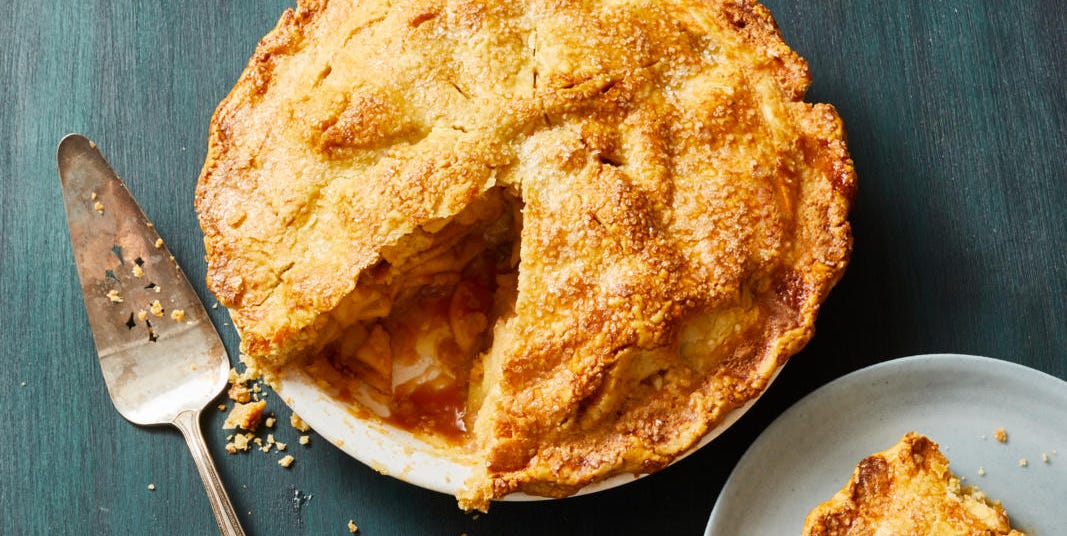
Cold apple pie has its loyal fans, but there is something irresistible about a warm slice with a crisp, buttery crust and cinnamon-scented filling. The trouble begins when reheating turns yesterday’s beautiful dessert into a damp triangle of regret. Heat it too aggressively, and the crust burns before the apples warm. Microwave it too long, and the pastry becomes soft enough to fold into a wallet.
Fortunately, learning how to reheat apple pie is simple once you match the method to the amount of pie, its temperature, and the texture you want. A conventional oven is usually the best choice for a whole pie. A toaster oven or air fryer works wonderfully for one or two slices. A skillet can rescue a soggy bottom crust, while a microwave is the emergency option when dessert cannot wait another five minutes.
This guide explains the best apple pie reheating methods, recommended temperatures, approximate heating times, common mistakes, storage considerations, and practical tricks for making leftover pie taste remarkably close to freshly baked.
What Is the Best Way to Reheat Apple Pie?
The best way to reheat apple pie is in a conventional oven at 350°F. Moderate oven heat warms the apple filling gradually while restoring some crispness to the pastry. Covering the pie loosely with aluminum foil during most of the reheating period prevents the already-browned crust from becoming too dark.
For a refrigerated whole pie, allow approximately 15 to 25 minutes. A single slice usually needs only 8 to 12 minutes. Remove the foil during the final few minutes when the crust needs extra crisping.
The oven is not always the most efficient method, however. Heating a full-size oven for one small slice is a little like renting a moving truck to carry home a houseplant. For individual servings, a toaster oven or air fryer can produce excellent results in less time.
Apple Pie Reheating Methods at a Glance
| Method | Best For | Temperature | Approximate Time | Expected Texture |
|---|---|---|---|---|
| Conventional oven | Whole pies or several slices | 350°F | 15–25 minutes for a whole pie | Crisp crust and evenly warmed filling |
| Toaster oven | One or two slices | 325–350°F | 5–10 minutes | Crisp pastry with minimal waiting |
| Air fryer | Individual slices | 320–350°F | 3–6 minutes | Very crisp exterior |
| Skillet | A slice with a soggy bottom | Medium-low heat | 4–8 minutes | Exceptionally crisp bottom crust |
| Microwave | The fastest possible serving | 50–70% power | 20–60 seconds per slice | Warm filling but softer pastry |
Times vary with slice thickness, starting temperature, pie depth, appliance performance, and the type of baking dish. Check early rather than treating the timer as a legally binding contract.
How to Reheat Apple Pie in the Oven
The oven offers the most reliable balance of crisp pastry and evenly heated fruit. It is particularly effective for double-crust pies, lattice pies, deep-dish apple pies, and desserts being served to several people.
Reheating a Whole Apple Pie
- Preheat the oven to 350°F.
- Remove plastic wrap, storage lids, or any packaging that is not oven-safe.
- Place the pie on a rimmed baking sheet to catch bubbling filling or loose crumbs.
- Tent the pie loosely with aluminum foil. Do not press the foil against the crust.
- Heat a refrigerated pie for 15 to 25 minutes.
- Remove the foil during the final 3 to 5 minutes if the crust needs additional crisping.
- Let the pie rest for about 5 minutes before slicing.
A deep-dish pie may need closer to 25 or 30 minutes because the dense center heats more slowly. Insert a thin knife into the center for a few seconds and carefully touch the blade after removing it. A warm blade indicates that the middle is heated. A cold blade means the pie needs more time.
Reheating One Slice in the Oven
Place the slice on a small baking sheet or oven-safe plate. Heat it at 350°F for 8 to 12 minutes. Loosely covering the top for the first half of the heating time protects delicate lattice strips and exposed crimped edges.
For a crisper bottom, preheat the baking sheet with the oven, then carefully place the slice on the hot surface. The direct heat helps drive moisture from the lower crust instead of allowing it to remain soft.
How to Reheat Apple Pie in a Toaster Oven
A toaster oven is arguably the best method for reheating a single slice. It provides dry heat like a conventional oven but preheats faster and places the pastry closer to the heating elements.
- Set the toaster oven to 325°F or 350°F.
- Place the pie slice on a small tray lined with parchment paper or foil.
- Cover dark or delicate crust edges loosely with foil.
- Heat for 5 to 10 minutes.
- Check the filling before serving and add 1 or 2 minutes when necessary.
Watch the pie closely near the end. A toaster oven can move from “beautifully crisp” to “small pastry bonfire” faster than a full-size oven.
How to Reheat Apple Pie in an Air Fryer
An air fryer circulates hot air around the food, making it especially good at restoring a crisp exterior. It is ideal for one or two slices, although basket size limits how much pie can be heated at once.
- Preheat the air fryer to 320°F if your model requires preheating.
- Place the slice in the basket in a single layer.
- Heat for 3 to 5 minutes.
- Check the center and continue in 1-minute intervals if necessary.
Use a slightly lower temperature for crumb-topped or heavily sugared pies because loose streusel and sugar can brown quickly. A small piece of foil may protect the top, but it must be firmly secured so circulating air does not lift it into the heating element. Follow the appliance manufacturer’s directions regarding foil use.
Avoid overcrowding the basket. Airflow is the air fryer’s entire personality; blocking it defeats the purpose.
How to Reheat Apple Pie in a Skillet
The skillet method is excellent when the bottom crust has softened in storage. Direct contact with the pan re-crisps the base while gentle covered heat warms the filling.
- Place a dry nonstick or well-seasoned skillet over medium-low heat.
- Add the apple pie slice once the pan is warm.
- Cover the skillet loosely with a lid or foil.
- Heat for 4 to 8 minutes, checking the bottom frequently.
- Remove the cover for the final minute to release excess steam.
Do not add water. That trick can work for certain savory leftovers, but steam is not the friend of flaky pie crust. Butter is also unnecessary because the pastry already contains enough fat to crisp against the pan.
How to Reheat Apple Pie in the Microwave
The microwave is the fastest reheating method, but it produces the softest crust. Microwave energy heats moisture in the filling rapidly, and the resulting steam migrates into the pastry. The flavor remains pleasant; the crunch usually files for early retirement.
For the best possible microwave result:
- Place one slice on a microwave-safe plate.
- Cover it loosely with a microwave-safe cover or paper towel.
- Heat at 50% to 70% power for 20 to 30 seconds.
- Let it stand for 20 seconds so the heat can spread through the filling.
- Continue in 10-second intervals until comfortably warm.
Reduced power is better than a long blast on high. It lowers the risk of creating molten apples surrounded by cold pastry. To improve the texture, microwave the slice only until the refrigerator chill disappears, then transfer it to a hot skillet, toaster oven, or air fryer for a brief crisping session.
How to Reheat Frozen Apple Pie
A previously baked frozen apple pie reheats more evenly when thawed first. Move it to the refrigerator overnight, leaving it wrapped to reduce condensation on the crust. Once thawed, remove the wrapping and heat it in a 350°F oven.
Thawed Whole Pie
Tent the pie with foil and heat it for approximately 20 to 30 minutes. Remove the foil for the final 5 minutes when additional browning is desired.
Frozen Individual Slice
A frozen slice can usually go directly into a 325°F oven or toaster oven for 15 to 20 minutes. Cover the top initially, then uncover it near the end. An air fryer can also work, but start at a lower temperature so the exterior does not burn before the frozen center warms.
Never move a frozen glass pie plate directly into a hot oven unless the manufacturer specifically states that it can withstand that temperature change. Sudden thermal shock can crack or shatter the dish. Transfer the pie when possible, or thaw it gradually in the refrigerator.
How to Reheat Dutch Apple Pie or Crumb-Topped Pie
Dutch apple pie requires gentler handling because its butter-and-sugar topping can brown faster than a solid pastry lid. Reheat it at 325°F to 350°F and cover the top loosely with foil.
For a whole refrigerated Dutch apple pie, begin checking after 15 minutes. Remove the foil during the final 2 to 4 minutes to re-crisp the crumbs. An air fryer works for individual slices, but use approximately 320°F and inspect the topping after 3 minutes.
If you know the pie will be stored before serving, keeping a portion of the crumb topping separate can produce an especially crisp result. Reheat the pie, add the reserved crumbs, and briefly toast the top. Stay nearby because sugary streusel can cross the border from golden to charcoal without presenting its passport.
Should Apple Pie Be Refrigerated Before Reheating?
A standard fruit pie made with apples and sugar can generally be kept covered at room temperature for one to two days. After that, refrigeration helps maintain freshness. Apple pies containing custard, cream, significant dairy ingredients, or eggs in the filling should be refrigerated promptly. Sugar-free pies may also require refrigeration because sugar contributes to preservation.
Cover the pie tightly enough to protect it from drying and absorbing refrigerator odors. However, allow a freshly baked pie to cool before sealing it. Wrapping a hot pie traps steam, and trapped steam has one favorite hobby: making crust soggy.
Check the bakery label on commercially prepared pies because formulations and storage requirements differ. When a pie smells unusual, shows mold, has leaked extensively, or has been stored under questionable conditions, reheating does not make it safe. Heat is a useful tool, not a time machine.
Common Apple Pie Reheating Mistakes
Using Excessively High Heat
A temperature of 425°F may re-crisp pastry quickly, but it can scorch the crust before the center becomes warm. Moderate heat provides better control.
Skipping the Foil Tent
The crust was fully browned during the original bake. Protecting it during reheating prevents dark edges and dry decorative toppings.
Heating Too Long
Apple pie does not need to return to its original baking temperature. The goal is a pleasantly warm filling, not a bubbling volcanic event that requires protective eyewear.
Cutting Immediately
Resting the warmed pie for several minutes allows heat to distribute more evenly and gives the filling time to settle. It also reduces the chance of burning the roof of your mouth with cinnamon lava.
Adding Ice Cream Too Early
Reheat the pie before adding ice cream, whipped cream, caramel sauce, or cheese. Otherwise, the topping melts while the pie remains cold, producing dessert soup with a pastry island.
How to Keep the Crust Crisp While Reheating
The key to crisp crust is controlling moisture. Use dry heat, avoid sealing the pie tightly during reheating, and uncover it near the end. Placing the pie on a preheated baking sheet can improve the bottom crust by delivering immediate heat to its base.
Do not brush leftover pie with water or cover it so tightly that steam cannot escape. If the filling is already very juicy, reheat individual slices rather than the entire pie. More of each slice will be exposed to circulating heat, allowing moisture to evaporate faster.
For severely soggy pastry, combine methods: warm the slice gently in the microwave for 15 to 20 seconds, then crisp it in a dry skillet or air fryer. This hybrid approach saves time without surrendering texture.
How to Tell When Reheated Apple Pie Is Ready
The filling should be warm in the center, the crust should smell buttery and toasted, and the bottom should feel firm rather than damp. The pie does not need to be piping hot unless that is your preference.
For a whole deep-dish pie, check more than the outer edge. The rim warms first, while the center can remain refrigerator-cold. A thin knife or food thermometer inserted into the central filling provides a more accurate check. Avoid touching the metal pie plate when testing; it may be much hotter than the filling.
Practical Apple Pie Reheating Experiences
Real kitchens rarely provide laboratory conditions. Pie slices differ in size, ovens run hot or cool, and somebody has usually removed the neatest piece before reheating begins. Still, several practical patterns consistently improve the experience.
Experience One: The Holiday Whole-Pie Situation
A common holiday scenario involves a refrigerated pie that must be served after the main meal. Putting it in a 350°F oven while the dinner dishes are being cleared generally works well. A loose foil tent protects the decorative crust, and 15 to 20 minutes is often enough for a standard 9-inch pie.
The useful lesson is to start checking before guests finish debating who should make the coffee. Waiting until dessert is officially announced creates unnecessary pressure and encourages the use of high heat. Gentle reheating performed a little early is more forgiving. The pie can rest for several minutes and still remain pleasantly warm.
Experience Two: The Late-Night Single Slice
For one refrigerated slice, the toaster oven usually offers the best compromise. In a typical kitchen, a slice heated at 350°F for about 7 minutes develops a crisp edge while the apples become warm and fragrant. The same slice may need only 4 or 5 minutes if it began at room temperature.
This method also avoids heating the entire kitchen for one serving. That matters in warm weather, when turning on a full-size oven for dessert can make the room feel as though the apple pie has opened a sauna.
Experience Three: The Microwave Emergency
Sometimes patience is not available. A child wants dessert immediately, a meeting begins in three minutes, or the final slice is being guarded like a national treasure. The microwave is acceptable when used carefully.
The disappointing experience usually comes from heating a slice on full power for a minute or longer. The filling becomes dangerously hot, while the crust turns rubbery at the edges and wet underneath. Better results come from 20 seconds at reduced power, a brief rest, and another 10 seconds only when needed.
Placing the warmed slice in a dry skillet for another minute dramatically improves the bottom. It is an extra step, but still faster than waiting for a conventional oven to preheat.
Experience Four: The Air-Fryer Surprise
Many people first use an air fryer for french fries or chicken, then discover that it is unusually effective for reheating pastry. A chilled apple pie slice often needs only 3 to 5 minutes at about 320°F to 340°F.
The first attempt may produce an overly dark top because the heating element sits close to the food. Lowering the temperature and checking early solves the problem. Crumb-topped pie requires particular attention because small pieces of streusel toast quickly.
Experience Five: The Soggy Bottom Rescue
Refrigerated pie often develops a soft lower crust as moisture migrates from the apples into the pastry. Reheating the slice on a cold baking sheet may warm it without solving the texture problem.
A better experience comes from using a preheated sheet pan, pizza stone, or dry skillet. Direct heat firms the bottom while the top remains protected. The skillet is especially convenient because progress can be checked by gently lifting the slice with a spatula.
Experience Six: Serving Pie à la Mode
Warm pie and vanilla ice cream are a classic pairing, but temperature balance matters. Extremely hot filling melts the ice cream instantly, while barely warm pie fails to create the desired contrast. Letting reheated pie rest for 3 to 5 minutes produces a better result: warm apples, crisp pastry, and ice cream that softens slowly instead of disappearing into a vanilla puddle.
The broad lesson from these situations is that reheating apple pie is not about applying maximum heat. It is about giving the filling enough time to warm while protecting the crust from moisture and over-browning. Moderate temperatures, short checks, and the correct appliance for the portion deliver the most dependable results.
Final Thoughts
The conventional oven remains the best way to reheat a whole apple pie because it warms the filling evenly and restores the crust’s flaky texture. Use 350°F, tent the top with foil, and begin checking a refrigerated pie after approximately 15 minutes.
For individual slices, choose a toaster oven or air fryer when crispness matters. Use a skillet to rescue a damp bottom crust, and reserve the microwave for situations where speed matters more than perfect pastry. Whichever method you select, gentle heat and frequent checking are far more effective than blasting the pie until it begs for mercy.
Note: Reheating times are estimates. Appliance performance, pie thickness, baking-dish material, filling ingredients, and starting temperature can change the required time. Follow package directions for commercially prepared pies and refrigerate apple pies containing eggs, cream, custard, or other perishable ingredients promptly.