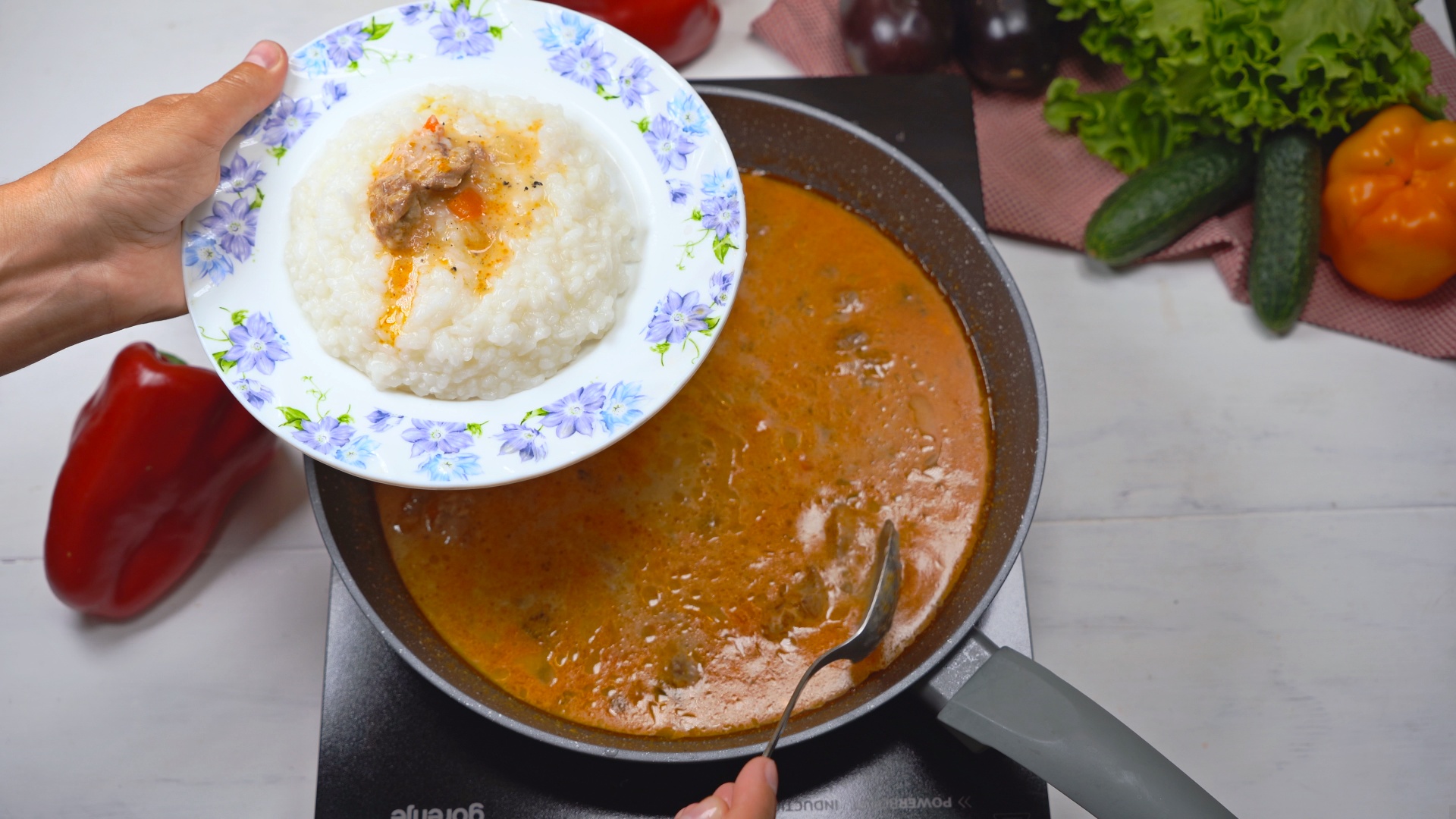
If you have ever taken one confident bite of curry and immediately started negotiating with your own tongue, welcome. You are not alone. One extra spoonful of curry paste, one overly enthusiastic shake of cayenne, or one “these chilies don’t look that serious” decision can turn dinner into a personal growth exercise.
The good news is that a curry that is too spicy is usually not ruined. It is just asking for better balance. In most cases, you can rescue it without throwing away the pot, your groceries, or your dignity. The trick is knowing which fix matches which kind of curry. A creamy Thai curry needs a different approach than a thick tomato-based masala, and a dry curry needs different backup than a soupy stew.
In this guide, you will learn how to reduce spiciness in a curry without flattening the flavor. We will cover quick fixes, smarter long-game solutions, what not to do, and how to prevent the issue next time. Because yes, you can save your curry. No, you do not have to pretend you “meant it to be bold.”
Why Curry Gets Too Spicy in the First Place
Before fixing the problem, it helps to know what caused it. Curry can become too spicy for several reasons. Sometimes the heat comes from fresh chilies, dried chili flakes, chili powder, curry paste, hot paprika, or cayenne. Sometimes the culprit is not the amount of spice but the concentration. As the curry simmers, liquid reduces, and the heat becomes more intense. A dish that tasted fine 20 minutes ago can suddenly start breathing fire.
Different curry styles also carry heat differently. Thai green curry can hit fast and sharp. Red curry often feels warmer and deeper. Indian-style curries may build heat more slowly, especially when chili powder and garam masala work together. Coconut-based curries can seem milder at first, then sneak up on you like a very polite dragon.
The goal is not to erase all spice. Curry should have personality. You just want to bring it back from “pleasantly warm” to “I can still feel my face.”
The Best Ways to Reduce Spiciness in a Curry
1. Dilute the Curry With More Base Ingredients
The most reliable way to reduce spiciness in a curry is simple math: if the spicy ingredients are too concentrated, increase everything else. Add more onions, tomatoes, broth, coconut milk, stock, cooked vegetables, beans, or protein, depending on the recipe. This spreads the heat across a larger volume of food.
For example, if your chicken curry is too hot, add more cooked chicken, extra tomato puree, and a splash of stock. If your vegetable curry is too spicy, toss in more potatoes, carrots, cauliflower, peas, or chickpeas. You are not masking the heat so much as giving it more room to sit down and behave.
This is often the smartest fix because it preserves the curry’s original flavor profile. The downside is obvious: you now have more curry. Frankly, that sounds like a reward, not a punishment.
2. Stir In Dairy or a Creamy Ingredient
If you need an immediate heat reduction, creamy ingredients are your best friend. Yogurt, heavy cream, half-and-half, sour cream, coconut milk, coconut cream, cashew cream, peanut butter, almond butter, or even a little cream cheese can soften the burn and round out the flavor.
This works especially well because spicy compounds are more easily mellowed by fat and creamy textures than by plain water. For Indian-style curries, plain full-fat yogurt or cream is often the best fit. For Thai curries, coconut milk or coconut cream is the natural move. For peanut-forward curries, a spoonful of peanut butter can be a small miracle in a jar.
One caution: add dairy carefully and at lower heat so it does not split. Stir in a little, taste, and repeat. Dumping in half a carton of cream all at once may fix the heat but leave you with something that tastes less like curry and more like confused soup.
3. Add a Starchy Ingredient to Absorb and Balance Heat
Starch is not flashy, but it is a tremendous team player. Potatoes, sweet potatoes, rice, lentils, and even a side of naan can make a spicy curry feel dramatically more manageable. In a loose curry, add diced potatoes and simmer until tender. In a thick curry, serve it over a generous scoop of rice. For a quick rescue, even a side of plain bread can help tame the overall bite.
Starchy ingredients do two useful things. First, they dilute the spice by increasing the total amount of food. Second, they give your palate something mild to alternate with each spicy bite. That is why curry and rice are such a perfect pair. It is not just tradition. It is strategy.
Sweet potatoes are particularly useful if your curry is both spicy and slightly bitter. They add body, sweetness, and a little elegance. Regular potatoes are more neutral and work beautifully in both Indian and Thai styles.
4. Add a Small Amount of Sweetness
Sweetness can help balance a curry that tastes aggressively hot, but this is a “tiny spoon, big consequences” situation. A little sugar, honey, maple syrup, brown sugar, palm sugar, or even extra tomato sauce can round out sharp heat. Too much, and your curry starts tasting like dessert with trust issues.
This technique works best when the curry already has naturally sweet elements such as coconut milk, tomatoes, carrots, onions, or squash. In a Thai red curry, a pinch of sugar can smooth things out. In a tomato-heavy masala, a small amount of sugar can calm both the chili heat and the acidity.
The keyword here is small. Add a little, stir, taste, wait 30 seconds, then decide. Curry is not the place for reckless optimism.
5. Use Acid Carefully for Balance, Not as a Magic Eraser
A squeeze of lime, lemon juice, or a splash of vinegar can brighten a curry and make the heat feel more balanced, especially if the dish tastes heavy, muddy, or flat. Acid does not usually “cancel out” spice on its own, but it can make the whole dish taste fresher and less overwhelming.
This works particularly well in rich curries that need contrast. A Thai curry with extra coconut milk may perk up with lime. A creamy tomato curry may benefit from a small spoonful of yogurt plus a touch of lemon. The danger is adding too much acid and turning a comforting curry into something sharp and disjointed. Think of acid as a finishing adjustment, not the main rescue plan.
6. Remove the Heat Source if You Can Still See It
If the curry contains whole dried chilies, sliced fresh chilies, or visible chili flakes, remove them as soon as possible. This will not undo the heat already released into the sauce, but it can stop the curry from getting hotter as it sits. If you used too much curry paste and catch the problem early, add more base ingredients right away before the paste fully dominates the pot.
This is one of those obvious tips people forget because they are busy panicking. Put down the spoon, find the chilies, and escort them out.
Best Fixes by Curry Type
Tomato-Based Indian Curry
For tikka masala, butter chicken, chicken curry, or chana masala that got too spicy, your best options are cream, yogurt, butter, tomato puree, extra onions, and starch. Potatoes and chickpeas also work nicely. If the curry tastes both hot and acidic, add a little cream and a pinch of sugar rather than more lemon.
Thai Coconut Curry
For red, green, or yellow curry, start with coconut milk or coconut cream. Then add more vegetables, tofu, chicken, or broth if needed. Serve it over more rice than usual. A touch of sugar and a squeeze of lime can help rebalance the dish after the heat drops. Green curry tends to run hotter, so you may need a larger adjustment.
Dry or Thick Curry
If your curry is more like a thick masala or a dry stir-fried curry, add moisture and fat together. A spoonful of yogurt, a little coconut milk, or a bit of cashew paste can help. Serve with rice, flatbread, or cucumber raita. A dry curry has less liquid to disperse the heat, so even a small change can make a big difference.
What Not to Do When a Curry Is Too Spicy
First, do not just add water and hope for wisdom. Water may thin the curry, but it can also dilute the flavor and leave the heat strangely intact. If you do add liquid, use stock, coconut milk, or tomato puree so the curry still tastes like itself.
Second, do not add random spices in a panic. More turmeric, cumin, or coriander will not necessarily fix the heat. They may simply create a crowded, muddy flavor. Rescue is about balance, not chaos.
Third, avoid overcorrecting with sugar. A tiny bit can help. A lot can make the dish weird. If your curry starts tasting like spicy candy, things have gone off the rails.
Finally, do not judge the curry too soon. After each adjustment, let it simmer for a few minutes and taste again. Curry changes as ingredients blend. You want a measured fix, not a chain reaction of kitchen regret.
How to Prevent a Curry From Getting Too Spicy Next Time
The easiest way to fix a spicy curry is to avoid making it too spicy in the first place. Groundbreaking, I know. Start with less chili or curry paste than the recipe calls for, especially if you are using a new brand. Heat levels vary wildly. One brand’s “medium” is another brand’s “call a lawyer.”
Taste early and often. Add chilies in stages instead of all at once. If you are using fresh chilies, remove the seeds and membranes for a gentler heat. Choose yellow curry paste when you want something milder, and be cautious with green curry paste, which often packs the most punch.
It also helps to build flavor with aromatics and warm spices, not just heat. Onion, garlic, ginger, cumin, coriander, turmeric, fenugreek, and cinnamon can make a curry taste rich and complex without turning it into a dare.
Real-World Curry Rescue Experiences
Anyone who cooks curry more than twice eventually has a story. Mine started with a Thai red curry that looked innocent in the pan and tasted like it had a grudge. I had used a new curry paste, and in a moment of false confidence, I treated it like the mild brand I usually buy. Rookie move. The first spoonful was delicious for exactly one second, and then the heat hit like a marching band.
What saved that curry was coconut milk, extra bell peppers, and more chicken. Not glamorous. Not revolutionary. Just practical. The amazing part was how quickly the dish came back into balance. The curry did not become bland. It just became edible by people who enjoy dinner and would prefer not to see through time.
Another time, I made a tomato-based chicken curry for a small dinner and got a little too cheerful with the chili powder. The sauce was thick, rich, and absolutely determined to destroy conversation. This time, cream helped, but not enough on its own. The better fix was adding more tomato puree, a spoonful of yogurt, and serving it with a lot more basmati rice than originally planned. Suddenly, everyone was happy again, and I casually pretended this had been the intention all along.
One of the most useful lessons from these kitchen saves is that the best fix depends on what the curry already wants to be. A Thai curry usually wants coconut milk, lime, and vegetables. An Indian-style curry often welcomes yogurt, cream, tomatoes, butter, or chickpeas. A spicy lentil curry may just need more lentils and broth. Rescue works best when it feels like a natural extension of the recipe rather than a desperate science experiment.
There is also a psychological side to fixing spicy curry. When a dish goes sideways, the first instinct is often panic, followed by random ingredient grabbing. That is how people end up adding sugar, vinegar, milk, and extra cumin in the same ten-minute span and then wondering why dinner tastes confused. The calmer approach is better: pick one direction, test it, taste, and adjust. Curry is forgiving when the cook is patient.
I have also learned that side dishes are not a backup plan; they are part of the strategy. Rice, naan, cucumber salad, yogurt sauce, or even a simple spoonful of plain yogurt can rescue the eating experience even when the curry itself is still a touch hot. You do not always have to “fix the pot” completely. Sometimes you just have to serve it smarter.
And then there is the humble potato. The potato deserves a medal for everything it quietly fixes in this world. In more than one spicy curry emergency, I have added diced potato, simmered for fifteen minutes, and watched the dish go from fiery to friendly. Potatoes do not ask for praise. They just show up and do the work.
The biggest lesson of all is this: a spicy curry is rarely a failure. It is usually just unfinished. A dish that is too hot can often become richer, creamier, fuller, and even better than the original plan once you rebalance it. So if your curry comes out hotter than expected, do not give up. Take a breath, grab the coconut milk or yogurt, put on some rice, and remember that this is not a disaster. It is just dinner asking for a rewrite.
Conclusion
If you are wondering how to reduce spiciness in a curry, the answer is balance, not panic. The most effective fixes are adding more base ingredients, using creamy elements like yogurt or coconut milk, pairing the curry with starch, and adjusting with small amounts of sweetness or acid when needed. The exact method depends on the style of curry, but the principle stays the same: soften the heat without losing the soul of the dish.
So the next time your curry comes in a little too hot, remember this: you do not need to throw it out, apologize to the table, or start Googling “how long does mouth fire last.” You just need a few smart ingredients and a calmer spoon.