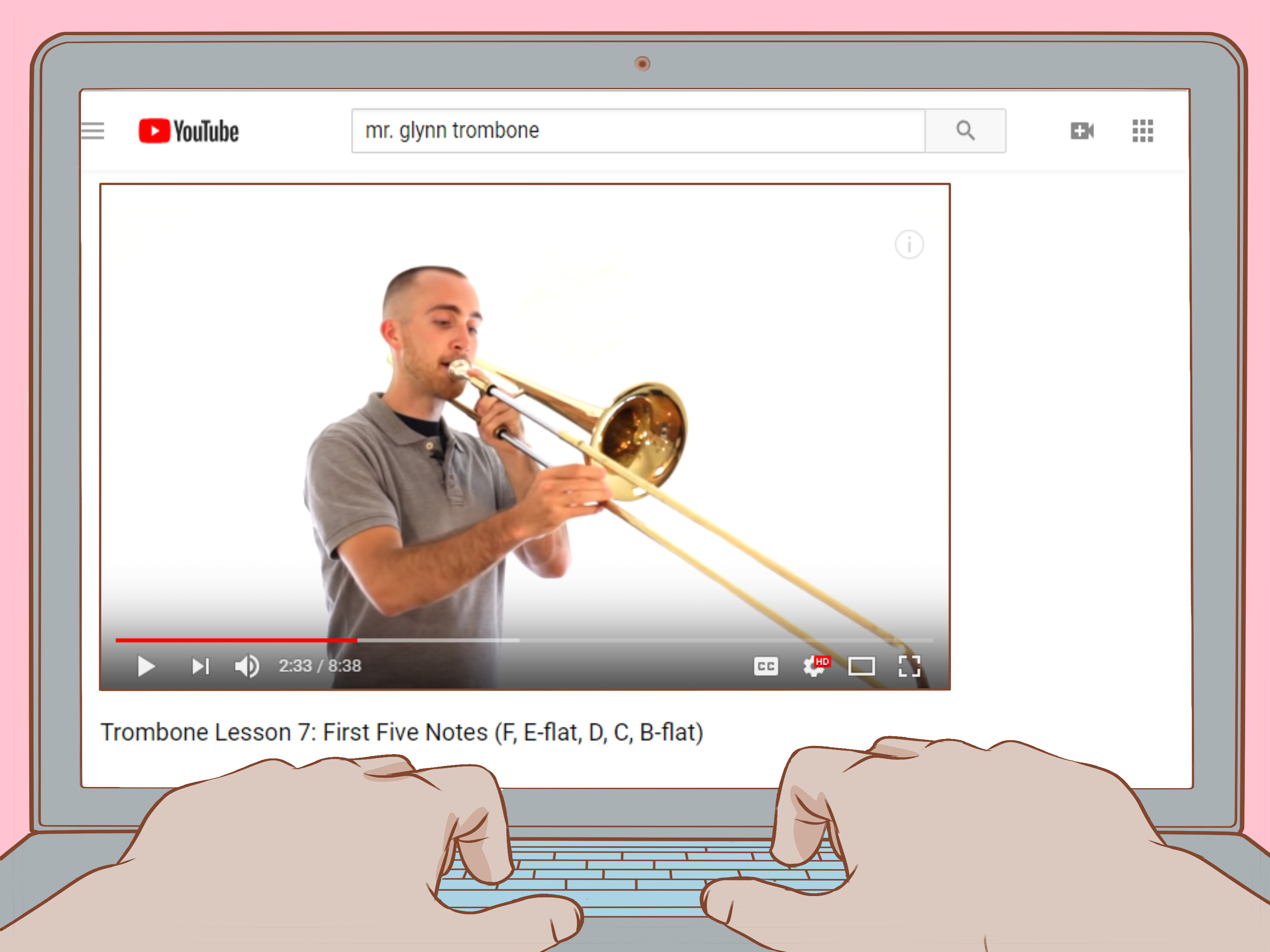
If you have ever looked at a trombone and thought, “Ah yes, the brass instrument with a built-in lightsaber handle,” welcome. The trombone is bold, expressive, a little dramatic, and wildly fun once you get past the first few squeaks. Learning how to play the trombone is not just about moving a slide and hoping for the best. It is about breath, posture, timing, pitch, and training your face muscles to cooperate before your neighbors file a complaint.
The good news? A beginner can make real progress fast with the right approach. Whether you are picking up a student model for school band, teaching yourself the basics, or returning to brass after a long break, this guide will walk you through the essentials. We will cover how to hold the instrument, make your first sound, learn slide positions, improve tone, avoid common mistakes, and build a practice routine that actually works.
Start with the Right Trombone Mindset
Before you play a single note, know this: the trombone is a pitch-flexible instrument. That is both its superpower and its prank. Unlike a trumpet, which gives you valves, the trombone gives you responsibility. You control pitch by moving the slide to the correct spot, and those spots are not painted on like parking lines at a grocery store. That means your ear matters from day one.
For most beginners, a B-flat tenor trombone is the standard place to start. It is the most common model in school bands, jazz ensembles, and concert groups, and it teaches the slide technique every trombonist needs. Once you grow into the instrument, you may explore an F-attachment trombone, bass trombone, or specialized setups, but the basic tenor is the usual launchpad.
How to Hold a Trombone Without Looking Like You Are Wrestling It
Good trombone playing begins with good posture. That sounds boring, but posture is what allows you to breathe fully, move the slide quickly, and avoid turning your upper body into a knot of tension. Sit toward the front half of the chair with your feet flat, your spine tall, and your shoulders relaxed. If you are standing, keep your feet about hip-width apart and stand as if someone just told you there is free pizza across the room.
Do not slump left. Many beginners let the trombone pull them sideways or rest the bell on the shoulder. That shortcut creates tension, blocks airflow, and makes slide movement clumsy. Bring the trombone to your body, not your body to the trombone.
Left Hand Position
Your left hand supports the weight of the instrument. It should feel stable, not strangled. Keep the wrist fairly straight and the grip secure, but avoid squeezing the horn like it owes you money. The instrument should rest naturally without forcing your shoulder upward.
Right Hand Position
Your right hand moves the slide. That is its only job, and it should not be forced into carrying the instrument’s weight too. Hold the slide brace lightly with the thumb and first two fingers. Avoid a full fist grip. A tight fist makes the wrist rigid, slows down position changes, and turns smooth playing into mechanical chaos.
Also, give the trombone room to exist. Keep the stand positioned so the slide can move freely, and do not aim your bell directly into the sheet music. Your sound deserves better than a face-first collision with a metal stand.
Make Your First Sound: Air First, Then Buzz
If you want to learn how to play the trombone well, start with the breath. Brass playing is powered by air, not by lip panic. Take a full, relaxed breath through the mouth. Think low and open, not shallow and nervous. Your chest and torso should expand naturally. Then blow a steady stream of air as if you are fogging a window, only with a bit more focus and purpose.
Now for the embouchure, which is the fancy word for how your lips, chin, and surrounding muscles work together on the mouthpiece. A beginner-friendly setup is simple: bring the lips together as if saying “M,” keep the corners firm, the center relaxed, and the jaw open enough to avoid pinching. Then let the air create a gentle buzz.
That word “gentle” matters. Your first buzz should not sound like an angry lawn tool. It should feel centered, easy, and steady. Many teachers recommend light mouthpiece buzzing in small doses because it helps beginners find efficient vibration and a clear tone. Once you can buzz, place the mouthpiece on the lips and transfer that same feeling to the full instrument.
Your First Note
Most beginners start with an easy mid-range note in first position. Blow a full, steady stream of air and let the lips vibrate. Do not jam the mouthpiece into your face. Do not pinch your lips together like you are trying to hide a secret. And do not quit just because the first sound resembles a goose with stage fright. That is not failure. That is brass.
Learn the Seven Slide Positions
The trombone’s slide positions are the map of the instrument. On a standard tenor trombone, there are seven main slide positions, each lowering the pitch by a half step as the slide moves outward. First position is all the way in. Seventh is the farthest standard reach out. In real playing, exact placement shifts slightly for tuning, which is why your ear must develop alongside your arm.
At the start, use physical reference points to help you find the positions. Second and fourth can be located using the outer slide as a visual guide. Third, fifth, sixth, and seventh often become easier once you learn how the hand brace lines up and how each position feels in your arm. But no visual trick replaces listening. A tuner can help, but your ears are the real boss.
Why Beginners Miss Notes
Most pitch problems happen for one of three reasons:
- The slide is in the wrong place.
- The air is weak or inconsistent.
- The player is trying to “lip” the note into tune instead of moving the slide.
That last one is common. If a note sounds off, do not try to bully it into place with your face. Move the slide. The trombone rewards accurate motion, not stubborn optimism.
Tonguing and Articulation: How Notes Actually Start
Once you can play a steady long tone, the next step is articulation. This is how you begin notes cleanly. On trombone, the tongue acts like a valve that briefly releases the air. A good beginner cue is to think “too,” “toh,” or “do.” For low brass, “toh” and “do” often help produce a fuller, less pecky sound.
The key is this: the tongue starts the note, but the air keeps it alive. Do not stop the air between every note unless the music specifically calls for that effect. Too many beginners tongue with the throat, chop the airflow, or over-attack every note as if each one is entering a boxing ring.
Two Easy Articulation Drills
Drill 1: Repeated notes. Play four quarter notes on the same pitch in first position. Keep the air steady and let the tongue lightly separate the notes.
Drill 2: Move and tongue. Alternate between two nearby notes in different positions. Focus on clean attacks and quick slide movement so you do not smear the sound unless you want a real glissando.
Build a Better Tone with Long Tones and Lip Slurs
If you want a rich trombone tone, long tones are your best friend. They are not flashy, but they work. Hold notes for several beats and aim for a sound that is steady, centered, and resonant from start to finish. Listen for wobbling, tension, airy noise, or sagging pitch. Then fix one thing at a time.
Lip slurs are just as important. These exercises move between notes without using the tongue, teaching you to navigate the harmonic series with air, embouchure, and minimal tension. Start slowly. Keep the sound smooth. Think of the phrase as sung, not punched.
A basic warm-up might include:
- Full relaxed breathing
- A little gentle mouthpiece buzzing
- Long tones in the middle register
- Easy lip slurs
- Simple scales or familiar tunes
This sequence helps your body shift from everyday breathing to playing breathing, which is a fancy way of saying your trombone does not care how relaxed you were five minutes ago while scrolling your phone.
Practice Smarter, Not Longer and Grumpier
A good trombone practice session should be focused, musical, and manageable. For a beginner, twenty to thirty minutes of concentrated daily practice can produce excellent progress. Short, consistent practice beats one giant weekly marathon where your chops give up halfway through and your slide starts judging you.
What to Practice
- Tone: long tones and breathing
- Technique: slide accuracy, scales, and lip slurs
- Articulation: repeated notes and simple patterns
- Musicianship: rhythm, phrasing, and listening
- Repertoire: songs, etudes, or band music
One of the best habits you can build is to sing first, then play. If you can hear the phrase clearly, you are more likely to play it in tune and with musical shape. The trombone is not just a tube with opinions. It is a singing instrument, and the more vocal your concept of sound becomes, the better you will play.
Common Beginner Mistakes to Avoid
1. Gripping the Slide Too Hard
This kills flexibility and slows position changes. Keep the right hand light and agile.
2. Resting the Bell on the Shoulder
That creates collapsed posture and poor airflow. Support the horn properly with the left hand.
3. Using Too Little Air
The trombone likes generous, steady airflow. Thin air usually creates thin sound.
4. Moving the Slide Too Slowly
Unless you are playing an intentional glissando, slow slide motion between notes causes unwanted smears.
5. Letting Frustration Lead the Lesson
Some days your tone will feel amazing. Some days it will sound like a foghorn learning manners. That is normal. Progress on brass is rarely linear, but it is absolutely real with consistency.
Trombone Care Matters More Than Beginners Expect
A dirty trombone is a grumpy trombone. If the slide feels sluggish, your technique will suffer even if your playing is solid. Daily care is simple: empty the water key, wipe off moisture and fingerprints, and lubricate the main slide as needed. Weekly or regular cleaning should include the mouthpiece and slide tubing. Periodic deep cleaning helps remove built-up grime and keeps the instrument responsive.
One major warning: the trombone slide is delicate. Do not lean the horn against a chair. Do not bump the slide into stands, walls, siblings, or reality. Even light damage can make the slide drag or bind. Use the slide lock when storing the instrument, handle the slide carefully during cleaning, and rest the trombone safely if you need to set it down.
What Playing the Trombone Actually Feels Like
Here is the part many beginner guides skip: the experience of learning trombone is wonderfully weird. On day one, first position feels manageable, second position feels reasonable, and sixth position feels like your arm has been sent on a separate mission. At first, the instrument can seem physically awkward, because one hand holds the horn, the other hand is responsible for pitch, and your face is somehow supposed to produce beauty in the middle of all this. It is a lot. And yet, after a little time, the awkwardness becomes coordination.
Most new players remember the first moment the trombone truly resonates. Not squeaks. Not air. Not a note that sounds like a confused cow in a parking garage. A real note. The sound fills the room, the bell vibrates a little, and suddenly the instrument stops feeling like a shiny plumbing project and starts feeling like music. That moment hooks people.
There is also a very specific beginner joy in learning that the trombone can be both noble and hilarious. One minute you are playing a warm, lyrical phrase that sounds almost orchestral. The next minute you accidentally overshoot sixth position and produce something fit for cartoon sound design. Oddly enough, that mix of dignity and chaos is part of the charm.
As your skills improve, your ears start changing too. You begin to notice when a note sits in tune instead of merely existing near the neighborhood of the pitch. You notice that cleaner articulation makes the whole phrase feel more confident. You notice that when your breathing is calm, everything else works better. The instrument starts teaching patience. It also teaches honesty, because a trombone does not hide much. If your posture is off, it tells you. If your slide is lazy, it tells you. If your air is weak, it absolutely tells you.
Playing with other musicians adds another layer of experience. In a band or orchestra, the trombone section often feels like a team sport. You learn to match articulation, blend tone, and breathe together. In jazz, you discover a different personality altogether: slides, style, punch, swagger, and more room for expressive color. That versatility is one reason people stick with the instrument for years. The trombone can croon, bark, shimmer, or roar depending on who is holding it and what the music needs.
Perhaps the best part of learning trombone is that progress is easy to hear. A better long tone sounds better immediately. A cleaner slur feels smoother right away. A more accurate slide position locks in with satisfying clarity. Improvement is not abstract. It is audible, physical, and motivating.
So yes, the first weeks may include odd noises, tired lips, and the occasional moment of looking at the slide and thinking, “Surely there was an easier instrument.” But then the sound opens up, the positions start making sense, and the horn begins to feel like an extension of your musical voice. That is when the trombone becomes less of a challenge and more of a companion. A loud, expressive, gloriously slide-powered companion.
Final Thoughts
If you want to learn how to play the trombone, focus on the fundamentals: relaxed posture, full breathing, a balanced embouchure, accurate slide movement, clean articulation, and regular maintenance. Those basics are not glamorous, but they are what build a player with a great sound. Start slow, listen carefully, and do not confuse noise with progress. The best trombonists are not the ones who rush. They are the ones who build smart habits and let the instrument teach them over time.
And remember: every excellent trombone player once made a terrible first note. The difference is that they made a second one.