Few winter rituals feel more unfair than stepping outside with a coffee in one hand, car keys in the other, and discovering your windshield has turned into a frosted sheet cake. Suddenly, your morning commute becomes an Olympic event: the 7:12 a.m. windshield scrape, performed in dress shoes, freezing wind, and quiet regret.
The good news? You can dramatically reduce, and sometimes completely avoid, windshield scraping by changing what happens before the ice forms. The secret is not one magic gadget or a suspicious internet hack involving vegetables, boiling water, or wishful thinking. It is a simple winter routine built around prevention, moisture control, smart parking, proper defrosting, and a few inexpensive tools that do the boring work while you sleep.
This guide explains how to never scrape your windshield againor at least get so close that your ice scraper starts feeling emotionally neglected. You will learn how frost forms, what actually prevents it, which shortcuts can damage your glass, and how to build a morning system that saves time, protects visibility, and keeps winter from bullying your windshield.
Why Windshields Freeze in the First Place
To beat windshield ice, it helps to understand the enemy. Frost forms when moisture in the air settles on your windshield and freezes. It often happens overnight because glass loses heat quickly, especially under a clear sky. Even when the air temperature is slightly above freezing, your windshield surface may still become cold enough for frost to appear.
Ice buildup is different from light frost. It can come from freezing rain, wet snow, condensation that refreezes, or melted snow that turns solid again after the temperature drops. That is why one morning brings a delicate white dusting, while another gives you a windshield that looks like it was glazed by a pastry chef with a grudge.
The main goal is simple: stop moisture from touching the glass, reduce interior humidity, and keep the windshield surface less exposed to freezing conditions. Once you think in those terms, the best solutions become obvious.
The Best Way to Never Scrape Your Windshield: Cover It
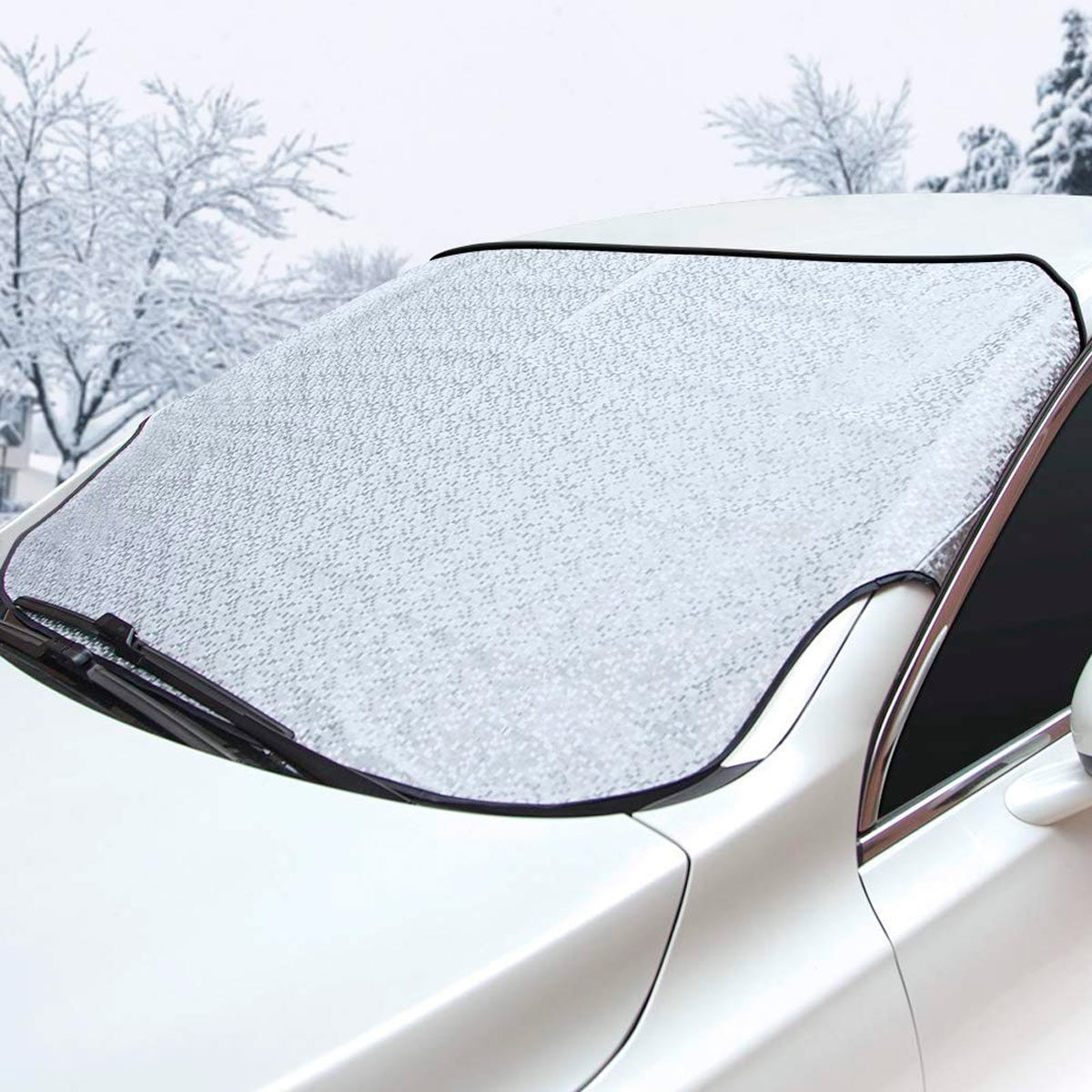
The most reliable way to avoid scraping is also the least dramatic: put a barrier over the windshield before frost, snow, or freezing rain arrives. A windshield snow cover, frost guard, tarp, old sheet, or fitted magnetic cover can prevent ice from bonding directly to the glass.
A proper windshield cover is especially useful if you park outside. Instead of standing in the cold scraping a frozen windshield, you remove the cover, shake off the snow or ice, and drive away after checking that all windows, mirrors, lights, and the roof are clear. It is not glamorous, but neither is chiseling your car like an archaeologist before school or work.
What Makes a Good Windshield Cover?
Look for a cover that fits your vehicle well and stays secure in wind. Side flaps that close inside the front doors help prevent theft and keep the cover from flying away. Magnets can help, but they should be soft-coated to avoid scratching paint. Waterproof or weather-resistant materials are better than cotton sheets in wet snow because they do not absorb as much moisture.
For occasional frost, a thick towel or old sheet can work in a pinch. For regular winter weather, a fitted windshield cover is worth the small investment. The point is not to impress your neighbors. The point is to avoid becoming the neighbor making scraping noises at sunrise.
Park Smarter: Location Can Save You From Scraping
Where you park matters. The best option is a garage or carport because it shields your windshield from open-sky cooling, frost, and precipitation. Even a covered parking space can reduce ice buildup dramatically.
If you do not have covered parking, choose your spot strategically. Parking close to a building, under a safe overhang, or near a windbreak can reduce exposure. When possible, park with your windshield facing east. Morning sunlight may help soften frost earlier, especially on clear days. It will not defeat a heavy ice storm, but it can turn a brutal scrape into a quick wipe.
Avoid parking directly under trees during icy weather. Branches can drop snow, ice, sap, and debris onto the glass. Also avoid low spots where cold air settles. In winter, your parking spot can be the difference between a calm morning and a frozen cardio workout.
Use Your Defroster the Right Way
Your car’s defroster is not just a comfort feature. It is a visibility tool. Before winter arrives, make sure the heater, defroster, rear defogger, and windshield wipers work properly. Worn wiper blades can smear slush and make a bad windshield worse.
To clear frost safely, start the engine, set the system to defrost, use warm air, and let the airflow hit the windshield. On many vehicles, the air conditioning system can help remove humidity from the cabin, even in winter. Fresh-air mode often works better than recirculating damp cabin air, especially when the inside of the glass fogs up.
Do Not Rush the Glass
The most important rule: never pour hot or boiling water on a frozen windshield. The rapid temperature change can stress the glass and turn a small chip into a long crack. A cracked windshield is a very expensive way to save three minutes.
Also avoid using metal tools, screwdrivers, keys, pocket knives, or anything sharp on the glass. They can scratch the windshield, damage seals, or chip the surface. If you still need to remove ice, use a plastic scraper designed for auto glass.
Upgrade Your Washer Fluid Before Winter
Regular washer fluid may freeze in cold weather. Before temperatures drop, switch to winter-rated windshield washer fluid with de-icer. Keep the reservoir full because drivers can go through washer fluid quickly during snow, salt, and slush season.
This one step helps prevent panic when road grime hits your windshield and your washer nozzles respond with a sad frozen cough. Winter washer fluid is not a full replacement for clearing ice before driving, but it helps maintain visibility once you are on the road.
Keep the Inside of the Windshield Clean
Many drivers focus only on the outside of the windshield, but the inside matters too. A dirty interior windshield fogs more easily because film, dust, and residue give moisture something to cling to. That fog can freeze in very cold weather, creating the annoying situation where you are scraping outside and wiping inside like your car has assigned you chores.
Clean the inside of the windshield with an automotive glass cleaner and a microfiber towel. Avoid greasy dashboard products that can create vapor and leave a film on the glass. Also remove wet floor mats, damp jackets, and snow-covered items from the cabin when possible. Less moisture inside the car means less fog and frost on the glass.
Control Cabin Moisture Like a Winter Pro
Interior moisture is one of the sneakiest causes of windshield problems. Snow from shoes melts into floor mats. Wet gloves sit on seats. Damp air gets trapped overnight. Then the temperature drops, and the inside of the windshield becomes cloudy or icy.
Use rubber floor mats in winter so you can dump out melted snow. Crack a window briefly before parking, when safe and practical, to let humid air escape. Make sure the vehicle’s vents are not blocked. Check for leaks around doors, windows, and the sunroof if your car always feels damp inside.
A reusable car moisture absorber can also help in very humid cabins. It will not perform miracles, but it can reduce the amount of moisture available to fog or freeze on glass.
Try a Safe De-Icer as a Backup, Not a Lifestyle
Commercial windshield de-icers can help loosen frost and light ice. They are useful when a cover fails, freezing rain sneaks into the forecast, or you forget to prepare the car the night before. Keep de-icer in your home or garage rather than relying on a frozen bottle buried inside the car.
Some drivers use homemade alcohol-and-water de-icing sprays. These can work because alcohol has a lower freezing point than water, but they should be used carefully. Avoid overspraying painted surfaces, rubber trim, and wiper blades. Do not use harsh mixtures every day as a substitute for better prevention. A windshield cover is gentler, cleaner, and less likely to create long-term wear.
Do Windshield Water Repellents Help?
Water-repellent glass treatments can make rain bead and roll away, and they may make light frost easier to remove because moisture has a harder time clinging evenly to the surface. However, they are not a magic anti-ice force field. Heavy frost, freezing rain, and snow can still accumulate.
Think of glass treatments as a bonus, not the main strategy. A clean windshield, winter washer fluid, good wipers, and a physical cover are more dependable. If you apply a water repellent, follow the product directions carefully and avoid getting it on paint or interior surfaces.
Lift Your WipersBut Know the Limits
Some drivers lift their windshield wipers away from the glass before snow or freezing rain. This can help prevent the blades from freezing to the windshield. However, it does not stop the windshield itself from icing, and strong wind can snap wiper arms back against the glass.
A better approach is to use a windshield cover that also protects the wiper area. If you do lift the wipers, do it gently and only when the weather conditions make sense. Never use the wipers to scrape ice. Frozen blades can tear, and the wiper motor can be strained if the blades are stuck.
Clear the Whole Car, Not Just the Windshield
Even if your windshield is clear, your job is not done if the roof, hood, lights, mirrors, and side windows are covered in snow or ice. Snow from the roof can slide onto your windshield when you brake. Ice from your vehicle can fly off and create danger for other drivers.
Use a snow brush to clear the roof, hood, trunk, lights, mirrors, license plates, and all windows. Good visibility is not just about seeing forward. You need to see beside you, behind you, and around you. A clean windshield with snow-covered side windows is still a bad winter driving plan.
The Night-Before Routine That Prevents Morning Scraping
The easiest morning windshield is prepared the night before. Here is a practical routine that takes two or three minutes:
Step 1: Check the Forecast
If frost, snow, sleet, or freezing rain is likely, prepare the windshield before bedtime. The goal is to act before moisture freezes.
Step 2: Clear Existing Moisture
Wipe away rain, slush, or wet snow from the windshield before covering it. Covering wet glass can trap moisture and make the situation messier.
Step 3: Put on the Windshield Cover
Secure the cover tightly so wind cannot lift it. Make sure it covers the lower windshield where ice often forms around the wipers.
Step 4: Empty Wet Mats When Needed
If the cabin is damp, remove or shake out wet mats. Less moisture inside means less fog and frost inside.
Step 5: Set Climate Controls Before Parking
Leave the vents ready for defrost mode so your car is prepared the next morning. This small habit saves fumbling around with controls while half-awake.
The Morning Routine: Fast, Safe, and Scrape-Free
In the morning, remove the windshield cover first and shake it away from the car. Start the vehicle and turn on the defroster. Check all windows, mirrors, lights, and the roof. If the windshield is clear, great. If there is a small amount of frost around the edges, let the defroster soften it and use a plastic scraper only where necessary.
Do not drive until you have a full field of vision. A tiny “porthole” scraped into the windshield is not enough. It may feel efficient, but it is unsafe and can be illegal in many places. Winter visibility should be boringly complete.
Common Mistakes That Make Windshield Ice Worse
Many windshield problems come from habits that seem helpful but backfire. The biggest mistake is using hot water. Another is attacking the glass with metal tools. A third is turning on the wipers before checking whether they are frozen to the windshield.
Another common mistake is ignoring old wiper blades. Brittle blades leave streaks, chatter across the glass, and fail right when you need them most. Replace worn blades before winter storms arrive. Consider winter wiper blades if you live where snow and ice are regular guests.
Finally, do not assume a clear windshield means the car is ready. Clear the roof and lights too. Winter driving is a visibility system, not a windshield-only project.
Best Tools to Keep in Your Winter Windshield Kit
A good winter windshield kit does not need to be fancy. Keep a fitted windshield cover, plastic ice scraper, snow brush, microfiber towel, winter washer fluid, and a small bottle of de-icer available. Add gloves because frozen fingers make every task feel personal.
For people who park outside daily, the windshield cover is the star. The scraper is the backup singer. The de-icer is the emergency guest appearance. When you organize your tools this way, you stop relying on scraping as the main event.
Can You Truly Never Scrape Again?
In mild frost conditions, yes, a good cover and smart parking can make scraping almost unnecessary. In serious freezing rain, heavy snow, or rapidly changing temperatures, you may still need a little help from the defroster, brush, or scraper. The realistic goal is not to pretend winter does not exist. The goal is to stop starting every cold morning with a glass-chipping battle.
With the right routine, most mornings become simple: remove the cover, clear the rest of the car, defrost briefly, and go. That is a major upgrade from scraping until your shoulders file a complaint.
Real-Life Experience: What Actually Works on Miserable Mornings
The best windshield strategy is the one you will actually use when it is dark, cold, and your motivation is still under a blanket. In real life, the most effective habit is making prevention easier than scraping. That means keeping the windshield cover in the same place every evening, not buried in the trunk under reusable grocery bags and one mysterious extension cord.
One practical approach is to treat the cover like locking the door. When you park for the night and the forecast looks frosty, you automatically put it on. No debate. No “I’ll probably be fine.” Winter loves optimism, especially the kind that forgets to check the temperature.
Drivers who park outdoors often notice that a cover works best when the windshield is already clean. If the glass has road salt, muddy spray, or oily film on it, moisture sticks more easily. A quick windshield cleaning once or twice a week can make frost prevention more effective. It also makes night driving safer because headlights create less glare on clean glass.
Another experience-based tip: do not wait until the first big storm to test your winter setup. Try the cover on a calm evening. Make sure the doors close properly over the flaps. Check that the cover does not block sensors or snag on wipers. Learn how to fold it when it is wet, because folding a frozen cover at 7 a.m. is a personality test nobody requested.
For people with no garage, parking position becomes surprisingly important. Facing east can help on sunny mornings. Parking beside a building can reduce wind exposure. Avoiding open lots can make a noticeable difference. It is not always possible, but when you have choices, choose the spot that gives the windshield the most protection.
Inside the car, moisture control is the hidden hero. Wet mats, snowy boots, damp gym clothes, and half-frozen umbrellas all add humidity. That moisture later becomes fog or frost. Rubber mats are easier to empty than carpet mats, and a microfiber towel kept in the door pocket can quickly wipe interior condensation before it becomes a bigger problem.
The defroster routine matters too. Blasting random heat while recirculating damp air is less effective than directing airflow to the windshield and using dry air. Many vehicles automatically engage air conditioning in defrost mode to remove moisture. That may feel strange in winter, but it helps clear glass faster.
Finally, keep a scraper even if your goal is to never use it. This is not defeat; it is adulthood with accessories. Freezing rain, windblown snow, and surprise weather changes can beat any prevention system. The win is needing the scraper for thirty seconds around the edges instead of ten minutes across the entire windshield.
After a few weeks, the routine becomes automatic. Cover the glass at night. Keep the cabin dry. Use winter washer fluid. Maintain wipers. Defrost properly. Avoid hot water and sharp tools. That simple system turns windshield scraping from a daily winter punishment into an occasional backup plan. Your coffee stays warmer, your hands stay happier, and your windshield stops being the villain in your morning story.
Conclusion
Learning how to never scrape your windshield again is really about prevention. Cover the glass before frost forms, park strategically, keep the inside clean and dry, maintain your defroster and wipers, and use winter washer fluid before the first storm arrives. Avoid hot water, metal tools, and rushed shortcuts that can damage your windshield or reduce visibility.
You may not defeat every winter storm, but you can make most icy mornings easier, faster, and safer. The best windshield scraper is the one you barely need. And if your future self can walk outside, remove a cover, and leave without performing frozen glass surgery, that is not just car care. That is winter wisdom.