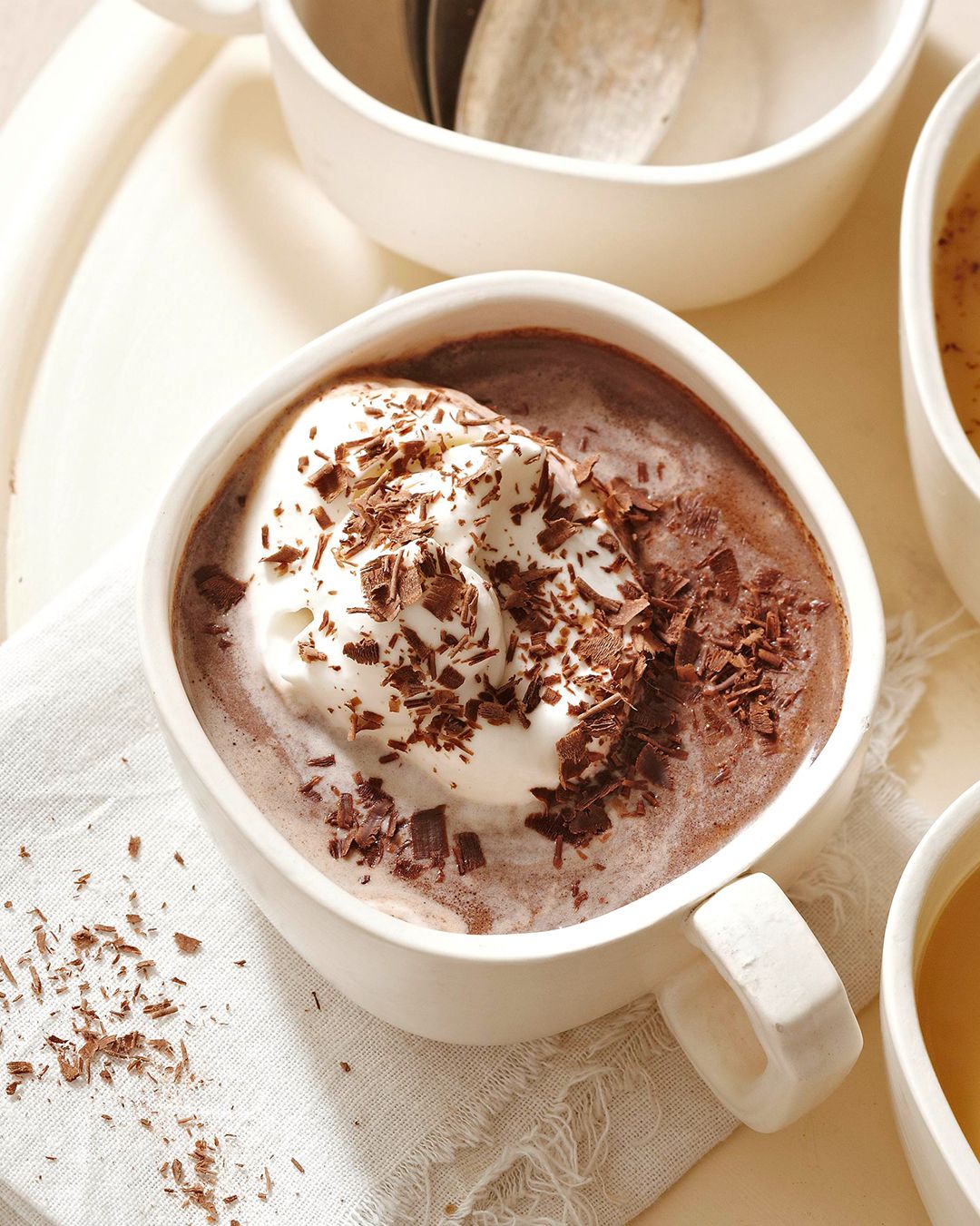
There are two kinds of people on a cold day: the ones who open a packet of hot cocoa mix, and the ones who look at that packet and think, “Surely, we can do better than this dusty little envelope of almost-chocolate.” If you are in the second groupor if you are in the first group but willing to be lovingly convertedwelcome. Learning how to make hot chocolate from scratch is one of those tiny kitchen upgrades that feels wildly luxurious without requiring a culinary degree, a copper saucepan, or a snow-covered cabin in Vermont.
Homemade hot chocolate is richer, creamier, more customizable, and far more satisfying than most store-bought mixes. Instead of depending on powdered milk, mystery sweetness, and cocoa that tastes like it once waved at a chocolate bar from across the room, you control everything: the cocoa powder, the real chocolate, the milk, the sweetness, the salt, and the toppings. The result is not just a warm drink. It is a mug-sized comfort strategy.
This guide will show you exactly how to make hot chocolate from scratch that’s better than a mix, using simple ingredients and smart technique. We will cover the best cocoa powder, why real chocolate matters, how to avoid lumps, how to make it creamy without turning it into pudding, and how to customize it for kids, guests, holidays, movie nights, or your own “I deserve something cozy” moment.
Why Homemade Hot Chocolate Beats a Mix
Packaged hot cocoa mix is convenient, and convenience deserves respect. It has carried many of us through school snow days, office break rooms, and late-night pantry emergencies. But when it comes to flavor, homemade hot chocolate wins by a landslide wearing tiny marshmallow boots.
The biggest difference is ingredient quality. Most mixes rely heavily on sugar, powdered dairy, cocoa powder, and stabilizers. Homemade hot chocolate lets you use unsweetened cocoa powder for deep chocolate flavor, chopped chocolate for body and silkiness, real milk for creaminess, and just enough sugar to balance the bitterness. You are not locked into someone else’s idea of sweet, thin, or “chocolate-adjacent.”
Another major advantage is texture. When you melt actual chocolate into warm milk, the cocoa butter gives the drink a smoother, fuller mouthfeel. Cocoa powder alone can taste bold and classic, but chocolate adds the velvet. Together, they create a cup that tastes like it came from a cozy café where the chairs are mismatched on purpose.
Hot Chocolate vs. Hot Cocoa: Is There a Difference?
People often use the terms “hot chocolate” and “hot cocoa” interchangeably, and honestly, the mug police are not coming. Still, there is a useful difference. Hot cocoa is usually made mostly with cocoa powder, sugar, and milk or water. Hot chocolate is often made with melted chocolate, sometimes with cocoa powder added for extra intensity.
For the best homemade version, use both. Cocoa powder brings strong chocolate flavor without extra fat or sweetness. Chopped chocolate brings richness, creaminess, and that luxurious melted quality. Think of cocoa powder as the bass line and chopped chocolate as the jazz solo. Together, they make the whole mug sing.
The Best Ingredients for Hot Chocolate from Scratch
1. Milk
Whole milk is the easiest choice for creamy hot chocolate because it has enough fat to feel rich without becoming too heavy. For an even more indulgent drink, replace 1/4 to 1/2 cup of the milk with half-and-half. If you prefer a lighter cup, 2% milk works well, though the texture will be slightly thinner.
For dairy-free hot chocolate, oat milk is a strong option because it has a naturally creamy texture. Almond milk works too, but it can taste thinner. Coconut milk gives a richer body and a slight tropical note, which is lovely if you are into chocolate that seems to have booked a beach vacation.
2. Unsweetened Cocoa Powder
Use unsweetened cocoa powder, not hot cocoa mix. Natural cocoa powder has a bright, classic chocolate flavor, while Dutch-process cocoa is darker, smoother, and less acidic. Either can work in hot chocolate because you are not relying on a baking reaction. Dutch-process cocoa often gives a more mellow, café-style flavor, while natural cocoa gives a slightly sharper chocolate note.
3. Real Chocolate
Chopped chocolate melts better than many chocolate chips, which are designed to hold their shape in cookies. Use semisweet or bittersweet chocolate in the 55% to 70% range for a balanced flavor. Milk chocolate can be used for a sweeter, kid-friendly version, but reduce the added sugar so the drink does not become dessert wearing a sweater.
4. Sugar
Granulated sugar is simple and reliable. Brown sugar adds a mild caramel note. Maple syrup adds warmth and a hint of complexity. Start with less sweetener than you think you need, then adjust after the chocolate melts. Hot chocolate is easy to sweeten but hard to un-sweeten, unless you own a tiny sugar vacuum, which sadly remains unavailable to most households.
5. Salt and Vanilla
A pinch of salt is not optional if you want the flavor to pop. It does not make the drink salty; it makes the chocolate taste more chocolatey. Vanilla extract rounds out the edges and gives the cup a bakery-style aroma. Add vanilla at the end, off the heat, so its flavor stays fresh.
Classic Homemade Hot Chocolate Recipe
This recipe makes two generous mugs or three smaller servings. It is rich, smooth, and easy to adjust.
Ingredients
- 2 cups whole milk
- 1/2 cup half-and-half, or use more milk for a lighter version
- 2 tablespoons unsweetened cocoa powder
- 2 to 3 tablespoons sugar, to taste
- 2 ounces semisweet or bittersweet chocolate, finely chopped
- 1/8 teaspoon fine salt
- 1/2 teaspoon vanilla extract
- Whipped cream, marshmallows, chocolate shavings, or cinnamon for topping
Instructions
- Make a cocoa paste. In a small saucepan, whisk together the cocoa powder, sugar, salt, and 2 tablespoons of milk until smooth. This step helps prevent cocoa lumps, which are the tiny socks-in-the-laundry of beverage making.
- Add the remaining dairy. Slowly whisk in the rest of the milk and half-and-half. Keep the heat at medium-low.
- Warm gently. Heat the mixture until it is steaming, but do not let it boil. Boiling can make milk taste cooked and can affect the smooth texture.
- Melt in the chocolate. Add the chopped chocolate and whisk until fully melted. The drink should look glossy and smooth.
- Finish with vanilla. Remove the pan from the heat and stir in the vanilla extract.
- Taste and adjust. Add more sugar for sweetness, more cocoa for intensity, or a splash of milk if it is too rich.
- Serve immediately. Pour into mugs and top with whipped cream, marshmallows, or whatever makes your inner child politely lose their mind.
The Secret to Smooth Hot Chocolate: Start with a Paste
Cocoa powder does not dissolve instantly in milk. It tends to float, clump, and behave like it has a personal grudge against hydration. The easiest fix is to make a paste first. Whisk cocoa powder, sugar, salt, and a small amount of milk or hot water until the mixture becomes smooth and glossy. Then add the rest of the milk gradually.
This one-minute step makes a huge difference. It prevents dry cocoa pockets and gives the final drink a more even flavor. It is the same reason many old-fashioned cocoa recipes begin by blooming cocoa in hot water: you wake up the flavor and make it easier to blend.
How to Make Hot Chocolate Taste More Chocolatey
If your homemade hot chocolate tastes flat, the problem is usually not that you need more sugar. It is often that you need better chocolate balance. Try these upgrades:
- Add a pinch more salt. It sharpens the chocolate flavor.
- Use both cocoa powder and chopped chocolate. Cocoa gives depth; chocolate gives body.
- Choose darker chocolate. Semisweet or bittersweet chocolate gives a more grown-up flavor.
- Add espresso powder. A tiny pinch makes chocolate taste deeper without making the drink taste like coffee.
- Use whole milk or half-and-half. Fat carries flavor and improves texture.
Flavor Variations Worth Trying
Peppermint Hot Chocolate
Add 1/8 teaspoon peppermint extract at the end. Be careful: peppermint extract is powerful. A little tastes festive; too much tastes like your hot chocolate joined a toothpaste convention.
Mexican-Inspired Hot Chocolate
Add 1/2 teaspoon cinnamon and a tiny pinch of cayenne pepper. This creates warmth and spice without overwhelming the chocolate. For extra aroma, use a cinnamon stick while heating the milk.
Mocha Hot Chocolate
Add 1/2 teaspoon instant espresso powder or replace 1/4 cup of the milk with strong coffee. This version is excellent for adults who want dessert and caffeine to hold hands.
Salted Caramel Hot Chocolate
Stir in 1 tablespoon caramel sauce and finish with flaky salt. This is not subtle. It is, however, delicious.
Orange Chocolate
Add a small strip of orange zest while warming the milk, then remove it before serving. Chocolate and orange are old friends who still dress nicely for dinner.
How to Make Hot Chocolate for a Crowd
To serve a group, multiply the recipe and use a large pot or slow cooker. For eight servings, use 8 cups milk, 2 cups half-and-half, 1/2 cup cocoa powder, 1/2 to 3/4 cup sugar, 8 ounces chopped chocolate, 1/2 teaspoon salt, and 2 teaspoons vanilla extract.
If using a slow cooker, whisk the cocoa, sugar, salt, and a small amount of milk into a paste first, then add the remaining milk and chocolate. Heat on low, stirring occasionally, until hot and smooth. Keep it warm for parties, movie nights, or any gathering where people pretend they will only have one mug.
Common Mistakes to Avoid
Boiling the Milk
Hot chocolate should steam, not bubble aggressively. Boiling can change the flavor of milk and make the drink less silky.
Adding Cocoa Powder All at Once
Dumping cocoa into a full pot of milk often causes clumps. Make a paste first, then whisk in more liquid.
Using Low-Quality Chocolate
If you would not enjoy eating the chocolate, it probably will not magically become amazing in a drink. Use chocolate that tastes good on its own.
Over-Sweetening Too Early
Chocolate varies in sweetness. Add sugar gradually, especially if using milk chocolate or sweet toppings.
Skipping Salt
Salt is the quiet hero. Without it, hot chocolate can taste dull, even when you use good ingredients.
Best Toppings for Homemade Hot Chocolate
Toppings are optional in the same way that wearing pajamas during a snowstorm is optional. Technically, yes. Emotionally, no.
- Fresh whipped cream
- Mini marshmallows
- Chocolate curls or shaved chocolate
- Cocoa powder dusting
- Crushed peppermint candy
- Cinnamon or nutmeg
- Caramel drizzle
- Toasted coconut
- Cookie crumbs
For the best texture, add whipped cream right before serving. If using marshmallows, let them sit for a minute so they soften slightly and create that nostalgic melted top layer.
How to Store and Reheat Homemade Hot Chocolate
Homemade hot chocolate can be stored in the refrigerator for up to three days. Let it cool, pour it into a covered jar or container, and refrigerate. The chocolate may settle or thicken as it chills, so shake or whisk it before reheating.
Reheat gently on the stovetop over low heat, whisking often. You can also microwave it in short bursts, stirring between each one. Avoid overheating, especially if the recipe contains chopped chocolate or cream.
Can You Make It Healthier?
Yes, but the goal should be balance, not sadness in a mug. You can reduce the sugar, use 2% milk, choose unsweetened almond or oat milk, or use dark chocolate for a stronger flavor with less sweetness. Unsweetened cocoa powder gives you control because you decide how much sugar goes in.
For a lighter version, use 2 cups low-fat milk, skip the half-and-half, use 1 1/2 tablespoons cocoa powder, 1 ounce chopped dark chocolate, and sweeten lightly with maple syrup or sugar. It will not be as rich as the classic recipe, but it will still taste like real hot chocolate instead of warm compromise.
My Real-Life Experience Making Hot Chocolate from Scratch
The first time I made hot chocolate from scratch, I was expecting a small improvement over the packet version. Maybe a little richer. Maybe a little more “homemade.” What I got instead was the beverage equivalent of discovering that your couch has a secret recliner button. It was the same basic idea as hot cocoa, but suddenly everything felt upgraded.
The biggest lesson came from the cocoa paste. Before learning that trick, I used to whisk cocoa powder directly into milk and then act surprised when tiny brown clumps floated on top like stubborn little life rafts. Making a paste first changed everything. The cocoa blended smoothly, the flavor became more even, and I stopped needing to chase lumps around the saucepan like a person trying to discipline soup.
I also learned that chopped chocolate makes the drink feel special. Cocoa powder alone gives you that familiar childhood flavor, but real chocolate adds richness and a glossy texture. My favorite balance is cocoa powder plus semisweet chocolate. Bittersweet chocolate is wonderful when I want something deeper and less sweet. Milk chocolate works when making it for kids, but I reduce the sugar because otherwise the drink can become so sweet it practically asks for a birthday candle.
Another experience-based tip: do not rush the heat. Medium-low is your friend. The goal is to warm the milk gently and melt the chocolate slowly. When I have tried to hurry the process, the milk gets too hot, the chocolate can lose its smoothness, and the final flavor tastes less fresh. Hot chocolate is not a race. It is a cozy simmer situation. Put on a song. Stir like you are in a holiday movie, even if you are wearing socks that do not match.
I have made homemade hot chocolate for family movie nights, after chilly walks, and once as a last-minute dessert when I had no cake, no cookies, and no desire to explain myself. It works beautifully because it feels generous without being complicated. You can set out toppings like whipped cream, marshmallows, chocolate shavings, cinnamon, and crushed peppermint, and suddenly everyone thinks you planned an event. You did not plan an event. You heated milk and chopped chocolate. But let them admire you.
The best part is how flexible the recipe becomes once you understand the basics. Want it thicker? Add more chocolate or a splash of cream. Want it darker? Use Dutch-process cocoa and bittersweet chocolate. Want it lighter? Use more milk and less sugar. Want a holiday version? Add peppermint or cinnamon. Want a café-style mocha? Add espresso powder. Homemade hot chocolate is forgiving, which is ideal because life already has enough recipes that act like they are judging you.
After making it from scratch a few times, packets start to taste flat. They still have their place, especially when convenience is the only thing standing between you and becoming dramatic. But when you have ten minutes, a saucepan, and a little real chocolate, homemade hot chocolate is absolutely worth it. It tastes richer, smells better, and gives you the smug but harmless satisfaction of knowing you made something simple in the best possible way.
Conclusion: Better Hot Chocolate Starts with Better Choices
Making hot chocolate from scratch is not difficult. It simply asks you to treat the drink like it deserves real ingredients. Use good cocoa powder, melt in real chocolate, warm the milk gently, add a pinch of salt, and finish with vanilla. That is the whole magic trick. No packet required.
The best homemade hot chocolate is rich but not heavy, sweet but not sugary, and smooth enough to make you wonder why you ever settled for powder in an envelope. Whether you keep it classic, spike it with peppermint, spice it with cinnamon, or turn it into a mocha masterpiece, the homemade version gives you full control over flavor and texture.
So the next time the weather gets cold, the movie gets cozy, or your day requires a small edible blanket, skip the mix. Grab a saucepan and make hot chocolate from scratch. Your mug will understand.