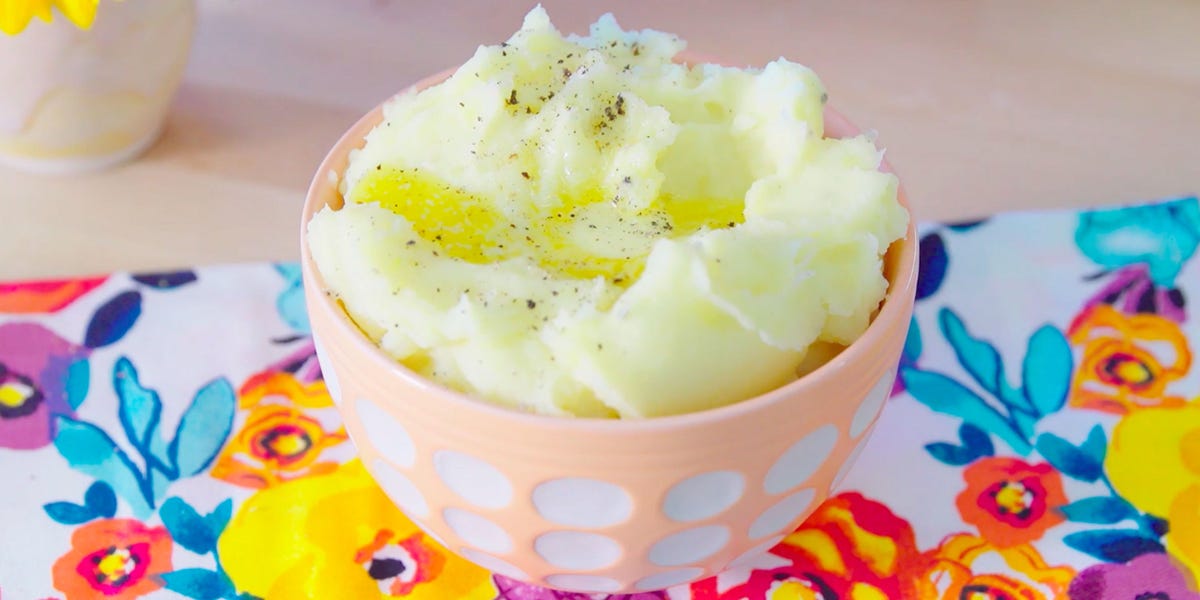
Homemade mashed potatoes are oturn out gluey, watery, bland, or capable of holding a spoon upright like concrete. The good news: perfect creamy mashed potatoes do not require culinary wizardry, a French chef hat, or a butter budget equal to a small mortgage.
The best mashed potatoes come down to a few smart choices: pick the right potatoes, cook them evenly, dry them well, use warm dairy, and avoid beating them into submission. Follow those rules, and you will get a bowl of fluffy, buttery, silky mashed potatoes that can handle gravy, roast chicken, holiday turkey, or an emergency midnight snack with dignity.
This guide explains how to make homemade mashed potatoes from scratch, how to prevent gummy potatoes, which potato varieties work best, and how to adjust the recipe for your favorite texture.
Why Homemade Mashed Potatoes Are Worth Making
Instant mashed potatoes have their place. That place is usually a camping trip, a power outage, or the moment when dinner is supposed to be on the table in seven minutes. But homemade mashed potatoes have a richer flavor, a better texture, and a magical ability to make an ordinary meal feel like somebody cared.
When you make creamy mashed potatoes yourself, you control everything: how smooth they are, how much butter they get, whether the skins stay on, and whether garlic, sour cream, chives, or roasted cheese make an appearance. In other words, you are the boss of the potato cloud.
The Best Potatoes for Creamy Mashed Potatoes
The kind of potato you choose has a huge effect on the final texture. Potatoes vary in starch and moisture, so they do not all mash the same way.
Russet Potatoes for Light and Fluffy Mash
Russet potatoes are high in starch and low in moisture. They break apart easily after cooking, which makes them ideal for fluffy mashed potatoes. They also absorb butter and warm milk beautifully. If you love a soft, airy mash that looks like it could float away in a warm breeze, russets are your best friend.
Yukon Gold Potatoes for Rich, Buttery Flavor
Yukon Gold potatoes have a naturally buttery flavor and a creamy texture. They create mashed potatoes that feel richer and silkier than an all-russet batch. Their golden color also makes the finished dish look especially inviting, even before you add the ceremonial butter pat on top.
The Best Choice: Use Both
For the best creamy mashed potatoes, use a mix of Yukon Gold and russet potatoes. The russets add fluffiness, while Yukon Golds add creaminess and flavor. A roughly equal mix works well, though you can use more Yukon Golds when you want a richer, denser result.
Avoid relying only on very waxy potatoes, such as red potatoes or fingerlings, when you want a smooth classic mash. They can work for rustic skin-on mashed potatoes, but they are more likely to become dense or gluey when overworked.
Ingredients for Homemade Creamy Mashed Potatoes
This recipe makes about 6 generous servings. It can easily be doubled for holidays, family dinners, or the kind of gathering where one relative says, “I barely eat potatoes,” before taking a mountain-sized scoop.
- 3 pounds potatoes, preferably a mix of Yukon Gold and russet potatoes
- 1 tablespoon kosher salt for the cooking water, plus more to taste
- 8 tablespoons unsalted butter
- 3/4 cup whole milk, half-and-half, or a mixture of milk and cream
- 1/4 cup heavy cream, optional for extra-rich mashed potatoes
- Freshly ground black pepper, to taste
- Chopped chives, roasted garlic, sour cream, or cream cheese, optional
How to Make Homemade Mashed Potatoes Step by Step
1. Wash, Peel, and Cut the Potatoes Evenly
Scrub the potatoes well, especially if you plan to leave some skins on for a rustic look. Peel them completely for smoother mashed potatoes, or leave the thin skins on Yukon Gold potatoes for extra texture.
Cut the potatoes into chunks about 1 1/2 to 2 inches wide. Try to keep the pieces close in size so they cook evenly. If some chunks are tiny and others are potato boulders, the small pieces may turn waterlogged while the large ones stay stubbornly firm in the middle.
2. Start the Potatoes in Cold Salted Water
Place the potato chunks in a large pot and cover them with cold water by about one inch. Add the salt, then bring the water to a gentle boil over medium-high heat.
Starting with cold water gives the potatoes time to cook evenly from the outside to the center. Beginning with boiling water can cook the outsides too quickly while the middle remains underdone. That is how lumpy mashed potatoes begin plotting against you.
3. Simmer Until Fork-Tender
Once the water reaches a boil, reduce the heat to a steady simmer. Cook the potatoes for about 15 to 20 minutes, depending on the size of your chunks.
Test a piece with a fork or the tip of a knife. It should slide in easily with almost no resistance. If the potato clings to the fork or feels firm in the center, give it a few more minutes. Undercooked potatoes create lumps that no amount of butter can fully hide.
4. Drain the Potatoes Thoroughly
Drain the potatoes in a colander as soon as they are tender. Do not leave them sitting in the hot cooking water, or they can absorb extra moisture and become watery.
Return the drained potatoes to the empty pot and place it over very low heat for one to two minutes. Shake the pot gently or stir the potatoes once or twice. This helps extra moisture evaporate and gives you a drier base that can absorb butter and dairy more effectively.
5. Warm the Butter and Dairy
While the potatoes dry, warm the milk, cream, and butter in a small saucepan over low heat. You do not need to boil the mixture. You simply want it warm enough that it blends smoothly into the potatoes without cooling them down.
Cold milk can make potatoes harder to mash and may force you to stir too aggressively. Warm dairy keeps the texture lighter and makes the potatoes feel more luxurious with less effort.
6. Mash the Potatoes While They Are Hot
For rustic mashed potatoes, use a handheld potato masher. For extra-smooth creamy mashed potatoes, use a potato ricer or food mill. A ricer creates a light, even texture with very little mixing.
Avoid using a food processor, blender, or immersion blender. Those tools work too aggressively and release too much potato starch. The result can be sticky, gummy, and strangely elastic, which is not the personality anyone wants from mashed potatoes.
7. Add Butter Before the Liquid
Add the butter to the hot potatoes first and gently fold or mash it in. Butter coats the potato particles and gives the mash a silky feel. It also helps you build flavor before adding more liquid.
Once the butter is mostly incorporated, add the warm milk and cream gradually. Start with about half the dairy mixture, then add more a little at a time until the potatoes reach your preferred consistency.
8. Season, Taste, and Stop Mixing
Add black pepper and additional salt as needed. Taste the mashed potatoes before serving. Potatoes need more seasoning than many cooks expect, especially when they are paired with gravy or roasted meat.
Once the potatoes are creamy and smooth, stop mixing. This is important. The final few unnecessary stirs can take mashed potatoes from velvety to gluey faster than you would think. Treat them gently, like a sleepy cat that has decided your lap belongs to it.
How to Make Mashed Potatoes Extra Creamy
If your goal is ultra-creamy mashed potatoes, use Yukon Gold potatoes or a Yukon Gold-russet blend. Choose half-and-half, whole milk, or a combination of milk and heavy cream. Add butter generously, but add liquid gradually.
For an especially rich holiday version, stir in one or two of these additions:
- 2 to 4 tablespoons sour cream for tang and softness
- 2 to 4 ounces softened cream cheese for a thick, velvety texture
- Roasted garlic for sweet, mellow flavor
- Grated Parmesan for a savory finish
- Fresh chives for color and brightness
- Buttermilk for a subtle tangy flavor
Do not add every option at once unless you are intentionally creating mashed potatoes with an identity crisis. Pick one or two flavors and let the potatoes remain the main character.
Common Mashed Potato Mistakes and How to Fix Them
Mashed Potatoes Are Gummy
Gummy mashed potatoes usually happen when the potatoes are overmixed or processed with a blender or food processor. The best prevention is to use a masher, ricer, or food mill and stop as soon as the potatoes are smooth.
If the potatoes are already gummy, do not keep beating them. Instead, gently fold in a little warm butter, cream, or milk to soften the texture. The batch may not become perfectly fluffy again, but it can still become tasty enough to disappear under gravy.
Mashed Potatoes Are Too Runny
Runny mashed potatoes usually come from too much liquid or potatoes that absorbed too much water while cooking. To fix them, return the potatoes to low heat and stir gently until some moisture evaporates. You can also fold in a small amount of cooked, riced potato if you have one available.
Next time, dry the potatoes after draining and add warm dairy slowly instead of pouring it all in at once.
Mashed Potatoes Are Too Thick
If your mash feels stiff or dry, add warm milk, cream, or broth one tablespoon at a time. Fold gently between additions until the potatoes loosen up. A little extra butter can also help improve flavor and texture.
Mashed Potatoes Taste Bland
Bland mashed potatoes often need salt, not another complicated ingredient. Season the cooking water, then taste again after mashing. Add salt gradually until the flavor tastes full and rounded. Fresh pepper, chives, roasted garlic, or a small spoonful of sour cream can also help wake up a sleepy batch.
Easy Variations for Homemade Mashed Potatoes
Garlic Mashed Potatoes
Add peeled garlic cloves to the pot with the potatoes. The garlic softens as it cooks and mashes smoothly into the potatoes. For a sweeter, deeper garlic flavor, use roasted garlic instead.
Sour Cream and Chive Mashed Potatoes
Fold sour cream and chopped chives into the finished potatoes. This version has the familiar flavor of a loaded baked potato without requiring a pile of bacon, cheese, and a small construction crew.
Skin-On Rustic Mashed Potatoes
Use thin-skinned Yukon Gold or white potatoes and leave the skins on. Mash with a handheld masher for a more textured, farmhouse-style side dish. This version is especially good with grilled steak, roast chicken, or meatloaf.
Dairy-Free Mashed Potatoes
Use olive oil or dairy-free butter instead of regular butter, then add warm unsweetened oat milk, cashew milk, or vegetable broth a little at a time. Season generously with salt, pepper, garlic, and herbs to build flavor.
Can You Make Mashed Potatoes Ahead of Time?
Yes. Make-ahead mashed potatoes are useful when you are preparing a large holiday meal and your stovetop begins to resemble an airport runway.
Prepare the potatoes as directed, but reserve a little extra warm milk or cream. Transfer the mash to a buttered baking dish, cover it, and refrigerate. When ready to serve, reheat gently in the oven or on low heat, stirring in a splash of warm dairy and a little butter if needed.
For leftovers, cool the potatoes promptly, store them in a covered container in the refrigerator, and reheat them gently with a splash of milk or cream. Leftover mashed potatoes also work beautifully in shepherd’s pie, potato cakes, croquettes, soups, and breakfast hash.
What to Serve With Creamy Mashed Potatoes
Mashed potatoes are one of the most flexible side dishes in American cooking. Serve them with roast turkey, fried chicken, pot roast, grilled steak, pork chops, meatloaf, baked salmon, or mushroom gravy. They are also excellent next to green beans, roasted carrots, corn, Brussels sprouts, or a simple crisp salad.
And yes, mashed potatoes can absolutely be dinner when topped with gravy and eaten directly from a bowl. No judgment. Some evenings call for a fork, a blanket, and emotional support carbohydrates.
Kitchen Experience: What Makes Mashed Potatoes Memorable
The funny thing about homemade mashed potatoes is that people remember them more than they expect to. Nobody usually walks into a holiday meal announcing, “I hope the potatoes are emotionally moving tonight.” Then the bowl arrives, the butter melts into a glossy puddle on top, and suddenly everyone is hovering nearby with a serving spoon.
The best mashed potato experiences are rarely about complicated ingredients. They are about small moments of good timing: tasting the potatoes before they hit the table, catching the butter as it melts into the hot mash, and noticing when the texture changes from rough and crumbly to smooth and creamy. It is kitchen chemistry, but the friendly kind that smells like dinner instead of a science lab.
One useful lesson from making mashed potatoes repeatedly is that texture is personal. Some people want their potatoes perfectly smooth, almost like a restaurant-style potato purée. Others want visible chunks, bits of skin, and enough structure to prove that a real potato once lived there. Neither style is wrong. The goal is not to create one universal bowl of mashed potatoes; the goal is to make the bowl your family reaches for first.
Another lesson is that mashed potatoes reward calm cooking. They do not appreciate panic. Rushing the boiling stage leads to hard centers. Skipping the drying step leads to watery mash. Dumping in all the milk at once creates a moment of regret that no amount of confident stirring can fully erase. But when you work steadily, add the dairy gradually, and stop mixing at the right time, the potatoes become forgiving, rich, and quietly impressive.
Mashed potatoes also have a way of making cooks feel more capable. A beginner can learn the basic version in one meal. A more experienced cook can experiment with roasted garlic, brown butter, cream cheese, herbs, cheese, or different potato blends. The recipe grows with you. It can be a simple Tuesday-night side dish or a holiday centerpiece surrounded by gravy boats, fancy serving bowls, and relatives offering unsolicited opinions about how Grandma used to make them.
Perhaps that is why creamy homemade mashed potatoes never go out of style. They are affordable, adaptable, comforting, and just dramatic enough to feel special. With the right potato blend, warm butter and dairy, and a gentle hand, you can turn a humble bag of potatoes into the dish everyone remembers after dinner.
Note: For the smoothest, creamiest result, keep the potatoes hot while mashing, add butter before warm dairy, and stop mixing the moment the texture feels right.