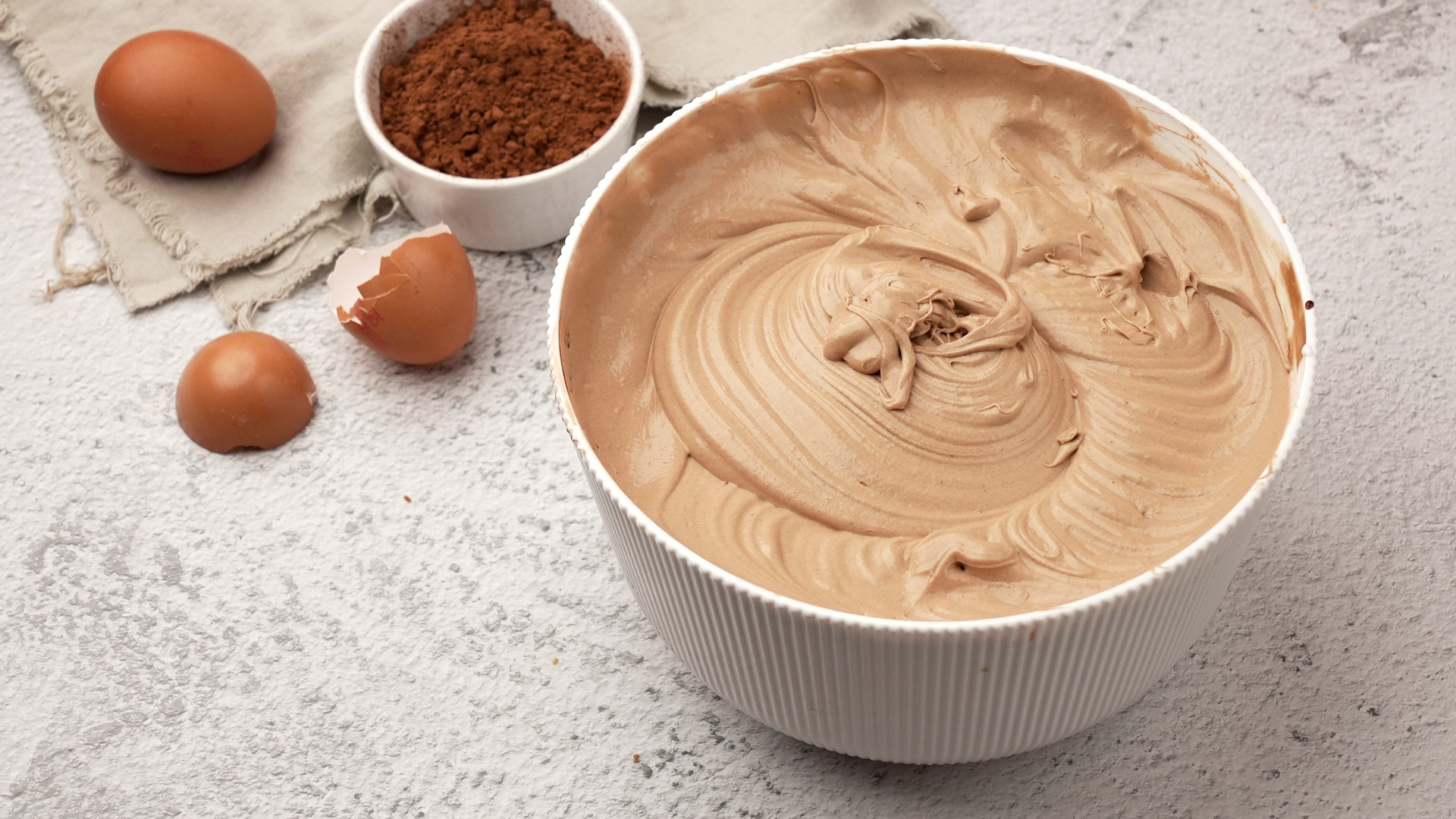
So, you opened the pantry, found a box of vanilla cake mix, and your heart whispered, “Chocolate.” Good news: you do not need to abandon dessert or make an emergency grocery run in pajama pants. With cocoa powder, a few smart ingredient swaps, and a little baking common sense, you can turn a basic vanilla cake mix into a moist, rich, chocolate cake that tastes far more intentional than accidental.
This guide explains exactly how to make chocolate cake using a vanilla mix, including the best cocoa ratio, what liquids to use, how to deepen the chocolate flavor, and how to avoid the most common boxed-cake disasters. The goal is not just “brown vanilla cake.” The goal is a real chocolate cake with a tender crumb, balanced sweetness, and enough chocolate personality to make frosting nervous.
Can You Really Turn Vanilla Cake Mix Into Chocolate Cake?
Yes, you can turn vanilla cake mix into chocolate cake. The simplest method is to add unsweetened cocoa powder to the dry mix, then adjust the liquid and fat so the cake stays moist. Cocoa powder brings chocolate flavor, but it also absorbs moisture. That means a straight scoop-and-stir approach can work, but a thoughtful approach works much better.
Vanilla cake mix usually contains flour, sugar, leavening, salt, flavoring, and sometimes powdered fats or emulsifiers. Chocolate cake mix contains many of those same basics, plus cocoa and often a slightly different balance of sugar, acidity, and flavor enhancers. When you start with vanilla mix, you are essentially building the chocolate part yourself. It is like giving a plain T-shirt a tuxedo. The structure is already there; you just need to dress it properly.
The Best Ingredients for Chocolate Cake From Vanilla Mix
For a standard 15.25-ounce box of vanilla or yellow cake mix, the following formula gives dependable results:
Basic Ingredient List
- 1 box vanilla or yellow cake mix, about 15.25 ounces
- 1/3 cup unsweetened cocoa powder, sifted
- 1 small box instant chocolate pudding mix, optional but recommended
- 3 large eggs, or the number listed on the box
- 1 cup whole milk, buttermilk, or cooled coffee instead of water
- 1/2 cup vegetable oil or melted butter
- 1/2 cup sour cream or plain Greek yogurt
- 1 teaspoon vanilla extract
- 1/2 teaspoon espresso powder, optional
- 1/2 cup mini chocolate chips, optional
The cocoa powder does the obvious job: it makes the cake chocolate. The pudding mix adds moisture and a softer, more bakery-style texture. Milk or buttermilk gives more body than water. Coffee or espresso powder will not make the cake taste like a latte; it simply makes the chocolate taste more chocolatey. Think of coffee as chocolate’s hype man.
Choosing the Right Cocoa Powder
Unsweetened cocoa powder is the main ingredient that transforms vanilla cake mix into chocolate cake. Natural cocoa powder has a sharper, more classic chocolate flavor. Dutch-process cocoa is darker, smoother, and less acidic. Since boxed cake mix already contains leavening, either type can usually work in this shortcut recipe, but Dutch-process cocoa often gives a deeper color and a slightly more polished flavor.
If you only have natural cocoa powder, use it confidently. If you only have Dutch-process cocoa, also use it confidently. If you have sweetened hot cocoa mix, pause dramatically. Hot cocoa mix contains sugar, milk powder, and other ingredients, so it will not deliver the same strong chocolate flavor. In a pinch, you can use it, but you will need more of it, and the result will be sweeter and less intense.
How Much Cocoa Powder Should You Add?
The sweet spot is usually 1/3 cup of unsweetened cocoa powder per box of vanilla cake mix. This amount creates noticeable chocolate flavor without drying out the cake. For a lighter chocolate cake, use 1/4 cup. For a darker, richer cake, use 1/2 cup, but add 2 to 4 extra tablespoons of liquid to keep the batter smooth.
Do not dump in a full cup of cocoa powder unless you are trying to bake a delicious brick. Cocoa is powerful, but it is also thirsty. Too much cocoa can make the cake dry, bitter, dense, or crumbly. Chocolate cake should be dramatic, not difficult.
Step-by-Step: How to Make Chocolate Cake Using a Vanilla Mix
Step 1: Preheat and Prepare the Pan
Preheat your oven to 350°F unless your cake mix box gives a different temperature for your pan. Grease and flour two 8-inch or 9-inch round pans, one 9-by-13-inch pan, or a Bundt pan. For extra chocolate insurance, dust the greased pan with cocoa powder instead of flour. This prevents pale floury streaks on the outside of the cake.
Step 2: Sift the Cocoa Powder
Place the vanilla cake mix in a large bowl. Add the cocoa powder and whisk well. If your cocoa powder looks clumpy, sift it first. Cocoa clumps are tiny little flavor landmines. One bite tastes like cake; the next tastes like you licked a chalkboard in a chocolate factory.
Step 3: Add Pudding Mix for Moisture
Add instant chocolate pudding mix if you want a richer, softer cake. This step is optional, but it is one of the easiest ways to make boxed cake taste homemade. If your cake mix already says “pudding in the mix,” you can still add pudding, but expect a slightly denser cake. Dense can be wonderful, especially when the cake is moist and chocolatey.
Step 4: Upgrade the Liquid
Instead of water, use whole milk, buttermilk, or cooled coffee. Milk creates a creamy crumb. Buttermilk gives a gentle tang and tenderness. Coffee deepens chocolate flavor. If you are baking for kids or anyone sensitive to caffeine, milk is the safest choice.
Step 5: Add Eggs, Fat, and Sour Cream
Add the eggs, oil or melted butter, sour cream, and vanilla extract. Oil gives the softest crumb and keeps the cake moist for longer. Melted butter gives a richer flavor but can make the crumb slightly firmer after refrigeration. Sour cream or Greek yogurt helps the cake stay tender and adds a subtle homemade quality.
Step 6: Mix Carefully
Beat the batter on low speed until the dry ingredients are moistened, then mix on medium speed for about 2 minutes. Scrape the sides and bottom of the bowl so no dry cocoa pockets remain. Do not overmix. Once the batter looks smooth and glossy, stop. Cake batter is not a treadmill; it does not need extra exercise.
Step 7: Fold in Chocolate Chips
If using mini chocolate chips, fold them in gently. Mini chips distribute better than large chips and are less likely to sink. Tossing them with a teaspoon of dry cake mix before folding can also help keep them suspended in the batter.
Step 8: Bake Until Just Done
Pour the batter into the prepared pan and smooth the top. Bake according to the pan size. Two 9-inch rounds usually take 24 to 30 minutes. A 9-by-13-inch pan usually takes 28 to 35 minutes. A Bundt pan often takes 38 to 48 minutes. Start checking early. The cake is done when a toothpick inserted in the center comes out with a few moist crumbs, not wet batter.
Step 9: Cool Before Frosting
Let the cake cool in the pan for 10 to 15 minutes, then transfer it to a rack if using round or Bundt pans. Cool completely before frosting. Warm cake plus frosting equals frosting landslide. Delicious? Yes. Pretty? Only if your theme is “dessert avalanche.”
Best Frostings for This Chocolate Cake
A chocolate cake made from vanilla mix pairs beautifully with several frostings. Chocolate buttercream is the obvious classic. Cream cheese frosting adds tang and balances sweetness. Vanilla buttercream creates a black-and-white bakery flavor. Peanut butter frosting turns the cake into a party trick. Ganache gives the most elegant finish with the least effort.
For a simple ganache, heat 1 cup heavy cream until steaming, pour it over 1 cup chopped semisweet chocolate, let it sit for 3 minutes, then stir until smooth. Pour it over the cooled cake and pretend you run a boutique bakery. No one needs to know your assistant was a boxed mix.
Flavor Variations to Try
Mocha Chocolate Cake
Use cooled coffee as the liquid and add 1 teaspoon espresso powder. Frost with chocolate buttercream or whipped cream.
Chocolate Orange Cake
Add 1 tablespoon orange zest to the batter and frost with chocolate ganache. The citrus brightens the cocoa and makes the cake taste fancy without requiring fancy behavior.
Double Chocolate Chip Cake
Add 1/2 to 1 cup mini chocolate chips. This version works especially well in a Bundt pan.
Chocolate Almond Cake
Add 1/2 teaspoon almond extract along with the vanilla. Use a light hand because almond extract is enthusiastic and does not understand personal space.
Black Forest-Inspired Cake
Bake the chocolate cake in two round pans, then fill with cherry pie filling and whipped cream. Top with chocolate shavings.
Common Mistakes and How to Avoid Them
Using Too Much Cocoa Powder
More cocoa does not always mean better cake. Too much cocoa can dry out the batter and create bitterness. Start with 1/3 cup and adjust only if you know you want a darker cake.
Forgetting Extra Moisture
Because cocoa absorbs liquid, it is smart to use milk, buttermilk, sour cream, or pudding mix. These ingredients help protect the cake from dryness.
Overbaking
Overbaking is the fastest way to ruin a good chocolate cake. Chocolate cakes can look slightly underdone because of their dark color, so use the toothpick test and check near the earliest suggested baking time.
Frosting Too Soon
Let the cake cool fully. If you rush, frosting melts into a shiny puddle. Again, not tragic, but not exactly birthday-card material.
Storage Tips
Store the finished chocolate cake covered at room temperature for up to 2 days, or refrigerate it for up to 5 days. If refrigerated, let slices sit at room temperature for 20 to 30 minutes before serving so the crumb softens and the chocolate flavor wakes up.
You can also freeze unfrosted cake layers. Wrap each cooled layer tightly in plastic wrap, then foil, and freeze for up to 2 months. Thaw overnight in the refrigerator, then frost. This is a smart move for birthdays, holidays, or any week when life is acting like it was written by a committee.
Experience Notes: What I Learned From Testing Vanilla Mix Chocolate Cake
The first time I tried to make chocolate cake using a vanilla mix, I treated cocoa powder like chocolate fairy dust. I added a few spoonfuls, stirred, baked, and hoped for applause. The result was not bad, but it was not exactly chocolate cake either. It tasted like vanilla cake wearing a brown jacket. That experiment taught me the first big lesson: cocoa powder needs commitment. A tablespoon or two may tint the batter, but it will not build deep chocolate flavor.
The second lesson was about moisture. When I increased the cocoa powder, the flavor improved, but the cake became drier. That made sense once I paid attention to how cocoa behaves. It acts like a dry ingredient because it is one. It soaks up liquid, thickens batter, and changes the texture. Adding sour cream made the biggest difference. The cake became softer, richer, and more satisfying. Greek yogurt also worked well, though it gave the cake a slightly tangier finish.
Milk was another clear upgrade. Water made an acceptable cake, but milk made the crumb feel fuller. Buttermilk was even better for tenderness, especially when using natural cocoa powder. Coffee produced the deepest chocolate flavor, but I prefer using half coffee and half milk when serving a mixed crowd. That gives the cake a subtle chocolate boost without making anyone ask, “Is this coffee cake?”
I also learned that pudding mix is a powerful shortcut. A small box of instant chocolate pudding made the batter thicker and the finished cake softer. The texture moved closer to a bakery-style cake, especially after resting overnight. In fact, this cake is often better the next day. The chocolate flavor settles in, the crumb relaxes, and the frosting becomes best friends with the cake.
One practical tip: always sift the cocoa. Unsifted cocoa creates stubborn little lumps that refuse to disappear, even with mixing. Whisking the cocoa into the dry cake mix before adding wet ingredients also helps distribute the flavor evenly. Another useful trick is dusting the pan with cocoa powder instead of flour. It keeps the outside of the cake dark and attractive.
For frosting, homemade makes the biggest visual and flavor impact. Even a simple cocoa buttercream can make this shortcut cake feel special. If time is short, store-bought frosting can work, but whipping it with a hand mixer for a minute or two makes it lighter and easier to spread. Add a pinch of salt or a spoonful of cocoa powder to improve the flavor.
The final lesson is simple: boxed mix is not cheating. It is a starting line. With cocoa, dairy, sour cream, and a little patience, vanilla cake mix can become a genuinely delicious chocolate cake. Nobody at the table needs a lecture on baking chemistry. They just need a fork.
Conclusion
Making chocolate cake from vanilla cake mix is easy, practical, and surprisingly rewarding. The key is balance: add enough cocoa powder for real chocolate flavor, then support it with moisture-rich ingredients like milk, sour cream, pudding mix, or oil. A splash of coffee or a pinch of espresso powder can deepen the flavor, while chocolate chips and homemade frosting make the cake feel celebration-ready.
Whether you are rescuing the wrong box from your pantry or intentionally turning a basic mix into something richer, this method gives you a dependable chocolate cake without starting from scratch. It is simple enough for a weeknight, flexible enough for birthdays, and tasty enough that nobody will ask awkward questions about the box.
Note: This article is written for web publication in standard American English and is based on practical baking methods, common boxed cake mix upgrades, and real home-baking techniques.