A bridal bouquet is not just a pretty bunch of flowers with a ribbon having its main-character moment. It is the floral exclamation point of the wedding look, the accessory that appears in portraits, ceremony photos, detail shots, and possibly in the hands of one very determined bouquet-toss contestant. Learning how to make bridal bouquets gives you the chance to create something personal, meaningful, and surprisingly practicalespecially if you want to control the color palette, flower choices, and budget.
The good news? You do not need to be a professional florist to make a beautiful wedding bouquet. You do need fresh flowers, sharp tools, a little patience, and a plan that does not begin with “I’ll just wing it at midnight before the wedding.” This guide walks through the full process: choosing flowers, preparing stems, arranging a hand-tied bouquet, wrapping it neatly, keeping it fresh, and avoiding common DIY flower disasters.
What Makes a Bridal Bouquet Look Professional?
A professional-looking bridal bouquet has balance, proportion, freshness, and intention. That does not mean every flower must sit perfectly like it is posing for a passport photo. In fact, many modern wedding bouquets look better when they have soft movement, varied textures, and a slightly organic shape. The secret is controlled looseness: romantic, but not “I dropped these in the driveway and called it rustic.”
Most bridal bouquets use a combination of focal flowers, secondary blooms, filler flowers, and greenery. Focal flowers are the starsroses, peonies, dahlias, ranunculus, hydrangeas, or calla lilies. Secondary blooms support the shape and color story. Filler flowers, such as baby’s breath, waxflower, lisianthus, or spray roses, add volume and softness. Greenery, such as eucalyptus, ruscus, fern, olive branches, or smilax, gives the bouquet structure and movement.
Choose the Right Bridal Bouquet Style
Before buying flowers, decide what bouquet style fits the wedding dress, venue, and overall mood. A sleek satin gown may pair beautifully with a classic round rose bouquet. A lace dress at a garden wedding may call for a loose, hand-tied bouquet with trailing greenery. A beach wedding might look best with light, airy blooms and minimal bulk. The bouquet should support the bride’s look, not enter the ceremony like a floral bodyguard.
Classic Round Bouquet
This is one of the easiest styles for beginners. It is compact, symmetrical, and usually made with sturdy blooms like roses, ranunculus, carnations, or peonies. It works well for formal weddings and photographs beautifully from almost every angle.
Loose Garden-Style Bouquet
This style has a softer, more natural shape. It often includes different flower sizes, textured greenery, and stems placed at slightly varied heights. It is ideal for outdoor weddings, romantic themes, and brides who want an elegant but relaxed look.
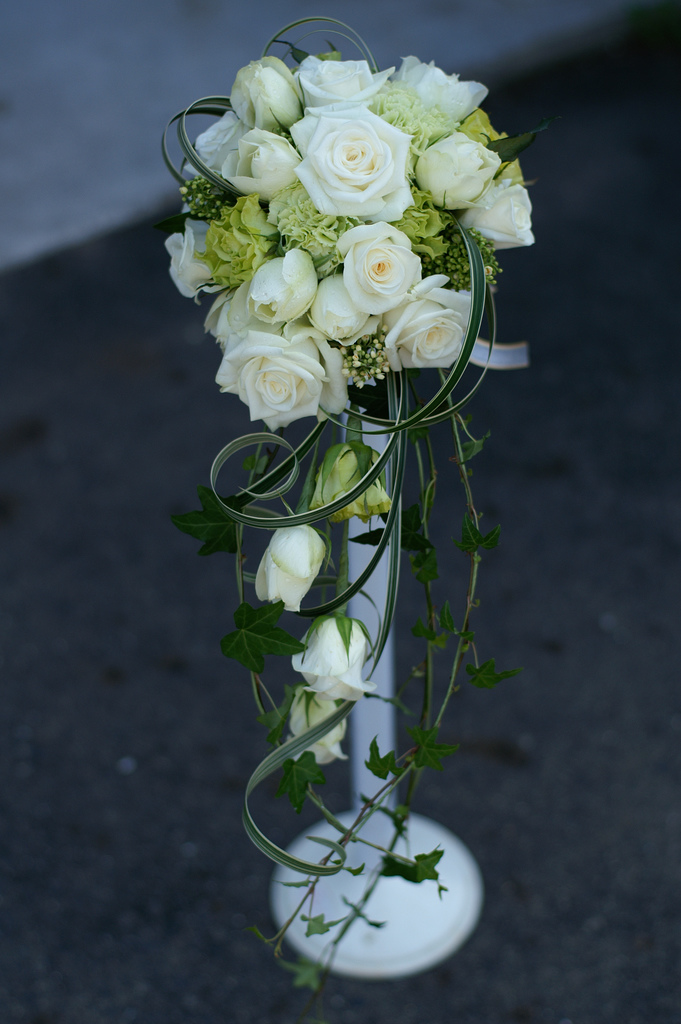
Cascade Bouquet
A cascade bouquet flows downward with trailing flowers or greenery. It is dramatic, stylish, and gorgeousbut harder for beginners. If you are making your first bridal bouquet, practice this style several times before using it for the actual wedding.
Minimalist Bouquet
A minimalist bouquet may use one flower variety, one color family, or a small number of sculptural stems. Think white calla lilies, ivory roses, or a clean bundle of tulips. It is simple, modern, and proof that flowers do not need to shout to be memorable.
Best Flowers for Bridal Bouquets
The best wedding bouquet flowers are beautiful, sturdy, and able to hold up outside water for several hours. Some delicate blooms look magical for a short window but may wilt quickly in heat, direct sun, or long photo sessions. When in doubt, choose durable flowers and use fragile blooms sparingly.
Reliable Focal Flowers
Roses are a classic choice because they are widely available, strong, and come in nearly every wedding color. Garden roses offer a fuller, more romantic look. Peonies are beloved for spring weddings, although they can be expensive and seasonal. Dahlias bring drama and texture, especially in late summer and fall. Ranunculus offers delicate layers without taking over the bouquet. Hydrangeas create instant volume but need steady hydration.
Beautiful Filler Flowers
Lisianthus, baby’s breath, waxflower, spray roses, stock, scabiosa, and sweet peas can soften the bouquet and fill empty spaces. Use filler flowers like seasoning in a recipe: enough to enhance the design, not so much that the bouquet becomes floral soup.
Greenery and Texture
Eucalyptus is popular for its soft color and flowing shape. Italian ruscus gives clean lines and structure. Ferns feel fresh and garden-like. Olive branches add a Mediterranean mood. Dusty miller, lamb’s ear, and herbs such as rosemary can add texture and fragrance. Greenery also helps hide mechanics and makes a bouquet look finished.
Tools and Supplies You Need
Gather your supplies before you begin. This is not the moment to discover that your only scissors are the dull kitchen pair used to open frozen pizza bags.
- Fresh flowers and greenery
- Clean buckets or vases
- Sharp floral shears or a floral knife
- Floral tape
- Rubber bands or bind wire
- Ribbon, silk ribbon, satin ribbon, lace, or velvet trim
- Straight pins or pearl-tipped pins
- Clean towels or paper towels
- Flower food, if available
- A mirror for checking bouquet shape from the front
How Many Flowers Do You Need?
The number of stems depends on the bouquet size, flower type, and design style. A small bridal bouquet may use 20 to 30 stems. A medium bouquet may use 30 to 45 stems. A lush garden-style bouquet may need 50 stems or more, especially if many stems are small filler flowers. Large blooms like hydrangeas, peonies, and garden roses take up more space, while smaller flowers require more stems to create fullness.
A beginner-friendly formula is to choose three to five focal flowers, five to eight secondary flowers, several filler stems, and a handful of greenery. Odd numbers often look more natural in floral design. However, the final bouquet should be judged by shape and balance, not by a strict math equation. Flowers are romantic; they are not filing taxes.
Prepare the Flowers Before Arranging
Flower preparation is one of the biggest differences between a bouquet that lasts and one that wilts before the first “I do.” Start by unpacking the flowers carefully. Remove any damaged petals, broken stems, or leaves that will sit below the binding point or water line. Leaves trapped under water encourage bacteria, which shortens vase life.
Cut each stem at a 45-degree angle using clean, sharp shears. Place the stems immediately into clean water so they can hydrate. If possible, let the flowers drink for several hours before arranging. Store them in a cool space away from direct sunlight, heat vents, pets, fruit bowls, and anyone who says, “I’ll just move these for a second.” Fruit can release ethylene gas, which may cause flowers to age faster.
Step-by-Step Guide: How to Make Bridal Bouquets
Step 1: Set Up a Clean Work Area
Choose a table with enough room for flowers, greenery, tools, and ribbon. Lay out the stems by type and color. Keep a vase or bucket nearby so flowers can stay hydrated until they are added to the bouquet.
Step 2: Start With a Focal Flower
Hold one strong focal flower in your non-dominant hand. This bloom becomes the center or visual anchor of the bouquet. Keep your grip relaxed but secure near the binding point, which is usually several inches below the flower heads.
Step 3: Add Flowers at an Angle
Add the next stem diagonally across the first, then rotate the bouquet slightly. Continue adding stems in the same spiral direction. This spiral technique helps the bouquet sit naturally, creates a rounded shape, and makes the stems easier to tie. If the stems cross neatly below your hand, you are doing it right.
Step 4: Build Shape and Balance
Add flowers around the bouquet, alternating focal blooms, smaller flowers, and greenery. Check the front, sides, and top as you work. A bridal bouquet is photographed from multiple angles, so do not create one beautiful side and one suspicious side that looks like it lost a wrestling match.
Step 5: Add Texture and Movement
Use filler flowers and greenery to soften the outer edge. Let a few stems sit slightly higher or lower for a natural look. For a classic bouquet, keep the outline tighter and rounder. For a garden-style bouquet, allow more air and movement between stems.
Step 6: Secure the Bouquet
Once you like the shape, wrap a rubber band or floral tape around the binding point. The bouquet should feel secure but not crushed. If flowers shift too much, add a second wrap. Avoid taping too high near the blooms because it can make the bouquet look stiff.
Step 7: Trim the Stems
Trim the stems evenly to a comfortable holding length, usually around 7 to 9 inches below the binding point. For a more rustic look, leave stems slightly longer. For a formal bouquet, keep them clean and even.
Step 8: Wrap With Ribbon
Dry the stems gently before wrapping. Start near the top of the binding point and wrap ribbon downward, overlapping as you go. Secure the ribbon with pins pushed upward into the stems, not straight through where they could poke a hand. Leave ribbon tails long for a romantic look or trim them short for a polished finish.
Color Palette Tips for Wedding Bouquets
A strong bouquet color palette usually includes one dominant color, one or two supporting shades, and a neutral. For example, a blush bridal bouquet may include ivory roses, pale pink ranunculus, mauve lisianthus, and soft green eucalyptus. A fall bouquet may combine burgundy dahlias, toffee roses, cream stock, copper foliage, and dark greenery.
Use the wedding dress, bridesmaid dresses, venue, and season as your guide. White and green bouquets are timeless. Pastel bouquets feel romantic and springlike. Bold colors can look modern and joyful. Monochrome bouquets are elegant, while mixed palettes feel abundant and expressive.
How to Keep a Bridal Bouquet Fresh
Make the bouquet as close to the wedding day as possible, ideally the day before. After arranging, place the stems in a small amount of clean water, making sure the ribbon does not get soaked. Store the bouquet in a cool, shaded room. Do not freeze it, do not place it in a household refrigerator packed with food, and do not leave it in a hot car unless your goal is botanical heartbreak.
On the wedding day, keep the bouquet in water whenever it is not being used for photos or the ceremony. Assign someone responsible to move it safely. A bridesmaid, planner, or trusted family member can become the official Bouquet Guardian, a noble role that requires vigilance and possibly snacks.
Common Bridal Bouquet Mistakes to Avoid
Making the Bouquet Too Early
Fresh flowers have a limited display window. Making the bouquet several days ahead can lead to drooping petals, browning edges, and panic. Prepare flowers early, but assemble the final bouquet close to the event.
Using Only Delicate Flowers
Some flowers are lovely but fragile. If the wedding involves outdoor photos, summer heat, or long hours, mix delicate flowers with sturdy blooms like roses, carnations, lisianthus, or orchids.
Ignoring Bouquet Weight
A bouquet can become heavy quickly. Large stems, wet greenery, and oversized blooms may look gorgeous on a table but feel like a dumbbell during portraits. Hold the bouquet while building it to test comfort.
Skipping Practice
If you are making the actual bridal bouquet, practice at least once with inexpensive grocery store flowers. The first bouquet teaches your hands what your brain thought it already knew.
Bridal Bouquet Ideas by Wedding Style
Romantic Garden Wedding
Use garden roses, ranunculus, sweet peas, lisianthus, and trailing greenery. Choose blush, cream, lavender, or peach tones for a soft, dreamy effect.
Modern City Wedding
Try calla lilies, orchids, anthuriums, roses, or tulips in a clean shape. White, green, black accents, or monochrome palettes work beautifully.
Rustic Barn Wedding
Combine dahlias, sunflowers, spray roses, waxflower, eucalyptus, and textured grasses. Warm tones like terracotta, burgundy, mustard, and cream feel seasonal and welcoming.
Beach Wedding
Choose lightweight flowers and greenery that can handle breezy conditions. Orchids, roses, tropical leaves, and simple white blooms pair well with coastal settings.
How to Personalize a Bridal Bouquet
A handmade bridal bouquet becomes even more meaningful with personal details. Add a small locket, heirloom brooch, ribbon from a family dress, birth month flowers, or blooms that remind you of a loved one. You can also include herbs for fragrance, such as rosemary for remembrance or lavender for calm. Just avoid anything too heavy or fragile that could fall out during the ceremony.
Personal touches should feel intentional, not overloaded. One sentimental detail can be powerful. Ten charms, three ribbons, two lockets, and a tiny framed photo may turn the bouquet into a craft store treasure hunt.
Real Experiences: What Making Bridal Bouquets Teaches You
One of the biggest lessons from making bridal bouquets is that flowers have personalities. Roses are dependable, a little dramatic, and usually willing to cooperate. Ranunculus looks delicate but can surprise you with graceful strength. Hydrangeas are beautiful divas that demand water like they are negotiating a contract. Greenery may seem like a background player until you realize it is holding the whole design together.
Many first-time bouquet makers discover that the process is slower than expected. Choosing flowers is fun, but cleaning stems, removing leaves, trimming, hydrating, sorting colors, and building the shape all take time. A bouquet that looks effortless often has an hour of thoughtful work behind it. That is why it helps to set up a calm workspace, play music, and give yourself more time than you think you need. Rushing flowers rarely ends well. They are not fast food; they are tiny, fragrant sculptures with stems.
Another real-world experience is learning when to stop. Beginners often keep adding flowers because they see one small gap. Then another. Then suddenly the bouquet has grown from “romantic bridal accessory” to “portable centerpiece with commitment issues.” Step back often. Look in a mirror. Take a phone photo. Photos reveal shape problems faster than staring at the bouquet from six inches away.
It is also normal to take a bouquet apart and rebuild it. Professional florists do this too. If the shape feels wrong, do not panic. Untie it, regroup the stems, and try again. Flowers are more forgiving than they seem, especially when they have been properly hydrated. The second attempt is often better because your hands understand the spiral motion and your eye becomes sharper.
Budget is another practical lesson. DIY bridal bouquets can save money, but only when you plan carefully. Buying too many premium flowers, paying rush shipping, or replacing wilted stems can shrink the savings. A smart approach is to invest in a few special focal flowers and use affordable supporting blooms and greenery to create fullness. Carnations, spray roses, stock, mums, and seasonal local flowers can look elegant when arranged with care.
Finally, making a bridal bouquet teaches you that handmade does not mean perfect. A tiny curve in the ribbon, a rose leaning slightly outward, or a sprig of greenery dancing in its own direction can make the bouquet feel alive. The goal is not factory precision. The goal is beauty, emotion, and a design that feels right in the bride’s hands. When the bouquet appears in wedding photos years later, no one will zoom in to judge the floral tape. They will see color, joy, and a piece of the day made with love.
Conclusion
Learning how to make bridal bouquets is a rewarding way to add personal beauty to a wedding day. With the right flowers, clean tools, proper hydration, and a clear design plan, a DIY wedding bouquet can look polished, romantic, and deeply meaningful. Start with sturdy blooms, build around a focal flower, use greenery for structure, secure the stems carefully, and finish with ribbon that suits the wedding style.
The best bridal bouquets are not just technically correct; they feel connected to the bride, the season, and the celebration. Whether you choose classic roses, garden-style peonies, modern orchids, or flowers grown in your own backyard, the bouquet should be comfortable to hold and beautiful to remember. And yes, if one stem insists on leaning slightly left, let it have its moment. Weddings are about love, not military-grade flower alignment.