If you have ever looked at a cucumber in your salad and thought, “You know what would make this taste better? The smug satisfaction of growing it myself,” welcome. Growing cucumbers indoors is absolutely possible, and it is one of the most rewarding ways to keep fresh produce coming even when the weather outside is doing its best villain impression.
The trick is not magic. It is setup. Indoor cucumber growing works best when you choose the right variety, use a large enough container, give the plant strong light, and stay a little more consistent with watering than most of us are with our gym routine. Once those basics are in place, cucumber plants can thrive indoors and produce crisp, tasty fruit year-round.
This guide walks you through everything you need to know, from choosing seeds to harvesting fruit, without the fluff, without the guesswork, and without pretending your cucumber vine will survive on “good vibes and a sunny window.” Let’s grow something crunchy.
Why Grow Cucumbers Indoors?
Indoor cucumber gardening has a lot going for it. You are not dealing with unexpected cold snaps, heavy rain, deer, rabbits, or that one mysterious outdoor pest that seems to chew one perfect hole in every leaf just to make a point. Instead, you get more control over temperature, water, spacing, and growing conditions.
That control makes indoor cucumber plants a smart choice for apartment dwellers, small-space gardeners, and anyone who wants fresh vegetables outside the normal outdoor growing season. It also means you can turn a sunny room, enclosed porch, or grow-light setup into a productive mini garden.
Another bonus is cleanliness. Trellised cucumbers grown indoors stay off the ground, which helps the fruit stay straighter, cleaner, and easier to spot at harvest time. No muddy cucumbers. No crouching in the garden like you are searching for a lost contact lens.
Best Cucumber Varieties for Indoor Growing
Not every cucumber wants to live indoors. Some are enormous, sprawling, dramatic vines that treat your living room like open farmland. For indoor gardening, look for compact, bush, patio, greenhouse, or mini cucumber varieties.
Top traits to look for
- Compact or bush growth: Easier to manage in containers.
- Parthenocarpic varieties: These can set fruit without pollination, which is extremely helpful indoors.
- Seedless or greenhouse types: Often bred for protected growing environments.
- Trellis-friendly vines: Great for vertical growth in small spaces.
Good indoor cucumber options often include mini cucumbers, Beit Alpha types, snack cucumbers, and other varieties sold for greenhouse or container culture. Read seed packets carefully. If a variety promises compact growth or indoor performance, that is your cue to stop scrolling and add it to the cart.
What You Need to Grow Cucumbers Indoors
1. A large container
Cucumbers grow fast and develop a substantial root system, so tiny decorative pots are not the move. Use a container with drainage holes that holds at least 5 gallons of potting mix for one plant. Bigger is often better, especially for vining types.
If you are growing more than one plant, do not crowd them into a single container unless it is very large. Cucumber roots appreciate room, and cramped plants tend to act like stressed coworkers in a tiny office.
2. Quality potting mix
Use a loose, well-draining potting mix rather than digging up soil from outdoors. Garden soil compacts too easily in containers and may bring pests or disease indoors. A rich potting mix with compost or organic matter helps retain moisture while still draining well.
A slightly acidic to neutral soil pH is ideal, and a fertile mix gives cucumber plants the steady nutrition they need for rapid growth and fruit production.
3. Strong light
This is the big one. Cucumbers are not shy about their light needs. A bright window can help, but for reliable indoor cucumber growing, supplemental grow lights are usually the difference between “lush harvest” and “one exhausted vine producing a single sad cucumber.”
Aim for 12 to 16 hours of bright light each day. Keep grow lights close enough to be effective, but not so close that they scorch the leaves. If you only have natural light, a south-facing window is your best bet.
4. A trellis or support
Even compact cucumber plants benefit from vertical support. Use a small trellis, tomato cage, netting, or stakes to guide vines upward. This saves space, improves airflow, and makes the fruit easier to harvest.
5. Consistent water and fertilizer
Cucumbers are mostly water, so it should surprise no one that they get cranky when moisture levels swing wildly. Plan to water consistently and feed regularly with a balanced fertilizer or one formulated for vegetables. Indoor plants rely entirely on what you provide, so this is not the place for neglect-based gardening experiments.
How to Start Cucumbers Indoors Step by Step
Step 1: Sow the seeds
Plant cucumber seeds about 1 inch deep in moist potting mix. You can start seeds directly in the final container, which helps avoid transplant shock. If you prefer starting seeds in smaller pots, move them carefully once they have a few true leaves.
Keep the growing medium warm during germination. Cucumbers like warmth and typically sprout best in comfortably warm indoor conditions. A seed-starting mat can help if your home runs cool.
Step 2: Give seedlings immediate light
As soon as seedlings emerge, place them under strong grow lights or in your brightest window. If seedlings stretch and lean, they are asking for more light in the same passive-aggressive way houseplants always do.
Step 3: Thin to the strongest plant
If multiple seeds germinate in one pot, thin to the strongest seedling. Yes, it feels ruthless. Yes, it is still the correct thing to do. One healthy plant will outperform a crowded cluster almost every time.
Step 4: Add support early
Install your trellis or cage while the plant is still young. Trying to wedge a support into a mature cucumber pot later is like assembling furniture around a sleeping octopus.
Step 5: Train the vine
As the cucumber plant grows, gently guide the vine onto the support. Tendrils often grab on their own, but a little help keeps the plant tidy and upright.
Ideal Indoor Growing Conditions for Cucumbers
Temperature
Cucumbers like warm conditions. They generally grow best in temperatures around 70 to 85 degrees Fahrenheit. Keep them away from cold drafts, freezing windows, and air-conditioning vents that blow directly on the plant. Indoor comfort for you is usually decent, but “pleasant for humans” is not always “ideal for cucumbers,” so pay attention during winter.
Humidity and airflow
Indoor air can get dry, especially in heated homes, but stale humid air can also encourage disease. The sweet spot is gentle airflow and moderate humidity. A small fan nearby can reduce fungal issues and strengthen stems without turning your cucumber vine into a wind tunnel survivor.
Watering
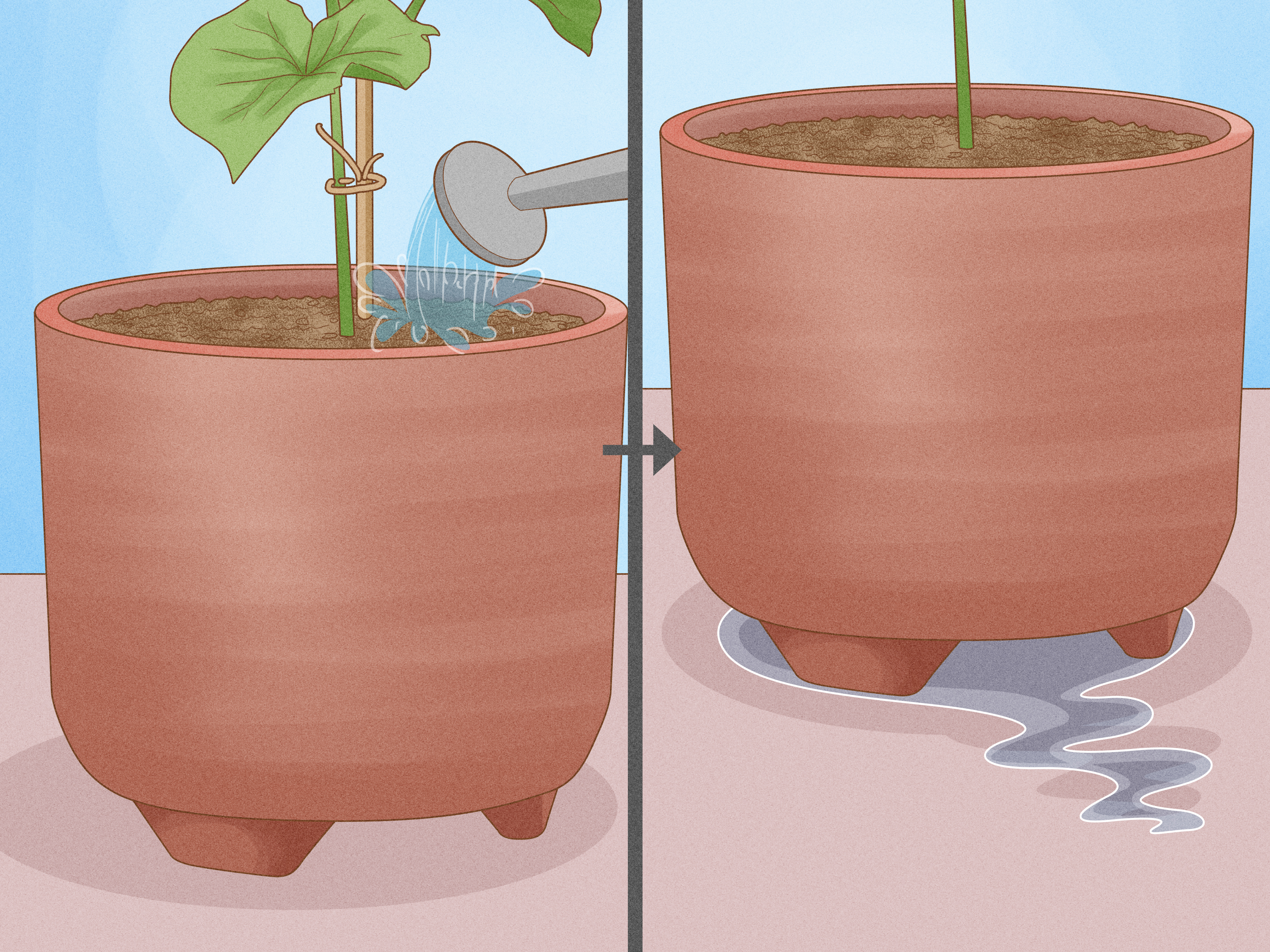
Keep the soil evenly moist, not soggy. Check the top inch of potting mix regularly. If it feels dry, water deeply until excess moisture drains out the bottom. Never let the pot sit in standing water for long.
Inconsistent watering is one of the fastest ways to get bitter fruit, misshapen cucumbers, blossom drop, or a plant that looks personally offended. A simple watering routine helps prevent all of that drama.
Fertilizing
Start feeding once the plant is established and growing steadily. Use a diluted liquid fertilizer every couple of weeks, or follow the label directions on a slow-release vegetable fertilizer. Too much nitrogen can push leafy growth at the expense of fruit, so do not overfeed just because the bottle sounds encouraging.
Do Indoor Cucumbers Need Pollination?
Sometimes yes, sometimes no. This depends entirely on the variety.
If you are growing parthenocarpic cucumbers, the plant can produce fruit without pollination. These are ideal for indoor growing and greenhouse setups.
If you are growing a standard cucumber variety that produces separate male and female flowers, you may need to hand-pollinate. Female flowers have a tiny immature cucumber behind the bloom. Male flowers do not.
How to hand-pollinate cucumbers
- Use a small paintbrush or cotton swab.
- Collect pollen from the center of a male flower.
- Transfer it gently to the center of a female flower.
That is it. You are now the bee. Congratulations on your promotion.
Common Indoor Cucumber Problems and How to Fix Them
Yellow leaves
Yellowing can result from overwatering, underwatering, nutrient imbalance, or insufficient light. Check moisture first, then review your feeding and lighting setup. Indoor cucumbers are not subtle when something is off.
Flowers but no fruit
This usually points to pollination issues, heat stress, or inconsistent care. If you are not using a parthenocarpic variety, try hand-pollination. Also make sure temperatures are not getting too hot near windows or lights.
Small or misshapen cucumbers
Poor pollination and uneven watering are common causes. Keep moisture steady and assist with pollination if needed.
Powdery mildew or fungal trouble
Improve airflow, avoid splashing water on leaves, and do not let the plant become an overcrowded jungle. Prune damaged leaves when needed and give vines a little breathing room.
Pests indoors
Even indoor gardens can attract aphids, spider mites, or fungus gnats. Inspect leaves often, especially undersides. If pests appear, isolate the plant and treat promptly with gentle methods appropriate for edible plants, such as insecticidal soap used according to label directions.
How and When to Harvest Indoor Cucumbers
Harvest cucumbers while they are still young, tender, and the size recommended for the variety. Waiting too long can lead to oversized fruit with tougher skin, larger seeds, and a flavor that is less “fresh and crisp” and more “why is this cucumber judging me?”
Use clean scissors or pruners instead of yanking fruit off the vine. Frequent harvesting encourages the plant to keep producing. In other words, the more you pick, the more your cucumber plant tends to show off.
Can You Grow Cucumbers Indoors Year-Round?
Yes, you can grow cucumbers indoors year-round if you can provide enough light, warmth, water, nutrients, and support. That is the main challenge. Outdoor gardeners can borrow sunshine for free. Indoor gardeners have to build the season themselves.
With a decent grow-light setup and a smart variety choice, year-round cucumber production is very realistic. The harvest may not look like a commercial greenhouse exploded in your kitchen, but it can absolutely supply fresh cucumbers for salads, snacks, sandwiches, and the occasional proud text message to friends.
Best Tips for Indoor Cucumber Success
- Choose compact, container-friendly cucumber varieties.
- Use a large pot with excellent drainage.
- Provide 12 to 16 hours of bright light daily.
- Keep temperatures warm and stable.
- Trellis vines to save space and improve airflow.
- Water consistently so the soil stays evenly moist.
- Feed regularly, but do not overdo nitrogen.
- Use parthenocarpic types or hand-pollinate when necessary.
- Harvest often for the best flavor and continued production.
Final Thoughts
Learning how to grow cucumbers indoors is one of those gardening projects that sounds ambitious until you realize it is mostly about meeting a few very specific needs. Warmth, light, moisture, support, and the right variety do most of the heavy lifting.
Once you get the setup right, indoor cucumbers can be surprisingly generous. They climb, flower, and fruit with an enthusiasm that feels almost suspicious. One day you are admiring a healthy vine. The next day you are wondering how a plant near your bookshelf became the most productive thing in the room.
If you want a year-round edible garden that is practical, rewarding, and just a little bit impressive, cucumbers deserve a spot on your indoor growing list. Fresh, crunchy, homegrown cucumbers in the middle of winter? That is not just gardening. That is a lifestyle upgrade.
Real-Life Indoor Cucumber Growing Experiences
The first time many people try growing cucumbers indoors, they make one of two classic mistakes. The first is underestimating how much light cucumbers need. The second is assuming a cute little pot from a home decor aisle is going to support a hungry, fast-growing vine. Spoiler alert: the cucumber plant usually responds by becoming tall, dramatic, and mildly unproductive.
A common beginner experience goes something like this: seeds sprout quickly, the grower becomes wildly confident, and then the seedlings start stretching like they are trying to escape the room. That is usually the moment people learn that cucumbers are not low-light houseplants wearing vegetable costumes. Once strong grow lights are added, the plants often rebound beautifully, producing sturdier stems and darker leaves within a short time.
Another very real experience is the surprise of how fast cucumber vines move. Indoor gardeners often say the plant seems manageable one week and then suddenly starts grabbing nearby shelves, lamp stands, and innocent neighboring plants the next. This is why adding a trellis early makes such a difference. People who skip it tend to spend several days carefully untangling vines and apologizing to the plant like they are diffusing a botanical misunderstanding.
Growers also learn quickly that indoor cucumbers can be extremely responsive to routine. When watering happens on time, the leaves stay perky and the fruit develops evenly. When watering becomes erratic, the plant tends to show its displeasure fast. Some gardeners notice slight bitterness in fruit after dry spells, while others see flowers drop or baby cucumbers stop developing. It is one of the clearest examples of a plant saying, “I asked for consistency, not chaos.”
Pollination is another area where personal experience teaches lessons quickly. Gardeners who choose parthenocarpic varieties often describe indoor cucumber growing as surprisingly easy. The fruit sets without extra help, and the process feels smooth and beginner-friendly. By contrast, growers using standard varieties sometimes have a confusing phase where flowers appear, excitement peaks, and then no cucumbers follow. Once they realize hand-pollination is needed, the mystery disappears. Many end up enjoying it more than expected. It takes less than a minute and makes them feel oddly accomplished, like they have joined a tiny agricultural secret society.
Container size is another thing experienced indoor gardeners mention over and over. Plants in larger containers generally grow more steadily, need less constant attention, and handle warm indoor conditions better. People who upgrade from a small pot to a large container often report that the plant becomes easier to manage almost immediately. Watering evens out, growth stabilizes, and fruit quality improves. In gardening terms, this is the equivalent of finally buying shoes that fit.
One especially encouraging pattern from indoor growers is that success does not require a fancy greenhouse or a massive home setup. Plenty of people grow excellent cucumbers in a sunny corner with a light, a sturdy pot, and a simple vertical support. The system can be surprisingly modest. What matters most is not perfection but meeting the plant’s basic needs consistently.
Experienced gardeners also tend to become more relaxed after the first harvest. Before that first cucumber appears, every yellow leaf feels like a crisis and every blossom seems loaded with emotional significance. After harvest, confidence grows. Gardeners start pruning more calmly, adjusting light height without panic, and recognizing that plants are resilient as long as the overall conditions are good.
Perhaps the most enjoyable shared experience is the harvest itself. Indoor cucumbers often feel more exciting than outdoor ones because they seem slightly improbable. Pulling a crisp cucumber from a vine in the middle of a chilly season feels wonderfully absurd in the best possible way. It is the kind of gardening success that makes people immediately consider growing something else indoors too, usually with the dangerous optimism that comes right before buying more seeds.
In the end, the lived experience of growing cucumbers indoors is a mix of trial, adjustment, and genuine delight. You learn how your space behaves, how quickly the pot dries, how close the light should sit, and when the plant is ready for harvest. The process gets easier with every round. And once you have sliced your own homegrown cucumber onto a sandwich in the middle of winter, it becomes very hard to go back to admiring houseplants that contribute nothing but ambiance.