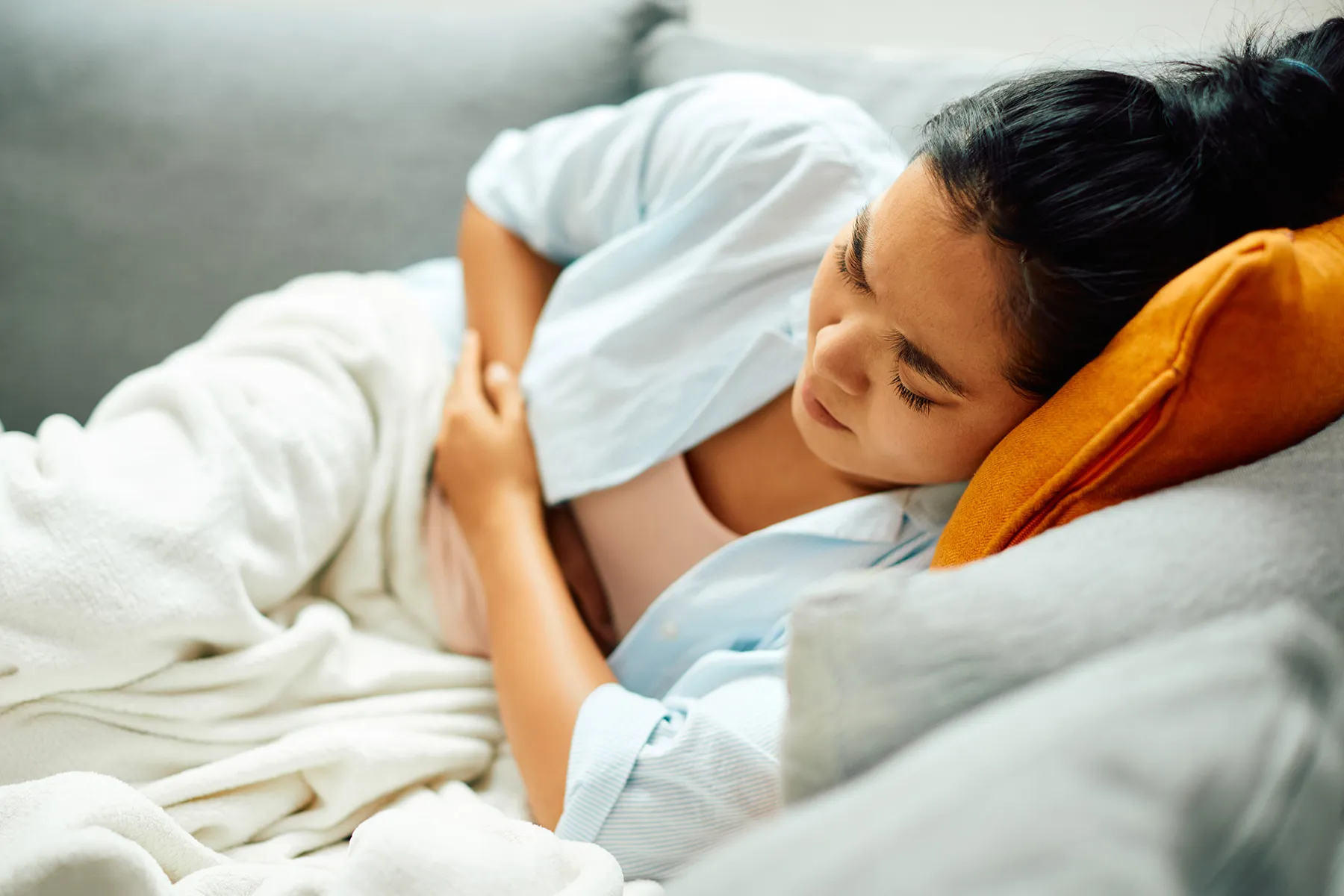
Menstrual cramps have terrible timing. They can arrive before an exam, during a work presentation, halfway through a vacation, or precisely when you are wearing pants with an unforgiving waistband. Fortunately, you do not have to simply curl into a question mark and wait for your uterus to finish its monthly performance.
The most effective ways to relieve menstrual cramps include taking an appropriate anti-inflammatory medicine early, applying heat, staying gently active, and treating any underlying health condition. The right strategy depends on how severe the pain is, how predictable your period is, and whether the cramps have recently changed.
Why Do Menstrual Cramps Happen?
Menstrual cramps, medically known as dysmenorrhea, usually feel like throbbing, pressure, or tightening in the lower abdomen. The discomfort may spread to the lower back or thighs. Some people also experience nausea, loose stools, headaches, fatigue, or dizziness.
During menstruation, the uterus contracts to help shed its lining. Hormone-like substances called prostaglandins stimulate these contractions. Prostaglandin levels tend to be highest near the beginning of a period, which helps explain why cramps often peak during the first day or two and then gradually calm down.
Primary versus secondary dysmenorrhea
Primary dysmenorrhea is recurring menstrual pain that is not caused by another pelvic condition. It often begins during adolescence and follows a fairly predictable pattern from one cycle to the next.
Secondary dysmenorrhea is period pain related to a condition such as endometriosis, adenomyosis, uterine fibroids, pelvic inflammatory disease, or an ovarian problem. This type of pain may begin later in life, become progressively worse, last beyond the first few days of bleeding, or occur at other points in the menstrual cycle.
How to Get Rid of Menstrual Cramps Quickly
1. Take an anti-inflammatory pain reliever early
For many people, nonsteroidal anti-inflammatory drugs, or NSAIDs, are the most effective over-the-counter treatment for menstrual cramps. Common examples include ibuprofen and naproxen. These medications reduce the production of prostaglandins rather than merely covering up the pain.
Timing matters. An NSAID may work best when taken at the first hint of cramping or bleeding. People with highly predictable cycles may be advised to begin the day before their expected period. Follow the Drug Facts label, use the smallest effective amount, and do not take more frequently or for longer than directed.
Do not combine ibuprofen, naproxen, aspirin, or another NSAID unless a healthcare professional specifically tells you to. They belong to the same medication family, so stacking them does not create a superhero painkiller. It mainly increases the possibility of side effects.
NSAIDs can cause stomach bleeding and may not be appropriate for people with ulcers, bleeding disorders, kidney problems, certain heart conditions, or allergies to these medicines. They can also interact with anticoagulants, steroids, and other medications. The FDA advises avoiding NSAIDs at 20 weeks of pregnancy or later unless a healthcare professional specifically recommends them.
2. Apply heat to the lower abdomen or back
A heating pad, heated wrap, warm-water bottle, or warm bath can relax tense muscles and make cramping feel less intense. Heat is particularly useful when you cannot take NSAIDs or need additional relief while waiting for medicine to start working.
Clinical studies and systematic reviews have found that topical heat can meaningfully reduce primary menstrual pain. Use a comfortable temperature, place fabric between your skin and the heat source when necessary, and follow the product’s safety instructions. Avoid falling asleep on a high-temperature heating pad unless it is specifically designed for extended use.
3. Try gentle movement
Exercise may be the last item on your wish list when cramps hit, somewhere below reorganizing the garage and learning advanced calculus. Still, gentle physical activity may help reduce discomfort and stiffness.
Try a 10- to 20-minute walk, easy cycling, light yoga, swimming, or slow stretching. You do not need to crush a high-intensity workout. The goal is to increase circulation and help your body relax, not to audition for a fitness commercial. Regular physical activity between periods may also reduce the severity of future cramps for some people.
4. Use comfortable positions and abdominal massage
Experiment with positions that reduce pressure on the abdomen. Lying on your side with your knees slightly bent, placing a pillow beneath your knees while lying on your back, or resting in a supported child’s pose may feel soothing.
Gently massaging the lower abdomen in slow circles can also help relax surrounding muscles. Massage is not a cure for severe dysmenorrhea, but it can be a useful addition to heat, medication, and rest.
5. Calm the body’s stress response
Pain can cause muscle tension and anxiety, which may make the entire experience feel worse. Slow breathing, meditation, progressive muscle relaxation, or a warm shower can help interrupt that cycle.
Try inhaling slowly for four counts and exhaling for six counts for several minutes. This will not order your uterus to behave, unfortunately, but it may reduce the tension surrounding the pain.
How to Prevent Severe Cramps During Future Periods
Track your menstrual cycle
Record the first day of bleeding, pain level, bleeding volume, medications used, and other symptoms. A paper calendar works perfectly well, although an app can make patterns easier to identify.
Tracking helps you prepare heat supplies and medication before the cramps begin. It also gives a healthcare professional useful information if treatment is not working. Instead of saying, “My cramps are awful sometimes,” you can explain that the pain begins two days before bleeding, lasts four days, and causes you to miss work every other month. Specifics are powerful.
Exercise consistently
Regular aerobic movement may be more helpful than performing one heroic workout on the worst day of your period. Walking, dancing, cycling, swimming, and other activities that you can sustain are reasonable options. Add gentle strength and mobility exercises if they feel comfortable.
Protect your sleep
Menstrual pain can disturb sleep, while poor sleep can make pain feel harder to manage. During the days surrounding your period, keep a consistent bedtime, limit late-night caffeine, and make your sleeping environment as cool and quiet as possible.
Eat regularly and stay hydrated
No single food instantly switches off menstrual cramps. A balanced eating pattern can, however, support energy levels and reduce the misery of dealing with pain while hungry, dehydrated, or constipated.
Choose regular meals containing protein, fruits, vegetables, whole grains, and sources of healthy fats. Drink enough water that your urine is generally pale yellow. If caffeine appears to worsen jitteriness, diarrhea, or discomfort during your period, reduce it and see whether symptoms improve.
Be cautious with supplements marketed as “hormone detoxes” or instant period cures. Some supplements interact with medicines, contain inconsistent amounts of active ingredients, or have limited evidence behind their claims. Discuss magnesium, herbal products, or high-dose vitamins with a clinician or pharmacist before experimenting.
Discuss hormonal treatment with a clinician
If home care and over-the-counter medicines are not enough, a healthcare professional may recommend hormonal treatment. Birth control pills, patches, rings, injections, implants, and certain hormonal intrauterine devices can reduce menstrual pain by suppressing ovulation, thinning the uterine lining, or lowering prostaglandin production.
The best option depends on your medical history, pregnancy plans, bleeding pattern, preferences, and risk factors. Hormonal treatment can be useful even when contraception is not the main goal, but it should be selected with professional guidance.
Consider a TENS device
A transcutaneous electrical nerve stimulation, or TENS, unit sends mild electrical impulses through adhesive pads placed on the skin. Some people find it helpful for menstrual pain, particularly when used alongside other treatments.
Research is promising but less conclusive than the evidence for NSAIDs and hormonal therapy. Follow the device instructions and ask a healthcare professional before using TENS if you have an implanted electrical device, a heart condition, epilepsy, pregnancy, or another relevant medical concern.
Common Menstrual Cramp Mistakes to Avoid
- Waiting until the pain is extreme: Prostaglandin-blocking medicine usually works better when taken early, if it is safe for you.
- Taking multiple NSAIDs together: Combining ibuprofen and naproxen increases risk without guaranteeing better relief.
- Exceeding the label: More medicine does not always mean more pain control.
- Using intense heat: A heating pad should soothe your abdomen, not grill it.
- Ignoring worsening symptoms: Pain that repeatedly disrupts school, work, sleep, or normal activity deserves medical attention.
- Assuming every pelvic pain is a menstrual cramp: Infection, pregnancy complications, appendicitis, ovarian problems, and other conditions can cause similar pain.
When Should You See a Doctor for Menstrual Cramps?
Make a medical appointment if cramps are not controlled by correctly used over-the-counter treatment, become noticeably worse, begin after years of relatively painless periods, or routinely interfere with work, school, sleep, exercise, or relationships.
You should also seek evaluation for pain between periods, pain during sex, difficulty becoming pregnant, periods lasting longer than usual, bleeding between periods, or unusually heavy bleeding. Fever, foul-smelling vaginal discharge, painful urination, or bleeding after sex may indicate an infection such as pelvic inflammatory disease and should be assessed promptly.
Get urgent medical help when:
- The pain is sudden, severe, or sharply focused on one side.
- You are fainting, extremely dizzy, weak, confused, or short of breath.
- You have severe pain with heavy or uncontrolled bleeding.
- You have pelvic pain with a fever or repeated vomiting.
- You may be pregnant and have pelvic pain or vaginal bleeding.
- You have pelvic pain, shoulder pain, dizziness, or fainting after a positive pregnancy test.
Severe abdominal or pelvic pain with vaginal bleeding, shoulder pain, fainting, or extreme lightheadedness during a possible pregnancy can be a sign of ectopic pregnancy, which is a medical emergency.
What Could Cause Cramps That Do Not Improve?
Persistent or worsening period pain may be linked to an underlying condition. Possible causes include:
- Endometriosis: Tissue similar to the uterine lining grows outside the uterus and can cause severe cyclical pain, painful sex, bowel discomfort, or fertility problems.
- Adenomyosis: Tissue from the uterine lining grows into the muscular wall of the uterus, sometimes causing heavy bleeding and intense cramps.
- Uterine fibroids: Noncancerous growths that may cause pelvic pressure, heavy bleeding, or pain.
- Pelvic inflammatory disease: An infection involving the reproductive organs that may cause pelvic pain, fever, unusual discharge, and bleeding between periods.
- Ovarian cysts or other ovarian conditions: These can cause one-sided or sudden pelvic pain.
- Cervical or structural problems: Narrowing or anatomical differences may interfere with menstrual flow and contribute to pain.
Diagnosis may involve a medical history, physical examination, pregnancy testing, laboratory tests, or pelvic imaging. Treatment should target the cause rather than requiring you to continually battle the symptoms with a heating pad and optimism.
A Practical Menstrual Cramp Relief Plan
One or two days before an expected period
Prepare your preferred menstrual products, heating pad, comfortable clothing, water bottle, and any medication that is safe for you. Review the label rather than trying to remember the directions while your abdomen is staging a rebellion.
At the first sign of pain or bleeding
Use your chosen treatment early. Apply gentle heat, eat a light meal if needed, and drink water. If a clinician has recommended an NSAID, take it exactly as directed instead of waiting until the pain becomes overwhelming.
During the most uncomfortable hours
Combine compatible methods: heat, gentle walking, stretching, relaxation, and properly used medication. Rest when necessary, but change positions occasionally so prolonged curling does not add back or hip stiffness to the situation.
After the period
Record what worked, what did not, how long the pain lasted, and whether symptoms disrupted normal activities. If you repeatedly need more treatment than the label allows or still cannot function normally, schedule an evaluation.
Experiences and Practical Lessons About Managing Menstrual Cramps
The following are composite examples based on common experiences rather than accounts from specific individuals. They demonstrate why menstrual cramp relief is often less about discovering one magical trick and more about creating a plan that matches the pattern of your symptoms.
The lesson of starting treatment early
Consider someone whose cramps usually begin during the afternoon before her period. For years, she waited until the pain became severe before reaching for relief. By that point, she was nauseated, tense, and convinced that her uterus had developed a personal grudge.
After tracking several cycles, she recognized the pattern. With medical approval, she began using her recommended treatment at the earliest sign of cramping and applied a warm wrap while continuing her normal routine. The pain did not vanish completely, but it became manageable enough that she could finish work, eat dinner, and sleep normally.
The practical lesson is that timing can matter as much as the treatment itself. Waiting for pain to reach its maximum level may make relief harder to achieve.
The lesson of combining simple strategies
Another common experience involves relying on only one method. A college student might take medicine but skip meals, forget to drink water, sit in the same hunched position for six hours, and then wonder why she still feels terrible.
A more effective routine may include eating something gentle, using a heating pad, walking around the room every hour, stretching the hips and lower back, and going to bed at a reasonable time. None of these habits is particularly glamorous. There is no ceremonial tea brewed beneath a full moon. Together, however, they may reduce tension, fatigue, and the secondary discomfort that makes cramps feel even worse.
The lesson of keeping a period kit
People with predictable cramps often benefit from keeping a small kit in a backpack, desk, or travel bag. It may contain menstrual products, a disposable heat patch, spare underwear, a snack, and any approved medication in its original labeled package.
This kind of preparation can reduce anxiety, especially at work or school. Instead of wondering whether the cramps will ruin the day, you already know what steps to take. The kit will not win design awards, but neither will frantically searching a convenience store while cramping.
The lesson of recognizing that severe pain is not “just normal”
Some people spend years being told that painful periods are simply part of life. One person may begin missing school as a teenager, then later miss work because of vomiting, faintness, and pelvic pain that lasts well beyond the first day of bleeding. Over-the-counter medication barely helps, yet she hesitates to seek care because everyone around her also complains about periods.
When she finally discusses the full pattern with a gynecologist, the clinician investigates for secondary causes such as endometriosis or adenomyosis. Getting evaluated does not guarantee an immediate answer, but it creates a path toward appropriate treatment rather than endless trial and error.
The important distinction is not whether some discomfort is common. It is whether the pain repeatedly prevents normal life. Common does not automatically mean harmless, and severe suffering is not a membership fee for having a menstrual cycle.
The lesson of bringing useful details to an appointment
A symptom diary can transform a medical conversation. Record when pain begins, where it is located, how intense it becomes, what bleeding is like, which treatments you tried, and how symptoms affected your activities.
Statements such as “I missed two workdays during each of my last three periods” or “the pain continues for five days and occurs during sex” give a clinician far more information than “my period is bad.” Photos of medication labels and a written list of supplements can also prevent confusion.
Ultimately, the best experience comes from having a repeatable plan: treat early, use safe supportive methods, track the results, and ask for medical help when the pattern does not fit ordinary primary cramps.
Conclusion
The fastest way to relieve menstrual cramps is usually to act early. When medically appropriate, an NSAID can reduce the prostaglandins driving uterine contractions. Heat, gentle movement, comfortable positioning, adequate sleep, and relaxation can provide additional relief.
If cramps are severe, worsening, unusually long-lasting, or accompanied by heavy bleeding, fever, discharge, fainting, pain during sex, or possible pregnancy, do not simply add another blanket and hope for the best. Seek medical care. Effective treatments are available, and identifying an underlying condition may provide much more lasting relief than repeatedly treating the pain alone.