Fear of deep water can make a perfectly innocent swimming pool look like a blue monster with excellent tile work. One minute you are standing in the shallow end, feeling brave and hydrated. The next, you glance toward the deep end and your brain starts playing dramatic movie music. If this sounds familiar, you are not “bad at swimming,” “too old to learn,” or “being ridiculous.” You are experiencing a real fear response, and the good news is that it can be trained, softened, and often overcome.
Learning how to get over a fear of deep water is not about forcing yourself to jump into the ocean and “just relax.” That advice is about as useful as telling someone with stage fright to “simply become Beyoncé.” A better approach is gradual, safe, skill-based, and kind to your nervous system. You build trust in the water one step at a time: breathing, floating, treading, turning, exiting, and eventually swimming where your feet cannot touch.
This guide explains why deep water feels scary, how to practice safely, what skills matter most, and how to use proven anxiety-management strategies such as gradual exposure, breathing control, and confidence-building swim lessons. Let’s turn deep water from a panic button into a place you can respect, understand, and maybe even enjoy.
What Is Fear of Deep Water?
A fear of deep water may be connected to aquaphobia, which is an intense fear of water, or thalassophobia, which is commonly described as fear of large bodies of water such as oceans, lakes, or deep open water. Some people are comfortable in the bathtub, shower, or shallow end of a pool but panic when the bottom drops away. Others feel uneasy just looking at dark water because they cannot see what is underneath.
Fear of deep water can come from many places. You may have had a frightening childhood experience, been pushed into a pool, swallowed water, watched someone struggle, or grown up in a family where swimming was not taught. Sometimes there is no obvious origin. The brain simply decides, “Deep water equals danger,” and then files that message in the high-priority alarm folder.
Common signs of deep water anxiety
Deep water fear can show up physically, mentally, and emotionally. You may feel your heart race, your breathing become shallow, your muscles tighten, or your stomach twist into a tiny sailor’s knot. Mentally, you may imagine sinking, losing control, being unable to breathe, or getting pulled away from safety. Emotionally, you might feel embarrassed, frustrated, or angry at yourself for reacting so strongly.
The important thing to remember is that anxiety is not proof that you are unsafe. Anxiety is proof that your nervous system is trying to protect you. It may be overprotecting you, like a lifeguard who blows the whistle every time someone applies sunscreen, but it is still trying to help.
Why Deep Water Feels So Intimidating
Deep water removes one of the biggest sources of comfort: the ability to stand. In shallow water, your feet can touch the floor, and your brain knows you have an exit plan. In deep water, you must rely on floating, breathing, body position, and swimming skills. If those skills feel weak or unfamiliar, your brain may interpret depth as danger.
Visibility also matters. A clear swimming pool is usually less frightening than a dark lake or moving ocean because you can see the bottom. Open water adds extra variables: waves, currents, temperature, boats, weeds, wildlife, and the mysterious object that brushed your ankle but was almost definitely not a sea monster. Probably.
The goal is not to pretend water has no risks. Water deserves respect. The goal is to separate realistic safety awareness from panic. A confident swimmer does not think, “Nothing can happen to me.” A confident swimmer thinks, “I know my limits, I know what to do, and I choose safe conditions.”
Start with Safety, Not Bravery
Before you practice in deep water, build a safe environment. This is not the time for dramatic dares, surprise cannonballs, or friends who think motivation means yelling, “Come on, it’s easy!” Choose a supervised pool, ideally one with a lifeguard. Practice with a calm buddy or a certified swim instructor who understands fearful swimmers. Avoid alcohol before or during swimming, boating, or water activities because it can affect judgment, balance, and coordination.
If you are practicing outdoors, choose designated swimming areas and check local conditions. At beaches, swim near lifeguards and pay attention to warning flags. Rip currents can pull swimmers away from shore, and the safest response is not to fight straight back against the current. Float, call or wave for help, and if you can, swim parallel to shore until free of the current before returning at an angle.
Use flotation wisely
A U.S. Coast Guard-approved life jacket is important for boating, paddling, and many open-water activities. For pool practice, kickboards, noodles, and flotation belts can help build confidence, but they should support skill development rather than replace it forever. Think of flotation tools like training wheels: useful at first, not a personality trait.
Learn the Five Core Water Competency Skills
To overcome fear of deep water, you need more than courage. You need water competency. This means being able to enter water safely, return to the surface, control your breathing, float or tread water, turn around, move toward safety, and exit. These skills create a practical safety plan your brain can trust.
1. Breathing control
Many fearful swimmers hold their breath underwater. This feels natural, but it often increases panic. Practice blowing bubbles through your nose or mouth while your face is in the water, then lifting your face to inhale. Start at the wall in shallow water. You can begin by dipping only your chin, then your mouth, then your nose, then your whole face.
2. Floating
Floating teaches your body that water can support you. Begin on your back with support under your shoulders or head. Keep your lungs gently filled with air, relax your neck, and let your hips rise. Many beginners try to “sit” in the water, which makes the legs sink. A better image is to lie on the water as if it is a slightly wobbly mattress.
3. Treading water
Treading water is a major confidence skill for deep water. It gives you time to breathe, look around, and make decisions. Start with support, then practice small arm movements and gentle leg motions. You do not need to thrash like an eggbeater in a panic omelet. Calm, efficient movement works better.
4. Turning and changing direction
Fear often rises when you feel stuck. Practice turning from front to back, back to front, and rotating in a full circle. The more ways you can change position, the less trapped you feel.
5. Safe exits
Always know how to get out. Practice swimming to the wall, holding the edge, climbing out without a ladder if possible, and identifying exits before you enter. In open water, identify landmarks and stay within a safe distance from shore.
Use Gradual Exposure to Retrain Your Fear Response
Gradual exposure is one of the most effective ways to work with specific fears and phobias. The idea is simple: you approach the fear in small, manageable steps instead of avoiding it completely or overwhelming yourself. Each successful step teaches your brain, “I can handle this.”
For deep water fear, exposure should be planned like a staircase, not a cliff. You do not start by jumping off the high dive. You start where your body can stay calm enough to learn.
A sample deep-water confidence ladder
Begin by standing in shallow water and practicing slow breathing. Next, hold the wall and put your face in the water for one second. Then blow bubbles for three seconds. Then practice floating with support. Then float without support for a moment. Then move to chest-deep water. Then practice treading while holding a noodle. Then spend a few seconds where your feet cannot touch while holding the wall. Eventually, you practice short swims across deeper water with an instructor or trusted buddy nearby.
Move up the ladder only when the current step feels boring or manageable. Boring is good. Boring means your nervous system is learning that deep water does not require an emergency press conference.
Work with Your Thoughts, Not Against Them
Fear of deep water often comes with scary predictions: “I will sink,” “I will panic,” “Everyone will stare,” or “I will never learn.” These thoughts feel powerful because they arrive with physical anxiety. But a thought is not a fact. It is a mental event, and sometimes mental events are wildly dramatic.
Try replacing panic thoughts with useful coaching statements. Instead of “I am going to sink,” say, “My body can float when I breathe and relax.” Instead of “I cannot do this,” say, “I am practicing one skill at a time.” Instead of “People will judge me,” say, “Most people are busy adjusting their goggles and trying not to inhale pool water.”
Use a calm script
Create a short phrase you can repeat during practice: “Breathe, float, turn, reach.” Or: “Slow is safe.” Or: “I can pause and reset.” The phrase should be simple enough to remember when your brain is busy trying to resign from the swimming lesson.
Take Adult Swim Lessons If You Can
If you are an adult who fears deep water, swim lessons can feel embarrassing at first. Many adults assume everyone else learned as a child. That is not true. Plenty of adults cannot swim confidently, and many instructors are trained to work with beginners, fearful swimmers, and people returning after a bad experience.
A good instructor will not shame you, rush you, or throw you into the deep end like a motivational potato. They will teach breathing, floating, kicking, arm movement, body position, and safety skills in a structured way. Private lessons may be especially helpful if you feel self-conscious in groups. Group classes can also be encouraging because you realize you are not the only adult learning.
Practice in the Right Environment
Where you practice matters. A warm, quiet, shallow pool is often better than a crowded public swim session with splashing kids, echoing whistles, and one guy doing aggressive butterfly like he is trying to defeat the lane rope. Look for beginner-friendly pools, therapy pools, or adult swim times.
Start in clear water with a visible bottom. Once you are comfortable, you can slowly expand to deeper pools, then calm lakes or protected open-water areas if that is your goal. Ocean swimming should come later, after you understand waves, currents, tides, and local conditions.
Do Not Confuse Panic with Failure
During practice, you may still have moments of panic. That does not mean you failed. It means your nervous system hit an old alarm. The skill is learning how to reset. Hold the wall. Float on your back. Stand up if you are in shallow water. Take slow breaths. Use your calm phrase. Then decide whether to continue, repeat an easier step, or stop for the day.
Progress is not always dramatic. Sometimes progress is putting your face in the water without flinching. Sometimes it is walking calmly toward the deep end. Sometimes it is staying in the pool for ten minutes longer than last time. Tiny wins count. In fact, tiny wins are how big wins sneak into your life wearing goggles.
Build Confidence Outside the Pool
Your water confidence improves when your general anxiety management improves. Sleep, hydration, regular exercise, and stress reduction all help your body respond more calmly. Visualization can also help. Picture yourself entering the pool, breathing slowly, floating, treading, and exiting safely. Mental rehearsal does not replace practice, but it can make practice feel more familiar.
You can also watch beginner swim videos from reputable swim schools, read about water safety, or visit the pool without swimming. For some people, simply being near water without pressure is an important first step.
When to Get Professional Help
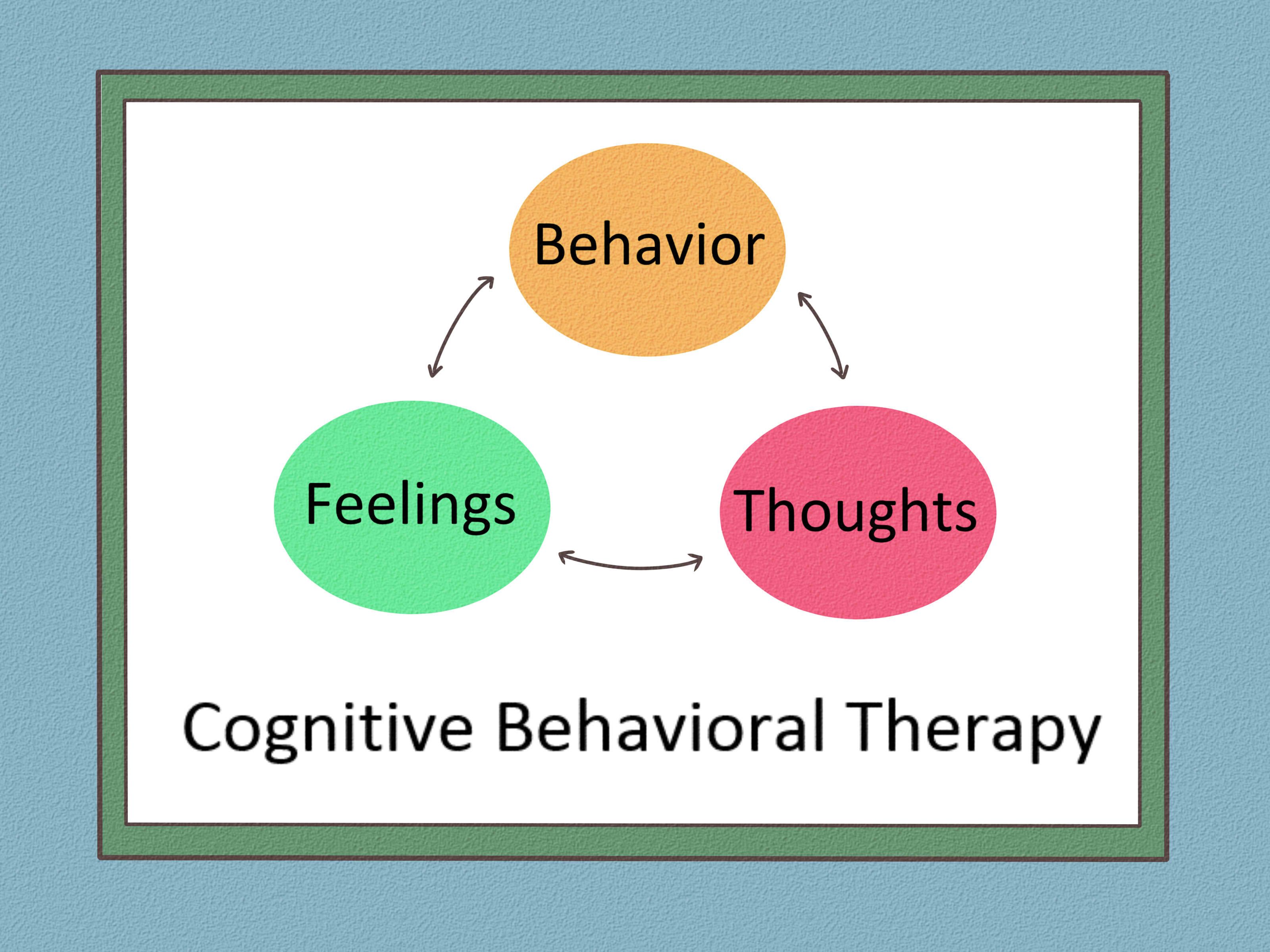
If your fear of deep water causes intense panic, interferes with travel or family life, or comes from trauma, consider working with a licensed mental health professional. Cognitive behavioral therapy, exposure therapy, and relaxation training can be very helpful for phobias. A therapist can help you build a fear ladder, manage panic symptoms, and challenge catastrophic thoughts in a safe, structured way.
You may also benefit from combining therapy with swim instruction. A therapist helps train your fear response; a swim instructor helps train your body. Together, that can be a powerful combination.
Common Mistakes to Avoid
Rushing into deep water too soon
Jumping ahead may reinforce fear instead of reducing it. Confidence grows best through repeated successful experiences.
Practicing alone
Even skilled swimmers should avoid swimming alone. If you are fearful or still learning, practice with supervision.
Using shame as motivation
Calling yourself weak, silly, or hopeless does not make you braver. It makes the pool feel like a courtroom. Use encouragement instead.
Ignoring real water hazards
Confidence does not mean ignoring currents, cold water, weather, fatigue, or distance from shore. Smart swimmers respect conditions.
A Simple Weekly Practice Plan
For week one, visit the pool twice and spend time standing, breathing, and getting comfortable with water on your face. For week two, practice bubbles, supported back floats, and front floats. For week three, add gentle kicking with a board and rolling from front to back. For week four, practice treading water with support and short swims in chest-deep water. For week five and beyond, work with an instructor on deep-water entries, floating, treading, turning, and swimming to safety.
Keep sessions short and positive. Twenty calm minutes are better than one exhausting hour that ends with you gripping the ladder like it owes you money.
Real-Life Experiences: What Overcoming Deep Water Fear Can Feel Like
Many people who overcome fear of deep water describe the same first hurdle: embarrassment. They worry they are too old to learn, too nervous to look normal, or too far behind everyone else. One adult beginner might walk into a community pool and feel like every splash is an announcement: “Attention, we have a grown-up who cannot swim.” In reality, most people are focused on their own laps, their children, or finding the locker key they definitely just had.
The first breakthrough is often surprisingly small. A person who once avoided pools may start by sitting on the edge with feet in the water. The next visit, they stand on the steps. Then they hold the wall and dip their chin. Later, they blow bubbles. That tiny bubbling moment can feel ridiculous and heroic at the same time. It is not Olympic swimming, but it is proof that the body can learn something new.
Another common experience is discovering that floating is less about strength and more about trust. Fearful swimmers often tense every muscle, lift the head, and accidentally make floating harder. When they finally let the head rest back, keep air in the lungs, and allow the water to hold them, something changes. The water stops feeling like an enemy and starts feeling like a surface. Not a perfectly still surface, of course. More like a mattress with a mischievous personality.
Deep water practice can also bring emotional memories to the surface. Someone may remember being teased during childhood lessons or being pushed into a pool by a relative who thought it was funny. Part of getting over the fear is realizing that the old experience is over. You are not that trapped child anymore. You can choose the instructor, choose the pace, choose the pool, and choose to stop when you need to reset.
Progress usually arrives unevenly. One day you may tread water for thirty seconds and feel unstoppable. The next day, the deep end may look intimidating again. This does not mean you went backward. Confidence is built through repetition, and the nervous system sometimes asks for extra proof. Give it proof gently. Repeat the easier skills. Return to the wall. Float with support. Then try again.
People who stick with practice often describe a beautiful shift: the pool becomes less about fear and more about freedom. The smell of chlorine that once triggered anxiety starts to signal possibility. The deep end becomes a place to practice, not a place to avoid. A lake vacation becomes less stressful. A boat ride feels safer because you know how to wear a life jacket, stay calm, and respect the water. Even if you never become a competitive swimmer, you become someone who can participate instead of politely inventing excuses from a beach chair.
Perhaps the best experience is the first time you realize your feet are not touching the bottom and you are still okay. You are breathing. You are floating or treading. You know where the wall is. You know how to turn. You know how to rest. That moment may last only a few seconds, but it can rewrite years of fear. Deep water may still deserve respect, but it no longer gets to be the boss of your summer.
Conclusion
Getting over a fear of deep water is not a single leap; it is a series of calm, repeatable steps. Start with safety, learn essential water competency skills, practice gradual exposure, work with your thoughts, and consider adult swim lessons or professional therapy if your fear feels overwhelming. You do not need to become fearless. You need to become prepared, patient, and familiar with the water.
Deep water confidence grows when your brain has evidence that you can breathe, float, tread, turn, swim, and exit safely. Give yourself that evidence slowly. Celebrate small wins. Avoid reckless pressure. Respect the water, but do not let fear write the whole story. With time and practice, the deep end can become less of a monster and more of what it actually is: water, depth, and a skill you can learn.
SEO Tags
Note: This article is for educational purposes only. Practice water skills with proper supervision, and seek help from a certified swim instructor or licensed mental health professional if your fear is intense or connected to trauma.