Note: This guide is about creating a legal, playful “gangster bankroll” look for costumes, photo shoots, parties, skits, magic routines, or personal motivation. It is not about counterfeiting, scamming, laundering money, flashing cash in unsafe places, or pretending to have money you do not have. Keep it legal, keep it safe, and keep the drama for the camera.
Introduction: The Big Roll, Minus the Bad Decisions
A “gangster bankroll” is that thick, movie-style roll of cash you have probably seen in old mob films, music videos, Halloween costumes, poker-night jokes, and social media skits. It says, “I have arrived,” even if you actually arrived in a rideshare with a coupon code. The look is bold, funny, and dramaticbut creating one responsibly takes more than wrapping a rubber band around a few lonely dollars and calling it a financial empire.
The goal is to build a bankroll that looks impressive without breaking the law, risking your safety, or draining your actual bank account. You can make one using real low-denomination bills, clearly marked prop money, blank filler paper, novelty paper, or a combination of materials that are unmistakably not meant to deceive anyone. The best version looks good in photos, feels tidy in your hand, and does not create problems when someone mistakes your “movie boss” moment for actual suspicious behavior.
This guide blends style, common sense, cash organization, basic budgeting, and safety. Think of it as a DIY prop tutorial wearing a fedora, but with the soul of a responsible adult who pays bills on time.
What Is a Gangster Bankroll?
A gangster bankroll is a thick roll or bundle of bills designed to look like a large stack of money. In real life, people use cash rolls for tipping, travel, budgeting, small business cash handling, or personal organization. In pop culture, the bankroll became a symbol of swagger: a pocket-sized trophy that photographs well and makes a simple outfit look like it has a soundtrack.
For this article, the term means a legal, decorative, novelty-style cash roll. It can be made with real money you already own, clearly labeled prop money, or paper filler that does not imitate real currency. The point is presentation, not deception.
Materials You’ll Need
Basic Supplies
Before you begin, gather your materials. You do not need much, which is good news if your current bankroll is more “lunch money” than “movie villain.”
- Real bills in small denominations, such as $1s or $5s
- Clearly marked prop money, if used for entertainment only
- Blank paper strips, index cards, or craft paper for filler
- A rubber band, money band, ribbon, or elastic strap
- A flat surface for stacking and aligning
- A small pouch, envelope, or money clip for storage
Important Legal Reminder
Do not scan, print, copy, or reproduce U.S. currency to make fake bills. If you use prop money, buy or create novelty paper that is clearly marked as fake and cannot reasonably be confused with real money. Never try to spend prop money, pass it as real cash, leave it where someone else might spend it by mistake, or use it to mislead a seller, server, performer, or business.
How to Create a Gangster Bankroll: 12 Steps
Step 1: Decide Why You Want the Bankroll
Start with the purpose. Is it for a Halloween costume? A film project? A themed birthday party? A funny desk prop? A savings challenge? Your purpose determines what materials you should use. For a costume or photo shoot, prop money and filler paper may be enough. For a real cash budgeting roll, use actual bills and track the amount carefully.
This step matters because a safe bankroll is designed with context. A roll used in a private photo shoot is different from one carried around in public. The more public the setting, the more careful you should be.
Step 2: Set a Realistic Budget
The funniest thing about a gangster bankroll is that it should not make you broke. Decide how much actual money you can use without hurting your groceries, rent, transportation, savings, or emergency fund. If the answer is “none,” congratulationsyou are financially self-aware. Use blank filler and novelty paper instead.
A smart budget keeps the project fun. For example, you could use ten $1 bills on the outside and filler paper inside. It gives the visual effect without locking up hundreds of dollars in a rubber-band burrito.
Step 3: Choose Safe, Legal Materials
If you use real cash, stick with money you own and can afford to carry. If you use prop money, make sure it is clearly marked with phrases like “For Motion Picture Use Only,” “Copy,” “Prop Money,” or another obvious label. Avoid anything that looks too close to real currency, especially if it is the same size, color, and design as actual bills.
For filler, use plain paper cut to the general shape of bills, colored craft paper, receipts, coupons, or index-card strips. The goal is volume, not deception. The bankroll should look stylish from a distance but never be usable as fake currency.
Step 4: Pick the Outside Bill or Cover Layer
The outside layer is what people see first. For a real-money roll, a clean $1, $5, $10, or $20 bill can work. You do not need to use a $100 bill unless you already have one and are comfortable with the risk. In most photos, neatness matters more than denomination. A tidy roll of singles can look better than a sloppy roll of mixed bills.
For a prop bankroll, use a novelty cover that clearly identifies itself as fake. You can also use a custom band or label around the outside that says “Movie Prop,” “Savings Goal,” “Vacation Fund,” or “Boss Mode Budget.” That way, nobody mistakes your joke for a financial crime scene.
Step 5: Build the Filler Stack
Now build thickness. Cut blank paper or craft paper into rectangles slightly smaller than a real bill. Stack enough pieces to create the size you want. For a modest roll, 25 to 40 filler pieces may be enough. For a dramatic, “I own three fictional casinos” look, use 75 to 100 pieces.
Keep the filler slightly hidden behind the outside bills. If the bankroll opens, it should be obvious that the inside is filler or prop materialnot counterfeit cash. This keeps the project clearly in the world of costume and entertainment.
Step 6: Align the Edges
Place your bills and filler on a flat surface. Tap the edges against the table until the stack is even. This tiny step makes a big difference. A crooked bankroll looks like it was assembled during a power outage. A clean, aligned stack looks intentional, crisp, and camera-ready.
If you are using a mix of real bills and paper filler, place one or two real bills on the outside and keep filler inside. Do not glue, tape, staple, or alter real currency. You want the money to remain usable and undamaged.
Step 7: Roll It Slowly and Tightly
Hold the stack firmly and begin rolling from one short end. Roll slowly so the layers stay aligned. A tight roll looks polished and is easier to secure. If the stack slips, unroll it and start again. This is not a race. Even movie gangsters probably had to redo the roll once or twice, though they would never admit it.
For a flatter “cash bundle” style, skip the rolling and keep the stack rectangular. Secure it with a money band or elastic strap. This version works well for photo props, desk displays, and savings challenges.
Step 8: Secure the Roll
Use a rubber band, money band, ribbon, or elastic strap to hold the bankroll together. A plain rubber band gives the classic street-cash look. A printed money band gives a bank-style appearance. A ribbon makes it more playful for gifts, parties, or themed events.
Do not make the band so tight that it bends or damages real bills. If you are using a lot of paper filler, a wider band may hold the shape better than a thin rubber band.
Step 9: Add Style Without Making It Suspicious
This is where you can personalize the roll. Add a novelty label, a costume tag, a fake business name, or a savings goal. For example, “Emergency Fund,” “Vacation Roll,” “Rent MoneyDo Not Touch,” or “Official Snack Budget” can make the prop funnier and safer.
Avoid labels that imply illegal activity. The word “gangster” here is pop-culture style, not a life plan. You are going for theatrical swagger, not “please invite law enforcement to ask follow-up questions.”
Step 10: Store It Safely
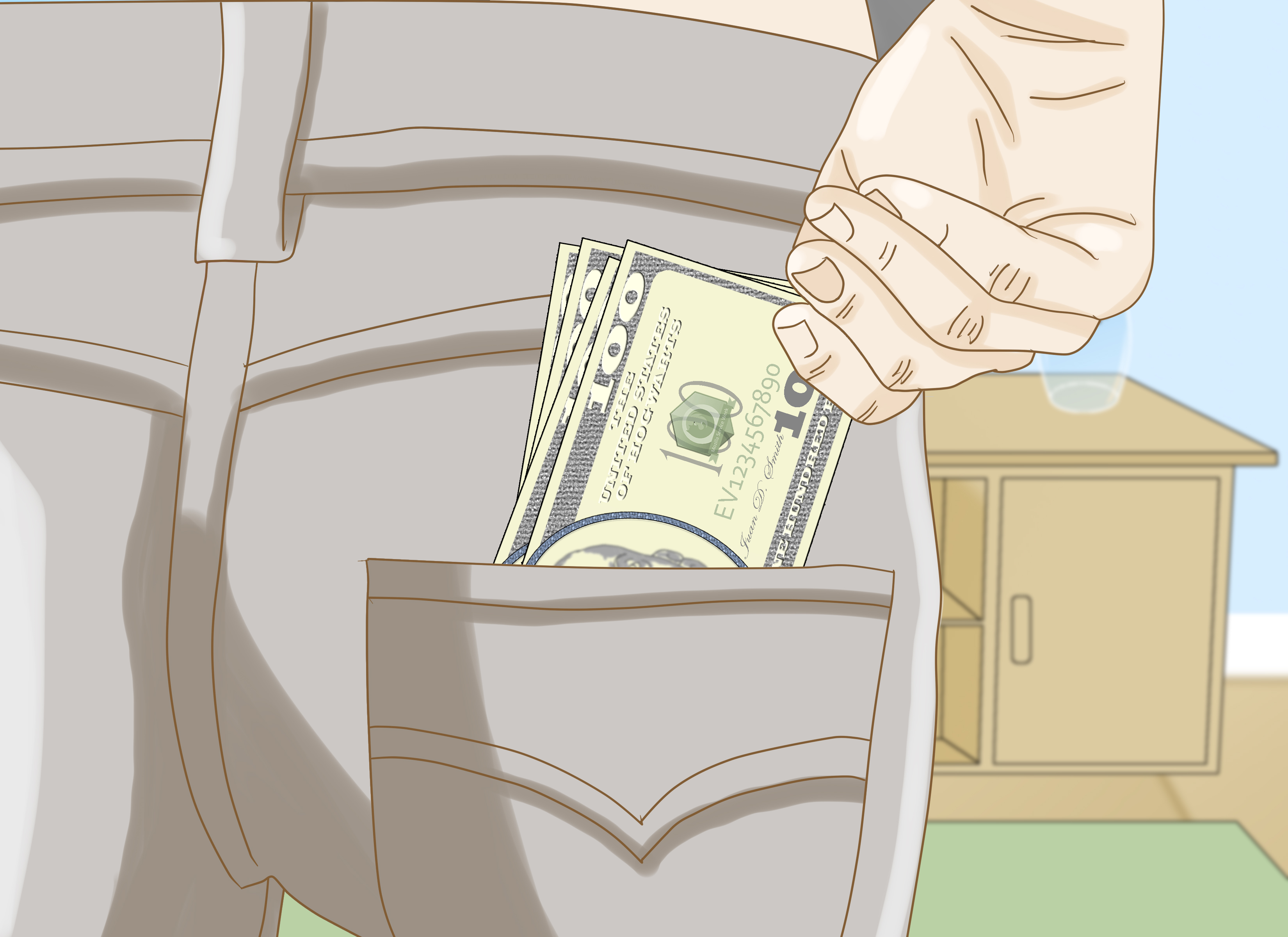
If your bankroll contains real cash, store it like real cash. Keep it in a drawer, envelope, safe, lockbox, wallet, or pouch. Do not leave it visible in a car, backpack, hotel room, or party space. A thick roll attracts attention, and not all attention is applause.
If it is a prop roll, store it separately from real money so nobody accidentally grabs it. Label the envelope clearly. If multiple people are involved in a shoot or event, tell them which money is real and which money is fake.
Step 11: Use It Responsibly in Photos or Videos
If you are using the bankroll for content, think about where and how you show it. A private studio, home setup, or controlled filming area is better than a public sidewalk. Avoid filming near businesses, ATMs, banks, casinos, airports, schools, or government buildings, where cash props can create confusion.
Do not use a bankroll to pressure, impress, or deceive people. Never wave it around during transactions. Never pretend prop money is payment. Never hand fake bills to service workers “as a joke.” That joke has no punchline; it is just rude with paperwork.
Step 12: Turn the Look Into a Real Money Habit
The best twist is turning the visual into a savings habit. If the bankroll represents a goal, assign it a purpose: emergency savings, holiday gifts, a vacation fund, car repairs, or a business idea. Add a small amount regularly. Track the total. Replace filler pieces with real bills over time.
This transforms the bankroll from a costume accessory into a motivational tool. Instead of pretending to have money, you are building it. That is the real boss move.
Smart Safety Tips for Any Cash Roll
Do Not Flash Real Cash in Public
A thick cash roll can attract theft, scams, and unwanted attention. Keep real money discreet. If you need to carry cash, divide it into smaller amounts and keep it in separate secure places. Publicly displaying cash is rarely worth the risk, unless your goal is to become the main character in someone else’s bad decision.
Keep Prop Money Clearly Fake
Prop money should be obvious. It should not have the same purpose, feel, or design as real currency. If you are making a stage prop, label it boldly. If you are buying prop money, choose products designed for filming, education, or entertainment and keep them away from real transactions.
Know When Cash Reporting Rules Apply
Most ordinary people will never need to worry about large cash reporting rules while making a novelty bankroll. Still, it is good to know that U.S. businesses generally must report cash payments over $10,000 received in a trade or business. That does not mean cash is illegal; it means large business transactions have reporting requirements. For your costume roll, stay modest, transparent, and sensible.
Common Mistakes to Avoid
Mistake 1: Trying to Make Fake Bills Look Real
This is the biggest mistake. The goal is a prop, not counterfeit currency. Do not reproduce real bills. Do not print realistic copies. Do not trim paper to deceive. A legal bankroll can look dramatic without looking like something that belongs in an evidence bag.
Mistake 2: Using Too Much Real Cash
Putting hundreds or thousands of dollars in a roll for a photo is usually unnecessary. Cameras care about shape, lighting, and presentation more than actual value. Use filler, angles, and styling to create the illusion of thickness without creating a security risk.
Mistake 3: Forgetting the Budget
A cash roll should not interfere with your real financial responsibilities. If your bills are late, your emergency fund is empty, or your credit card balance is glaring at you like a disappointed parent, focus on money management first. A bankroll prop is fun. Financial stability is better.
Mistake 4: Leaving It Around Kids or Guests
Children, guests, roommates, and partygoers may not understand what is real and what is prop money. Keep everything labeled and stored safely. If real cash is involved, count it before and after use.
How to Make It Look Good on Camera
For photos, the bankroll does not need to be huge. It needs to be clean, well-lit, and styled. Use a neutral background, good lighting, and a tight roll. Hold it naturally rather than squeezing it like it owes you money. If the roll is part of a costume, match it with accessories: sunglasses, a vintage jacket, a fedora, a poker table, or a briefcase. Keep the tone playful, not threatening.
For videos, avoid close-ups that could confuse viewers about whether the money is real. Consider adding a caption like “prop money” or “costume bankroll.” This protects you, your audience, and anyone who might later handle the prop.
How to Use a Bankroll as a Savings Challenge
A gangster bankroll can be more than a prop. It can become a visual savings challenge. Start with a filler roll and replace one paper strip with a real bill every time you save. Use $1 bills for a beginner challenge, $5 bills for a faster-growing fund, or $20 bills for a serious goal. Write the goal on the money band so you remember why you are saving.
For example, if your goal is a $500 emergency fund, begin with a roll of 100 blank strips. Each time you save $5, replace one strip with a $5 bill. Watching the prop become real money is surprisingly motivating. It turns saving into a small ritualand yes, rituals work better when they do not involve spreadsheets that look like airport control panels.
Real-World Experience: What Making a Gangster Bankroll Teaches You
The first thing you learn when making a gangster bankroll is that presentation is powerful. Ten dollars can look like a lot when arranged well, and a large amount can look messy if it is crumpled, crooked, or unsecured. That little lesson applies to personal finance, too. Money feels more manageable when it is organized. A budget, an envelope system, a savings tracker, or even a labeled cash roll can turn vague stress into something you can see and control.
The second lesson is that confidence and reality are not the same thing. A bankroll prop can make you feel like the boss of a smoky back room in a black-and-white movie, but real financial confidence comes from habits: spending less than you earn, saving for emergencies, paying debts strategically, and knowing where your money goes. The prop is fun; the habits are the foundation.
In practice, the best bankrolls are made with restraint. I have seen people overdo the idea by carrying too much real cash, using sketchy fake bills, or trying too hard to impress strangers. That usually backfires. A good bankroll is like a good costume: it tells a story without making everyone uncomfortable. If people laugh, ask about the theme, or compliment the look, you did it right. If people step back and whisper, “Should we call someone?” perhaps dial down the drama.
Another useful experience is learning how quickly small amounts add up. If you turn the bankroll into a savings challenge and add $5 or $10 every week, the roll slowly changes from paper filler to real value. That transformation is more satisfying than simply stuffing money into a drawer. You can feel progress. You can see progress. And unlike a banking app notification, a physical savings roll has a little theatrical flair. It is personal finance with a tiny soundtrack.
Making a bankroll also teaches respect for cash. Digital payments are convenient, but they can make spending feel invisible. Cash is different. When you hold it, count it, organize it, and assign it a purpose, you become more aware of its limits. That awareness can reduce impulse spending. Suddenly, a random purchase is not just “tap card, forget pain.” It is removing a bill from the roll you have been building. That small friction can be helpful.
Finally, the experience reminds you that style should never outrun common sense. A gangster bankroll can be a great prop for a costume, a clever visual for a savings challenge, or a fun accessory for a themed event. But it should always be safe, legal, and clearly used for entertainment or organization. The real flex is not pretending to have a huge stack of cash. The real flex is knowing your money, protecting it, and building habits that make your future self less stressed.
Conclusion: Build the Look, Keep the Wisdom
Creating a gangster bankroll is simple: choose a purpose, set a budget, use legal materials, build a clean stack, roll it neatly, secure it well, and use it responsibly. The trick is making it look bold without crossing lines into deception, danger, or bad financial choices.
Whether you are making a costume prop, staging a photo shoot, organizing cash, or turning a novelty roll into a savings challenge, the best bankroll is the one that does not cause trouble. Keep prop money clearly fake. Keep real cash secure. Keep your budget intact. And if the roll inspires you to save more money in real life, that is the best plot twist of all.