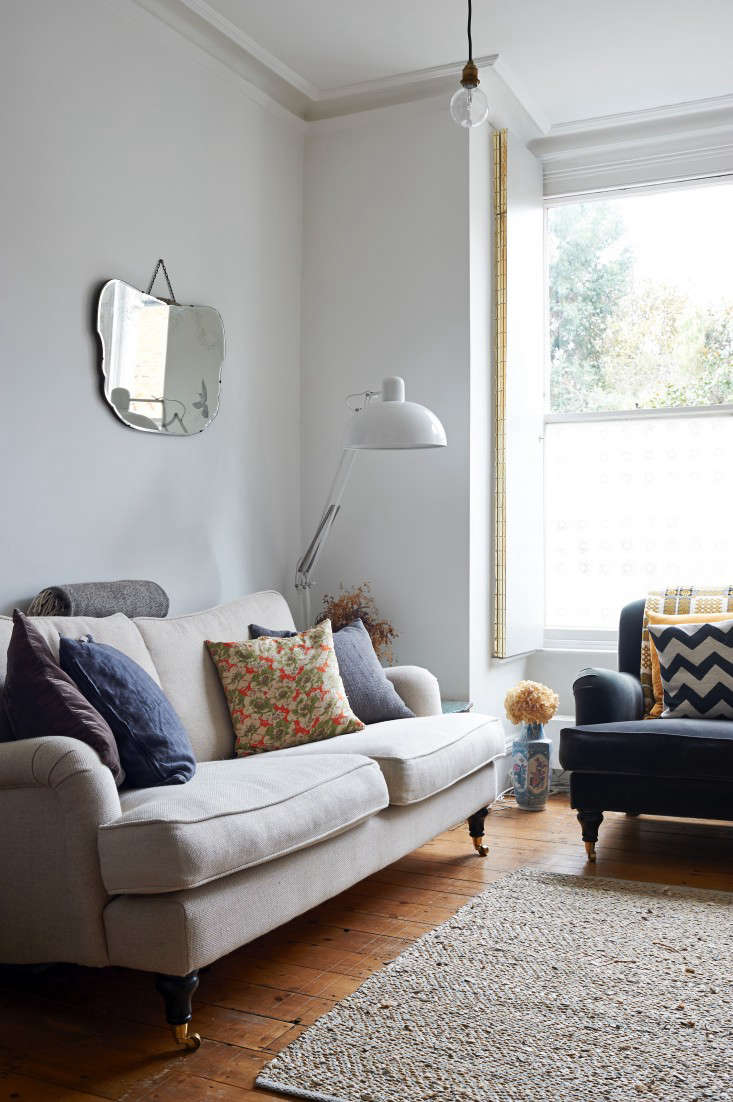
A great couch should survive movie marathons, surprise guests, sleepy dogs, snack accidents, and at least one person dramatically flopping onto it after a long Monday. But buying a sofa that lasts takes more than choosing the prettiest one in the showroom. You need to understand frame construction, cushion quality, upholstery durability, room measurements, delivery details, and the not-so-glamorous fine print hiding in warranties and return policies.
Why Buying a Long-Lasting Sofa Is Harder Than It Looks
Buying a couch or sofa sounds simple until you meet the terrifying wall of choices: sectional, sleeper, loveseat, modular, leather, velvet, performance fabric, cloud-style, mid-century, deep-seat, apartment-size, reversible chaise, and “available in 47 colors,” which is both exciting and emotionally dangerous. The problem is that the best-looking sofa in a product photo is not always the one that will still look good five years from now.
A long-lasting sofa is built from the inside out. The frame carries the body, the suspension supports the cushions, the cushion fill determines comfort and shape retention, and the upholstery fights daily life like a tiny fabric superhero. If any of those parts are weak, the whole couch starts aging faster than leftover guacamole.
The good news is that you do not need to become a furniture engineer to make a smart purchase. You only need to know which details matter, which marketing phrases are useful, and which red flags mean, “Step away from the cute discount couch.”
Start With Your Real Life, Not Your Pinterest Life
Before comparing fabric swatches or debating whether “mushroom beige” is different from “warm oatmeal,” ask how the sofa will actually be used. A formal living room sofa that hosts polite conversation twice a month has different needs from a family-room couch that handles kids, pets, dinner, naps, remote-control battles, and the occasional spilled iced coffee.
Ask These Questions Before Shopping
- How many people will sit on it every day?
- Will pets sleep, scratch, shed, or perform parkour on it?
- Do you eat on the sofa, even if you call it “just a snack”?
- Do you prefer upright support or deep lounging?
- Will the sofa sit in direct sunlight?
- Do you need removable cushion covers?
- Could you realistically maintain down-filled cushions, or do you prefer low-maintenance foam?
This lifestyle check helps you avoid buying a sofa for an imaginary person who drinks tea gracefully and never drops salsa. For busy homes, choose durable upholstery, firm-to-medium cushions, strong frame construction, and easy cleaning. For a quiet reading room, you can prioritize delicate textures, sculptural shapes, or softer cushion fills.
Measure Everything, Including the Path to the Room
One of the most painful furniture mistakes is buying the perfect sofa and discovering it cannot pass through the front door. Measure the room, yes, but also measure doorways, staircases, hallways, elevators, tight corners, and ceiling height on stair turns. Delivery teams are talented, but they are not magicians with a sectional-shaped wand.
The Smart Measuring Checklist
Measure the sofa’s width, depth, height, diagonal depth, and leg height. Then compare those numbers with your entry points. In the room itself, leave enough walking space around the sofa so it does not turn your living room into a furniture obstacle course. A good rule is to leave at least 30 inches for major walkways and enough clearance for side tables, recliners, doors, and drawers.
If you are buying online, use painter’s tape to outline the sofa on the floor. This simple trick reveals whether a “cozy oversized sectional” is actually a soft, upholstered continent taking over your home.
Choose the Right Sofa Type for Long-Term Use
The best sofa type depends on the room, household, and purpose. A standard three-seat sofa works well in many living rooms because it is flexible and easier to move than a giant sectional. A loveseat can be ideal for apartments, bedrooms, or small sitting areas. A sectional offers generous seating but requires careful measuring because its shape can limit future room layouts.
Sleeper sofas are practical for guests, but they need especially strong construction because they work as both seating and a bed. Reclining sofas add comfort but include mechanical parts that may require maintenance. Modular sofas are great for changing layouts, though you should check how securely the pieces connect and whether replacement parts are available.
If your goal is a couch that lasts, do not choose only by trend. Choose by use. A sleek, low-back sofa may photograph beautifully, but if everyone in your house wants neck support, it will become the furniture equivalent of uncomfortable shoes: admired, then avoided.
Inspect the Frame: The Skeleton Matters
The frame is the backbone of a durable sofa. A quality frame should feel solid, stable, and heavy enough to inspire confidence without requiring a forklift. The strongest traditional option is kiln-dried hardwood, which is dried to reduce moisture and help prevent warping. Engineered hardwood or high-quality plywood can also perform well when properly constructed. The materials to approach carefully are particleboard, low-grade plywood, plastic, and soft woods that may crack, bow, or loosen faster under daily stress.
What to Look for in Frame Construction
- Kiln-dried hardwood or high-quality engineered wood
- Corner blocks for reinforcement
- Dowels, screws, brackets, or mortise-and-tenon joinery
- Arms that do not wobble when pressed
- A frame that does not creak when you sit, shift, or stand
When shopping in person, lift one front corner of the sofa a few inches. If the opposite front leg rises too, the frame is likely rigid. If the sofa twists or the raised corner moves while the rest of the couch stays limp, the frame may be weak. Also press firmly on the arms and back. A long-lasting couch should not wobble like a nervous folding table.
Understand Suspension: The Support Under the Cushions
Suspension is what holds the seat cushions and keeps the sofa from feeling like a hammock after a few years. The most common systems are sinuous springs, webbing, and eight-way hand-tied springs.
Sinuous springs are S-shaped metal wires that run across the frame. Good-quality sinuous springs can provide durable, comfortable support, especially when made from heavy-gauge steel and attached securely. Eight-way hand-tied springs are often found in high-end sofas and are known for excellent support, though they usually increase the price. Webbing can work in modern designs, but low-quality webbing may sag sooner.
The key is not just the suspension type; it is the quality of execution. A well-built sofa with sturdy sinuous springs can outlast a poorly built sofa using fancy-sounding parts. Sit on several spots across the sofa. The support should feel even, not bouncy in one place and mushy in another.
Pick Cushions That Match Comfort and Longevity
Cushions decide whether your sofa feels supportive, plush, or suspiciously like a marshmallow with commitment issues. High-density foam is a common choice for long-lasting support because it holds shape better than low-density foam. Softer cushions may use a blend of foam, fiber, feathers, or down. These feel luxurious but usually need more fluffing and rotating.
Common Cushion Options
- High-density foam: supportive, structured, and lower maintenance.
- Foam wrapped in fiber: slightly softer with a rounded look.
- Down or feather blend: plush and cozy but requires regular fluffing.
- Spring-down cushions: supportive core with a softer outer layer.
- Latex foam: resilient and durable, often found in higher-end or eco-focused furniture.
For everyday sofas, medium-firm cushions are often the safest bet. They may feel firmer in the showroom, but they usually soften with use. Ultra-soft cushions feel amazing for the first sit, then may flatten, wrinkle, or require constant plumping. Unless you enjoy cushion karate every morning, choose a fill that matches your maintenance tolerance.
Choose Upholstery Like Your Future Self Is Watching
Upholstery is where beauty meets survival. The right sofa fabric depends on traffic, pets, kids, sunlight, cleaning habits, and your personal stain history. If your home is calm and careful, linen, velvet, wool, or leather may work beautifully. If your living room sees heavy use, look for tightly woven fabrics, performance upholstery, microfiber, leather, or durable synthetic blends.
What Makes a Sofa Fabric Durable?
Durable upholstery is usually tightly woven, resistant to abrasion, and appropriate for the sofa’s use. Many upholstery fabrics are tested using rub counts, which estimate resistance to wear. For a frequently used family couch, a higher rub count is better. A fabric rated around 30,000 double rubs or higher is often considered a solid durability benchmark for heavy residential use.
Performance fabrics can be helpful because many are designed to resist stains, moisture, and fading. Microfiber is popular for families because it is soft, durable, and relatively easy to clean. Leather can age beautifully and wipe clean, but it scratches and patinas, so decide whether you like a lived-in look. Velvet can be surprisingly durable when made from synthetic fibers, though it may show pressure marks.
If the sofa will sit near a sunny window, ask about fade resistance. Sunlight can bleach darker fabrics and dry out leather. If pets are part of the household, avoid loose weaves that claws can snag. Bouclé may be stylish, but to a cat, it can look like a luxury scratching invitation.
Always Request Fabric Swatches
A sofa color on a screen is only a polite suggestion. Lighting, monitor settings, fabric texture, and room colors can change everything. Request swatches before buying, especially for large or expensive sofas. View them in morning light, evening light, and under your lamps. Rub them between your fingers. Test pet hair visibility. If allowed, dab a little water on the swatch to see how it reacts.
For households with kids or pets, ask whether cushion covers are removable and whether they are machine washable, dry-clean only, or spot-clean only. “Removable” does not always mean “throw it in the washer after taco night.” Read the care instructions before the taco night happens.
Check the Details That Separate Good From Great
Small details often reveal whether a couch was built to last. Look at seams, welting, cushion alignment, pattern matching, zippers, legs, and underside fabric. Seams should be straight and tight. Patterns should line up where possible. Legs should be securely attached, not flimsy afterthoughts. Removable legs are helpful for delivery, but they should still feel stable once installed.
In-Store Sofa Test
Sit the way you actually sit at home. Do not perch politely for eight seconds. Lounge, lean, cross your legs, sit in the corner, and test the arm height. If you nap on sofas, stretch out. If you work from the couch, check whether the seat depth supports your back. If two people will use it together, sit together. A sofa that feels perfect for one person may become awkward once elbows, laptops, pets, and snacks enter the scene.
Stand up after sitting. If the cushion stays crushed or the fabric wrinkles dramatically, ask about the fill and construction. Some soft styles are intentionally relaxed, but excessive sagging on a floor model can hint at how the sofa will age.
Read the Warranty and Return Policy Before Falling in Love
A durable couch should come with clear warranty information. Look for separate coverage on the frame, suspension, cushions, upholstery, mechanisms, and workmanship. Frame warranties are often longer than fabric warranties because fabric naturally wears with use. Cushion warranties may exclude normal softening, so read carefully.
Return policies matter even more when buying online. Check the trial period, return shipping fees, restocking fees, packaging requirements, and whether custom upholstery is final sale. A $2,000 sofa with a painful return process can become a very expensive lesson in reading fine print.
Think About Indoor Air Quality and Safety Labels
Sofas are large upholstered products, so it is reasonable to ask about materials and certifications. Some shoppers look for CertiPUR-US certified foam, which indicates the foam has been tested for emissions, content, and durability standards. GREENGUARD Gold certification focuses on low chemical emissions and can be especially relevant for nurseries, bedrooms, or homes with sensitive occupants.
U.S. upholstered furniture must also comply with federal flammability requirements and carry proper labeling. If you are concerned about flame retardants, ask the retailer or manufacturer whether chemical flame retardants are used. For older foam furniture, especially pieces made decades ago, replacement or reupholstery may be worth considering if the frame is high quality.
Do Not Confuse Price With Quality
Expensive sofas can be wonderful, but price alone is not proof of durability. Sometimes you are paying for brand prestige, custom fabric, a famous designer name, or a showroom that smells like fresh eucalyptus and financial decisions. On the other hand, the cheapest sofa may use weaker materials that cost more over time if it needs replacing quickly.
The sweet spot is value: strong frame, reliable support, quality cushions, durable upholstery, good warranty, and a size that fits your life. A well-made mid-priced sofa can outperform a trendy luxury couch if the luxury piece prioritizes looks over construction.
Best Sofa Buying Strategy: Compare From the Inside Out
When comparing two couches, do not start with color. Start with construction. Ask what the frame is made of, how the joints are reinforced, what suspension system is used, what the cushion density or fill is, and what the upholstery durability rating is. Then compare comfort, dimensions, warranty, delivery, and return policy.
A smart buyer might compare two similar gray sofas this way: Sofa A has a kiln-dried hardwood frame, sinuous springs, high-density foam cushions, performance fabric, removable covers, and a clear warranty. Sofa B has vague “wood frame” wording, webbing support, soft foam cushions, delicate fabric, and no clear return policy. Even if Sofa B looks slightly prettier, Sofa A is the better long-term bet.
Common Mistakes to Avoid When Buying a Couch
- Buying by looks alone: Style matters, but construction decides lifespan.
- Skipping measurements: The sofa must fit the room and the delivery route.
- Ignoring cushion fill: Comfort on day one is not the same as comfort in year five.
- Choosing delicate fabric for a chaotic home: Be honest about pets, kids, food, and sunlight.
- Not reading return terms: Online sofa returns can be expensive or restricted.
- Forgetting maintenance: Some plush cushions require regular fluffing and rotation.
How to Make Your Sofa Last Longer After You Buy It
Even the best couch needs care. Rotate and flip loose cushions regularly if the design allows. Vacuum upholstery to remove dust, crumbs, and pet hair before they grind into the fibers. Clean spills quickly according to the manufacturer’s instructions. Keep leather conditioned if recommended. Protect the sofa from harsh direct sunlight with curtains, shades, or strategic placement.
Teach pets where they can lounge, or accept that the dog owns the chaise and you are merely paying for it. Use washable throws in high-use zones. Avoid sitting on arms, which can loosen even strong frames over time. If a cushion begins to sag, replacing the insert may extend the sofa’s life for far less than buying a new couch.
Real-Life Experience: What Actually Matters After Living With a Sofa
After the showroom glow fades, a sofa becomes part of daily life. That is when the practical details reveal themselves. The most beautiful couch in the store may become annoying if the seat is too deep for shorter guests, the back pillows collapse every evening, or the fabric collects lint like it has a personal hobby.
One of the biggest lessons from real sofa ownership is that comfort is personal. A deep, low sofa can feel luxurious for movie nights but awkward for older relatives or anyone who prefers firm support. A shallow, upright sofa can look elegant and make conversation easy, but it may not satisfy someone who wants to curl up with a blanket and disappear for three episodes of a crime documentary. Before buying, imagine your most common use, not your fanciest use.
Fabric also teaches lessons quickly. Light upholstery can brighten a room, but in a busy household it may need more maintenance than expected. Dark upholstery hides some stains but can show lint, pet hair, and fading. Textured fabrics add depth, but crumbs can settle into the weave. Smooth performance fabrics often win in family spaces because they make cleanup less dramatic.
Cushion maintenance is another reality check. Down-filled cushions can feel like sitting in a boutique hotel lobby, but they need regular fluffing. If you ignore them, they may look slouchy and tired. Foam cushions are easier to maintain, though very firm foam may need a break-in period. The best compromise for many homes is a foam core wrapped in fiber or down alternative, giving structure with a softer surface.
Delivery is also part of the experience. A sofa that arrives in one giant piece can be stressful in apartments, older homes, and narrow stairways. Modular sofas or removable legs can save the day. Before ordering, take photos of the delivery path and confirm packaging dimensions, not just sofa dimensions. Packaging can add bulk, and that extra inch can turn delivery day into a sitcom episode without the laugh track.
Another overlooked factor is repairability. A sofa with loose cushions, replaceable legs, removable covers, and available replacement parts has a better chance of lasting. Fixed cushions can look sleek, but if one area wears out, repair may be harder. A simple design in a classic shape is often easier to reupholster later than a highly trendy silhouette with unusual curves, channels, or built-in features.
The best long-term sofa is not necessarily the most expensive or the most fashionable. It is the one that fits your room, supports your body, handles your household, and can be maintained without turning you into a full-time upholstery manager. Buy the couch that matches your real life. Your future self, your guests, and possibly your snack-dropping dog will thank you.
Conclusion: Buy the Sofa You Can Live With for Years
A long-lasting couch or sofa is not a lucky accident. It is the result of smart choices: a strong frame, dependable suspension, resilient cushions, durable upholstery, accurate measurements, clear warranties, and honest thinking about how you live. The prettiest sofa is not always the best sofa, and the softest one is not always the most comfortable over time.
When in doubt, slow down. Request swatches. Read specifications. Sit before buying when possible. Ask about frame materials, cushion fill, spring systems, cleaning codes, certifications, delivery, and returns. A sofa is one of the hardest-working pieces of furniture in the home. Choose it like it has a job to dobecause it absolutely does.
Note: This article is written for web publication and synthesizes expert furniture-buying guidance from consumer, design, home, and safety resources. Source links are intentionally not inserted into the article copy.