If you have ever picked up a Viking horn, taken a heroic breath, and produced nothing but a sad gust of air, welcome to the club. The good news is that a Viking horn is not impossible to play. The bad news is that it does not care about your confidence, your beard, or your dramatic pose on a hilltop. It only cares about technique.
Learning how to blow a Viking horn is less about brute force and more about control. A proper sound comes from lip vibration, breath support, and the right seal at the mouthpiece end. In other words, you do not “blow into it” the way you would blow into a bottle. You buzz into it more like a simple brass instrument. Once that clicks, the horn goes from “expensive wall decoration” to “neighbors now know I have arrived.”
This guide breaks the process into seven practical steps, plus troubleshooting tips, care advice, and real-world experience notes to help you get a clean, bold sound. Whether your horn is a handmade ox horn, a decorative Norse war horn, or a modern sounding horn inspired by Viking culture, the fundamentals stay the same. Let’s wake the village.
What Is a Viking Horn, Exactly?
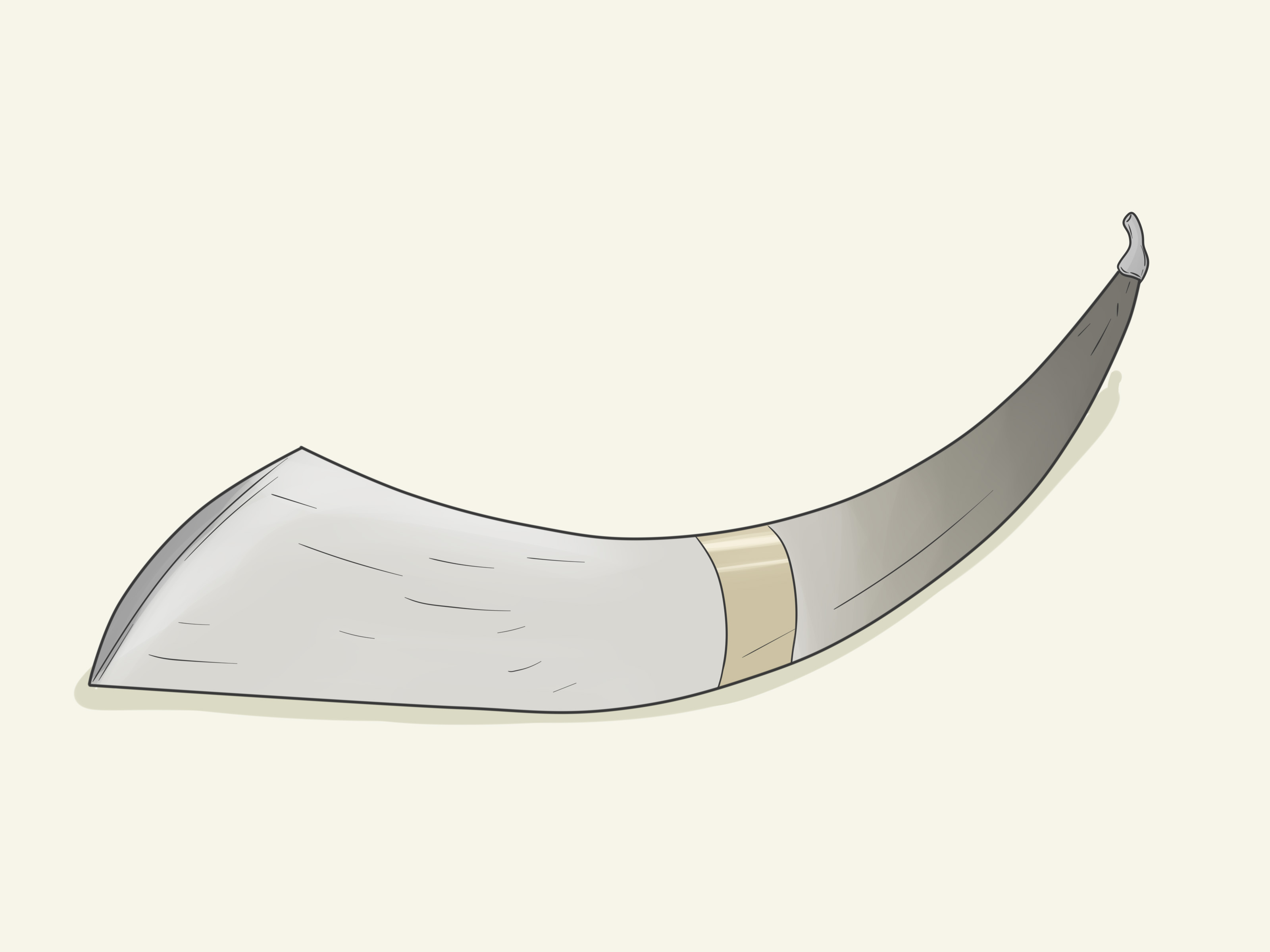
Today, the phrase Viking horn usually refers to a sounding horn inspired by Norse culture. Many modern versions are made from animal horn and shaped to work as simple lip-buzz instruments. Historically, horns were associated with signaling, ceremony, and drinking culture across many societies, including the medieval North. That said, it is smart to keep one boot planted in reality: the pop-culture image of Vikings running around in horned helmets is mostly myth. So yes, the horn is iconic. No, your helmet does not need antlers.
The modern playing experience is closest to a stripped-down brass instrument. There is no magical whistle hidden inside. No button. No cheat code. The sound happens when your lips vibrate at the narrow end and the horn amplifies that vibration. Once you understand that, everything becomes easier.
Before You Start: Know What Makes the Horn Work
A Viking horn responds to five basic things: your breath, your lip shape, your seal, your horn angle, and your patience. If one of those is off, the result is usually a weak fart noise, a burst of air, or silence so complete it feels personal.
The goal is to create a relaxed but focused embouchure. That means firm corners of the mouth, a softer center where the lips can vibrate, and enough air to keep the buzz alive. You also want the horn to rest lightly against your lips, not get shoved into your mouth like you are trying to eat it. Gentle pressure works better than a wrestling match.
One more thing: start in short sessions. Your lips are muscles, and muscles are drama queens when overworked. Ten focused minutes will teach you more than forty minutes of angry blasting.
How to Blow a Viking Horn in 7 Steps
Step 1: Prepare Your Lips and Face
Start with relaxed, slightly moist lips. Dry lips leak air and make it harder to hold a clean seal. Many players find that lightly wetting the lips helps the horn respond better. You do not need to look like you just finished a gallon of lip balm, but you do want the mouth area comfortable and flexible.
Stand or sit tall with an open chest. Good posture matters because it lets you take a fuller breath and keep the air moving evenly. Think “proud Norse explorer” rather than “person folding into a laptop.” If your shoulders are hunched and your neck is tight, your sound will suffer before it is even born.
Step 2: Form the Right Embouchure
The easiest way to find a useful starting shape is to say the letter M and hold that set. The corners of your mouth should feel firm, while the center stays loose enough to vibrate. Another helpful image is a soft pucker, not a wide smile. A smile embouchure stretches the lips too thin and usually produces a weak, airy sound.
Do not puff your cheeks. Do not jam your lips together. Do not clamp your jaw like you are trying to bite through the horn. You want controlled firmness, not panic. If the lips are too tight, they will not vibrate well. If they are too loose, the sound falls apart.
Step 3: Practice the Buzz Without the Horn
Before you even touch the horn, try buzzing your lips by themselves. It should feel a bit like making a raspberry, but cleaner and more focused. A brass teacher would call this free buzzing. A Viking would probably just nod approvingly.
If you cannot get a buzz yet, blow steady air through lightly closed lips and experiment with the tension at the corners. The center should do the vibrating. Once you hear even a rough buzz, you have the engine. The horn will act as the amplifier.
This step saves a lot of frustration because it teaches you that the sound begins with you, not the horn. The horn is not defective just because it refuses to reward random blowing.
Step 4: Place the Horn Lightly Against Your Lips
Hold the narrow end of the horn at your lips, not inside your mouth. That detail matters. The horn should rest lightly against the center of your embouchure so you can keep the buzz free and stable. If you push too hard, you kill flexibility and tire yourself out faster.
A slight upward angle often helps, though the best angle depends on the shape of the horn and your face. Start with the bell pointed a little upward and adjust from there. If air leaks from the sides of your mouth, change the position slightly until the seal improves.
This is the step where many beginners go wrong. They either press too hard, place the horn off-center, or hold it like a juice box straw. Be kind to your lips and precise with placement.
Step 5: Take a Deep, Steady Breath
Now breathe in deeply and naturally. Think of the breath filling low, with the torso open and the stomach area expanding first. You are not trying to suck in air like a cartoon vacuum. You are building calm pressure.
When you exhale, send the air in a steady stream. Not a violent explosion. Not a timid sigh. Just focused, supported air. Strong sound on a Viking horn comes from breath support married to lip vibration. If the air is shaky, the sound is shaky. If the air stops, the sound dies on the spot.
A useful cue is this: faster air tends to help higher sounds, while fuller, broader air helps lower, bigger tones. That becomes important once you start experimenting with pitch.
Step 6: Buzz Into the Horn and Adjust in Real Time
With the horn at your lips and the breath ready, buzz into the mouth end. Your first tone may sound heroic. It may also sound like an elk with stage fright. Both are normal.
If nothing comes out, do not immediately blame your ancestors. Adjust one thing at a time. First, check the seal. Then check that your lips are buzzing rather than just blowing air. Then check angle. Then check pressure. Usually the fix is small. The biggest beginner mistake is changing five things at once and learning absolutely nothing.
When the sound does speak, hold it for a short burst. Focus on clarity more than volume. A clean medium sound teaches your face more than a desperate blast. Once you can start the note reliably, you are officially playing the horn rather than negotiating with it.
Step 7: Control the Tone, Pitch, and Endurance
After your first good note, begin shaping it. Tighten the lips slightly and increase air speed for a higher pitch. Relax a bit and use fuller air for a lower one. The horn will not give you a symphony orchestra’s range, but you can still learn to make distinct calls and changes in tone.
Practice in short sets of clean attacks, held notes, and simple patterns. For example, do five short calls, rest, then do three longer tones. Rest again. This builds consistency without cooking your face. If your lips feel numb, swollen, or sloppy, stop for the day. That is practice telling you it has become punishment.
With repetition, you will notice that the note speaks faster, the sound grows fuller, and the horn feels less random. That is the moment the Viking horn stops being mysterious and starts becoming fun.
Common Problems and How to Fix Them
No Sound at All
This usually means you are blowing air without buzzing the lips. Go back to free buzzing for a minute, then return to the horn. Also check that the horn is on your lips, not between your lips like a straw.
Only Airy Noise
Your seal is probably leaking, or your corners are too soft. Firm the corners, keep the center relaxed, and make sure air is not escaping from the sides of the mouth. A tiny position change can make a huge difference.
Cheeks Puff Out
Puffed cheeks often mean lost control. Keep the cheeks flatter and let the work happen at the lips and breath support. Big cheeks may look dramatic, but they usually make the sound less reliable.
Your Lips Get Tired Fast
Too much pressure is the usual villain. Pressing harder does not create better tone. It just irritates the embouchure and shortens your session. Use lighter contact and take more breaks.
The Pitch Jumps Around
That is normal in the beginning. Focus on steady air and repeat one comfortable note before trying to force range. Stability first, theatrics later.
Safety, Care, and Respect for the Horn
If your Viking horn has a mouthpiece or a finished mouth end, keep it clean. Moisture, oils, and residue build up faster than most people expect. A gentle cleaning routine helps the horn stay more hygienic and more responsive.
After playing, wipe the contact area and let the horn dry fully before storing it. If your horn includes metal fittings, avoid harsh chemicals unless the maker specifically recommends them. For detachable mouthpiece-style parts, gentle cleaning with appropriate instrument-safe materials is the smart move.
Also remember that sounding horns can get loud. Very loud. Practice outdoors when possible, or at least away from sleeping babies, nervous pets, and roommates who have already filed emotional complaints.
Why the Viking Horn Feels So Hard at First
The first challenge is that the horn gives very little feedback until you almost get it right. A guitar will at least give you a wrong note. A Viking horn often gives you nothing, then suddenly rewards correct technique with a booming tone that makes you feel like you should immediately claim a fjord.
The second challenge is that beginners assume volume creates sound. It does not. Coordination creates sound. Once your lips, air, and horn angle line up, the instrument suddenly becomes cooperative. Until then, it feels like trying to start a campfire with confidence alone.
That is why the fastest learners are usually the ones who stay relaxed, make small adjustments, and practice a little every day instead of trying to conquer the horn in one glorious but exhausting afternoon.
Experience Section: What Learning to Blow a Viking Horn Actually Feels Like
The experience of learning a Viking horn is a strange mix of comedy, humility, and tiny moments of triumph. Day one often begins with confidence. You unwrap the horn, admire how dramatic it looks, raise it toward the sky, take a deep breath, and expect something between a battle summons and a movie soundtrack. What you usually get is a confused whoosh. Maybe a squeak. Maybe a sound so odd that even you stop and laugh.
That awkward beginning is part of the charm. A Viking horn is one of those instruments that makes you earn the cool factor. It does not flatter beginners. It does not hand out pity notes. You learn very quickly that power is not the answer. In fact, trying harder usually makes things worse. The more you force it, the more the horn says, “Nope.”
Then comes the stage where you start experimenting. You change your lip shape. You adjust the angle. You discover that pressing the horn harder against your mouth is a terrible idea. You try a softer pucker. You finally get a rough buzz into the horn, and suddenly there is a real tone. It may last half a second, but it is enough. That tiny blast feels ridiculously satisfying. It is the sound of progress.
After that first real note, the experience changes. Practice becomes more intentional. You start recognizing patterns. When your corners stay firm, the sound speaks faster. When your breath is steady, the tone stops wobbling. When you stay relaxed, the horn sounds bigger. It starts to feel less like luck and more like skill.
There is also a physical learning curve. Your lips get tired in ways you probably did not expect. Not painful, exactly, but definitely aware of themselves. Short practice sessions suddenly make sense. You begin to respect warmups and breaks. You realize that ten good minutes are better than half an hour of blasting until your face forgets how to cooperate.
One of the most enjoyable experiences is hearing the horn outdoors. Indoors, it can sound intense and a little wild. Outside, it opens up. The tone travels. It feels less like noise and more like a signal. That is when the instrument’s personality really shows up. You understand why sounding horns carry such dramatic cultural weight. They are simple, but they command attention in a way that feels ancient and immediate.
Eventually, you also learn the social side of owning one. Friends want to try it. Most fail magnificently. Someone always blows into it like a party horn and looks betrayed when nothing happens. Then you explain the buzz, the seal, the breath, and suddenly you sound like the local horn sage. This is deeply entertaining.
The best part is that improvement is obvious. Unlike some skills where progress hides for weeks, a Viking horn gives you clear proof. Your note starts faster. It lasts longer. It sounds fuller. You go from accidental blurts to intentional calls. That arc is incredibly satisfying. One day you are just making air. A little later, you are making sound. And before long, you are making an entrance.
Final Thoughts
If you want to learn how to blow a Viking horn, the secret is wonderfully unglamorous: good posture, a steady breath, a clean buzz, light pressure, and repeatable practice. That is it. No rune required.
Approach the instrument like a simple brass cousin, not a novelty prop. Respect the technique, keep sessions short and smart, and let your lips learn the job. Once you get that first bold, centered tone, you will understand the appeal immediately. It is loud, primal, and a little ridiculous in the best possible way.
And yes, when you finally nail it, you are absolutely allowed one dramatic look toward the horizon.