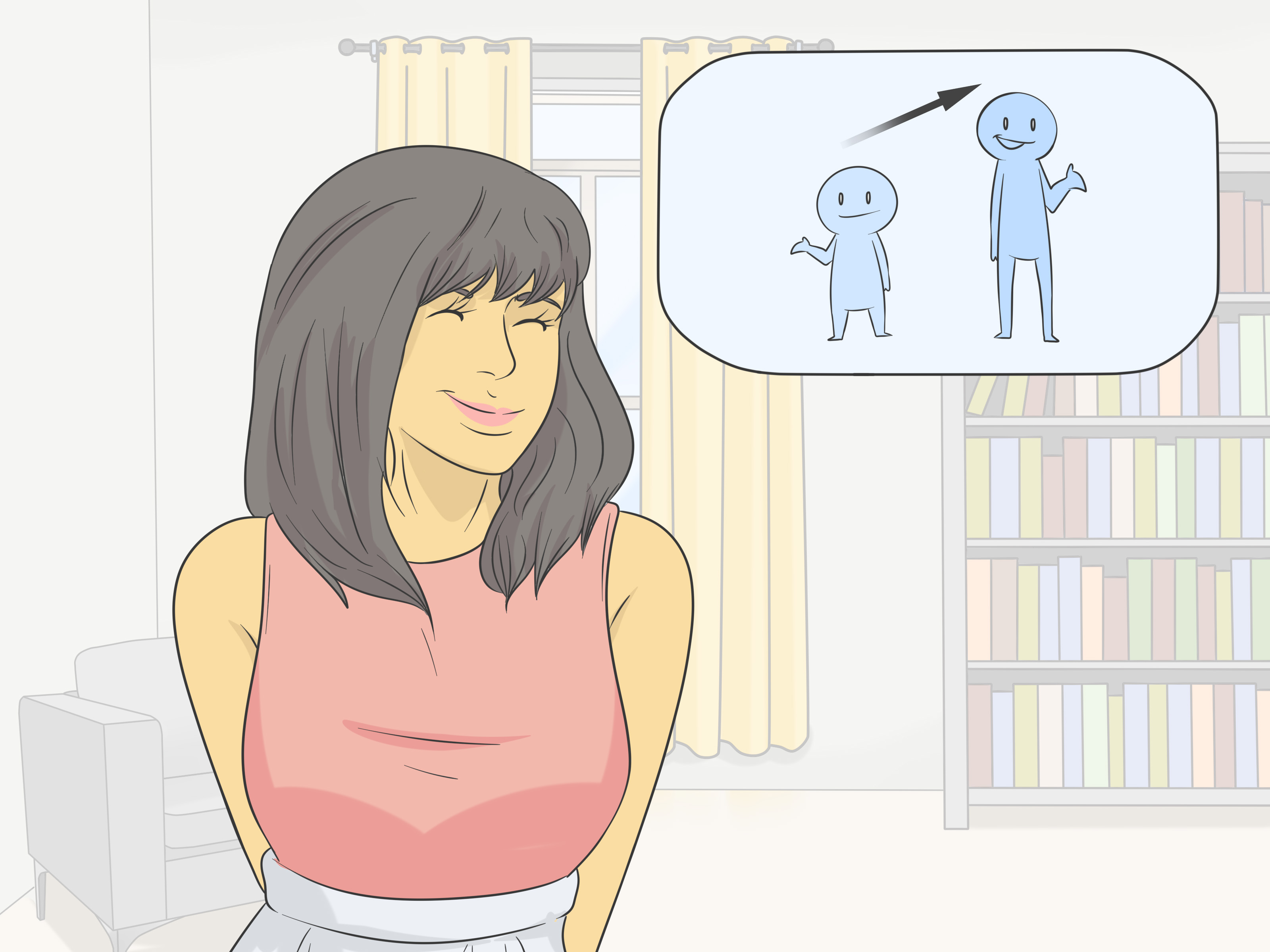
Being short is a physical characteristic. Feeling small is a state of mind. Unfortunately, the two sometimes get mixed togetherusually after an awkward group photo, an unsolicited joke, or a shopping trip in which every pair of pants appears to have been designed for a professional stilt walker.
Height can influence how people see themselves, especially in cultures that associate tallness with attractiveness, authority, athleticism, or leadership. Research has found links between height dissatisfaction and concerns involving self-esteem, body image, anxiety, and social treatment. However, the important distinction is often not height itself but how much meaning a person attaches to it.
You may not be able to negotiate with your genetics, but you can change your posture, self-talk, wardrobe, communication skills, boundaries, and definition of personal value. Confidence is not pretending that you are six feet tall. It is knowing you do not need to be.
Understand Where Height Insecurity Comes From
Before building confidence, identify what has been quietly knocking it down. Perhaps classmates teased you when you were younger. Maybe relatives constantly commented on your growth. You may have seen dating profiles that treated height like an admission requirement. Workplace stereotypes can also make shorter adults feel that they must work harder to appear authoritative.
These experiences can create an internal script:
- “People will not take me seriously.”
- “I am less attractive than taller people.”
- “I need to compensate for my height.”
- “Everyone notices how short I am.”
The problem is that repeated thoughts begin to feel like objective facts. They are not. Mayo Clinic guidance on self-esteem recommends identifying situations that trigger insecurity, noticing the thoughts that appear, and challenging conclusions that are unsupported or distorted.
For example, “Nobody respected my idea because I am short” may actually mean, “My idea did not receive much attention in one meeting.” The first statement turns a single event into a permanent identity. The second gives you something practical to improve, such as presenting earlier, speaking more clearly, or supporting the idea with evidence.
Stop Treating Height as a Personal Failure
You did not fail to become tall. Height is not an unfinished homework assignment. It is largely determined by genetics and childhood development, not by whether you drank enough milk while inspirational music played in the background.
Self-acceptance does not mean you must love every aspect of your appearance every morning. It means you stop using one characteristic as evidence that your entire body, personality, or future is defective.
Separate Facts From Judgments
“I am five feet four inches tall” is a fact. “That makes me unattractive” is a judgment. “Everyone prefers taller people” is an overgeneralization. “I can never look powerful” is a prediction, not a law of physics.
Practice replacing exaggerated conclusions with balanced statements:
- “Some people have height preferences, but preferences vary.”
- “My height may affect first impressions, but my behavior shapes lasting impressions.”
- “I do not need to look physically large to communicate authority.”
- “My body deserves respect even when I feel insecure.”
Positive self-talk should be believable rather than cartoonishly cheerful. You do not have to stare into a mirror and announce, “I am the tallest person in the spiritual universe.” A grounded statement such as “My height does not determine my competence” is more useful because your brain can accept it.
Build Confidence Through Competence
Confidence becomes more stable when it is connected to evidence. Instead of trying to feel impressive for no reason, become capable in areas that matter to you.
Learn a valuable professional skill. Improve your public speaking. Become stronger. Practice a sport. Develop your sense of humor. Learn to cook something more ambitious than cereal. Read widely. Become the person who follows through on promises.
Each completed challenge gives your brain proof that you can handle difficulty. That evidence gradually becomes self-trust.
Keep a Competence Record
Create a private list of achievements, positive feedback, risks taken, and problems solved. Include small victories, such as introducing yourself to someone new or speaking during a meeting. Review the list when insecurity convinces you that your value begins and ends with your vertical measurement.
Do not wait for confidence before acting. Action usually comes first. You try something while nervous, survive it, learn from it, and become slightly more confident the next time. Confidence is often experience wearing a nice jacket.
Use Body Language That Communicates Presence
Trying to occupy as little space as possible can make height insecurity more visible. Rounded shoulders, a lowered head, crossed arms, nervous shifting, and weak eye contact can communicate discomfort regardless of how tall someone is.
Healthy posture does not require marching around like a royal guard. Stand with your head level, shoulders relaxed, chest comfortable, and weight balanced. Face people while they speak. Keep your hands visible. Move deliberately rather than rushing every gesture.
Posture, eye contact, facial expression, and movement all contribute to nonverbal communication. Steady movements and an open stance generally communicate more confidence than stiffness or exaggerated gestures.
Practice the Calm Entrance
The next time you enter a social or professional setting, avoid sneaking in as though you are attempting to return a library book seven years late. Walk at a natural pace. Look ahead. Make brief eye contact. Greet someone first.
A confident entrance is not about dominating the room. It signals that you believe you belong there.
Strengthen Your Voice
People often respond more strongly to clarity than physical size. A shorter person who speaks calmly and directly can command more attention than a taller person who mumbles, apologizes constantly, or buries every opinion beneath six disclaimers.
To sound more confident:
- Slow down enough to finish your sentences clearly.
- Remove unnecessary apologies.
- Use direct statements instead of nervous qualifiers.
- Pause instead of filling silence with “um” and “like.”
- Finish statements without turning them into questions.
- Speak loudly enough to be heard without shouting.
Compare “Sorry, this might be a bad idea, but maybe we could possibly change the schedule?” with “I recommend changing the schedule because it would reduce delays.” The second version does not depend on height. It depends on preparation and delivery.
Dress for Your Actual Body
Clothing should serve your body, not punish it for failing to match a standard-size mannequin. Well-fitted clothes can improve comfort and presentation, while oversized sleeves, excessively long jackets, and fabric pooling around the ankles can make anyone appear overwhelmed by their outfit.
For shorter adults, tailoring often makes a larger difference than chasing every supposed “height-enhancing” trick. Pay attention to shoulder placement, sleeve length, pant rise, jacket length, and trouser break. Style guidance for shorter frames consistently emphasizes proportion and proper fit rather than simply hiding the body.
Useful Style Principles
- Choose clothing that follows your shape without squeezing it.
- Hem pants instead of allowing excess fabric to stack heavily.
- Avoid shirts and jackets that extend far beyond their intended length.
- Use proportion intentionally rather than assuming everything must be tight.
- Consider petite, short, custom, or altered sizes.
- Wear colors and styles you genuinely enjoy.
You do not have to dress exclusively to appear taller. Looking polished, expressive, and comfortable is a better goal. A person enjoying an outfit usually looks more confident than someone wearing “height tricks” they secretly hate.
Get Stronger Without Trying to Become Larger Than Everyone
Exercise can improve posture, energy, coordination, sleep, mood, and the sense that your body is capable. Federal health guidance notes that regular physical activity supports mental health and can reduce feelings of anxiety.
Choose activities that help you appreciate what your body can do. Strength training, swimming, dancing, martial arts, hiking, cycling, yoga, and team sports can all build physical confidence.
Train because you want health, skill, enjoyment, or strengthnot because you believe you must construct enough muscle to apologize for being short. Overcompensation is still insecurity, only with heavier dumbbells.
Reduce Unhelpful Social Comparison
Humans naturally compare themselves with other people. Problems arise when you repeatedly compare your most sensitive trait with someone else’s most celebrated feature. Social media makes this especially easy because it supplies an endless parade of carefully posed bodies, flattering camera angles, filters, and genetically fortunate strangers.
The American Psychological Association describes social comparison as evaluating abilities or traits in relation to others. Depending on the situation, upward comparisons may inspire growth or create feelings of inferiority.
Curate your feeds. Unfollow accounts that leave you feeling defective. Follow creators, athletes, professionals, performers, and style experts with diverse body types. Your online environment should expand your idea of what confidence looks like, not reduce it to a height chart.
Respond to Short Jokes Without Losing Your Cool
Some jokes are affectionate. Others are lazy attempts to establish status. You do not need one universal response; choose according to the situation and relationship.
Option 1: Play Along
When the joke is harmless and you genuinely find it funny, use humor:
“Yes, I save a fortune on legroom.”
Option 2: Redirect
When the joke is repetitive:
“We covered my height last week. Do you have any new material?”
Option 3: Set a Boundary
When the comments bother you:
“I know you may mean it as a joke, but I do not enjoy comments about my body. Please stop.”
Deliver the boundary calmly. You do not need to give a twenty-minute courtroom argument proving that your feelings are admissible. A clear request is enough.
Approach Dating Without Apologizing for Your Height
Dating can intensify height insecurity because physical preferences are discussed more openly than in many other areas of life. Some people prefer taller partners. Some prefer shorter partners. Many care more about humor, warmth, ambition, emotional maturity, attraction, shared values, or whether you treat restaurant staff like human beings.
Do not make height the opening subject of every romantic interaction. Repeatedly asking, “Are you sure I am tall enough?” turns your insecurity into the third person on the dateand it orders the most expensive appetizer.
Use accurate photos, list your height honestly when appropriate, and focus on compatibility. Someone who rejects you solely because of height has provided useful information early. That is not proof that you are undesirable; it is evidence that the match was limited.
Also, do not insult taller people or mock someone’s preferences to protect your ego. Confidence respects other people without begging for their approval.
Develop Authority at Work
Workplace presence is built through preparation, reliability, expertise, communication, and relationships. Height may influence some snap judgments, but your daily habits create a much larger body of evidence.
Arrive prepared. Understand the numbers. Speak early in meetings so you do not spend the entire hour waiting for a perfect opening. Ask precise questions. Give credit generously. Document your accomplishments. Volunteer for visible responsibilities that match your goals.
When interrupted, say, “I would like to finish this point.” When someone ignores an idea and later repeats it, calmly reconnect the contribution: “Yes, that develops the recommendation I mentioned earlier. The next step would be…”
Authority does not require aggression. Assertiveness means communicating your needs and views clearly while respecting the rights of others. The goal is not to become the loudest person in the office. Most offices already have one, and everyone is tired.
Choose People Who Do Not Make You Earn Basic Respect
Confidence is harder to maintain around friends, relatives, or partners who continuously target your insecurities. Notice who makes you feel accepted and who keeps turning your body into public entertainment.
Healthy relationships allow playful humor while respecting boundaries. When you say a comment is hurtful, a caring person adjusts. A person who responds, “You are too sensitive,” may be more invested in preserving the joke than preserving the relationship.
Spend more time with people who value your character, celebrate your progress, and make room for you to speak. Social support does not create all your confidence, but it provides healthier conditions in which confidence can grow.
Know When Height Concerns Need More Support
Occasional insecurity is common. Professional support may be helpful when thoughts about height become persistent, interfere with dating or work, cause you to avoid photographs and social events, or lead to compulsive checking, comparison, risky procedures, severe dieting, or depression.
A licensed mental health professional can help you challenge distorted beliefs, develop healthier coping strategies, and address bullying or rejection that may still influence your self-image. Seeking help does not mean your insecurity is ridiculous. It means the distress deserves attention.
A Practical 30-Day Confidence Plan
Week 1: Notice the Story
Write down height-related thoughts without judging them. Identify when they appear and what situations trigger them. Challenge one exaggerated belief each day.
Week 2: Improve Physical Presence
Practice relaxed posture, deliberate eye contact, and a slower speaking pace. Alter or remove one poorly fitting item from your wardrobe.
Week 3: Collect Evidence
Complete three small challenges: contribute in a meeting, attend a social event, introduce yourself first, or try a new physical activity. Record what happened rather than what you feared would happen.
Week 4: Expand Your Identity
Choose a skill or project that matters to you and set a measurable goal. Reduce exposure to social media that encourages appearance comparison. Spend time with people who reinforce a broader view of your value.
Experiences That Can Teach a Short Person Real Confidence
Many shorter people describe confidence as something they learned in stages rather than a personality trait they suddenly discovered. The first stage is often resistance. You may buy shoes with thick soles, avoid standing beside taller friends, bend your knees in photographs to make the height difference look intentional, or become suspicious whenever someone says, “You have a big personality.”
Eventually, these strategies become exhausting. One common turning point happens when a person realizes that most people are not conducting a continuous height inspection. They are thinking about their own appearance, their work, their relationships, and whether anyone noticed the stain on their shirt.
Consider the experience of attending a networking event. A shorter attendee may initially stand near the edge of the room, assuming that taller or louder people naturally belong at the center. After several uncomfortable events, the person decides to introduce themselves to three strangers before checking their phone. The first conversation is clumsy. The second is ordinary. During the third, they meet someone who shares a professional interest and later offers an important introduction.
The lesson is not that short people need to network harder. The lesson is that avoidance had been causing more damage than height.
Clothing can produce a similar realization. Someone may spend years buying standard sizes and assuming their body is shaped incorrectly because sleeves cover their hands and pant legs fold like curtains. Then they visit a tailor or discover a brand with shorter proportions. For the first time, the clothes follow their body instead of swallowing it. The person does not magically become taller, but they stop mistaking a sizing problem for a body problem.
Dating offers another useful experience. A short person may hesitate to approach someone taller because rejection feels predetermined. One day, they decide to start a conversation without mentioning height. The interaction may lead to a date, friendship, or polite rejection. All three outcomes are healthier than rejecting yourself in advance.
Work can provide an even stronger lesson. Imagine being overlooked during meetings and assuming height is the entire reason. Instead of shrinking further, you prepare one concise recommendation, speak within the first ten minutes, and support the idea with relevant numbers. Colleagues discuss it seriously. Even when the proposal is not selected, you discover that participation feels better than silent resentment.
Another common confidence-building experience is learning to handle jokes. At first, you may laugh automatically so nobody accuses you of being insecure. Later, you experiment with a calm response: “That one is getting old.” The room does not explode. Civilization continues. Someone changes the subject. You learn that setting a boundary is less dramatic than enduring the same irritation indefinitely.
Physical challenges can also change the relationship with your body. Completing a hiking route, improving a weightlifting technique, learning to dance, or practicing martial arts shifts attention from appearance to function. Your legs stop being “too short” and become the legs that carried you up a mountain, held a difficult stance, or survived an entire dance class without filing a formal complaint.
The deepest confidence often arrives when height becomes an ordinary detail rather than a daily debate. You still notice it. You may still prefer certain clothes, camera angles, or seating arrangements. You may occasionally feel annoyed when someone makes an unnecessary comment. But those moments no longer control your decisions.
You apply for the job. You approach the person. You stand in the front row. You wear the outfit. You speak before you feel completely ready. Confidence develops through these repeated experiences until you understand something simple: being short may influence parts of your life, but it does not have to become the organizing principle of your identity.
Conclusion
Learning how to be confident as a short person is not about denying reality or convincing yourself that height never affects social experiences. It is about refusing to let one physical trait determine your worth, behavior, relationships, or ambitions.
Challenge distorted thoughts. Build useful skills. Improve your posture and communication. Wear clothes that fit. Move your body in ways you enjoy. Establish boundaries with people who make disrespectful comments. Most importantly, stop postponing your life until you feel taller, more impressive, or completely free from insecurity.
You do not need to dominate every room. You need to enter it without treating your presence as an inconvenience. Stand comfortably, speak clearly, and let your character do the measuring.
Note: Confidence is a learnable skill, not a measurement on a wall. Persistent body-image distress, severe anxiety, or social avoidance may be worth discussing with a licensed mental health professional.