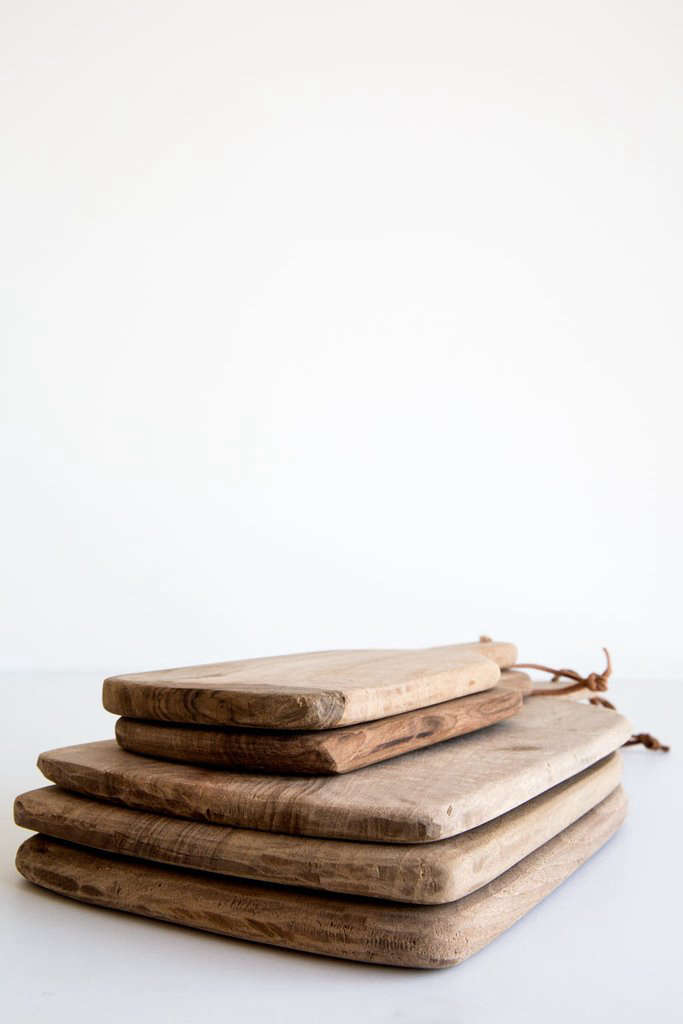
Some kitchen pieces quietly do their job. Others walk into the room, clear their throat, and make the cheese look more expensive. The Honore Walnut Planche belongs to the second group. It is not just a wooden serving board; it is a small piece of French-style table theater, made for people who believe snacks deserve better than a sad paper plate.
The word planche is French for “board” or “plank,” but in the world of dining, it often refers to a handsome serving board used for cheese, charcuterie, fruit, bread, small bites, and the kind of casual entertaining that looks effortless but somehow took 27 minutes of olive placement. Honoré’s walnut planches are loved for their warm natural look, simple shapes, practical handles or hanging holes, and handmade personality. They are useful, decorative, and just rustic enough to make your kitchen feel like it has a passport.
What Is the Honore Walnut Planche?
The Honore Walnut Planche is a handcrafted walnut wood serving platter designed for presenting appetizers, snacks, cheeses, fruits, breads, and charcuterie. It has been featured by design-focused retailers and home style publications as a curated kitchenware item, especially for shoppers who appreciate natural materials, European craftsmanship, and minimalist table styling.
Honoré offers walnut planches in several shapes and sizes, including long rectangular serving boards, handle-style boards with hanging holes, two-hole serving platters, bottle-shaped boards, and round walnut platters. Some versions include a hole or strap for hanging, while others emphasize a clean tray-like silhouette. The overall design language is simple: walnut wood, a smooth profile, and just enough detail to feel special without shouting across the room.
Why Walnut Makes the Board Feel Premium
Walnut is one of the most admired hardwoods in kitchen and furniture design because of its deep brown color, elegant grain, and naturally sophisticated mood. Where pale maple feels bright and hardworking, walnut feels warm, calm, and slightly mysteriousthe wood equivalent of someone who owns linen napkins and actually uses them.
A walnut planche looks beautiful on open shelving, a dining table, a kitchen island, or a bar cart. Its color pairs well with white ceramics, stoneware plates, brass flatware, neutral linens, black serving bowls, and glassware. That makes it especially flexible for modern farmhouse kitchens, Scandinavian-inspired interiors, California casual homes, and French country tablescapes.
Design Features That Make the Honore Walnut Planche Stand Out
The charm of the Honore Walnut Planche comes from restraint. It does not need decorative patterns, bright colors, or a novelty handle shaped like a rooster wearing sunglasses. Its beauty comes from material, proportion, and function.
Handcrafted Character
Honoré walnut boards are described as handmade, which means each piece can show slight variations in color, grain, shape, and finish. That is part of the appeal. A handmade walnut serving board does not look like it rolled off an anonymous factory belt. It looks like it has a little story, even before you cover it with Brie and almonds.
Untreated Walnut Wood
Many Honoré walnut planches are made from untreated walnut wood. This gives the board a natural feel and allows it to develop a patina over time. In plain English: it gets better-looking as it lives with you. Tiny marks, gradual darkening, and soft surface changes can make the board feel more personal. It is the kitchenware version of a leather journalexcept more useful during snack emergencies.
Hanging Holes and Straps
Several versions of the Honore Walnut Planche include a hanging hole or leather strap. This is both practical and decorative. You can hang the board on a kitchen wall, from a rail, or beside other utensils, turning it into part of the room’s visual texture. If cabinet space is limited, hanging storage is not just charming; it is survival.
Simple Shapes for Flexible Serving
The long walnut planche works well for baguette slices, crostini, fruit, cured meats, or a row of small desserts. A handle-style planche is easy to carry from kitchen to table. A wider two-hole board gives you more room for a generous cheese spread. Round walnut platters soften the table and work nicely for pastries, fruit, or after-dinner bites.
Best Uses for an Honore Walnut Planche
The Honore Walnut Planche is best used as a serving board rather than a heavy-duty chopping station. Can you cut on a walnut board? In general, walnut is a popular cutting board wood because it is reasonably durable and kinder to knives than very hard surfaces. However, a decorative handmade planche is usually happiest when used for serving, light slicing, and presentation.
Cheese Boards
Walnut and cheese are natural partners. The dark grain makes pale cheeses stand out beautifully: Brie, Camembert, goat cheese, Manchego, sharp cheddar, and blue cheese all look more dramatic against walnut. Add crackers, dried figs, grapes, olives, honey, and a few roasted nuts, and suddenly your kitchen counter has main-character energy.
Charcuterie Boards
A walnut planche is ideal for prosciutto, salami, saucisson, pâté, cornichons, mustard, toasted bread, and pickled vegetables. For a French-inspired board, keep things elegant and not too crowded. Leave a little breathing room between items. A board should look abundant, not like the appetizers are trapped in rush-hour traffic.
Bread and Pastry Service
The long shape of many Honoré planches makes them excellent for sliced baguette, focaccia strips, breakfast pastries, or tea cakes. At brunch, a walnut board can hold croissants, butter, jam, berries, and a small dish of flaky salt. It is a simple upgrade that makes a weekday breakfast feel like a boutique hotel decided to move into your dining room.
Fruit and Dessert Displays
Dark walnut makes colorful food pop. Strawberries, apricots, pears, citrus slices, figs, and dark chocolate all look rich and intentional on a walnut surface. For dessert, use the planche for cookies, truffles, petit fours, or slices of loaf cake. Add a small knife, a linen napkin, and a bowl of whipped cream if you enjoy being remembered as “the person who knows how to host.”
Coffee Table Snacks
Not every planche moment needs a dinner party. Use it for popcorn, mixed nuts, crackers, fruit, and small bowls of dips during movie night. It instantly makes casual snacking feel curated. The chips are still chips, yes, but now they have architecture.
How to Style the Honore Walnut Planche Like a Designer
Styling a walnut planche is not complicated, but a few smart moves can make it look polished. Think contrast, height, texture, and color.
Use Contrast
Walnut is dark and warm, so pair it with lighter foods and accessories. White cheese, pale crackers, green grapes, sliced pears, and cream-colored ceramics all look beautiful against the board. If everything on the board is brown, the result can look less “French market” and more “forgotten lunchbox.”
Add Small Bowls
Use small ceramic or glass bowls for olives, nuts, jam, honey, mustard, or pickles. Bowls add height and keep wet ingredients from sitting directly on the wood. They also help organize the board visually, which is helpful when your snack ambitions are larger than your available surface area.
Balance Soft and Crunchy
A good board offers variety. Pair creamy cheese with crisp crackers, salty meats with sweet fruit, and rich spreads with fresh vegetables. This balance makes the planche more enjoyable to eat and more attractive to photograph.
Leave a Little Empty Space
Resist the urge to cover every square inch. Empty space helps the walnut grain show through and gives the board a more refined look. It also makes it easier for guests to pick up food without performing a delicate rescue mission with a cracker.
Honore Walnut Planche vs. Regular Cutting Board
A regular cutting board is usually designed first for chopping, slicing, and daily prep. The Honore Walnut Planche leans more toward serving and presentation. That difference matters.
Appearance
Standard boards can look purely functional, while a walnut planche is designed to be seen. Its shape, grain, and hanging details make it suitable for display even when no food is involved.
Function
A thick prep board may be better for serious chopping, meat carving, or repetitive knife work. A walnut planche is best for serving, light slicing, and tabletop use. Think of it as a serving platter with knife-friendly benefits rather than a butcher block in a beret.
Storage
Many planches are slim and easy to hang, which makes them useful in small kitchens. They can become part of the décor instead of disappearing into a cabinet.
How to Care for an Honore Walnut Planche
Wood is durable, but it is not invincible. Treat your walnut planche well, and it can stay beautiful for years. Treat it like a dishwasher-safe plastic tray, and it may respond dramatically. Wood has feelings. Or at least it has moisture content.
Wash by Hand
Clean the board with warm water, mild dish soap, and a soft sponge or cloth. Rinse it quickly and dry it right away. Do not soak it in the sink. Do not run it through the dishwasher. Long exposure to water and heat can cause wood to warp, crack, or split.
Dry It Upright
After washing, let the board air-dry vertically or on a rack so both sides get airflow. Stacking a damp wooden board flat can trap moisture and invite problems. A board that dries evenly is less likely to warp.
Oil the Wood
For routine care, many wood-care experts recommend food-safe mineral oil or a board conditioner made with mineral oil and beeswax. Apply a thin coat, let it absorb, and wipe away the excess. This helps prevent dryness, cracking, and staining. While some brands may suggest wiping with olive oil before use, many U.S. food-care resources caution that cooking oils can become sticky or rancid over time. For long-term maintenance, food-safe mineral oil is usually the safer choice.
Avoid Heavy Staining Foods
Beets, turmeric-heavy sauces, berries, oily cured meats, and deeply colored marinades can stain untreated wood. Use parchment paper, small bowls, or ceramic dishes when serving oily or colorful foods. This simple step protects the board while still letting the walnut shine.
Use Separate Boards for Raw Meat
If you use the planche for food service, reserve it for ready-to-eat foods such as cheese, bread, fruit, vegetables, pastries, and cooked items. Use a separate board for raw meat, poultry, and seafood to reduce cross-contamination risk. Your cheese board should not have to share a résumé with raw chicken.
Who Should Buy an Honore Walnut Planche?
The Honore Walnut Planche is a strong choice for people who love natural materials, thoughtful table settings, and kitchen tools that double as décor. It is especially appealing if you entertain often, enjoy making cheese boards, or want a gift that feels personal without being overly specific.
Great for Hosts
If you frequently invite friends over, a walnut planche makes serving easier and prettier. You can prepare snacks in advance, carry the board to the table, and let guests help themselves.
Great for Small Kitchens
Because many planches can hang on the wall, they are useful for apartment kitchens or compact homes. They add warmth without taking up precious drawer space.
Great as a Gift
A handmade walnut board makes an excellent housewarming, wedding, holiday, hostess, or birthday gift. Pair it with a cheese knife, local honey, linen napkins, or a small jar of fig jam for a gift that looks far more thoughtful than a last-minute candle. No shade to candles. Candles know what they did.
Buying Tips: What to Look For
When shopping for a Honore Walnut Planche or a similar walnut serving board, consider size, shape, finish, and how you plan to use it.
Choose the Right Size
A small planche is ideal for two people, snacks, or a single cheese pairing. A medium board works well for small gatherings. A long or extra-large board is best for parties, bread service, or dramatic charcuterie spreads. If you regularly host four to six people, go larger than you think. Crackers multiply emotionally.
Check the Shape
Handle boards are easy to carry and hang. Long boards are elegant for linear arrangements. Round boards feel softer and more casual. Two-hole boards can be visually distinctive and practical for hanging or handling.
Understand the Finish
Untreated walnut has a natural look and develops character over time, but it needs care. If you prefer a board that resists stains more aggressively, look for one treated with a food-safe oil or wax, or be prepared to condition it yourself before regular use.
Experience: Living With a Honore Walnut Planche
The first thing you notice about a walnut planche is how quickly it changes the mood of the table. Put crackers on a plate, and you have crackers. Put crackers on walnut, add cheese and grapes, and suddenly everyone assumes you read cookbooks for fun and know which wine goes with Comté. The board does not cook, season, or garnish anything, but it frames food so well that even simple ingredients feel more intentional.
In everyday use, the Honore Walnut Planche works best when kept within easy reach. If it is buried behind mixing bowls and holiday-only serving platters, it becomes one of those “special” items that never gets used. Hanging it on a wall or leaning it against a backsplash makes it part of the kitchen routine. You see it, you grab it, and dinner becomes a little more charming.
For weeknight meals, it can hold sliced bread, butter, and a small dish of salt. For lunch, it can turn leftover roasted vegetables, cheese, olives, and crackers into something that feels like a café plate. For guests, it becomes the center of a grazing board. The secret is not to overthink it. A walnut planche rewards casual abundance: a wedge of cheese, something crunchy, something sweet, something salty, and one tiny bowl that says, “Yes, I planned this.”
The board also teaches a slower kind of care. Plastic boards invite neglect. Walnut asks for a small ritual: wash, dry, stand upright, oil occasionally. That routine can actually be satisfying. When the wood looks dry, a little food-safe mineral oil brings the grain back to life. The board deepens in tone, the surface feels richer, and you get the small domestic pleasure of rescuing an object from dullness. It is basically skincare for your kitchen.
One practical lesson: protect the surface when serving oily or strongly colored foods. A small square of parchment under salami, a ramekin for olives, or a dish for jam keeps the board looking better. Another lesson: do not let guests use it as a carving station for anything juicy unless you are emotionally prepared. A planche can handle real life, but it shines brightest with bread, cheese, fruit, pastries, nuts, and ready-to-eat appetizers.
Over time, the best part is the patina. A new walnut planche is beautiful, but a used one has more soul. Tiny marks and color changes make it feel like it belongs to your home, not a showroom. It becomes the board you reach for when friends come over, when brunch needs help, when dessert looks lonely, or when you want a simple dinner to feel less like “standing near the fridge” and more like a meal.
Conclusion
The Honore Walnut Planche is a stylish, practical, and naturally beautiful serving board for anyone who loves good food and better presentation. Its walnut construction, handmade character, simple silhouettes, and display-worthy design make it more than a kitchen accessory. It is a small upgrade that changes how cheese, bread, fruit, charcuterie, and desserts appear at the table.
It is not the right tool for careless soaking, dishwasher cleaning, or heavy raw-meat prep. But for serving, styling, gifting, and everyday enjoyment, it is a charming piece that brings warmth and personality to the kitchen. With proper carehand washing, thorough drying, occasional oiling, and smart food placementa walnut planche can become one of those objects you use constantly and appreciate more with age.