Shrubs are the quiet overachievers of home landscaping. Trees get all the grandeur. Perennials get the applause. Annuals get the seasonal spotlight. But shrubs? Shrubs are the reliable friends who show up on time, keep the place looking polished, and do not complain when the weather turns dramatic. A well-chosen shrub can soften a foundation, frame a walkway, hide an ugly utility box, feed pollinators, add winter interest, and make your yard look like you definitely know what you are doing.
Of course, a badly chosen shrub can also block your windows, swallow your sidewalk, sulk in soggy soil, and force you into a lifelong relationship with hedge shears. That is why a homeowner’s guide to shrubs should start with one truth: success is less about buying the prettiest plant at the garden center and more about matching the right shrub to the right spot.
This guide covers how to choose shrubs, where to plant them, how to keep them healthy, and which common mistakes to avoid. Whether you want flowering shrubs for curb appeal, evergreen shrubs for structure, or low-maintenance shrubs that basically mind their own business, this is the practical roadmap.
Why Shrubs Matter In Home Landscaping
Shrubs do a lot of heavy lifting in residential landscapes. They bridge the gap between tall trees and low perennials, giving a yard shape and balance. They can be used as foundation plantings, privacy screens, informal hedges, rain garden plants, pollinator magnets, and four-season anchors. In design terms, shrubs are the furniture of the garden. Without them, the yard can feel like a room with nothing but throw pillows.
They are also one of the smartest long-term investments a homeowner can make. Good shrubs can live for years with modest care, and many improve with age. The trick is choosing varieties that fit your climate, light conditions, drainage, and available space. That last part matters more than people think. A shrub labeled “compact” when it is young may still become a six-foot green opinion later.
Start With The Golden Rule: Right Shrub, Right Place
If you remember one phrase from this shrub care guide, make it this one: right shrub, right place. It sounds obvious, yet it is the reason one yard looks effortlessly lush while another looks like it is losing an argument with the house.
Check Sun Exposure First
Before buying anything, pay attention to how much sun the planting area actually gets. Not “I think it is sunny-ish.” Real sun. Full sun usually means six or more hours of direct sunlight. Part sun or part shade means less. Deep shade is a different universe entirely. A panicle hydrangea, for example, may bloom beautifully in full sun to part sun, while an inkberry holly may tolerate more shade. Put a sun-loving flowering shrub in dense shade and you will get a leafy plant with very few flowers and a lot of attitude.
Know Your Soil And Drainage
Shrubs are far more forgiving than some garden divas, but they still care about drainage. Some, like sweetspire and summersweet, can handle consistently moist areas better than many others. Boxwood and lavender, on the other hand, would prefer not to sit in wet soil contemplating their demise. After a hard rain, watch the area. If water lingers for hours, choose shrubs that tolerate moisture or improve the site before planting.
Plan For Mature Size, Not Nursery Size
This is where homeowners get into trouble. The cute two-gallon shrub at the garden center is not telling the full story. You need the mature height and spread. If a shrub will eventually grow eight feet wide, do not plant it three feet from a front walk and hope for the best. That is how people end up pruning every weekend like they are in a hedge-based reality show.
Think especially carefully around windows, porches, driveways, and doors. Foundation shrubs should complement the house, not cover half of it. The best landscape shrubs look like they belong there naturally, not like they are trying to take over the mortgage.
Define The Job You Need The Shrub To Do
Ask one simple question: what is this shrub supposed to accomplish?
- Privacy: Look for dense, larger shrubs or layered plantings.
- Foundation planting: Choose shrubs sized to the scale of the house.
- Flowers: Pick reliable bloomers with a season you actually care about.
- Wildlife support: Favor native shrubs with berries, nectar, or nesting value.
- Low maintenance: Skip plants that constantly need shaping to stay in bounds.
Best Types Of Shrubs For Homeowners
Evergreen Shrubs For Year-Round Structure
Evergreen shrubs are the backbone of many home landscapes because they provide color and form in every season. Boxwood, inkberry holly, yew, and certain dwarf hollies are classic examples. They work especially well near entryways, along foundations, and in formal designs. Choose them when you want reliable greenery even in the bleak months when the garden looks like it needs coffee.
Flowering Shrubs For Seasonal Impact
If you want curb appeal that turns heads, flowering shrubs are your stars. Hydrangeas, spireas, viburnums, azaleas, lilacs, abelias, and roses all bring different colors, bloom times, and moods. Some are soft and cottagey. Others are polished and architectural. The key is understanding bloom season and pruning habits. Spring bloomers often set buds on old wood, while many summer bloomers flower on new growth. That matters when you reach for the pruners.
Native Shrubs For Resilience And Wildlife Value
Native shrubs deserve a serious look from homeowners who want beauty without high drama. Depending on your region, plants such as winterberry, spicebush, oakleaf hydrangea, ninebark, chokeberry, bayberry, and Virginia sweetspire can offer flowers, berries, fall color, and better support for local birds and pollinators. Native shrubs often settle into the landscape more naturally because they are adapted to regional conditions. In plain English, they are more likely to thrive without acting like every weather shift is a personal offense.
How To Plant Shrubs The Right Way
Planting shrubs is not complicated, but it is easy to do badly. The most common mistake is planting too deep. The second most common mistake is trying to fix every soil issue with a mystery blend of amendments. Keep it simple.
1. Dig A Wide Hole, Not A Deep One
The planting hole should be at least twice as wide as the root ball, but no deeper than the root ball itself. Wide holes help roots move outward into surrounding soil. Deep holes create settling problems, which can leave the shrub sitting too low. That is bad news for root health.
2. Loosen Or Correct Problem Roots
If the shrub came from a container, inspect the roots. If they are circling tightly, gently loosen them so they do not keep wrapping around themselves underground. Think of this as helping the shrub stop repeating bad habits before they become permanent.
3. Set The Shrub At The Proper Height
The top of the root ball should sit level with, or slightly above, the surrounding soil. Do not bury the crown under extra soil or mulch. Shrubs are not toddlers. They do not need to be tucked in.
4. Backfill With Native Soil
In most cases, use the soil you removed from the hole. Over-amending can create a pocket of fluffy soil that holds too much water or discourages roots from moving outward. Save the gourmet treatment for your compost pile, not the planting hole.
5. Water Thoroughly
After planting, water deeply to settle the soil and eliminate air pockets. For newly planted shrubs, deep watering is more useful than frequent tiny sprinkles. A light daily splash can leave roots shallow and spoiled.
6. Mulch, But Do Not Smother
Apply about two to three inches of mulch over the root zone, keeping it a few inches away from the stems. Mulch conserves moisture, reduces weeds, moderates soil temperature, and protects the plant from mower damage. But mulch piled against the base of the shrub invites trouble. If your shrub is wearing a mulch turtleneck, fix that immediately.
Shrub Care After Planting
Watering Shrubs
New shrubs need regular watering while they establish. The exact amount depends on plant size, weather, soil type, and exposure, but the general goal is deep, infrequent watering rather than constant shallow watering. During hot, dry periods, check soil moisture before watering. Stick your finger several inches into the soil. If it feels dry, water. If it feels moist, step away from the hose.
Established shrubs usually need less help, especially if they were chosen for the site correctly. Grouping shrubs with similar water needs also makes life easier and reduces waste.
Fertilizing Shrubs
Here is some refreshing news: many shrubs do not need much fertilizer at all. Healthy shrubs in decent soil often perform just fine without regular feeding. In fact, fertilizing at planting time is usually unnecessary and can even work against root establishment. A soil test is a much better guide than guesswork. If a shrub looks weak, yellow, or sparse, do not assume it is hungry. It may be planted too deep, too dry, too wet, too shaded, or simply in the wrong place.
Pruning Shrubs Without Panic
Pruning makes homeowners nervous, mostly because nobody wants to be the person who accidentally removes next year’s flowers in one enthusiastic afternoon. Start with the basics: remove dead, damaged, diseased, or crossing branches first. That improves plant health and airflow.
After that, prune according to bloom habit:
- Spring-flowering shrubs such as lilac, azalea, and some viburnums are usually pruned right after flowering.
- Summer-flowering shrubs such as many panicle hydrangeas, abelias, and some spireas can often be pruned in late winter or early spring.
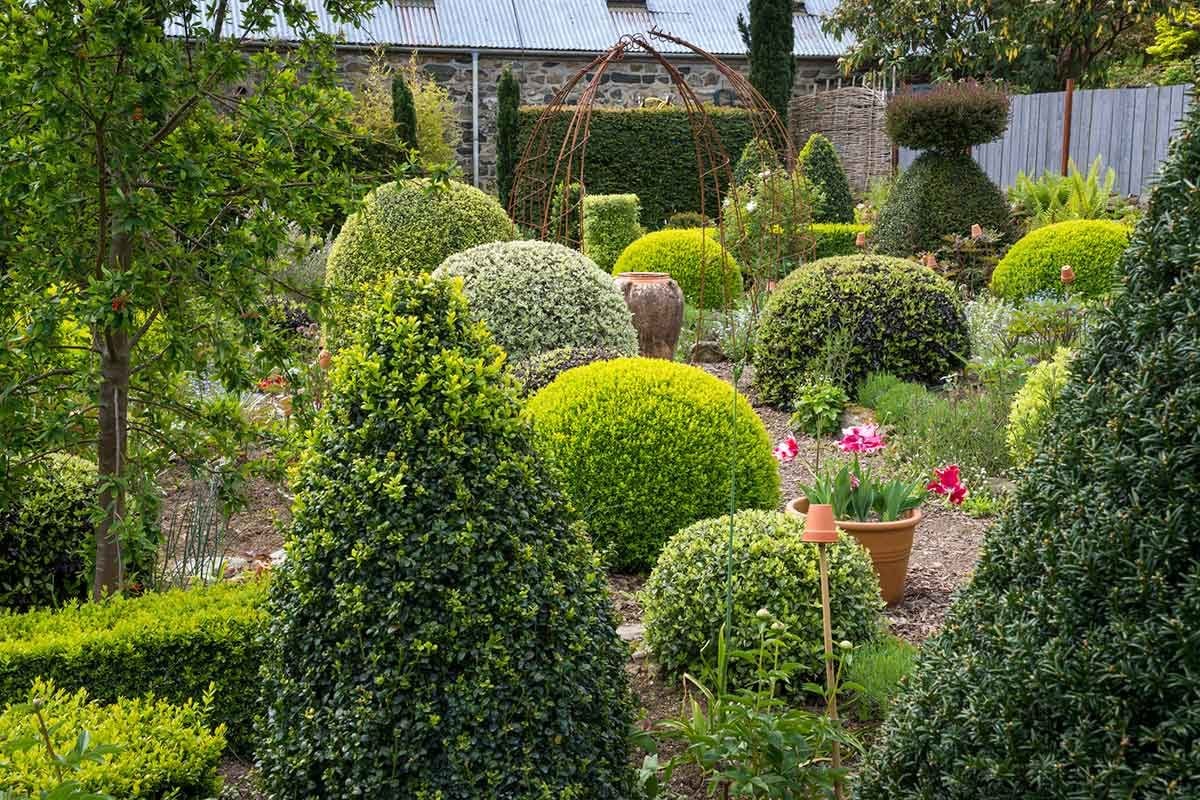
Do not shear every shrub into a green meatball unless that is truly the look you want. Many shrubs look better with selective pruning that preserves their natural shape.
Pest And Disease Prevention
The smartest way to manage shrub problems is prevention. Choose disease-resistant varieties when possible. Give plants the sun and spacing they need. Avoid overhead watering late in the day if fungal issues are common. Clean up fallen diseased foliage. And when pests appear, use integrated pest management: identify the issue first, monitor the damage, and use the least disruptive control that works. Spraying first and asking questions later is rarely the best strategy.
Common Shrub Mistakes Homeowners Make
- Planting too close together. It looks full for one season, then becomes a crowded headache.
- Ignoring mature size. The shrub may fit today and become a full-scale property negotiation later.
- Planting too deep. This quietly causes decline and confusion for years.
- Overwatering. Wet roots can be just as damaging as drought.
- Mulching too heavily. More mulch is not more love.
- Pruning at the wrong time. Goodbye, flower buds.
- Choosing by looks alone. A beautiful plant that hates your site is still the wrong plant.
Smart Shrub Ideas For Common Homeowner Goals
For Privacy
Use layered plantings instead of a single stiff row when possible. A mix of evergreen and deciduous shrubs can give better screening, more texture, and a less formal look. Good options vary by region, but viburnum, wax myrtle, arborvitae, holly, and larger native shrubs are often strong candidates.
For Foundation Planting
Go smaller than you think. Dwarf or medium-size shrubs usually age better near the house than big, fast growers. Mix leaf textures and bloom seasons so the bed looks intentional year-round. The goal is to frame the house, not make it disappear behind greenery.
For Pollinators And Birds
Choose native flowering and berry-producing shrubs where possible. Think beyond bloom color and consider the whole season: spring flowers, summer cover, fall berries, winter structure. A shrub that feeds bees in May and birds in January is doing more work than one that simply looks pretty for two weeks.
For Low-Maintenance Landscaping
Pick shrubs that naturally stay within bounds, tolerate your conditions, and do not require constant shearing. This is where smart plant selection saves years of labor. The easiest shrub to maintain is the one that was well matched from day one.
Real-World Experiences Homeowners Learn From Shrubs
Talk to homeowners who have lived with shrubs for a few years and you will hear the same themes again and again. The first is that patience pays off. Freshly planted shrubs rarely look impressive right away. They may even look slightly offended by the move. But after a year or two of proper watering and decent placement, they settle in, put on growth, and start doing exactly what the plant tag promised. This is why experienced gardeners stop expecting instant hedge walls and immediate magazine-cover results. Shrubs are more crockpot than microwave.
Another common lesson is that bigger is not always better at planting time. Many homeowners assume buying the largest shrub they can afford will get them to the finished look faster. Sometimes that works, but smaller shrubs often establish more easily, adapt faster, and catch up surprisingly well. A younger plant with healthy roots can outperform a larger, stressed specimen that was root-bound in a container too long. In practical terms, homeowners often find that a modest plant installed correctly beats an expensive oversized one installed badly.
Then there is the spacing lesson. Almost every longtime homeowner has a story about planting shrubs too close because the bed looked sparse on day one. That empty space feels awkward at first, so people fill it. Two or three years later, branches overlap, air circulation drops, pruning becomes constant, and suddenly the “full” look has turned into a traffic jam. The experienced approach is to respect mature spread, mulch the open ground, and let the shrubs grow into their roles. Your future self will be grateful, even if your impatient self rolls its eyes in the first season.
Pruning is another area where experience changes people. Beginners often prune for control. Experienced homeowners prune for health, shape, and timing. They learn that hacking every shrub into a perfect dome creates extra work and often removes natural beauty. They also learn, sometimes painfully, that cutting back spring bloomers in fall can mean no flowers the next year. After one season without lilac blooms, people become very motivated students of pruning calendars.
Watering habits also tend to evolve. New homeowners frequently overwater because they worry the plant looks stressed. In reality, many shrubs struggle more from soggy roots than from a brief dry spell. With time, gardeners learn to check the soil, water deeply, and then leave the plant alone long enough for roots to search outward. That shift from frequent shallow watering to slower, deeper soaking is one of the biggest differences between struggling shrubs and sturdy ones.
Finally, experienced homeowners almost always become more open to native shrubs. At first, many people shop for flowers alone. Later, they start noticing which plants handle local weather, attract birds, support pollinators, and still look good without endless intervention. That is usually when native choices start making a lot more sense. The result is a landscape that feels less forced and more alive.
So yes, shrubs teach lessons. They teach restraint, timing, observation, and humility. Mostly, they teach that good landscaping is not about controlling every inch of growth. It is about choosing wisely, planting carefully, and letting the plants do what they were built to do.
Conclusion
A great shrub is not just a filler plant. It is a long-term design decision that can improve privacy, polish curb appeal, support wildlife, and reduce maintenance when chosen well. The best homeowner’s guide to shrubs is really a guide to smart decisions: study the site, respect mature size, plant properly, water deeply, mulch lightly, and prune with purpose. Do that, and your shrubs will stop being random greenery and start becoming one of the strongest assets in your landscape.
In other words, choose shrubs like you choose furniture for a small room: buy for fit, function, and longevity, not just because something looked adorable under store lighting.