High bilirubin levels can sound like a mysterious lab result that escaped from a chemistry textbook, but the basic idea is fairly simple: bilirubin is a yellowish substance your body makes when it breaks down old red blood cells. Your liver normally processes bilirubin, moves it into bile, and sends it out through stool and urine. When that smooth little cleanup system slows down, gets blocked, or becomes overwhelmed, bilirubin can build up in the blood.
The most recognizable sign is jaundice, a yellow tint in the skin or whites of the eyes. But elevated bilirubin is not a diagnosis by itself. It is a clue. Sometimes it points to a mild inherited condition such as Gilbert syndrome. Other times, it may signal hepatitis, gallstones, bile duct obstruction, hemolytic anemia, medication-related liver injury, cirrhosis, or, less commonly, cancer affecting the bile ducts, liver, pancreas, or gallbladder.
This guide explains the symptoms, causes, tests, and treatments for high bilirubin levels in adults and newborns, using plain American English instead of “doctor-speak with a lab coat.”
What Is Bilirubin?
Bilirubin is a yellow pigment produced when red blood cells naturally wear out and are broken down. Think of it as the “recycling receipt” left behind after your body retires old blood cells. The liver takes bilirubin, changes it into a form that can be removed, and sends it into bile. From there, bilirubin leaves the body mostly through stool, with a smaller amount leaving through urine.
Direct vs. Indirect Bilirubin
When your healthcare provider orders a bilirubin test, the results may include three numbers:
- Total bilirubin: the overall bilirubin level in the blood.
- Indirect bilirubin: bilirubin that has not yet been processed by the liver.
- Direct bilirubin: bilirubin that has been processed by the liver and is ready to leave the body through bile.
This distinction matters. High indirect bilirubin may suggest that red blood cells are breaking down too quickly or that the liver is not processing bilirubin efficiently. High direct bilirubin often points toward liver cell damage or a blockage in bile flow. In real life, doctors usually look at bilirubin alongside liver enzymes, blood counts, symptoms, medical history, and imaging tests.
Common Symptoms of High Bilirubin Levels
Some people discover elevated bilirubin levels during routine blood work and feel perfectly fine. Others feel like their body is sending a full marching band of warning signs. Symptoms depend on the underlying cause and how high the bilirubin level is.
Yellow Skin or Yellow Eyes
Jaundice is the classic sign. The whites of the eyes may turn yellow first, followed by yellowing of the skin. On darker skin tones, jaundice may be harder to notice, so changes in the eyes, gums, palms, soles, or urine color can be especially important.
Dark Urine
When bilirubin builds up and spills into urine, the urine may look brown, tea-colored, cola-colored, or orange. If your urine suddenly looks like it belongs in a coffee shop instead of a bathroom, it is worth calling a healthcare provider.
Pale or Clay-Colored Stools
Bilirubin helps give stool its usual brown color. When bile cannot reach the intestines, stool may become pale, gray, beige, or clay-colored. This can happen with bile duct obstruction, gallstones, or certain liver and pancreatic conditions.
Itchy Skin
Severe itching can occur when bile components build up in the body. This itching may be intense, stubborn, and not relieved by regular lotion. It is often associated with cholestasis, a condition where bile flow is slowed or blocked.
Fatigue, Nausea, and Loss of Appetite
People with liver inflammation, hepatitis, gallbladder disease, or bile duct problems may experience fatigue, nausea, vomiting, poor appetite, abdominal discomfort, fever, or flu-like symptoms. These symptoms are easy to dismiss, but when they appear with jaundice, they deserve attention.
Abdominal Pain
Pain in the upper right abdomen may suggest gallbladder or liver involvement. Pain that radiates to the back, especially with jaundice and weight loss, needs prompt medical evaluation because pancreatic or bile duct problems can sometimes present this way.
What Causes High Bilirubin Levels?
High bilirubin levels can happen before bilirubin reaches the liver, while the liver is processing it, or after bilirubin leaves the liver through the bile ducts. Doctors often organize the causes into three groups: pre-hepatic, hepatic, and post-hepatic. Translation: before the liver, in the liver, and after the liver.
1. Increased Breakdown of Red Blood Cells
If red blood cells are destroyed faster than usual, the body produces more bilirubin than the liver can handle. This can happen with hemolytic anemia, certain inherited blood disorders, transfusion reactions, some infections, or medication reactions. In this pattern, indirect bilirubin is often elevated.
2. Liver Disease or Liver Inflammation
The liver is bilirubin’s main processing center. When liver cells are inflamed, injured, scarred, or overwhelmed, bilirubin can rise. Possible causes include viral hepatitis, alcohol-related liver disease, fatty liver disease, cirrhosis, autoimmune liver disease, and drug-induced liver injury.
Hepatitis A, B, and C can cause symptoms such as fatigue, fever, nausea, stomach pain, dark urine, clay-colored stool, and jaundice. Some people, especially with hepatitis C, may have no symptoms for years, which is why testing matters.
3. Gallstones and Bile Duct Blockage
Gallstones can block the ducts that carry bile from the liver and gallbladder into the intestine. When bile cannot flow, direct bilirubin can back up into the blood. This may cause yellow eyes, dark urine, pale stools, itching, and upper abdominal pain. A blocked bile duct can become urgent if fever, chills, or severe pain develops.
4. Gilbert Syndrome
Gilbert syndrome is a common inherited condition that affects how the liver processes bilirubin. It is usually harmless and often discovered during routine blood tests. People with Gilbert syndrome may notice mild jaundice during dehydration, fasting, illness, stress, strenuous exercise, or lack of sleep. The liver is not “failing”; it is just a little slow at one specific bilirubin-processing task.
5. Medication or Toxin-Related Liver Injury
Some medications and supplements can injure the liver or interfere with bile flow. Acetaminophen overdose is a well-known cause of serious liver damage and may cause nausea, vomiting, abdominal pain, confusion, and jaundice. Certain antibiotics, seizure medicines, anabolic steroids, herbal supplements, and chemotherapy drugs can also affect liver function in some people.
6. Pancreatic, Liver, or Bile Duct Cancer
Less commonly, high bilirubin may be related to cancer that blocks bile flow. Tumors in the head of the pancreas, bile ducts, gallbladder, or liver can cause painless jaundice, dark urine, pale stools, itching, weight loss, and appetite changes. Jaundice does not automatically mean cancer, but unexplained jaundice should never be ignored.
7. Newborn Jaundice
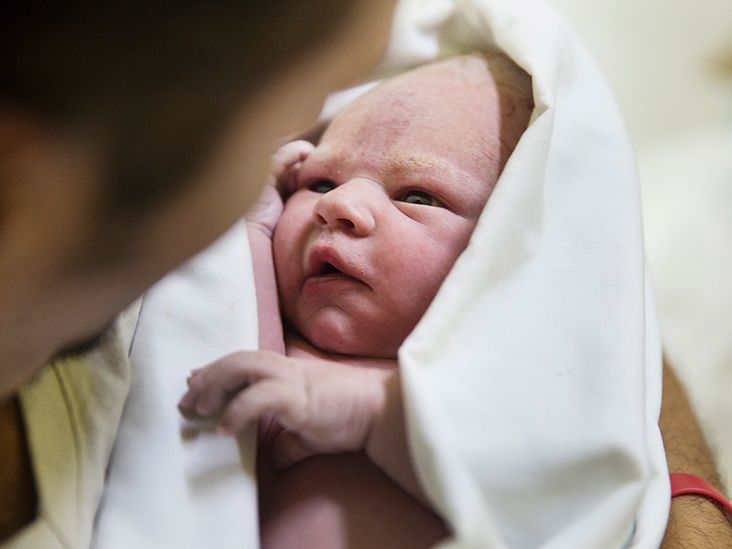
High bilirubin levels are common in newborns because a baby’s liver may need time to mature after birth. Many cases are mild and improve with feeding and monitoring. However, very high bilirubin in newborns can be dangerous and may require phototherapy or, rarely, more intensive treatment. Parents should always follow pediatric guidance for newborn jaundice.
How High Bilirubin Is Tested
A bilirubin blood test is the main way to measure bilirubin levels. It may be ordered when someone has yellow skin or eyes, dark urine, pale stools, itching, abdominal pain, fatigue, suspected liver disease, suspected anemia, or a newborn at risk for jaundice.
Bilirubin Blood Test
The test uses a blood sample to measure total bilirubin and sometimes direct bilirubin. Indirect bilirubin is often calculated from those numbers. Normal ranges vary by laboratory, but many adult reference ranges place total bilirubin under about 1.2 mg/dL. A result slightly above the reference range does not always mean something dangerous, but it does mean the result should be interpreted in context.
Liver Function Tests
Doctors often order bilirubin with other liver-related tests, including ALT, AST, alkaline phosphatase, GGT, albumin, and prothrombin time or INR. These tests help determine whether the pattern looks more like liver cell injury, bile duct obstruction, impaired liver function, or another process.
Complete Blood Count and Hemolysis Tests
If the provider suspects rapid red blood cell breakdown, tests may include a complete blood count, reticulocyte count, lactate dehydrogenase, haptoglobin, and a blood smear. These can help identify hemolytic anemia or other blood disorders.
Urine Tests
Bilirubin in urine can suggest liver disease or bile duct obstruction because direct bilirubin is water-soluble and can pass into urine. Urine testing may also check for infection, hydration status, or other clues.
Imaging Tests
If a blockage is suspected, ultrasound is often used first because it can look for gallstones, bile duct enlargement, and liver or gallbladder changes. CT scans, MRI, MRCP, HIDA scans, or endoscopic procedures may be used depending on the suspected cause.
Specialized Tests
Depending on the case, additional tests may include hepatitis panels, autoimmune markers, iron studies, genetic testing, tumor markers, or liver biopsy. Not everyone needs every test. A good medical workup is more like detective work than a shopping spree.
When High Bilirubin Needs Urgent Care
Call a healthcare provider promptly if you notice yellowing of the skin or eyes, especially if it is new. Seek urgent medical care if jaundice appears with fever, confusion, severe abdominal pain, repeated vomiting, fainting, bleeding, black stools, rapid swelling of the belly, or extreme sleepiness.
For newborns, urgent evaluation is needed if the baby is very sleepy, feeding poorly, has a high-pitched cry, has worsening yellowing, seems limp, or develops jaundice within the first 24 hours after birth. Newborn bilirubin can rise quickly, so pediatric follow-up is not optional decoration; it is the safety rail.
Treatment for High Bilirubin Levels
Treatment depends on the cause. There is no single “bilirubin pill” that magically fixes every case. The goal is to treat the reason bilirubin is high.
Treating Liver Inflammation or Disease
If hepatitis or another liver condition is responsible, treatment may involve antiviral medication, avoiding alcohol, stopping liver-harming drugs, managing fatty liver disease, treating autoimmune disease, or monitoring cirrhosis complications. Lifestyle changes may help some liver conditions, but they should be guided by a clinician.
Removing a Bile Duct Blockage
If gallstones block a bile duct, treatment may include endoscopic removal of the stone, gallbladder surgery, antibiotics if infection is present, or procedures to place a stent and restore bile flow. When the blockage is caused by a tumor, treatment may involve surgery, stenting, chemotherapy, radiation, or other cancer-directed care.
Managing Hemolytic Anemia
If red blood cells are breaking down too quickly, treatment depends on the cause. Options may include stopping a triggering medication, treating infection, immune therapies, folate support, blood transfusion, or specialist care from a hematologist.
Gilbert Syndrome Care
Gilbert syndrome usually does not require treatment. Staying hydrated, eating regular meals, sleeping enough, and avoiding extreme fasting may reduce flare-ups. The best treatment is often reassurance after more serious causes have been ruled out.
Newborn Treatment
Mild newborn jaundice may improve with feeding and close monitoring. More significant cases may require phototherapy, which uses special light to help the baby’s body remove bilirubin more easily. Rare severe cases may need intravenous immunoglobulin or exchange transfusion.
Can High Bilirubin Be Prevented?
Not every cause is preventable, but you can lower some risks. Avoid heavy alcohol use, follow medication labels carefully, do not combine multiple acetaminophen-containing products, get vaccinated against hepatitis A and B if recommended, practice safer sex, avoid sharing needles, maintain a healthy weight, and seek care for gallbladder symptoms before they become a dramatic late-night emergency.
For newborns, prevention is mostly about timely screening, good feeding, and follow-up after discharge. Parents should not try to treat newborn jaundice with sunlight at home unless a pediatrician specifically recommends a safe plan. Babies are adorable, but they are not houseplants.
Living With High Bilirubin: Practical Experiences and Real-World Lessons
People often discover high bilirubin in one of two ways: either they notice jaundice and panic-search symptoms online, or a routine blood test quietly announces, “Surprise, your bilirubin is elevated.” Both situations can be stressful, but they are not the same. A mildly elevated bilirubin result in a healthy person with normal liver enzymes may lead to a very different evaluation than sudden jaundice with dark urine, fever, and abdominal pain.
One common experience is the “yellow eyes in the mirror” moment. A person may feel tired for a few days, blame work, bad sleep, or a suspicious burrito, then notice the whites of the eyes look yellow. That visible change often pushes people to get checked. In many cases, doctors begin with blood tests and ask detailed questions: Have you taken acetaminophen? Any alcohol increase? New supplements? Recent travel? Abdominal pain? Fever? Weight loss? Family history of liver disease? These questions may feel oddly specific, but each one helps narrow the cause.
Another common situation involves Gilbert syndrome. Someone may have slightly high bilirubin on repeated lab tests, but ALT, AST, alkaline phosphatase, blood counts, and other results are normal. They may remember that the test happened after skipping breakfast, recovering from a cold, training hard, or being dehydrated. After proper evaluation, the provider may explain that Gilbert syndrome is mild and does not damage the liver. For many people, that explanation turns a scary lab result into a manageable quirk.
Gallstone-related bilirubin problems often feel more dramatic. A person may have waves of upper right abdominal pain after fatty meals, nausea, and then dark urine or pale stools. If a stone blocks the common bile duct, bilirubin can rise quickly. Treatment may involve imaging, endoscopic removal of the blockage, and sometimes gallbladder surgery. The lesson here is simple: recurring upper abdominal pain should not be treated like a personality trait. It deserves medical attention.
Medication-related bilirubin elevation can be surprising because many people assume over-the-counter products are automatically harmless. Acetaminophen is safe when used correctly, but taking too much, combining several cold and pain products, or mixing it with heavy alcohol use can injure the liver. A practical habit is to read labels and track total daily dose, especially during flu season when one person may be taking a pain reliever, a nighttime cold medicine, and a “just in case” extra tablet.
For parents, newborn jaundice brings a different kind of worry. Many babies develop some yellowing in the first days of life, and most do well with monitoring and feeding. Still, parents should take follow-up appointments seriously because bilirubin levels can rise before a baby looks severely ill. A sleepy baby who is not feeding well needs prompt attention. In this case, being “overcautious” is not overreacting; it is good parenting with a clipboard.
The most useful real-world takeaway is that high bilirubin is a signal, not a final answer. The same yellow eyes could come from a harmless inherited condition, a blocked bile duct, viral hepatitis, medication injury, or another medical issue. The smartest move is not to guess the cause based on one symptom. It is to get tested, review the pattern of direct and indirect bilirubin, look at liver enzymes and blood counts, and follow the provider’s plan. Your liver does a thousand quiet jobs every day. When it sends a yellow flag, it is polite to read it.
Conclusion
High bilirubin levels can be mild, temporary, or a sign of something that needs urgent care. The key is context. Symptoms such as yellow skin or eyes, dark urine, pale stools, itching, fatigue, nausea, and abdominal pain help guide the next steps. Blood tests can separate total, direct, and indirect bilirubin, while liver tests, urine tests, blood counts, and imaging help identify the cause.
In adults, treatment focuses on the underlying problem, whether that means managing liver disease, treating hepatitis, removing a bile duct blockage, addressing hemolytic anemia, changing medications, or monitoring a benign condition like Gilbert syndrome. In newborns, careful screening and timely treatment can prevent rare but serious complications.
Note: This article is for informational purposes only and does not replace medical diagnosis or treatment. Anyone with new jaundice, worsening symptoms, severe abdominal pain, fever, confusion, or a jaundiced newborn should seek medical care promptly.