Note: This article is based on real-world personal growth themes, community conversations, and reputable wellness research. It is written for general insight and entertainment, not as professional therapy, financial, legal, or medical advice.
Life is a generous teacher, but unfortunately, it has the personality of a substitute teacher who forgot the lesson plan and brought a pop quiz instead. Some lessons arrive gently, like a good book, a wise friend, or a surprisingly accurate fortune cookie. Others kick the door open wearing muddy boots and say, “Congratulations, you are learning this today.”
That is why the question “What are the top two lessons you learned the hard way so far in your life?” hits so hard. It sounds simple, but it reaches into the drawer where we keep old heartbreaks, embarrassing mistakes, failed friendships, bad jobs, ignored red flags, and texts we absolutely should not have sent at 1:13 a.m.
Across countless personal stories, advice threads, wellness articles, and psychology-backed discussions, two life lessons keep showing up again and again. They are not glamorous. They will not fit neatly on a throw pillow unless the pillow is very emotionally mature. But they are powerful: protect your peace with boundaries, and stop waiting until life shakes you to appreciate what matters.
Why Hard-Earned Life Lessons Stay With Us
Hard-earned wisdom sticks because it usually costs something. Sometimes it costs time. Sometimes it costs money, trust, confidence, health, or a friendship we thought would last forever. Nobody wants tuition this expensive, but here we are, enrolled in Life University with no option to drop the class.
The strange thing is that painful lessons often become the ones we remember most clearly. A casual warning may bounce off us, but an experience has receipts. When you stay too long in a draining relationship, ignore your body, overspend to impress people, or say yes until your soul starts making dial-up internet noises, the lesson becomes personal. You do not just understand it; you feel it.
That does not mean suffering is automatically noble or necessary. Nobody needs to romanticize pain. But if the hard thing already happened, the healthiest move is to extract the wisdom without building a vacation home in regret. Mistakes can become maps. Pain can become boundaries. Regret can become better decision-making. Growth, apparently, is what happens when life hands you a mess and you finally stop calling it “fine.”
Lesson 1: Boundaries Are Not Rude; They Are Instructions
The first major life lesson many people learn the hard way is this: boundaries are not selfish. They are the user manual for how to be in your life without accidentallyor intentionallywrecking the furniture.
For many people, this lesson begins with people-pleasing. You say yes when you mean no. You answer work messages at midnight. You listen to the same friend complain for three hours but somehow never get asked how you are doing. You lend money you cannot afford to lose. You accept disrespect because “they are going through a lot.” Eventually, you become the emotional equivalent of an airport charging station: everyone plugs in, and nobody asks if you are overheating.
Boundaries Protect Relationships, Not Just Individuals
One of the biggest myths about boundaries is that they push people away. In reality, healthy boundaries often make relationships stronger because they reduce resentment. When people know what is okay, what is not okay, and what your limits are, there is less guessing, less silent anger, and fewer dramatic explosions over who left the emotional dishes in the sink.
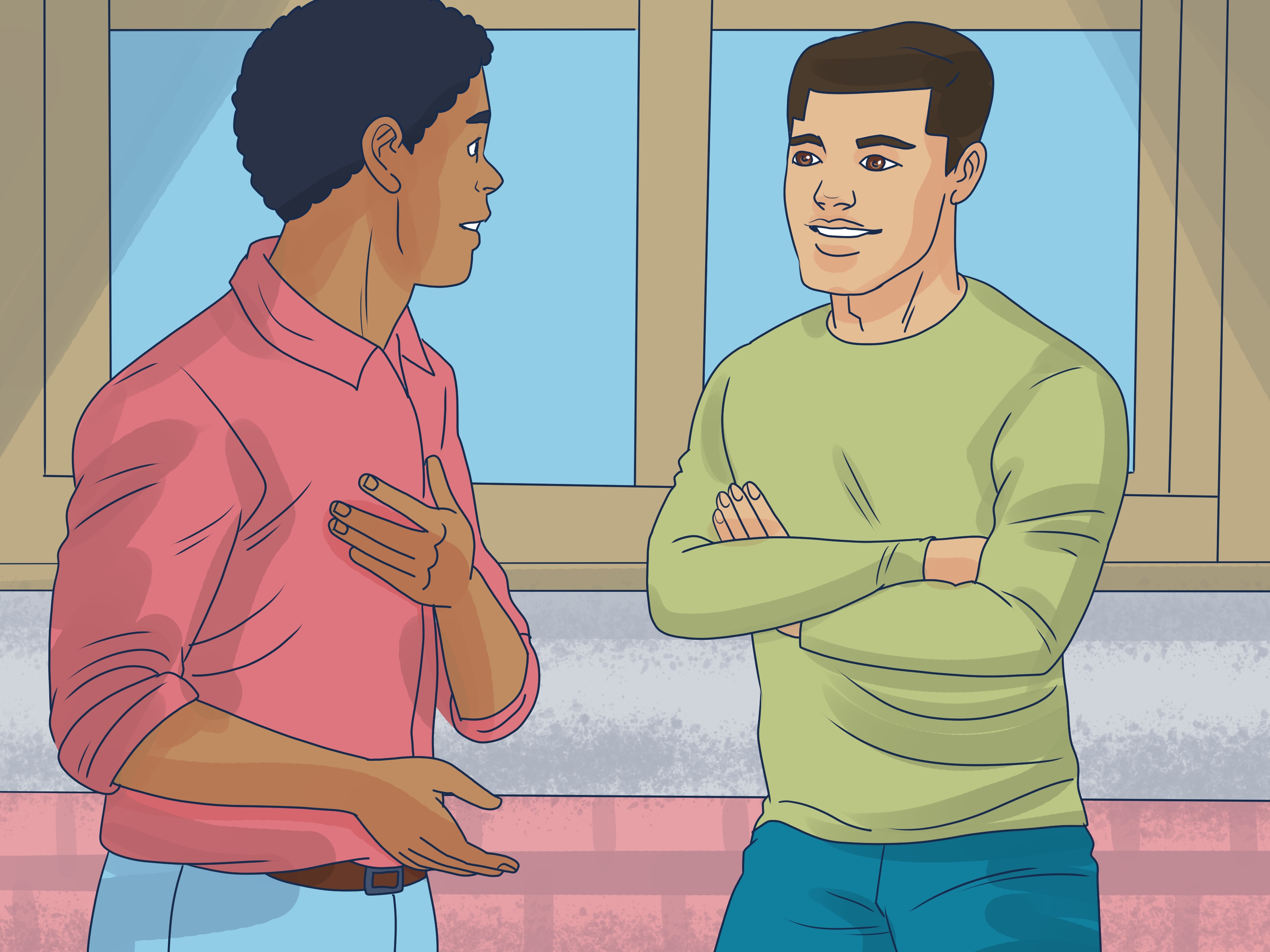
A boundary can sound simple: “I cannot talk about this tonight.” “I need more notice before making plans.” “I am not available for unpaid work on weekends.” “Please do not joke about that.” These sentences may feel terrifying at first, especially if you grew up believing that being easygoing meant having no needs whatsoever. But having needs does not make you difficult. It makes you human, which is inconvenient but legally unavoidable.
The Hard Way: When Saying Yes Becomes Self-Betrayal
A common hard-way experience looks like this: you agree to help everyone, attend everything, fix every crisis, and be endlessly understanding. At first, people call you kind. Later, they call you dependable. Eventually, they stop calling and just assume you will show up. By the time resentment arrives, it brings luggage.
The painful lesson is that every automatic yes has a cost. Sometimes the cost is sleep. Sometimes it is creativity, focus, money, dignity, or time with people who actually refill your cup. Saying yes to something that violates your values often means saying no to yourself.
That does not mean becoming cold or unavailable. It means becoming honest. A healthy boundary is not a punishment. It is a clarification. You are not saying, “I do not care about you.” You are saying, “I care about you, but I also live inside this nervous system, and it has filed a formal complaint.”
How To Practice This Lesson Without Becoming a Human Brick Wall
Start small. You do not need to begin with a dramatic speech under a thunderstorm. Try pausing before answering requests. Try saying, “Let me check and get back to you.” Try noticing which situations make you feel tense, used, anxious, or invisible. Your body often reads the room before your brain finishes writing excuses.
Then communicate clearly. Use “I” statements when possible. “I need quiet time after work” is usually easier to hear than “You are ruining my life every Tuesday.” Be firm, but not theatrical. Boundaries are not more valid when delivered with courtroom energy.
Most importantly, watch what people do after you set a boundary. Healthy people may feel disappointed, but they adjust. Entitled people treat your boundary like a personal attack, a legal challenge, or a fun obstacle course. That reaction is information. Keep it. Frame it. Do not ignore it.
Lesson 2: What Matters Most Usually Looks Ordinary Until It Is Gone
The second hard-earned life lesson is quieter but deeper: the things that matter most are often ordinary while we have them. Health. Peace. Time. A safe home. A friend who answers. A parent’s voice. A partner who makes coffee. A pet doing absolutely nothing but somehow improving the entire room. These things rarely arrive with fireworks. They sit beside us every day, disguised as normal.
Then life changes. Someone moves away. A relationship ends. A diagnosis arrives. A job disappears. A loved one passes. A season closes. Suddenly the everyday thing becomes sacred, and we realize we were standing inside a good moment while complaining about Wi-Fi speed.
Connection Beats Applause
Many people learn too late that being admired is not the same as being loved. A packed schedule, a polished image, a high-status job, or a beautiful social media feed can still leave a person lonely. You can be busy and disconnected. You can be successful and emotionally malnourished. You can receive 200 birthday notifications and still wish one specific person had called.
This lesson does not mean ambition is bad. Goals matter. Work can be meaningful. Money can reduce stress and create options. But if success costs every close relationship, every quiet morning, and every honest conversation, the receipt may be uglier than expected.
The people who show up when life gets messy are worth more than the people who clap only when life looks shiny. A real friend is not always the funniest person in the room; sometimes it is the one who says, “Eat something,” when you are spiraling like a browser with 47 tabs open.
Health Is Boring Until It Becomes the Plot
Another ordinary treasure people often undervalue is health. When the body works, we treat it like a rental car. We skip sleep, ignore stress, eat like a raccoon with a credit card, and promise ourselves we will “get back on track Monday.” The problem is that Monday has been under investigation for years.
The hard lesson is that health is not just about looking a certain way. It is energy, mobility, mood, focus, pain levels, sleep, and the ability to participate in your own life. Taking a walk, drinking water, going to checkups, resting, stretching, eating vegetables, and managing stress may sound painfully unsexy, but they are the maintenance crew keeping the lights on.
You do not need a perfect wellness routine. Perfect routines usually last until someone brings chips. What helps is consistency with compassion. Do the next decent thing. Take the short walk. Make the appointment. Go to bed earlier once in a while. Call it self-respect, not punishment.
Regret Can Be a Teacher, Not a Life Sentence
Almost everyone carries regret. We regret the apology we delayed, the opportunity we avoided, the relationship we chased, the boundary we failed to set, or the dream we kept postponing because we were waiting to feel “ready.” Spoiler alert: ready is often just fear wearing business casual.
But regret does not have to become a permanent address. It can become a signal. If you regret losing touch with people, reach out sooner. If you regret ignoring your health, start gently now. If you regret staying silent, practice speaking honestly. If you regret playing small, take one brave step before your brain organizes a committee meeting about all possible disasters.
The goal is not to live without regret. That is impossible unless you are a houseplant, and even then, lighting choices matter. The goal is to use regret well. Let it sharpen your values instead of dulling your joy.
How These Two Lessons Work Together
Boundaries and appreciation may seem like separate life lessons, but they are deeply connected. Boundaries protect what matters. Appreciation reminds you why it is worth protecting.
When you know your time is limited, you become more careful about who gets access to it. When you value your peace, you stop handing it to every person with a loud opinion. When you understand that relationships need care, you stop watering weeds and start watering the people who have been quietly blooming beside you.
These lessons also help with decision-making. Ask yourself: “Will this cost my peace?” and “Will this help me honor what matters?” Those two questions can save you from many disasters, including bad relationships, unnecessary arguments, burnout, and group vacations planned by people who think a 6 a.m. hike is “fun.”
Practical Ways To Apply These Lessons Today
1. Make a “No Longer Available For” List
Write down behaviors, patterns, or obligations you are done accepting. Examples: last-minute emotional dumping, unpaid labor disguised as opportunity, relationships with no reciprocity, comparing your life to strangers online, or sacrificing sleep to prove loyalty. This list is not a tantrum; it is a blueprint.
2. Send the Message Before It Becomes a Eulogy
If someone matters to you, tell them while they can still roll their eyes and say, “Why are you being weird?” Appreciation delayed too long can become grief with nowhere to go. Text the friend. Call your parent. Thank the coworker. Compliment your partner for the tiny thing they do every day. Specific gratitude is relationship glue.
3. Stop Auditioning for People Who Are Not Casting
One painful lesson many people learn is that not everyone will value you, no matter how impressive, helpful, loyal, or low-maintenance you become. Stop trying to win over people who treat your presence like background music. Go where your effort is noticed, your boundaries are respected, and your weird stories are welcomed.
4. Let Small Habits Count
Growth does not always look cinematic. Sometimes it looks like washing the dishes, blocking the toxic ex, taking medication as prescribed, saving $20, walking around the block, or closing your laptop at a reasonable hour. Tiny choices become identity over time. Boring progress is still progress.
More Experiences Related to Learning Life Lessons the Hard Way
One of the most common experiences people describe is learning that love alone is not enough. That sentence sounds cold until you have lived through the opposite. You can love someone deeply and still be incompatible. You can care about a friend and still feel drained by them. You can miss a person and still know that letting them back into your life would be like inviting a raccoon into your kitchen because it once looked cute near a trash can.
Another hard lesson is that silence can be expensive. Many people look back and realize they should have spoken up earlier: at work, in a relationship, in a family conflict, or in defense of themselves. Avoiding confrontation may feel peaceful in the moment, but unresolved truth does not disappear. It sits in the corner doing push-ups. Eventually, what could have been a calm conversation becomes a volcanic eruption over something tiny, like a misplaced spoon.
People also learn the hard way that comparison is a professional joy thief. There will always be someone younger, richer, fitter, luckier, louder, smoother, or better lit by natural sunlight. Comparing your behind-the-scenes to someone else’s highlight reel is emotionally unfair and mathematically useless. The person you envy may be fighting battles you cannot see. Or they may simply have excellent filters. Either way, your life needs your attention more than their feed does.
Money teaches its own hard lessons too. Many people discover that spending to impress others creates stress that nobody else volunteers to pay for. A flashy lifestyle can become a very pretty cage. Financial wisdom often begins with unglamorous choices: budgeting, saving, avoiding debt traps, reading the fine print, and realizing that “future me” is not a magical millionaire who enjoys cleaning up present-me’s chaos.
Career lessons can sting as well. Some people learn that loyalty to a company does not always equal security. Others learn that chasing a dream without discipline is just daydreaming with better lighting. The healthiest career lesson may be balance: work hard, keep learning, build relationships, document your wins, and remember that your job title is not your entire personality. If your email signature has become your soul, step outside and touch grass immediately.
Friendship changes are another universal classroom. Not every friendship is meant to survive every season. Some people are perfect for who you were, not who you are becoming. That does not make the old connection fake. It means growth changed the seating chart. The hard part is knowing when to repair, when to release, and when to stop watering a plastic plant.
Finally, many people learn that self-compassion is not weakness. Beating yourself up may feel productive, but shame is a terrible coach. It yells a lot and teaches very little. Honest accountability works better when paired with mercy. You can admit you messed up without declaring yourself permanently defective. You can apologize, learn, repair what you can, and move forward with more wisdom than you had before.
The beautiful, annoying truth is that life keeps teaching. The curriculum changes, but the core lessons repeat: protect your peace, love people while you can, care for your body, spend your time intentionally, forgive where possible, leave where necessary, and do not wait for disaster to tell you what matters. Also, label your leftovers. That may not be a spiritual lesson, but it prevents household conflict, which is basically inner peace with Tupperware.
Conclusion: The Best Lessons Hurt, Then Help
The top two lessons many people learn the hard way are simple enough to say but difficult enough to spend a lifetime practicing: set boundaries before resentment builds, and appreciate what matters before loss teaches you its value.
Boundaries teach you to protect your energy, time, values, and emotional health. Appreciation teaches you to notice the people, moments, and ordinary blessings that make life meaningful. Together, they create a wiser way to live: less performing, less chasing, less tolerating nonsense, and more choosing what truly deserves your attention.
Nobody gets every lesson early. We all learn some things late, awkwardly, loudly, and with at least one embarrassing screenshot in the group chat. But every hard-earned lesson can become useful if we let it change how we live now. The past may have taught the lesson, but the present is where you prove you learned it.