Note: This article is written as a fun, SEO-friendly community-style piece inspired by real research on humor, fear, laughter, stress relief, and why people enjoy turning frightening moments into shared jokes.
When Fear Trips Over a Banana Peel
Fear is dramatic. It enters the room wearing a black cape, dragging thunder behind it, and whispering, “Something terrible is about to happen.” Then humor walks in, points at the cape, and says, “Nice bedsheet, Count Laundry.” That, dear Pandas, is the magic of turning something scary into something funny.
The idea behind “Hey Pandas, Turn Something Scary Into Something Funny” is simple but surprisingly powerful: take a situation that usually makes people shiver, scream, or sleep with the hallway light on, and give it a ridiculous twist. A ghost becomes a roommate who never pays rent. A monster under the bed becomes an unpaid storage consultant. A creepy doll becomes a tiny Victorian influencer with commitment issues.
Scary things often work because they create uncertainty. We do not know what is hiding in the dark, what made that noise downstairs, or why the basement door is open when nobody remembers opening it. Humor works in a similar neighborhood. It also surprises us, but instead of pushing us toward panic, it gives our brain a safe landing. The scary thing becomes harmless, weird, exaggerated, or relatable. Suddenly, the shadow in the corner is not a demon. It is a laundry pile judging your life choices.
That is why scary-funny content performs so well online. It blends two high-energy emotions: tension and relief. Readers click because the topic promises suspense, but they stay because laughter makes the experience feel safe, social, and shareable. For a community prompt like this, the best answers are not just jokes. They are little stories, mini-memes, and tiny acts of emotional judo: fear comes charging in, and comedy flips it into a beanbag chair.
Why Scary and Funny Are Secret Cousins
Fear and humor may seem like opposites, but they share several ingredients. Both rely on surprise. Both change how the body feels. Both can make people gasp, shout, or grab the nearest friend. The big difference is interpretation. If the brain decides a surprise is dangerous, fear takes the wheel. If the brain decides it is safe or absurd, laughter jumps into the passenger seat and starts eating chips.
Think about a jump scare in a movie. For one second, your body reacts as if survival depends on whether you can throw popcorn accurately. Your heart rate rises. Your muscles tense. Your brain says, “We are under attack by a haunted violin chord.” Then the scene passes, the theater is safe, and someone in the back row laughs too loudly. That laugh is not random. It is the body and mind releasing tension after realizing the threat is not real.
Comedy often happens when something feels wrong but not truly harmful. A vampire is scary. A vampire who cannot enter your house because he keeps getting stuck in the screen door is funny. A haunted mansion is scary. A haunted mansion with terrible Wi-Fi and passive-aggressive ghosts is funny. The fear is still there, but it has been softened, exaggerated, or made ridiculous enough for us to enjoy.
This is also why classic Halloween decorations can become comedy gold. Skeletons are symbols of death. But put one in sunglasses, holding a pumpkin spice latte, and suddenly it is not mortality. It is Chad from accounting, enjoying spooky season a little too much. The joke does not erase the scary image; it gives it a new job.
The Art of Turning Scary Things Into Funny Things
Not every scary topic should be turned into a joke, and not every joke lands. Good scary-funny writing needs warmth, timing, and a sense of proportion. The goal is not to mock real pain or make light of trauma. The goal is to play with harmless fears, fictional monsters, awkward surprises, creepy vibes, and everyday anxieties that people can recognize without feeling attacked.
1. Make the Monster Inconvenient
One of the easiest ways to make something scary funny is to give it a boring, everyday problem. A werewolf is frightening. A werewolf trying to schedule a full-body wax before the full moon is comedy. A zombie apocalypse is terrifying. A zombie who cannot remember whether it left the oven on is basically all of us on a Tuesday.
Example: “There was a demon in my closet, but after seeing the mess, it whispered, ‘You know what? You have bigger problems than me,’ and left.”
2. Give the Scary Thing a Mundane Personality
Horror creatures are usually mysterious, ancient, and powerful. That is exactly why it is funny to make them petty, awkward, needy, or overly professional. Imagine a ghost who haunts your house but also leaves sticky notes about recycling. Imagine a vampire who is less “lord of darkness” and more “guy who keeps asking if the garlic bread is gluten-free.”
Example: “The shadow figure at the end of my bed turned out to be my coat on a chair. Honestly, still rude of it to stand there with such confidence.”
3. Replace the Scream With Customer Service Energy
Scary situations become hilarious when characters respond with weird politeness. Instead of screaming at a monster, ask whether it has an appointment. Instead of fleeing from a haunted mirror, leave it a one-star review. The contrast between terror and normal social behavior creates instant comedy.
Example: “A ghost whispered my name at 3 a.m., so I whispered back, ‘Please hold. Your haunting is important to us.’”
4. Turn the Fear Into a Relatable Problem
The best scary jokes often reveal something ordinary underneath the horror. We are not only afraid of monsters. We are afraid of unread emails, unknown phone numbers, surprise expenses, weird noises from the car, and opening the fridge after buying groceries three days ago and finding nothing but a lemon with ambition.
Example: “The scariest thing in my house is not the basement. It is the laundry chair. It has been growing stronger for weeks.”
Funny Examples: Scary Things With Silly Makeovers
Here are some playful transformations that fit the spirit of “Hey Pandas, Turn Something Scary Into Something Funny.” Use them as inspiration for captions, comments, social posts, or your own ridiculous campfire stories.
The Haunted Doll
Scary version: A porcelain doll turns its head by itself in the dark.
Funny version: A porcelain doll turns its head by itself in the dark, then says, “I have been trying to reach you about your car’s extended warranty.”
The Thing Under the Bed
Scary version: Something scratches beneath the mattress.
Funny version: Something scratches beneath the mattress and whispers, “Do you have snacks? Being mysterious is exhausting.”
The Creepy Basement
Scary version: A basement light flickers, and footsteps echo below.
Funny version: A basement light flickers, and a ghost shouts, “Can someone reset the router? The afterlife has terrible signal.”
The Zombie
Scary version: A zombie drags itself toward you, groaning.
Funny version: A zombie drags itself toward you, groaning, “Braaaains… or coffee. Honestly, either would help.”
The Vampire
Scary version: A vampire appears at your window under the moonlight.
Funny version: A vampire appears at your window under the moonlight and asks if you can invite him in through the group chat because knocking feels too formal.
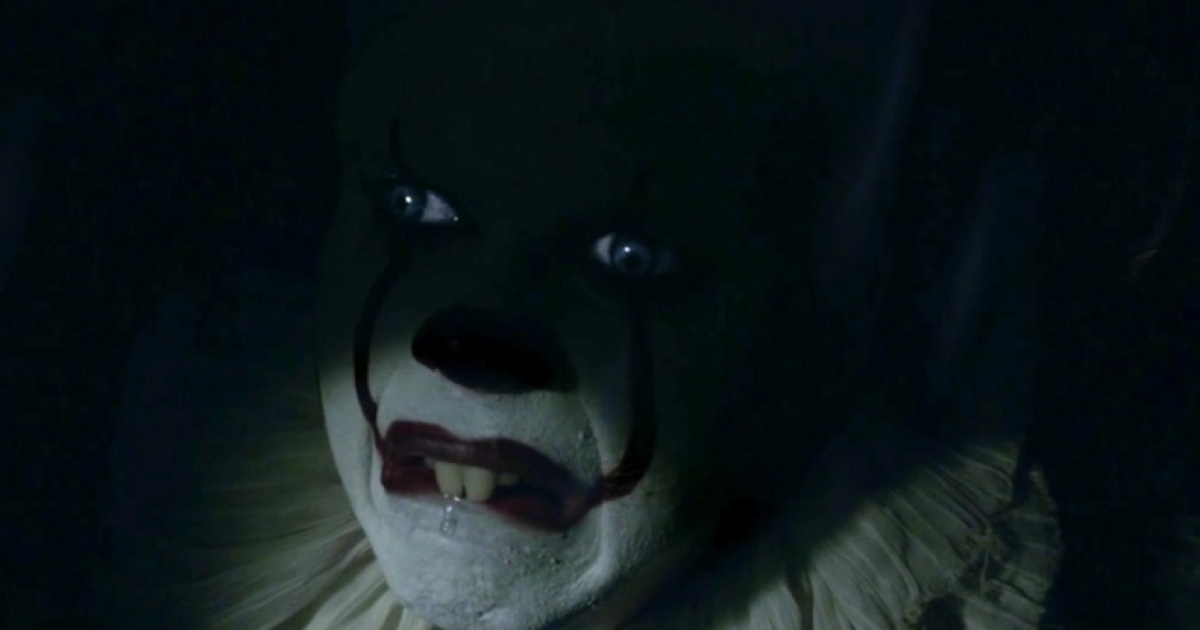
The Clown
Scary version: A clown stands silently at the end of a dark hallway.
Funny version: A clown stands silently at the end of a dark hallway, then sighs and says, “I was told there would be birthday cake. This is not birthday cake.”
Why We Love Laughing at Fear
Humans have always enjoyed safe fear. Campfire stories, haunted houses, horror movies, roller coasters, mystery games, Halloween pranks, and creepy urban legends all let people flirt with danger from a comfortable distance. We know the monster is fictional, the haunted house has an exit sign, and the skeleton on the porch is probably plastic unless your neighbor has some explaining to do.
Safe fear gives the body a burst of energy. Humor helps transform that energy into relief. That is why friends often laugh after being startled together. The laugh says, “We survived,” even if what we survived was a rubber spider, a loud toaster, or a cat launching itself from behind the curtains like a furry tax audit.
Laughter also helps people connect. A scary moment alone can feel overwhelming. A scary moment shared with a friend can become a story. A scary moment rewritten as a joke can become a community thread with hundreds of people adding their own weird versions. That is the beauty of a prompt like this: it invites people to take fear out of isolation and turn it into creative play.
How to Write Your Own Scary-Funny Answer
If you want to join the fun, start with a fear that is familiar, fictional, or safely exaggerated. Then ask: what would make this ridiculous? What if the monster had bills? What if the ghost was socially awkward? What if the creepy noise was caused by something embarrassingly normal? What if the villain had to deal with modern technology, grocery prices, or a printer that refuses to connect?
A strong answer usually follows this pattern: set up the scary image, then twist it into something silly. Keep it short enough to punch, but specific enough to picture. “A ghost scared me” is okay. “A ghost appeared in my hallway, saw my rent bill, and said, ‘Never mind, you are already cursed’” is much better.
Try These Prompt Starters
“The vampire tried to look mysterious, but…”
“The ghost in my house is terrifying until you realize…”
“The monster under my bed left because…”
“I thought the noise in the kitchen was a demon, but…”
“The haunted mirror showed me my future, and unfortunately…”
These starters work because they create suspense, then invite a ridiculous payoff. The scarier the setup sounds, the funnier the ordinary ending can be. A demon doing taxes. A mummy learning skincare. A haunted doll becoming a lifestyle coach. A skeleton refusing to go outside because it has “nothing to wear.” The possibilities are endless, and mildly concerning.
What Makes a Scary Joke Safe?
Good scary humor should feel playful, not cruel. Avoid jokes that target real tragedies, personal trauma, or groups of people. Instead, aim for fictional horror, common fears, harmless exaggeration, or everyday annoyances dressed in spooky clothing. The safest jokes punch sideways at absurdity, not downward at someone’s suffering.
For example, joking about a haunted printer is harmless because printers already behave like cursed objects. Joking about a vampire struggling with sunscreen is silly. Joking about your own fear of spiders can be relatable. But turning someone else’s real pain into entertainment can quickly stop being funny. A good rule: if the person involved would not be invited to laugh with you, rewrite the joke.
Funny fear works best when it gives everyone a chair at the table. The ghost, the reader, the writer, and the imaginary monster can all sit down together and agree that life is weird.
Community Answers That Would Win the Internet
Here are some original examples in the playful “Hey Pandas” spirit:
1. “The Grim Reaper showed up at my door, but then he checked his clipboard and said, ‘Sorry, wrong apartment. Also, cute doormat.’”
2. “A ghost kept moving things around my room. I was scared until I realized it was organizing better than I ever have.”
3. “The monster in my closet growled, so I opened the door and handed it three hangers. If you live in there, you help.”
4. “I saw glowing eyes outside my window at midnight. It was my cat, judging me for eating shredded cheese straight from the bag.”
5. “The haunted painting followed me with its eyes, but honestly, so does my bank app when I order takeout.”
6. “A skeleton jumped out at me, and I screamed. Then it screamed too. Turns out we both have anxiety.”
7. “The creepy music started playing by itself, but it was just my phone connecting to a Bluetooth speaker named ‘DOOM DEVICE.’ I blame technology and also Brandon.”
of Experience: When Scary Became Funny in Real Life
Everyone has at least one story where fear arrived wearing combat boots and left wearing clown shoes. Mine would begin with the classic nighttime sound: a mysterious crash from another room. There is no sound quite like it. During the day, it is “something fell.” At night, it is “a Victorian ghost has entered the kitchen and is angry about modern cabinets.”
Picture the scene. The house is quiet. The lights are off. You are half-asleep, wrapped in a blanket like a nervous burrito, when suddenlycrash. The brain immediately opens its emergency imagination department. Was it an intruder? A raccoon? A haunted raccoon? A raccoon ghost with unfinished business? You lie still, listening so hard that even your ears are sweating.
Eventually, bravery appears. Not heroic bravery, exactly. More like “I cannot sleep unless I know whether I need to move to another state” bravery. You tiptoe toward the kitchen, holding the nearest available weapon, which is usually something completely useless, like a TV remote or a decorative pillow. Nothing says “prepare to meet justice” like a cushion that says “Live, Laugh, Love.”
Then you turn on the light and discover the terrifying truth: a plastic container fell from the counter because it was balanced poorly. That is it. No ghost. No burglar. No demonic raccoon. Just one extremely dramatic piece of food storage. The fear drains away, and what replaces it is not dignity. It is laughter. You laugh because your brain wrote a full horror franchise in twelve seconds, and the villain was Tupperware.
Another common scary-funny experience is mistaking ordinary objects for monsters. A coat on a chair becomes a tall shadow person. A pile of clothes becomes a crouching creature. A vacuum cleaner in the hallway becomes, for one horrifying second, a futuristic goblin. The funniest part is how confident the fear feels. Your brain does not say, “This might be laundry.” It says, “We are clearly being watched by a damp wizard.”
Pets are also professional fear comedians. Cats, especially, have the timing of horror directors and the morals of tiny chaos accountants. They will stare at an empty corner until you question every belief you have ever had. Then, when you finally whisper, “What do you see?” they blink slowly and lick one paw, as if to say, “You are not ready.” Dogs are not innocent either. A dog barking at nothing in the dark can make a person reconsider the entire concept of walls.
What these moments teach us is that humor does not always remove fear before it happens. Sometimes humor arrives afterward, carrying snacks and saying, “Well, that was embarrassing.” The scary feeling was real. The racing heart was real. But the ending changes the meaning. Instead of becoming a nightmare, the moment becomes a story you can tell later. “Remember when I thought the laundry pile was a ghost?” is much easier to carry than “I am afraid of the dark.”
That is the heart of this topic. Turning something scary into something funny is not about pretending fear does not exist. It is about shrinking fear to a size you can draw a mustache on. It is about taking the monster, giving it a customer service job, and making it complain about printer ink. It is about reminding ourselves that not every shadow is a threat. Sometimes it is just your hoodie, sitting there like it pays rent.
Conclusion: Fear Is Better With a Punchline
“Hey Pandas, Turn Something Scary Into Something Funny” is more than a quirky internet prompt. It is a creative exercise in reframing. When we take ghosts, monsters, creepy noises, horror clichés, and everyday anxieties and make them ridiculous, we give ourselves a little power over them. We move from “Oh no!” to “Okay, that was weird,” and sometimes all the way to “I need to post this immediately.”
Scary things grab attention, but funny things build connection. Put them together carefully, and you get stories people want to read, comment on, and share. A haunted house becomes a bad rental. A vampire becomes a picky eater. A skeleton becomes a relatable introvert. The dark stays dark, but now it contains jokes.
So, Pandas, the next time something makes you jump, give it a second look. Maybe it is not a monster. Maybe it is a coat. Maybe it is a cat. Maybe it is a ghost with poor boundaries and excellent comedic timing. Either way, fear has had the microphone long enough. Hand it to humor and see what happens.