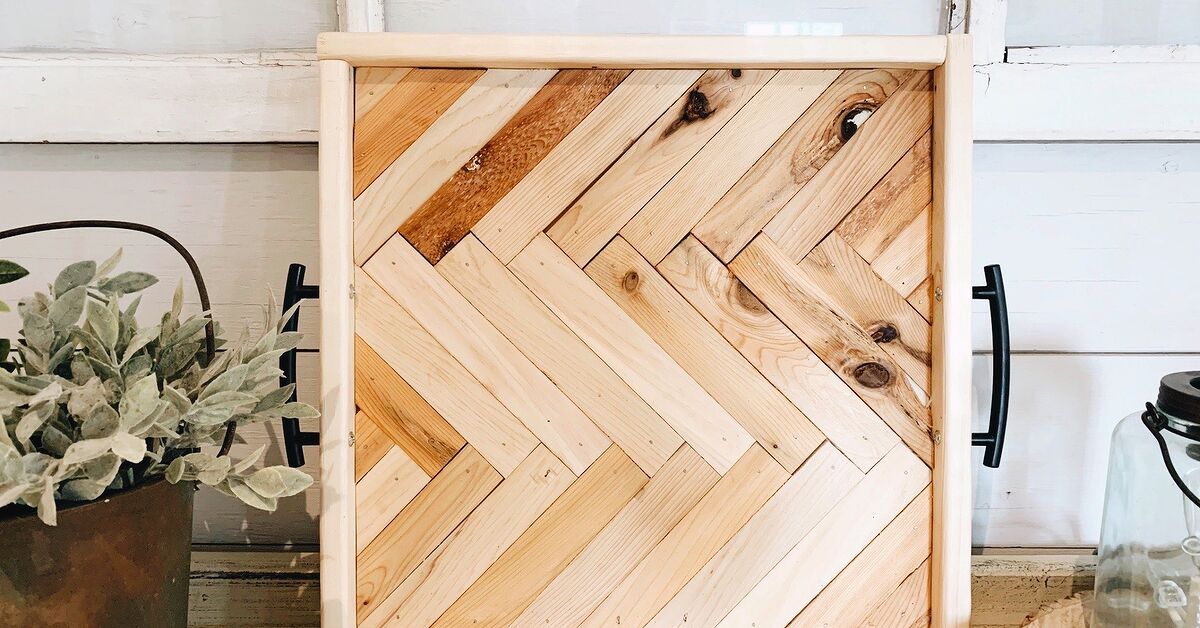
A herringbone serving tray is one of those small home pieces that quietly does far more than its job description. Officially, it carries coffee, cocktails, snacks, candles, keys, tiny vases, or the emergency cookie you pretend is “for guests.” Unofficially, it makes a room look like someone in the house owns linen napkins and knows what “layering texture” means.
The magic is in the pattern. Herringbone is the classic broken zigzag design made from rectangular pieces arranged at right angles. It appears in flooring, textiles, tile, furniture, and now, beautifully, in serving trays. On a tray, the pattern creates instant movement. A plain wooden rectangle says, “I can transport muffins.” A herringbone wooden serving tray says, “I can transport muffins, but I also have opinions about lighting.”
Whether you want a tray for entertaining, coffee table decor, breakfast in bed, a bar cart, or a practical kitchen catchall, the herringbone style brings together function and visual charm. It works with farmhouse, modern rustic, coastal, transitional, industrial, boho, and even minimalist interiorsprovided you do not bury it under twelve remotes and an old receipt from 2022.
What Is a Herringbone Serving Tray?
A herringbone serving tray is a trayusually made from wood, engineered wood, bamboo, resin, tile, or mixed materialsfeaturing a staggered V-shaped pattern. The pattern is often created from individual wood strips, veneer pieces, painted sections, inlay, or printed surfaces.
Unlike chevron, where the pieces are cut at angles and meet in sharp continuous points, herringbone uses rectangular pieces that meet at staggered 90-degree joints. That small difference matters. Chevron feels crisp and directional, like an arrow telling your eye where to go. Herringbone feels more relaxed, textured, and old-world. It has movement without shouting. Think of chevron as wearing a tailored blazer; herringbone is the blazer with a slightly rumpled linen shirt and better stories.
For serving trays, herringbone is especially appealing because the surface is relatively small. You get a designer pattern without committing to an entire floor, backsplash, or dining room wall. It is an easy way to introduce pattern into a home without requiring a contractor, a spreadsheet, or a mild nervous breakdown.
Why Herringbone Works So Well in Serveware
It Adds Movement Without Clutter
A tray is often placed on surfaces that already gather objects: coffee tables, kitchen islands, ottomans, bars, consoles, and bathroom counters. The herringbone pattern gives structure to these objects. It visually “organizes” the arrangement before you even add anything.
It Looks Expensive, Even When It Is Not
Herringbone has a long association with parquet flooring, tailored textiles, and traditional craftsmanship. That gives even a modest serving tray a more elevated look. A simple acacia or mango wood tray with herringbone inlay can look like a boutique find, even if it came from a big-box store and arrived in a box large enough to alarm your dog.
It Bridges Casual and Formal Entertaining
The pattern is fancy enough for cocktails and cheese boards but casual enough for coffee mugs and toast. That versatility is why a herringbone serving tray can live in the kitchen on weekdays and appear on the patio during weekend hosting like it has been waiting all along for its big scene.
Popular Materials for Herringbone Serving Trays
Acacia Wood
Acacia is one of the most common materials for wood serving trays and boards because it has rich grain, warm color variation, and good durability. It often shows dramatic light and dark tones, which makes herringbone especially attractive. The pattern naturally pops without needing heavy staining.
Mango Wood
Mango wood is another favorite for decorative trays. It is usually warm, slightly rustic, and works well with carved or inlaid patterns. Many mango wood herringbone trays lean farmhouse, bohemian, or global-inspired.
Reclaimed Wood
Reclaimed wood trays are popular with buyers who want a more sustainable or artisan-style piece. Because reclaimed wood often varies in tone, it can create a beautiful patchwork effect in herringbone. The result is a tray that looks like it has history, even if its actual history is mostly “survived shipping.”
Engineered Wood and Veneer
Not every herringbone tray is made from solid wood. Some use engineered wood with veneer, painted finishes, or printed patterns. These can be more affordable and lightweight. They are excellent for decorative use, coffee table styling, and serving dry items, but they may not age as gracefully as solid wood.
Metal, Resin, and Mixed Materials
Some herringbone trays combine wood with metal handles, raised iron edges, brass accents, resin coating, or painted borders. These details can shift the style dramatically. Black metal handles make a tray feel industrial. Brass hardware makes it feel polished. Whitewashed wood feels coastal or farmhouse. A dark walnut finish feels more formal and dramatic.
Best Uses for a Herringbone Serving Tray
1. Coffee Table Styling
A herringbone tray is perfect for corralling the usual coffee table suspects: candles, coasters, a small plant, a decorative bowl, and one carefully chosen book that suggests you read architectural essays in your free time. The tray creates a boundary, making objects feel intentional instead of abandoned.
2. Breakfast in Bed
Breakfast in bed sounds romantic until someone balances orange juice near a duvet. A sturdy tray with raised edges and handles helps prevent disaster. Choose a rectangular herringbone serving tray large enough for a plate, mug, small bowl, napkin, and maybe a flower if you are feeling cinematic.
3. Charcuterie and Appetizers
For serving cheese, crackers, fruit, nuts, or small bites, a wooden herringbone tray creates a warm background. If the tray is not specifically labeled food-safe, place parchment paper, small plates, ramekins, or a washable liner between the food and the wood surface. Your guests will notice the presentation, not the food-safety logistics quietly happening underneath.
4. Bar Cart Organization
A herringbone tray on a bar cart can hold bitters, cocktail napkins, citrus, glassware, and small bottles. The geometric pattern plays well with glass, metal, and labels. It also makes your bar area look curated rather than “I panicked and bought limes.”
5. Entryway Catchall
Place a small herringbone tray on an entry table for keys, sunglasses, mail, and everyday accessories. The tray turns clutter into a system. Is it still clutter? Technically, yes. But it is now clutter with boundaries and a wood grain personality.
6. Bathroom Counter Decor
In the bathroom, a sealed or moisture-resistant herringbone tray can organize perfume, hand soap, lotion, rolled washcloths, or small jars. Use caution with unfinished wood near water. Bathrooms are humid little jungles, and wood appreciates boundaries.
How to Choose the Right Herringbone Serving Tray
Consider the Size
For coffee tables, a medium tray between 14 and 20 inches usually works well. For ottomans or large sectionals, go bigger. For breakfast in bed or serving drinks, look for a tray with enough surface area to hold items comfortably without creating a tiny obstacle course.
A small tray is best for candles, jewelry, keys, or bathroom items. A large rectangular tray is better for entertaining. A round tray softens a room with many straight lines. A square tray feels modern and symmetrical. The right shape depends on both function and furniture.
Look for Strong Handles
Handles are not just decorative. If you plan to carry drinks, plates, or breakfast, choose integrated cutout handles or sturdy attached handles. Metal handles should feel secure, not ornamental in the “please do not lift me” sense. If the tray is purely decorative, handle strength matters less.
Check the Edge Height
Raised edges help keep items in place. For serving drinks, edges are a gift from the design gods. For decorative styling, a shallow edge may look sleeker. For ottomans, choose a tray with enough height and stability to prevent wobbling.
Know Whether It Is Food-Safe
Some trays are made for direct food contact; others are decorative. Read product details carefully. If the tray has paint, stain, lacquer, resin, or metal trim, do not assume it is food-safe. When in doubt, serve food on small plates, parchment, napkins, or bowls.
Match the Finish to Your Home
A natural acacia herringbone tray suits organic modern, rustic, and transitional homes. Whitewashed wood feels breezy and coastal. Dark walnut or black-stained wood looks dramatic and polished. Mixed wood tones are flexible because they pick up surrounding finishes, from light oak floors to dark dining chairs.
Styling Ideas for Every Room
Living Room
Use the tray as a coffee table anchor. Add a candle, a short stack of books, a ceramic bowl, and something green. Keep heights varied but not chaotic. The tray should look collected, not like a tiny garage sale with ambition.
Kitchen
Place a herringbone tray near the stove or coffee station to hold oils, salt, pepper, mugs, syrups, or small jars. On an island, style it with a vase, fruit bowl, and linen napkins. It adds warmth to stone countertops and stainless appliances.
Dining Room
Use the tray as a centerpiece base. Add taper candles, seasonal greenery, small bowls, or a low floral arrangement. Because herringbone already brings pattern, you do not need to overdecorate. Let the wood do some of the talking.
Bedroom
On a dresser or nightstand, a small herringbone tray can hold jewelry, glasses, fragrance, or a water carafe. It adds a boutique-hotel feeling without requiring tiny chocolates on the pillow, though nobody is stopping you.
Outdoor Entertaining
For patio use, choose a tray with a durable finish and avoid leaving it outside in sun or rain. Use it for drinks, napkins, condiments, or a self-serve snack station. Wood looks beautiful outdoors, but it should not be treated like patio furniture unless the product specifically says it can handle the elements.
DIY Herringbone Serving Tray: Is It Worth Making?
If you enjoy woodworking, a DIY herringbone serving tray can be a satisfying project. The basic idea is to create a tray base, cut small wood strips, arrange them in a herringbone pattern, glue them down, trim the edges, sand the surface, apply a finish, and attach handles.
The challenge is precision. Herringbone looks effortless only when the pieces line up neatly. Slight mistakes can make the pattern wander like it missed its morning coffee. Use a consistent cutting jig, dry-fit the pieces first, and mark a centerline before gluing. For beginners, using thin wood strips or veneer over a plywood base may be easier than building a thick solid-wood inlay.
A DIY version also allows customization. You can combine walnut and maple for contrast, use reclaimed wood for character, add leather handles, paint the frame, or size the tray perfectly for a specific ottoman or coffee table. The result may not be flawless, but handmade charm is allowed to have a few freckles.
How to Clean and Care for a Wooden Herringbone Serving Tray
Wooden trays require gentle care. Wipe spills quickly, especially wine, coffee, citrus, and oily foods. Clean with a damp cloth and mild soap when needed, then dry immediately. Do not soak a wooden tray in water. Do not put it in the dishwasher. The dishwasher is where wooden serveware goes to become abstract sculpture.
If the tray is unfinished or treated with a food-safe oil, condition it periodically with food-grade mineral oil or a board cream made for wooden cutting boards and serving pieces. Avoid olive oil or vegetable oil because they can become sticky or rancid over time. If the tray has a lacquered or sealed surface, follow the manufacturer’s care instructions instead of adding oil.
Keep the tray away from prolonged direct sunlight, extreme heat, and standing water. Use coasters under cold drinks to prevent rings. If you serve food, protect the surface with small dishes or parchment unless direct food contact is clearly approved.
Common Mistakes to Avoid
Buying Only for Looks
A beautiful tray that is too small, too heavy, slippery, or hard to clean will become decor only. That is fine if decor is the goal. But if you plan to serve drinks or carry plates, function matters.
Ignoring Weight
Solid wood trays can be heavy before you add anything. If you plan to carry the tray often, check product weight and handle comfort. A tray should make hosting easier, not count as upper-body training.
Overloading the Surface
The herringbone pattern already has visual energy. When styling, leave some negative space. A tray crowded with candles, beads, plants, books, jars, and seasonal pumpkins can look less “designer” and more “craft store had a sale.”
Assuming All Wood Is the Same
Acacia, mango, bamboo, walnut, oak, and engineered wood all behave differently. Some are more durable; some are more decorative. Choose based on use, not just color.
Specific Examples of Great Herringbone Tray Setups
The Coffee Table Classic
Use a medium rectangular herringbone tray with a cream candle, a small brass object, a stack of two books, and a vase of eucalyptus. This works especially well on a glass or marble coffee table because the wood adds warmth.
The Weekend Brunch Tray
Choose a large tray with handles. Add linen napkins, small plates, croissants, berries, butter, jam, and a ceramic pitcher. The herringbone pattern makes the whole setup feel intentional, even if the croissants came from a grocery store bag five minutes ago.
The Bar Cart Upgrade
Place a dark wood herringbone tray on the top shelf of a bar cart. Add cocktail glasses, a shaker, citrus, and a small bowl of garnishes. The pattern adds depth and keeps the bar from looking like a collection of bottles waiting for instructions.
The Entryway Reset
A small round herringbone tray can hold keys, a catchall bowl, sunglasses, and a small vase. It gives everyday drop-zone items a home, which is the difference between “organized” and “where are my keys, why is life like this?”
Is a Herringbone Serving Tray a Good Gift?
Yes, especially for housewarmings, weddings, birthdays, holidays, host gifts, and closing gifts for new homeowners. It feels more personal than a generic candle but still broadly useful. A neutral wood herringbone tray suits many homes, and it can be used for entertaining, decorating, organizing, or serving.
To make the gift feel complete, pair the tray with linen cocktail napkins, a small jar of local honey, gourmet crackers, cheese knives, coffee beans, or a handwritten recipe card. Suddenly, the tray becomes an experience instead of an object. Gift wrapping tip: do not try to hide the shape badly. Everyone knows it is a tray. Let the tray be proud.
Why This Tray Trend Has Staying Power
Some home trends age faster than avocados. Herringbone is different because it is not new. It has appeared in architecture, flooring, textiles, and decorative arts for generations. The pattern survives because it balances order and movement. It is geometric but not cold, classic but not stuffy, detailed but not fussy.
That is exactly why it works on serving trays. A herringbone tray gives your home a small dose of craftsmanship and pattern without taking over the room. It can be rustic, elegant, casual, or modern depending on the wood tone, shape, and styling. In other words, it is flexible enough for real life, where coffee tables must sometimes hold both flowers and a half-built Lego dinosaur.
Personal Experience: Living With a Herringbone Serving Tray
After using a herringbone serving tray in several different rooms, the first thing I noticed was that it made ordinary objects look arranged. Before the tray, the coffee table held a candle, two remotes, a coaster, and a book. After the tray, those same items looked like a “vignette,” which is interior-design language for “stuff, but charming.” That is the underrated power of a good tray: it gives everyday clutter a frame.
In the kitchen, the tray became a coffee station. I used it to hold mugs, a small jar of sugar, coffee pods, and a tiny spoon rest. The herringbone pattern added warmth against a plain countertop and made the area feel more finished. It also made cleaning easier. Instead of moving six items one by one, I could lift the tray, wipe the counter, and put everything back. This is the kind of small domestic victory that does not sound exciting until you are the person wiping the counter every morning.
During a casual dinner with friends, the tray worked as an appetizer board. I placed parchment over the surface, then added crackers, grapes, olives, cheese, almonds, and a few ramekins of spreads. The wood pattern showed around the edges and made the whole arrangement look generous. No one asked whether the tray was expensive. They simply gathered around it, which is the real test of serveware. If people naturally reach for it, talk near it, and compliment the food on it, the tray is doing its job.
The tray also proved useful outside food settings. On an entry console, it caught keys and sunglasses. In the bedroom, it held a watch, hand cream, and a small dish for rings. In the bathroom, it looked beautiful with rolled washcloths and a bottle of hand soap, although I learned quickly not to let water sit on the surface. Wood is lovely, but it is not a fan of puddles. Wiping it dry became part of the routine.
The biggest lesson is to choose the tray based on how you actually live. If you entertain often, handles and raised edges matter. If you want decor, the pattern and finish matter most. If you have kids, pets, or a talent for spilling iced coffee, choose a sealed surface and avoid anything too precious. A herringbone serving tray should improve daily life, not become another object you are afraid to touch.
My favorite use remains the simplest: a candle, a small plant, a ceramic bowl, and a coaster on the coffee table. It looks polished but not staged. It makes the room feel warmer. It also creates a designated place for small items that otherwise drift around the house like they are on vacation. For a single home accessory, that is a lot of workand the herringbone pattern makes it look good while doing it.
Conclusion
A herringbone serving tray is practical, decorative, and surprisingly versatile. It can serve breakfast, organize a bar cart, elevate a coffee table, style a dining centerpiece, or turn an entryway mess into something that looks intentional. The herringbone pattern gives it timeless appeal, while materials like acacia, mango wood, reclaimed wood, and mixed metal accents allow it to fit many design styles.
When choosing one, focus on size, handles, edge height, material, finish, and food-safety details. Use it thoughtfully, clean it gently, and avoid the dishwasher like it owes you money. With the right care, a herringbone serving tray can become one of those pieces you reach for again and againnot because you have to, but because it makes small everyday moments feel a little more polished.
Note: This article is original editorial content based on current home decor, entertaining, woodworking, and wooden serveware care best practices. Always check the manufacturer’s product details for dimensions, finish, and food-contact safety before buying or using a tray.