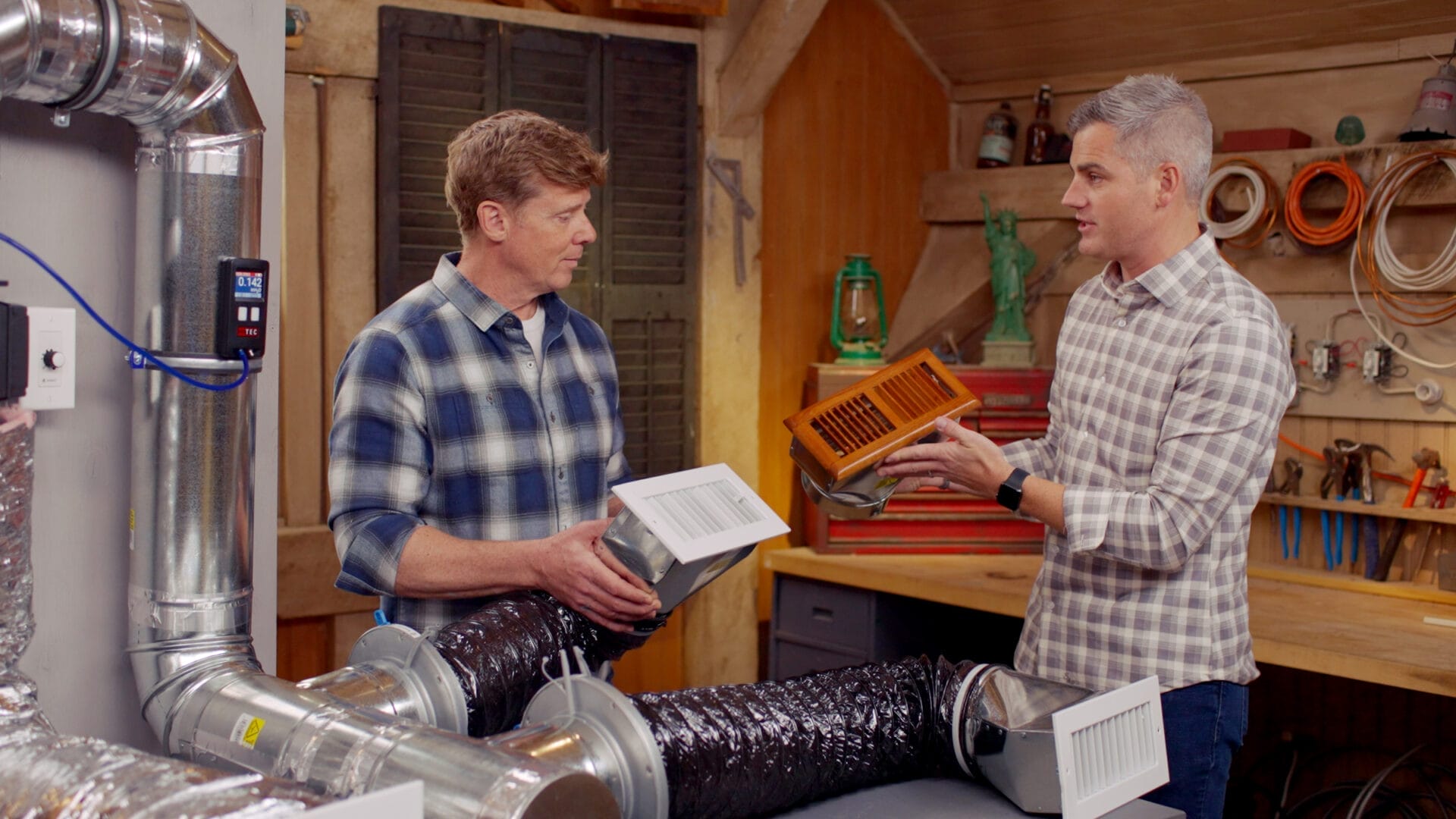
Heating and cooling videos have become the unofficial “owner’s manual” for modern home comfort. Instead of squinting at a dusty furnace panel while wondering whether that blinking light is a normal status code or your HVAC system’s tiny cry for help, homeowners can now watch clear demonstrations, seasonal maintenance walkthroughs, thermostat tutorials, ductwork explainers, and troubleshooting guides from reputable experts.
That is good news, because heating, ventilation, and air conditioning systems are not exactly known for being charmingly simple. Your HVAC system moves air, transfers heat, manages humidity, filters particles, communicates with a thermostat, drains condensation, and somehow still expects you to remember when you last changed the filter. Heating and cooling videos make the invisible visible. They show what airflow problems look like, how a heat pump works, why an outdoor condenser needs breathing room, and when a repair is absolutely not a weekend DIY adventure.
This guide explains how to use heating and cooling videos wisely, what kinds of HVAC videos are worth watching, which red flags to avoid, and how video content can help homeowners save money, improve comfort, protect indoor air quality, and speak more confidently with technicians.
Why Heating & Cooling Videos Are So Useful
The best heating and cooling videos do more than entertain people who secretly enjoy watching technicians remove mysterious lint from air handlers. They help homeowners understand a system that directly affects comfort, safety, energy bills, and indoor air quality.
A written article can tell you to replace an HVAC filter. A good video shows where the filter usually lives, how airflow arrows should point, what a clogged filter looks like, and why jamming the wrong size into the slot is not “close enough.” That visual context matters. HVAC systems vary by home, but seeing a real furnace, heat pump, mini split, thermostat, or condenser helps homeowners connect general advice to their own equipment.
Videos are especially helpful for basic maintenance, such as changing filters, clearing leaves from around an outdoor unit, checking thermostat settings, cleaning supply registers, recognizing unusual noises, and understanding when to schedule professional service. They also make complicated topics easier to digest, including heat pump defrost cycles, duct leakage, SEER2 efficiency ratings, MERV filter ratings, refrigerant lines, condensate drains, zoning systems, and smart thermostat programming.
What Good HVAC Videos Usually Cover
1. Seasonal Maintenance Walkthroughs
Seasonal maintenance videos are among the most useful heating and cooling videos for homeowners. They typically explain what to do before summer cooling season and winter heating season. Common steps include replacing or cleaning filters, making sure vents are open and unobstructed, clearing debris around outdoor equipment, testing the thermostat, listening for strange sounds, and scheduling professional tune-ups.
A strong maintenance video should separate safe homeowner tasks from licensed technician work. For example, rinsing light dirt from the outside of a condenser after shutting off power is very different from opening sealed refrigerant components. One is a cautious homeowner chore. The other is a professional job, unless your weekend hobby is creating expensive problems with impressive confidence.
2. Filter Replacement Videos
Filter videos may sound boring, but they are HVAC gold. Dirty filters restrict airflow, reduce efficiency, increase strain on equipment, and can make a comfortable home feel like one room is Alaska and another is a toaster oven. Helpful videos show how often to inspect filters, how to read filter sizes, how to follow airflow arrows, and how to choose a filter that balances particle capture with system airflow.
Homeowners should be careful with ultra-high-efficiency filters if their system was not designed for them. A filter that is too restrictive can make the blower work harder. The goal is not to buy the filter with the most dramatic packaging. The goal is to use the right filter for the equipment, home needs, and manufacturer recommendations.
3. Thermostat and Smart Thermostat Tutorials
Thermostat videos are popular because the thermostat is the tiny wall rectangle everyone argues with. Good tutorials explain how to set schedules, use “auto” mode, avoid unnecessary temperature swings, connect Wi-Fi features, and understand energy reports.
Smart thermostat videos are particularly helpful for homeowners who want better control without turning the house into a science fair project. ENERGY STAR-certified smart thermostats can help reduce heating and cooling energy use by learning schedules, allowing remote adjustments, and using software features that improve efficiency. The best videos also warn viewers not to guess with wiring. If the old thermostat has unusual wiring, no C-wire, or confusing terminals, it is time to slow down and call a professional.
4. Heat Pump Explainers
Heat pump videos are booming because heat pumps are now a major part of clean heating and cooling conversations. A clear video can show how a heat pump moves heat rather than creating it by burning fuel. In cooling mode, it pulls heat out of the home. In heating mode, it extracts heat from outside air and moves it indoors, even when the air feels cold.
Useful heat pump videos explain air-source heat pumps, ductless mini splits, geothermal systems, backup heat, defrost mode, and why thermostat setbacks can work differently with heat pumps than with furnaces. They should also explain that sizing and installation quality matter. A heat pump is not a magic comfort box; it needs correct design, proper installation, good airflow, and appropriate controls.
5. Indoor Air Quality and Ventilation Videos
Heating and cooling videos often focus on temperature, but comfort is not just about degrees on a thermostat. Indoor air quality includes ventilation, filtration, humidity control, pollutant sources, and air distribution. EPA and ASHRAE guidance emphasizes that ventilation and filtration can reduce indoor pollutants, though filters and air cleaners cannot remove every contaminant.
Good IAQ videos explain the difference between HVAC filters and portable air cleaners, what MERV ratings mean, why bathroom and kitchen exhaust fans matter, how humidity affects comfort, and why sealing a home without thinking about ventilation can create new problems. The best advice is balanced: improve filtration and ventilation, but do not assume one gadget will solve every air-quality concern.
How to Choose Trustworthy Heating & Cooling Videos
The internet contains excellent HVAC education. It also contains people with ring lights, dramatic thumbnails, and advice that may turn a simple problem into a service call with extra zeros. Before following any heating and cooling video, check the source.
Reliable videos often come from government energy programs, recognized industry organizations, licensed HVAC contractors, established home improvement publishers, equipment manufacturers, or certified training providers. Look for clear explanations, safety warnings, and realistic claims. Be cautious with videos that promise miracle savings, encourage unlicensed refrigerant work, dismiss professional inspections entirely, or make every repair look as easy as assembling a sandwich.
A trustworthy video should answer three questions: What problem is being solved? What tools and skill level are required? When should the homeowner stop and call a licensed technician? If the video skips safety, ignores local codes, or treats electrical work casually, consider that your cue to close the tab.
Heating & Cooling Video Topics Every Homeowner Should Watch
How HVAC Systems Work
Start with the basics. A “how HVAC works” video helps homeowners understand the relationship between the thermostat, indoor air handler or furnace, outdoor condenser or heat pump, ductwork, refrigerant lines, vents, return air, filters, and drainage. Once you understand the system as a whole, troubleshooting becomes less mysterious.
How to Change an Air Filter
This is the video equivalent of learning how to brush your teeth. Simple, repetitive, and extremely important. A filter replacement video should show filter location, sizing, airflow direction, and replacement frequency. It should also explain that homes with pets, dust, renovation work, smoke exposure, or heavy HVAC use may need more frequent filter checks.
How to Clean Around an Outdoor AC Unit
Outdoor condenser and heat pump units need airflow. Videos on this topic usually show how to remove leaves, grass clippings, weeds, and debris from around the unit. Many also demonstrate gentle coil rinsing. The key word is gentle. Your condenser is not a driveway, and the pressure washer should not be invited to this party.
How to Use a Programmable or Smart Thermostat
A thermostat video can help homeowners avoid common mistakes, such as setting the AC extremely low in hopes of cooling faster. Most systems do not cool faster because the setting is lower; they simply run longer. A good video teaches schedule settings, energy-saving temperatures, vacation modes, app control, and fan settings.
How to Spot HVAC Warning Signs
Some problems announce themselves politely. Others arrive like a marching band in the ductwork. Videos that explain warning signs can help you recognize short cycling, weak airflow, burning smells, musty odors, water around the indoor unit, ice on refrigerant lines, unusual banging, squealing, or grinding sounds. These videos should not turn you into a technician overnight, but they can help you describe symptoms accurately when calling for service.
What Not to Learn From Random HVAC Videos
Some heating and cooling topics should stay firmly in professional territory. Avoid DIY videos that teach refrigerant handling, gas furnace combustion adjustments, electrical panel work, major wiring changes, sealed-system repairs, or anything involving code compliance. These jobs require training, tools, licensing, and safety procedures.
Also be cautious with videos that recommend closing vents in unused rooms to save energy. In many forced-air systems, closing vents can increase duct pressure, reduce airflow, and stress equipment. Similarly, oversized equipment is not better simply because it is bigger. Correct sizing depends on load calculations, duct design, insulation, windows, climate, and home layout. ACCA’s quality standards and Manual J principles exist because guessing is not a design strategy.
How Videos Help You Work Better With HVAC Contractors
One underrated benefit of heating and cooling videos is that they make homeowners better customers. Not annoying customers. Informed customers. There is a difference.
When you understand the basics, you can ask better questions: Was a load calculation performed? Are ducts being inspected? What efficiency rating is appropriate for this home? Is the thermostat compatible with the equipment? What maintenance does the warranty require? Are permits needed? Is the technician certified or trained for this system type?
Videos can also help you document problems. For example, recording a strange startup noise or showing uneven airflow can help a technician diagnose the issue faster. Just do not remove panels or bypass safety switches to get a better angle. Your phone camera is useful; your curiosity should remain supervised.
Using Heating & Cooling Videos for Energy Savings
Energy-saving HVAC videos usually focus on practical habits: change filters, maintain equipment, seal obvious air leaks, use ceiling fans correctly, program thermostats, keep outdoor units clear, improve insulation, and upgrade inefficient systems when replacement makes sense.
For many homes, the biggest savings do not come from one dramatic trick. They come from several ordinary actions done consistently. A clean filter helps airflow. A tuned system operates more efficiently. A smart thermostat reduces unnecessary runtime. Sealed ducts deliver conditioned air where it belongs. Shade, insulation, and weatherstripping reduce load. Together, these steps make the system’s job easier.
Heating and cooling videos are especially useful when they show before-and-after examples. Watching a technician measure airflow, inspect duct leakage, or explain short cycling helps homeowners understand why comfort problems are often system problems, not just thermostat problems.
Heating & Cooling Videos for Different Home Types
Older Homes
Older homes often have charm, character, and at least one vent placed by someone with a mysterious sense of humor. Videos for older homes should cover duct limitations, insulation gaps, boiler or radiator systems, thermostat compatibility, and options such as ductless mini splits. Homeowners should look for content that respects older construction instead of assuming every house has modern ductwork and perfect attic access.
Apartments and Rentals
Renters can benefit from videos on filter changes, thermostat use, window AC maintenance, portable AC safety, humidity control, and when to contact the landlord. Renters should avoid repairs that violate lease terms or building rules. A good video for renters focuses on safe, reversible steps.
Newer Energy-Efficient Homes
Newer homes may be tighter and better insulated, which can improve efficiency but also makes ventilation more important. Videos for high-performance homes should explain fresh-air systems, balanced ventilation, heat recovery ventilators, energy recovery ventilators, humidity control, and high-efficiency filtration.
How to Build a Personal HVAC Video Playlist
Homeowners can create a useful heating and cooling video playlist in less than an hour. Start with one general “how HVAC works” video. Add one filter replacement video, one thermostat tutorial, one seasonal maintenance checklist, one indoor air quality guide, one heat pump or furnace-specific explainer, and one “when to call a pro” troubleshooting video.
If you know your equipment brand and model, add manufacturer videos for your thermostat, furnace, AC unit, heat pump, or mini split. Manufacturer videos are helpful for controls, cleaning instructions, error codes, and warranty-friendly maintenance steps. For broader decisions, balance manufacturer content with neutral sources such as government energy guidance, consumer publications, and industry standards organizations.
Common Mistakes People Make After Watching HVAC Videos
The first mistake is overconfidence. A video can make a repair look simple because an experienced technician is doing it with the right tools, good lighting, and years of practice. That does not mean the same repair is safe for a beginner standing in a hot attic with a flashlight between their teeth.
The second mistake is applying advice from one system to another. A gas furnace, boiler, central AC, ductless mini split, and air-source heat pump can all heat or cool a home, but they do not operate the same way. Advice that is perfect for one system may be wrong for another.
The third mistake is ignoring the manual. Videos are helpful, but equipment manuals still matter. They include model-specific maintenance requirements, safety warnings, filter sizes, clearances, electrical specifications, and warranty language. Think of videos as your friendly translator, not a replacement for the official instructions.
Experience Notes: What Watching Heating & Cooling Videos Teaches Over Time
After watching enough heating and cooling videos, one lesson becomes obvious: HVAC comfort is rarely about one magic setting. It is about airflow, maintenance, equipment sizing, insulation, humidity, controls, and homeowner habits all working together. A thermostat may be the part you touch, but the rest of the system is doing the heavy lifting behind the scenes.
One practical experience many homeowners share is the “filter surprise.” They watch a simple filter video, walk to the return grille, pull out the old filter, and discover something that looks like it has been collecting dust since the invention of the garage door opener. After replacing it, airflow improves, rooms feel more balanced, and the system sounds less strained. It is not glamorous, but neither is flossing, and both activities prevent bigger problems.
Another common experience is realizing that outdoor units are not decorative shrub supports. Many videos show condensers surrounded by leaves, mulch, weeds, fencing, or enthusiastic landscaping. Once homeowners clear space around the unit, they understand why airflow matters. The outdoor unit must release heat during cooling season. If it is buried in debris, it struggles like a marathon runner wearing a winter coat.
Thermostat videos also change behavior. Many people learn that setting the air conditioner to 60 degrees does not cool the house faster. It simply asks the system to run longer, which can waste energy and create comfort swings. A better approach is using reasonable setpoints, schedules, fans, curtains, shading, and maintenance together. Comfort becomes a strategy, not a thermostat wrestling match.
Heat pump videos offer another “aha” moment. Homeowners used to furnaces may expect blasts of very hot air. Heat pumps often deliver warmth more steadily and efficiently, which can feel different at first. Videos explaining defrost cycles, auxiliary heat, and fan settings help people avoid unnecessary service calls and operate the system more efficiently.
Indoor air quality videos often lead to better everyday habits. Homeowners begin using bathroom fans longer after showers, turning on kitchen exhaust while cooking, checking humidity levels, and thinking carefully about filtration. They learn that comfort is not just temperature. A 72-degree room can still feel unpleasant if humidity is too high, airflow is poor, or air is stale.
Perhaps the most valuable experience is learning when not to DIY. The best heating and cooling videos do not make homeowners reckless; they make them smarter. You learn to change filters, clean around equipment, understand symptoms, ask informed questions, and recognize professional work. That balance saves money without gambling with safety.
In the end, heating and cooling videos are like a good neighbor with a toolbox: helpful, practical, and occasionally responsible for making you say, “Oh, that’s what that thing does.” Used wisely, they can make your home more comfortable, your energy bills more manageable, and your conversations with HVAC pros much more productive.
Conclusion
Heating and cooling videos are one of the easiest ways for homeowners to understand HVAC maintenance, energy efficiency, indoor air quality, and comfort troubleshooting. The key is choosing reliable sources, following safety boundaries, and using videos as education rather than permission to perform complex repairs. Watch the right videos, keep up with simple maintenance, document warning signs, and call qualified professionals when the job involves electricity, gas, refrigerant, combustion, major components, or code requirements.
Your HVAC system does not need you to become a full-time technician. It simply needs you to become an informed homeowner. That means replacing filters, respecting airflow, using thermostat settings wisely, watching for warning signs, and knowing when a professional should step in. Do that, and your heating and cooling system is far more likely to reward you with quiet comfort instead of dramatic noises at 2 a.m.