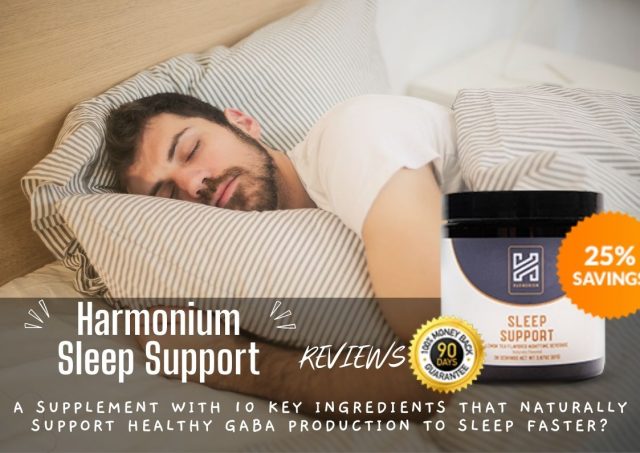
Note: This article is for informational and editorial purposes only. Harmonium Sleep Support is a dietary supplement, not a prescription sleep treatment, and readers should speak with a healthcare professional before using any sleep aid, especially if they are pregnant, breastfeeding, under 18, taking medication, or managing a medical condition.
If your nightly routine currently looks like “scroll, sigh, stare at the ceiling, negotiate with the pillow, repeat,” you are exactly the audience sleep-support brands are trying to reach. Harmonium Sleep Support has entered that crowded bedtime aisle with a familiar promise: fall asleep faster, stay asleep longer, and wake up refreshed instead of feeling like your alarm clock personally betrayed you.
But in 2025, smart shoppers are asking better questions. Does Harmonium Sleep Support really work? Are the ingredients backed by science? Are the reviews trustworthy? And is this supplement a gentle helper, a marketing moonbeam, or something in between?
This in-depth Harmonium Sleep Support review breaks down the formula, claimed benefits, safety considerations, customer-style feedback, ingredient evidence, and practical expectations. The short answer: Harmonium Sleep Support may help some adults who struggle with occasional restlessness or stress-related sleep issues, but the evidence is stronger for certain individual ingredients than for the exact Harmonium formula itself. In other words, it is not fairy dust in a scoop. It is a sleep supplement with some reasonable ingredients, some bold marketing, and a few caution signs worth reading before bedtime.
What Is Harmonium Sleep Support?
Harmonium Sleep Support is a powdered dietary supplement marketed as a nighttime sleep-support blend. The product is commonly described as a 30-serving powder that can be mixed with water before bed. According to product information available online, it is naturally flavored and sweetened with stevia and monk fruit, which gives it more of a bedtime drink vibe than a traditional capsule routine.
The brand positions the supplement as a blend designed to help users fall asleep, stay asleep, and wake up feeling refreshed. That wording matters. It suggests sleep support rather than medical treatment. Harmonium Sleep Support is not a cure for insomnia, sleep apnea, anxiety disorders, restless legs syndrome, depression, chronic pain, or any condition that may interfere with sleep. If a person has persistent sleep problems, the smarter path is medical evaluation, not simply adding another scoop to a glass and hoping the sandman accepts bribes.
The listed ingredient profile includes passion flower extract, ashwagandha, ginseng, chamomile, melatonin, 5-HTP, magnesium, lemon balm leaf, astaxanthin, and BioPerine. That is a busy label. The formula appears to target several sleep-related pathways at once: relaxation, stress response, GABA activity, melatonin signaling, serotonin support, and nutrient absorption.
How Is Harmonium Sleep Support Supposed to Work?
Harmonium Sleep Support is built around the idea that sleep problems often involve an overactive mind, stress chemistry, low relaxation signals, and disrupted sleep timing. This is a common approach in the sleep supplement industry. Instead of acting like a prescription sedative, these products typically attempt to nudge the body toward calm.
Melatonin is included to support the body’s sleep-wake timing. Magnesium may help with muscle and nervous system relaxation, particularly for people who are low in magnesium or who experience tension at night. Passion flower, chamomile, and lemon balm are traditional calming herbs. Ashwagandha is commonly used for stress support. 5-HTP is related to serotonin pathways, while BioPerine is often added to supplements to enhance absorption of certain compounds.
The theory is attractive: calm the nervous system, reduce bedtime stress, support natural sleep chemistry, and make the evening transition smoother. The challenge is that theory and guaranteed results are not the same thing. A supplement can contain ingredients with promising research and still produce mixed results because sleep is complicated. Your brain is not a light switch. It is more like a group chat with caffeine, stress, hormones, screen light, dinner timing, room temperature, and tomorrow’s to-do list all typing at once.
Harmonium Sleep Support Ingredients Review
Melatonin
Melatonin is one of the most recognizable sleep supplement ingredients. It is a hormone naturally produced by the body in response to darkness and helps regulate circadian rhythm. It can be useful for short-term sleep timing issues, such as jet lag or schedule disruption. However, melatonin is not a universal insomnia fix. Some sleep experts caution that it works best when timing is the main problem, not when the root issue is chronic anxiety, poor sleep habits, alcohol use, pain, or untreated sleep disorders.
Possible side effects include next-day drowsiness, headache, dizziness, vivid dreams, nausea, or reduced alertness. Because supplement labels are not always as tightly controlled as prescription medication labels, shoppers should be cautious about dose transparency and third-party testing.
Magnesium
Magnesium supports hundreds of processes in the body, including nerve and muscle function. In sleep formulas, it is usually included for relaxation and nervous system support. Magnesium may be most helpful for people whose sleep is affected by tension, low dietary magnesium intake, or restless muscles. It is not a knockout ingredient, and more is not automatically better.
Too much supplemental magnesium can cause diarrhea, cramping, nausea, and other digestive complaints. People with kidney disease or those taking certain medications should be especially careful. If a supplement does not clearly disclose the magnesium form and amount, that is a transparency problem.
Ashwagandha
Ashwagandha is an adaptogenic herb often marketed for stress and relaxation. Since stress is a major sleep thief, its presence in Harmonium Sleep Support makes sense. Some research suggests ashwagandha may support sleep quality in certain adults, especially where stress is part of the problem.
However, ashwagandha is not risk-free. It may cause drowsiness, stomach upset, diarrhea, or vomiting in some users. Rare cases of liver injury have also been reported. It may interact with thyroid medications, sedatives, immune-related medications, blood pressure medications, and diabetes medications. Pregnant and breastfeeding individuals are generally advised to avoid it.
Passion Flower Extract
Passion flower is often used in calming supplements because it may influence GABA, a neurotransmitter involved in relaxation. Some people use it for mild anxiety or sleep quality support. In a formula like Harmonium Sleep Support, passion flower fits the “quiet the mental noise” theme.
Still, passion flower research is not strong enough to call it a guaranteed insomnia solution. It may also increase drowsiness, especially when combined with alcohol, sedatives, or other calming supplements. That matters because Harmonium already contains several calming ingredients.
Chamomile
Chamomile is the cozy cardigan of herbal sleep ingredients. It has been used for generations in teas and relaxation blends. Chamomile contains compounds such as apigenin, which may contribute to its calming effect. It is generally mild, but mild does not mean irrelevant.
People allergic to plants in the daisy family should be careful. Chamomile may also interact with blood thinners and sedatives. If someone is preparing for surgery or taking medication that affects bleeding, chamomile deserves more attention than a casual “it’s just tea” shrug.
5-HTP
5-HTP is a compound the body uses in serotonin production, and serotonin is related to mood and melatonin pathways. In sleep supplements, 5-HTP is often included to support relaxation and nighttime signaling.
This ingredient deserves caution. 5-HTP may interact with antidepressants and other medications that affect serotonin. Combining serotonin-related supplements with certain prescriptions may increase the risk of unwanted effects. Harmonium’s own warning advises consultation for people taking antidepressant or anxiety medication, and that warning should be taken seriously.
Lemon Balm Leaf
Lemon balm is a mint-family herb commonly used for calmness, digestion, and relaxation. It often appears in sleep blends alongside valerian, chamomile, or passion flower. The evidence is still developing, but many users describe lemon balm as gentle and calming rather than heavily sedating.
Ginseng
Ginseng is an interesting choice because many people associate it with energy, stamina, and daytime vitality rather than bedtime. Some formulas include it for stress adaptation or overall wellness, but sensitive users may find certain ginseng products stimulating. Without exact dosing and extract details, it is hard to predict how this ingredient affects the overall sleep experience.
Astaxanthin and BioPerine
Astaxanthin is an antioxidant, and BioPerine is a branded black pepper extract commonly used to enhance absorption. These ingredients may support the formula’s broader wellness positioning, but they are not the main sleep drivers. BioPerine can also affect how certain substances are absorbed, which is another reason medication users should be careful.
Does Harmonium Sleep Support Really Work?
The most honest answer is: it may work for some adults, especially those with occasional sleep difficulty linked to stress, racing thoughts, or inconsistent bedtime routines. It is less convincing as a solution for chronic insomnia or medically driven sleep problems.
The strongest argument in favor of Harmonium Sleep Support is that it combines several ingredients commonly used in sleep formulas. Melatonin may help sleep timing. Magnesium may support relaxation. Chamomile, passion flower, and lemon balm may help calm the body. Ashwagandha may help with stress. That combination could be useful for people who need a structured bedtime routine and a gentle nudge toward relaxation.
The biggest weakness is the lack of publicly available, high-quality clinical trials on the exact Harmonium Sleep Support formula. Ingredient-level research is not the same as formula-level proof. A team of good players does not automatically win the championship if nobody knows the coach, the strategy, or the final score.
Another issue is dose transparency. For a supplement review, exact amounts matter. A formula can sound impressive but contain too little of one ingredient, too much of another, or a proprietary blend that makes comparison difficult. Consumers should look for a clear Supplement Facts label, third-party testing, manufacturing details, allergen information, and realistic claims.
Harmonium Sleep Support Reviews: What Are Customers Saying?
Online Harmonium Sleep Support reviews tend to highlight several common themes. Positive reviewers often say they fall asleep faster, wake up fewer times, feel calmer before bed, or experience less morning grogginess compared with stronger sleep aids. Some describe the powder format as pleasant because it turns supplementation into a ritual: mix, sip, wind down, and tell the phone to stop being interesting.
Mixed reviews usually come from people who expected dramatic results or who have deeper sleep issues. Some users may not notice much difference. Others may dislike the flavor, sweetness, powder texture, or the idea of drinking something before bed. Anyone who already wakes up at 3 a.m. for bathroom trips may not be thrilled about adding a bedtime beverage.
Negative experiences with sleep supplements often include next-day grogginess, vivid dreams, digestive discomfort, or a “worked for a few nights, then not so much” pattern. These responses are plausible with multi-ingredient sleep formulas because individual sensitivity varies. One person’s “gentle calm” can be another person’s “why did I dream my toaster had a law degree?”
When reading Harmonium Sleep Support reviews, shoppers should separate verified customer feedback from promotional testimonials. Look for details: How long did the person use it? What dose? What time did they take it? Were they also cutting caffeine, reducing screen time, or changing their bedtime? A supplement often gets credit for improvements that may partly come from the routine around it.
Pros and Cons of Harmonium Sleep Support
Potential Pros
- Includes several familiar sleep-support ingredients.
- Powder format may help create a calming bedtime ritual.
- Uses stevia and monk fruit rather than regular sugar.
- May be useful for occasional restlessness or stress-related sleep trouble.
- Contains both relaxation-focused herbs and melatonin-based sleep timing support.
Potential Cons
- No strong public clinical trial evidence on the exact Harmonium formula.
- Multi-ingredient formulas raise the chance of interactions or sensitivity.
- Melatonin and calming herbs may cause drowsiness or next-day fog in some users.
- Not appropriate for children, teens, pregnant or breastfeeding individuals, or medication users without medical guidance.
- Exact results depend heavily on sleep habits, stress levels, health conditions, and dose timing.
Is Harmonium Sleep Support Safe?
For healthy adults, Harmonium Sleep Support may be tolerated when used exactly as directed. However, “natural” does not mean “automatically safe for everyone.” The product warning advises users to consume only one serving daily, consult a physician if pregnant, breastfeeding, or taking antidepressant or anxiety medication, avoid use under age 18, discontinue if adverse reactions occur, keep it away from children and pets, and avoid driving or operating machinery after taking it.
Those cautions are not decoration. They are important because this formula includes melatonin, 5-HTP, ashwagandha, calming herbs, and absorption-enhancing BioPerine. People taking antidepressants, sedatives, blood thinners, blood pressure medication, diabetes medication, thyroid medication, or immune-related drugs should be especially careful.
People with chronic insomnia should also avoid self-treating for months without evaluation. Ongoing sleep problems can be linked to sleep apnea, anxiety, depression, hormonal changes, medication side effects, chronic pain, alcohol use, caffeine timing, or neurological conditions. A supplement might cover the dashboard warning light, but it does not fix the engine.
Who Might Benefit Most?
Harmonium Sleep Support is most likely to appeal to adults who occasionally struggle to wind down, want a non-prescription sleep support option, prefer a powder over pills, and already practice decent sleep habits. It may also suit people who like the ritual of a nighttime drink and respond well to melatonin or calming herbs.
It is probably not ideal for people with severe insomnia, untreated sleep apnea, heavy alcohol use at night, irregular shift schedules without a broader plan, or complex medication routines. It is also not a shortcut for people who drink espresso at 8 p.m., watch suspenseful videos in bed, keep the bedroom warm enough to roast vegetables, and then blame their brain for refusing to power down.
How to Use Harmonium Sleep Support Wisely
The safest approach is to follow the label and avoid stacking Harmonium with other sleep aids unless a healthcare professional approves. Do not combine it with alcohol, sedatives, or recreational substances. Take it only when you can allow a full night of sleep, and avoid driving or operating machinery after use.
For best results, pair the supplement with basic sleep hygiene. Keep a consistent bedtime and wake time. Reduce bright light and screen exposure before bed. Avoid large meals, nicotine, and caffeine late in the day. Keep the room cool, dark, and quiet. Use the bed for sleep, not for three hours of dramatic scrolling and one suspiciously emotional product review video.
If sleep does not improve after a reasonable trial, stop and reassess. More scoops are not the answer. Better questions are: Is stress the issue? Is caffeine too late? Is alcohol fragmenting sleep? Is snoring or gasping present? Is the mattress uncomfortable? Is anxiety showing up at bedtime because it finally has a quiet room and a microphone?
Harmonium Sleep Support vs. Other Sleep Supplements
Compared with single-ingredient melatonin, Harmonium offers a broader formula. That can be a benefit if multiple factors are disrupting sleep, but it can also make it harder to know what is helping or causing side effects. Compared with magnesium-only supplements, Harmonium is more complex and more sleep-targeted. Compared with herbal teas, it is more concentrated and includes melatonin and 5-HTP, which makes it more pharmacologically relevant.
People who prefer simplicity may be better served by testing one change at a time: magnesium, melatonin, chamomile tea, or a CBT-I based sleep routine. People who like all-in-one products may find Harmonium convenient. The key is not to confuse convenience with certainty.
Realistic Verdict: Is Harmonium Sleep Support Worth Trying?
Harmonium Sleep Support looks like a plausible sleep-support supplement, not a miracle cure. Its ingredient list includes several compounds commonly associated with relaxation and sleep. The concept makes sense for occasional sleeplessness, especially when stress and poor wind-down routines are involved.
However, the product also raises the standard questions that apply to many supplements: Are the doses clearly disclosed? Is there third-party testing? Are claims realistic? Are customer reviews verified? Is the user taking medications that could interact? Without strong public clinical research on the exact formula, the best verdict is cautious optimism.
For some adults, Harmonium Sleep Support may become a helpful part of a bedtime routine. For others, it may do very little or cause unwanted drowsiness, vivid dreams, or digestive discomfort. The difference often comes down to biology, habits, timing, and expectations.
Experience-Based Scenarios: What Using Harmonium Sleep Support May Feel Like
Because sleep supplements affect people differently, it helps to imagine realistic user experiences rather than expecting one universal outcome. Consider the stressed professional who normally checks email until midnight, then wonders why the brain refuses to act like a polite lamp and turn off. If that person uses Harmonium Sleep Support while also moving the phone away from the bed, dimming lights, and creating a 30-minute wind-down routine, they may notice a smoother transition into sleep. In this scenario, the supplement is not doing all the work. It is part of a better behavioral pattern.
Now picture someone who wakes up frequently because of late alcohol, a warm bedroom, and weekend sleep schedule chaos. Harmonium may help them feel drowsier at first, but it probably will not solve the underlying sleep fragmentation. They may write a disappointed review after three nights, even though the real culprit is not the powder. It is the lifestyle equivalent of trying to fix a leaky roof with a scented candle.
Another common experience may involve people who are sensitive to melatonin. They may fall asleep faster but wake up groggy, have intense dreams, or feel oddly foggy the next morning. For these users, the formula may feel too strong, especially if taken too late at night or combined with other calming products. That does not mean the product is “bad.” It means the user’s body is giving feedback in bold font.
Some users may appreciate the powder format because it creates a ritual. A capsule is quick, but a drink feels intentional. Mixing a nighttime supplement can become a signal: the day is closing, the lights are dimming, and the brain may now stop replaying that awkward thing from 2017. Rituals matter. Sleep is strongly influenced by cues, and a consistent pre-bed routine can train the body to expect rest.
Flavor is another real-world factor. If the lemon tea profile tastes pleasant, people are more likely to use it consistently. If they dislike stevia, monk fruit, or herbal notes, the routine may feel like homework in a cup. Consistency matters, but so does not dreading the thing that is supposed to relax you.
The best experience with Harmonium Sleep Support is likely to come from realistic use: one serving, no alcohol, no stacking with other sleep aids, taken early enough before bed, paired with a cooler room, lower light, and a calmer evening. The worst experience is more likely when someone treats it as a magic potion while ignoring stress, screens, caffeine, and medical symptoms.
In practical terms, Harmonium Sleep Support may be worth considering for healthy adults who want occasional support and understand the limits. It should not be treated as a nightly crutch forever, a substitute for medical care, or a cure for chronic insomnia. Good sleep is built, not hacked. Supplements can sometimes help, but the foundation is still routine, environment, stress management, and honest attention to what your body is trying to say.
Final Conclusion
So, does Harmonium Sleep Support really work in 2025? The fair answer is: maybe, for the right person and the right sleep problem. The formula contains several ingredients with reasonable sleep-support logic, including melatonin, magnesium, passion flower, chamomile, lemon balm, and ashwagandha. These may help some adults relax and fall asleep more easily.
But Harmonium Sleep Support is not a guaranteed solution, and it should not be marketed or understood as a treatment for chronic insomnia. The strongest evidence in sleep care still favors consistent sleep habits and cognitive behavioral therapy for insomnia when sleep problems are persistent. Supplements may play a supporting role, but they should not be the star of the show.
If you are a healthy adult with occasional bedtime restlessness, Harmonium may be worth a cautious look. If you take medication, have a health condition, are pregnant or breastfeeding, are under 18, or experience ongoing insomnia, talk with a healthcare professional first. Your future well-rested self will appreciate the extra caution. Your alarm clock may still be rude, but at least you will be better prepared for the conversation.