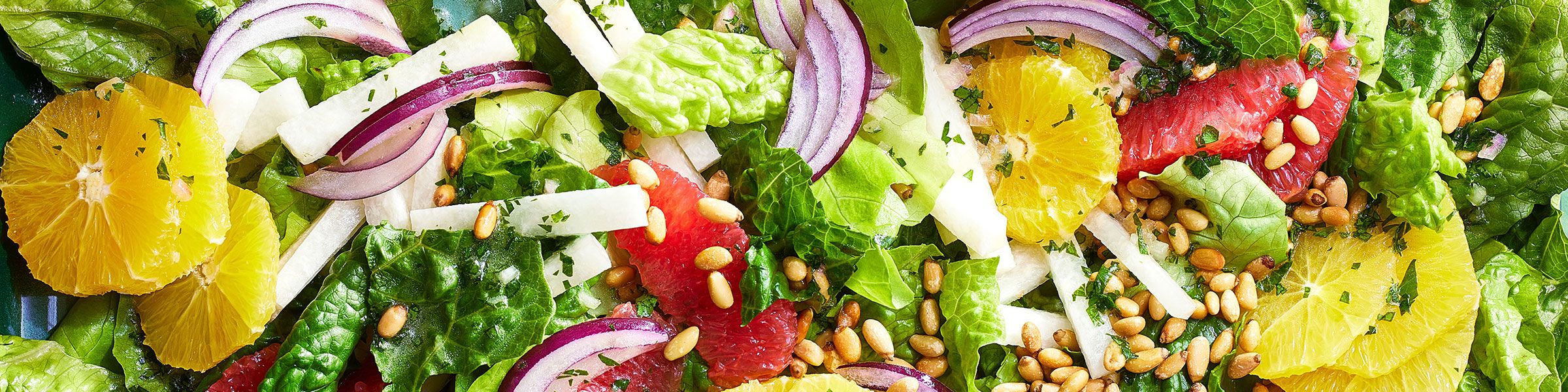
Green salad recipes have a funny reputation. Some people hear “salad” and imagine a sad bowl of lettuce sitting alone like it was stood up at prom. But a truly great green salad is anything but boring. It is crisp, colorful, balanced, refreshing, and surprisingly satisfying when built with the right greens, vegetables, dressing, protein, herbs, crunch, and a tiny bit of kitchen confidence.
The secret is not complicated. A good green salad needs contrast. Tender greens need something crisp. Bright dressing needs a little fat. Fresh vegetables need seasoning. A simple bowl of lettuce becomes memorable when you add toasted nuts, juicy fruit, creamy avocado, roasted vegetables, briny olives, herbs, or a homemade vinaigrette that tastes like it took effort even if it only took three minutes.
In this guide, you will find practical green salad recipes, easy dressing ideas, ingredient combinations, storage tips, and real-life experience from the kitchen. Whether you want a quick side salad for dinner, a meal-prep lunch, or a gorgeous bowl that makes guests say, “Wait, this is salad?”you are in the right leafy neighborhood.
What Makes a Great Green Salad?
A great green salad is built like a tiny edible orchestra. The greens are the strings, the dressing is the conductor, and the toppings are the dramatic percussion section that keeps things interesting. The best green salad recipes usually include five basic parts: fresh leafy greens, crunchy vegetables, a flavorful dressing, a satisfying topping, and a finishing touch such as herbs, salt, pepper, citrus zest, or cheese.
Start with fresh greens. Romaine, spinach, arugula, kale, butter lettuce, green leaf lettuce, watercress, and spring mix all bring different textures and flavors. Romaine is crisp and reliable. Spinach is tender and mild. Arugula is peppery and bold. Kale is sturdy and loves a massage, which sounds fancy but simply means rubbing the leaves with a little oil and salt until they soften. Butter lettuce is delicate and elegant, the kind of lettuce that looks like it has a skincare routine.
Next, add contrast. Cucumbers, radishes, carrots, snap peas, cabbage, celery, bell peppers, and broccoli add crunch. Roasted beets, sweet potatoes, corn, squash, or asparagus bring sweetness and depth. Fruit such as apples, pears, oranges, berries, or mango can brighten a salad instantly. Then add protein or richness if the salad is meant to be a full meal. Think grilled chicken, salmon, tuna, hard-boiled eggs, chickpeas, lentils, beans, tofu, edamame, avocado, nuts, seeds, or a small amount of cheese.
Finally, dress the salad properly. Use a big mixing bowl, add dressing gradually, and toss gently. The goal is to coat the leaves, not drown them. A salad should glisten, not look like it survived a vinaigrette flood.
Basic Green Salad Recipe
This is the everyday green salad recipe you can serve with pasta, grilled chicken, soup, sandwiches, steak, seafood, or a “what do we have in the fridge?” dinner. It is simple, flexible, and much better than opening a bag of greens and hoping for the best.
Ingredients
- 6 cups mixed greens, romaine, butter lettuce, spinach, or spring mix
- 1 cup sliced cucumber
- 1/2 cup shredded carrots
- 1/2 cup thinly sliced radishes
- 1/4 cup thinly sliced red onion or scallions
- 1/4 cup toasted sunflower seeds, almonds, walnuts, or pecans
- 2 tablespoons chopped fresh herbs such as parsley, dill, basil, or mint
- Salt and freshly ground black pepper, to taste
Simple Vinaigrette
- 3 tablespoons extra-virgin olive oil
- 1 tablespoon red wine vinegar, apple cider vinegar, balsamic vinegar, or lemon juice
- 1 teaspoon Dijon mustard
- 1 teaspoon honey or maple syrup
- 1 small garlic clove, grated or finely minced
- Salt and pepper, to taste
Instructions
- Wash and dry the greens thoroughly. Wet greens repel dressing and make the salad soggy.
- Whisk the vinaigrette ingredients in a small bowl or shake them in a jar until smooth.
- Add the greens, vegetables, herbs, and seeds to a large bowl.
- Drizzle with half the dressing and toss gently. Add more dressing only if needed.
- Season lightly with salt and pepper. Serve immediately.
This salad works because it combines mild greens, crisp vegetables, a tangy dressing, and nutty crunch. It is basic in the best possible way, like a white T-shirt that somehow makes the whole outfit work.
5 Easy Green Salad Recipes to Try
1. Classic Garden Green Salad
For a fresh, familiar salad, combine romaine lettuce, cucumber, cherry tomatoes, carrots, red onion, and a lemon-Dijon vinaigrette. Add croutons if you want crunch, or toasted pumpkin seeds for a more nutrient-dense option. This is the salad that happily sits next to pizza, grilled burgers, baked chicken, or a bowl of soup without demanding too much attention.
2. Arugula Avocado Green Salad
Arugula has a peppery bite that pairs beautifully with creamy avocado. Toss arugula with sliced avocado, cucumber, toasted almonds, shaved Parmesan, and lemon vinaigrette. The avocado adds richness, while lemon keeps the flavor bright. This salad feels restaurant-worthy, but it is very much a “made in sweatpants” situation.
3. Spinach Apple Walnut Salad
Baby spinach is tender and mild, making it perfect for sweet and savory combinations. Toss spinach with thin apple slices, toasted walnuts, dried cranberries, red onion, and a light apple cider vinaigrette. Add grilled chicken, chickpeas, or hard-boiled eggs to turn it into a filling lunch. The apple brings crunch, the walnuts bring warmth, and the cranberries bring that tiny pop of sweetness that makes people go back for seconds.
4. Kale Caesar-Inspired Green Salad
Kale is sturdy, which means it can handle bold dressing without collapsing into leafy sadness. Remove the tough stems, chop the leaves, and massage them with a teaspoon of olive oil and a pinch of salt. Add romaine, toasted breadcrumbs or whole-grain croutons, Parmesan, black pepper, and a lighter Caesar-style dressing made with Greek yogurt, lemon juice, Dijon mustard, garlic, olive oil, and a little Worcestershire sauce. This salad is hearty enough for dinner and dramatic enough to deserve a big bowl.
5. Spring Mix Salad with Roasted Vegetables
Soft spring greens pair well with warm roasted vegetables. Try spring mix with roasted beets, carrots, sweet potatoes, or asparagus. Add goat cheese, chickpeas, pumpkin seeds, and balsamic vinaigrette. The roasted vegetables bring sweetness and a deeper flavor, while the greens keep everything fresh. This is an excellent “clean out the fridge but make it classy” recipe.
Best Greens for Salad Recipes
Different greens create different salad personalities. Romaine is crisp and refreshing, perfect for chopped salads and Caesar-style bowls. Spinach is soft, mild, and easy to pair with fruit, nuts, eggs, and beans. Arugula is peppery and best with lemon, Parmesan, avocado, pears, or grilled proteins. Kale is sturdy and ideal for meal prep because it does not wilt quickly. Butter lettuce is tender and slightly sweet, excellent with delicate vinaigrettes. Watercress adds a peppery bite, while spring mix offers variety in one convenient package.
For the best flavor, combine two or three greens instead of using only one. Romaine plus arugula gives crunch and peppery flavor. Spinach plus butter lettuce creates a soft, mild base. Kale plus romaine makes a hearty salad that can handle creamy dressing. Mixing greens is the salad version of assembling a good playlist: one mellow song, one upbeat song, and one unexpected track that keeps everyone awake.
How to Make Homemade Salad Dressing
Homemade dressing is one of the easiest ways to improve green salad recipes. The classic vinaigrette ratio is three parts oil to one part acid, but you can adjust it based on taste. If you like a sharper dressing, use more vinegar or citrus juice. If you prefer something mellow, add more oil or a small spoonful of honey.
Basic Vinaigrette Formula
- 3 tablespoons olive oil or avocado oil
- 1 tablespoon vinegar or citrus juice
- 1 teaspoon Dijon mustard
- 1 teaspoon honey, maple syrup, or a pinch of sugar
- Garlic, shallot, herbs, salt, and pepper
Shake everything in a jar and taste. If it is too sharp, add oil or sweetness. If it tastes flat, add salt, lemon juice, vinegar, mustard, or herbs. Good dressing should taste slightly bold on its own because the greens will soften the flavor once everything is tossed together.
Flavor Variations
- Lemon herb dressing: Olive oil, lemon juice, parsley, dill, garlic, salt, and pepper.
- Balsamic vinaigrette: Olive oil, balsamic vinegar, Dijon mustard, honey, garlic, salt, and pepper.
- Asian-inspired sesame dressing: Neutral oil, rice vinegar, sesame oil, low-sodium soy sauce, ginger, garlic, and a touch of honey.
- Creamy avocado dressing: Avocado, lime juice, Greek yogurt, cilantro, garlic, water, salt, and pepper blended until smooth.
- Greek-style dressing: Olive oil, red wine vinegar, oregano, lemon juice, garlic, salt, and pepper.
How to Build a Filling Green Salad
If your salad leaves you hungry 20 minutes later, it probably needs protein, fiber, or healthy fat. A full-meal green salad should include at least one protein source and one satisfying fat. Add grilled chicken, shrimp, salmon, tuna, hard-boiled eggs, lentils, chickpeas, black beans, tofu, or edamame. Then add avocado, nuts, seeds, olives, or a moderate amount of cheese.
Whole grains can also turn a green salad into a real meal. Quinoa, farro, brown rice, barley, couscous, or bulgur add chew and staying power. For example, try spinach with quinoa, roasted carrots, chickpeas, feta, and lemon dressing. Or make a romaine salad with grilled chicken, avocado, black beans, corn, tomatoes, and cilantro-lime vinaigrette. Suddenly salad is not a side dish. It is the main character.
Common Green Salad Mistakes
Using Wet Greens
Wet greens make dressing slide off like rain on a windshield. After washing, dry lettuce with a salad spinner or clean towel. This one step dramatically improves texture and flavor.
Overdressing the Salad
Start with less dressing than you think you need. Toss, taste, and add more if necessary. You can always add dressing, but removing it requires kitchen wizardry most of us do not possess.
Forgetting Salt and Pepper
Even a tiny pinch of salt can wake up raw vegetables. Season lightly after tossing, especially if your dressing is mild.
Skipping Texture
A bowl of soft leaves needs crunch. Add nuts, seeds, toasted breadcrumbs, crisp vegetables, roasted chickpeas, or homemade croutons.
Making It Too Early
Most green salads are best dressed right before serving. If you are meal prepping, store greens, dressing, and crunchy toppings separately.
Food Safety and Storage Tips for Green Salads
Choose greens that look fresh, crisp, and free from slimy or damaged leaves. Keep packaged salad greens refrigerated, and store fresh greens in a hard-sided container lined with a dry paper towel to absorb extra moisture. Moisture is useful when watering plants; it is less helpful when trying to keep lettuce from turning into compost with ambition.
Wash whole heads of lettuce and loose greens under running water before eating. Do not use soap, detergent, or commercial produce wash. Dry greens thoroughly before storing or dressing. If the package says “pre-washed,” “triple-washed,” or “ready to eat,” follow the package instructions. When in doubt, keep your hands, cutting board, knife, and salad spinner clean, and keep greens away from raw meat, poultry, and seafood during shopping and prep.
For meal prep, keep dressing in a separate container and add it just before eating. Hardier greens like kale and cabbage hold up longer than delicate spring mix. If packing lunch, place heavier ingredients such as grains, beans, chicken, or roasted vegetables at the bottom, greens in the middle, and crunchy toppings at the top. This keeps the salad from becoming a soggy lunchbox tragedy.
Green Salad Recipe Combinations for Every Occasion
For a Weeknight Dinner
Use romaine, cucumber, carrots, tomatoes, and lemon vinaigrette. Add toasted sunflower seeds for crunch. This quick salad goes with almost anything and takes less time than deciding what to stream during dinner.
For a Summer Cookout
Use butter lettuce, arugula, grilled corn, cherry tomatoes, avocado, red onion, and lime dressing. Add grilled chicken or shrimp if you want a full meal. The flavors are fresh, bright, and perfect for warm weather.
For a Holiday Table
Use mixed greens, sliced pears, pomegranate seeds, toasted pecans, goat cheese, and balsamic vinaigrette. It looks festive without requiring pastry skills or emotional support from a stand mixer.
For Meal Prep Lunch
Use chopped kale, quinoa, chickpeas, cucumber, shredded carrots, feta, and lemon herb dressing. Kale holds up well, and the grains and chickpeas make the salad filling enough to survive the afternoon.
For a Light Side Salad
Use spring mix, shaved cucumber, fresh herbs, and a simple vinaigrette. Keep it minimal and elegant. This is the salad equivalent of saying, “I tried, but I did not overthink it.”
Real Kitchen Experiences with Green Salad Recipes
The best thing I have learned from making green salad recipes over and over is that salads are less about strict recipes and more about rhythm. Once you understand balance, you can build a good salad from almost anything. A handful of romaine, half a cucumber, a lonely carrot, and a jar of dressing can become dinner’s refreshing sidekick. Add chickpeas, avocado, and toasted nuts, and suddenly it becomes lunch with actual staying power.
One experience that changed my salad habits was learning to dry greens properly. For years, I washed lettuce and gave it a lazy shake over the sink, which is basically the culinary equivalent of saying, “Good luck out there.” The dressing never clung well, the leaves turned limp, and the salad always tasted watered down. Once I started using a salad spinner and then letting the greens rest briefly on a clean towel, the difference was huge. The leaves stayed crisp, the vinaigrette coated evenly, and the whole bowl tasted fresher.
Another lesson came from homemade dressing. Store-bought dressing is convenient, but making vinaigrette in a jar is so simple that it feels like discovering a kitchen cheat code. Olive oil, vinegar or lemon juice, Dijon mustard, garlic, honey, salt, and pepper can create a dressing that tastes bright and lively in less than three minutes. The best part is control. Want it sharper? Add lemon. Want it smoother? Add oil. Want it more exciting? Add herbs, shallot, ginger, or a little citrus zest. The jar does most of the work, and you get to feel like a responsible adult who owns mustard for a reason.
I have also learned that texture saves salads from boredom. A soft green salad with no crunch can feel incomplete, even if the ingredients are fresh. Toasted almonds, walnuts, pumpkin seeds, sunflower seeds, roasted chickpeas, sliced radishes, crisp apples, or homemade croutons can change everything. The moment a salad has crunch, it feels more satisfying. It tells your brain, “Yes, we are eating plants, but we are not suffering.”
My most reliable trick is keeping a few “salad boosters” ready. A container of washed greens, a jar of vinaigrette, toasted seeds, cooked quinoa, canned chickpeas, and chopped vegetables can create several different salads during the week. One day it becomes a Mediterranean-style salad with cucumber, chickpeas, feta, olives, and oregano dressing. The next day it turns into a harvest salad with spinach, apple, walnuts, and cider vinaigrette. Later, it becomes a protein-packed lunch with kale, chicken, avocado, and lemon dressing. Same basic prep, completely different meals.
The final experience worth sharing is this: salad tastes better in a bigger bowl. It sounds silly, but tossing greens in a cramped bowl leads to uneven dressing and bruised leaves. A large bowl gives everything space to move. Add dressing slowly, toss gently, taste, season, and serve right away. That simple process makes homemade green salads taste closer to restaurant salads. No magic requiredjust a big bowl, dry greens, enough seasoning, and the confidence to stop before the lettuce looks like it went swimming.
Conclusion
Green salad recipes are fresh, flexible, and much more exciting than their reputation suggests. With the right greens, colorful vegetables, homemade dressing, crunchy toppings, and satisfying proteins, a salad can be a quick side dish, a meal-prep hero, or a beautiful centerpiece for the table. The key is balance: crisp plus tender, bright plus rich, fresh plus savory, simple plus just enough surprise. Once you learn the basic formula, you can create endless green salad combinations without needing a complicated recipe every time.