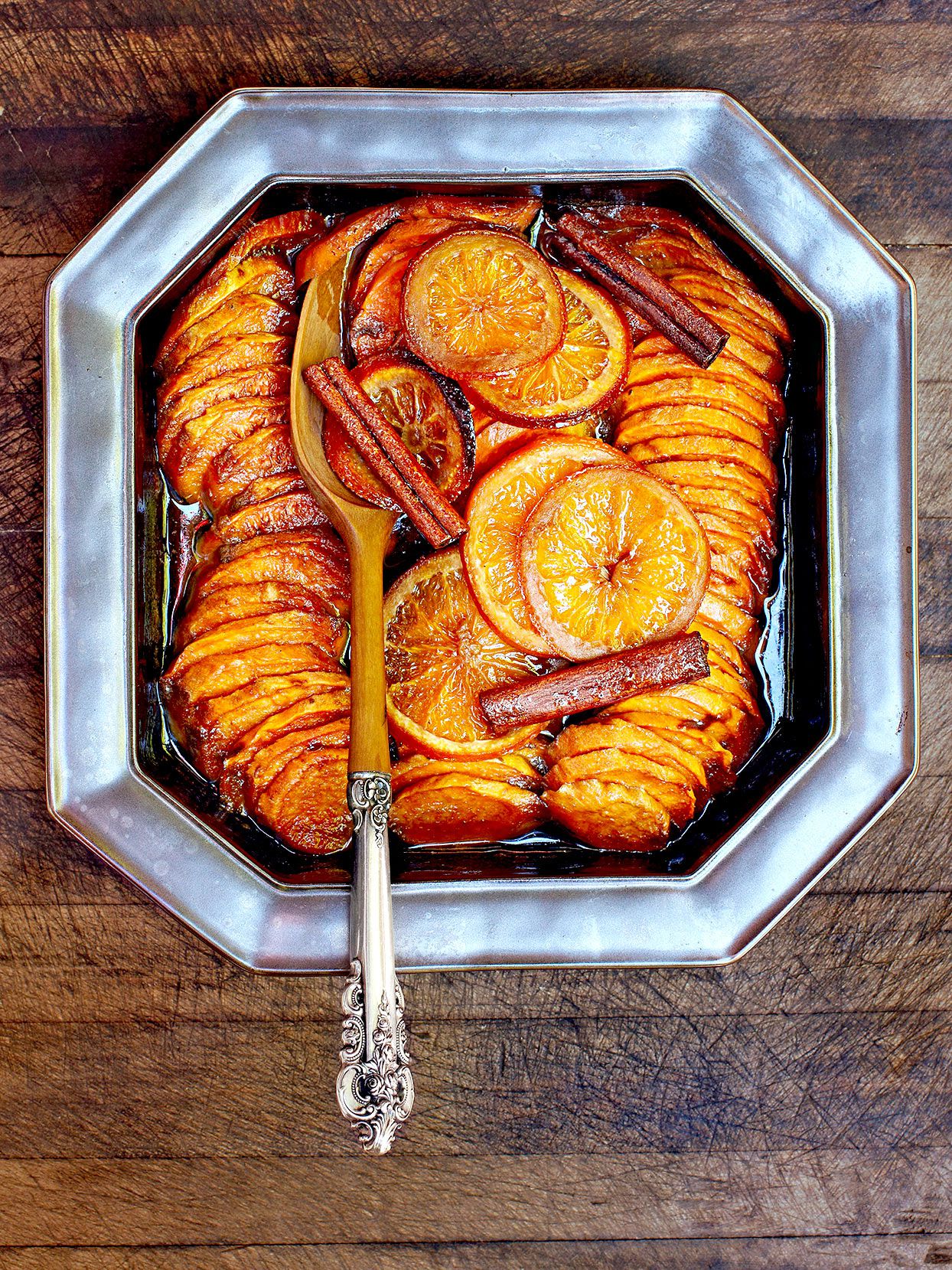
If there is one dish that can make a holiday table smell like hugs, butter, cinnamon, and childhood all at once, it is Grandma’s candied yam recipe. Technically, most American “yams” are actually orange-fleshed sweet potatoes, but let us not argue with Grandma while she is holding a wooden spoon. In many Southern and family-style kitchens, “candied yams” means tender sweet potato slices baked or simmered in a glossy brown sugar butter syrup until every bite tastes like dessert politely pretending to be a side dish.
This old-fashioned candied yams recipe is rich, cozy, deeply seasoned, and simple enough for beginners. It uses sweet potatoes, butter, brown sugar, warm spices, vanilla, and a little citrus to balance the sweetness. The result is soft but not mushy, syrupy but not watery, and sweet enough to make the turkey feel underdressed.
Whether you are planning Thanksgiving dinner, Christmas lunch, Sunday supper, or a “just because I deserve something delicious” meal, this recipe delivers that classic grandma-style flavor without complicated steps. Bring a casserole dish, a spoon, and your best self-control. You may need all three.
Why This Grandma’s Candied Yam Recipe Works
The secret to great candied yams is not simply dumping sugar on sweet potatoes and hoping for a miracle. The magic comes from balance. Sweet potatoes already have natural sweetness, so the sauce should enhance them rather than bury them under a candy avalanche. Butter adds richness, brown sugar creates caramel flavor, cinnamon and nutmeg bring warmth, and a splash of orange juice or lemon juice keeps the glaze from tasting flat.
This recipe also bakes the sweet potatoes slowly enough for the syrup to thicken and cling to each slice. As the potatoes soften, they release some moisture into the sauce. That moisture blends with the butter and sugar, creating a glossy glaze that looks like it belongs in a family cookbook with handwritten notes in the margins.
Yams vs. Sweet Potatoes: What Are You Really Cooking?
In most U.S. grocery stores, the “yams” used for candied yams are actually sweet potatoes. True yams are starchier, drier tubers often found in international markets. For this classic Southern-style candied yam recipe, choose orange-fleshed sweet potatoes such as Garnet, Jewel, or Beauregard. They are naturally sweet, moist, and perfect for soaking up a buttery brown sugar glaze.
If your grocery store label says “yams” but the vegetable has smooth reddish or copper skin and bright orange flesh, you are in the right place. Grandma would approve, probably while telling you to buy a few extra because “somebody always wants seconds.”
Ingredients for Grandma’s Candied Yams
This recipe serves about 8 people as a side dish. If your family treats candied yams like the main event, consider doubling it. No judgment. We have all seen someone circle back to the buffet with suspiciously yam-focused intentions.
- 4 pounds orange-fleshed sweet potatoes, peeled and sliced into 1/2-inch rounds
- 1/2 cup unsalted butter, melted
- 3/4 cup packed light brown sugar
- 1/3 cup granulated sugar
- 1/4 cup orange juice, preferably fresh
- 1 tablespoon pure vanilla extract
- 1 teaspoon ground cinnamon
- 1/2 teaspoon ground nutmeg
- 1/4 teaspoon ground ginger, optional but lovely
- 1/2 teaspoon kosher salt
- 1 tablespoon maple syrup, optional for deeper flavor
- 1/2 cup chopped pecans, optional
- 1 to 2 cups mini marshmallows, optional for topping
How to Make Grandma’s Candied Yam Recipe
Step 1: Prepare the Sweet Potatoes
Preheat the oven to 350°F. Peel the sweet potatoes and slice them into rounds about 1/2 inch thick. Try to keep the slices similar in size so they cook evenly. If some slices are paper-thin and others look like doorstops, the thin ones will melt before the thick ones finish cooking.
Lightly grease a 9×13-inch baking dish with butter or nonstick spray. Arrange the sweet potato slices in overlapping rows. They do not need to be perfect, but a neat arrangement helps the syrup coat everything evenly.
Step 2: Make the Brown Sugar Butter Glaze
In a medium saucepan over low heat, melt the butter. Add the brown sugar, granulated sugar, orange juice, vanilla, cinnamon, nutmeg, ginger, salt, and maple syrup if using. Stir until the sugars begin to dissolve and the mixture looks smooth and glossy.
You do not need to boil the glaze aggressively. A gentle warm-up is enough. Think cozy sweater, not volcano. The goal is to combine the ingredients and give the spices a chance to bloom in the butter.
Step 3: Pour and Cover
Pour the warm glaze evenly over the sweet potatoes. Use a spoon or silicone spatula to nudge the sauce between the slices. Cover the baking dish tightly with foil. This traps steam and helps the sweet potatoes become tender before the glaze thickens.
Step 4: Bake Until Tender
Bake covered for 35 minutes. Remove the foil, carefully spoon some of the syrup over the top, and return the dish to the oven uncovered. Bake for another 25 to 35 minutes, basting once or twice, until the sweet potatoes are fork-tender and the sauce has thickened into a shiny glaze.
If you want marshmallows, sprinkle them on during the last 5 to 8 minutes of baking. Watch closely because marshmallows can go from golden and charming to campfire emergency in a blink.
Step 5: Rest Before Serving
Let the candied yams rest for 10 to 15 minutes before serving. The syrup thickens as it cools slightly, and the flavors settle into that rich, old-fashioned sweetness everyone expects from grandma’s candied yams.
Recipe Tips for Perfect Candied Yams
Do Not Slice the Sweet Potatoes Too Thin
Thin slices cook quickly, but they can fall apart and turn into mashed sweet potatoes. For the best texture, aim for 1/2-inch slices. They become tender while still holding their shape.
Use Brown Sugar for Caramel Flavor
Granulated sugar brings sweetness, but brown sugar adds depth. Its molasses notes help create the classic candied flavor. Light brown sugar tastes mellow, while dark brown sugar gives a stronger caramel flavor.
Add Citrus to Balance the Sweetness
Orange juice is a small ingredient with a big job. It brightens the glaze and keeps the dish from tasting too heavy. Lemon juice also works if you prefer a sharper finish.
Baste for Better Flavor
Spoon the syrup over the sweet potatoes while they bake. This simple step helps the top slices absorb flavor and creates a glossy, bakery-window finish. It also gives you a legitimate reason to open the oven and admire your work.
Optional Variations
Southern Candied Yams with Pecans
Add chopped pecans during the last 15 minutes of baking. They toast lightly in the syrup and bring a buttery crunch that pairs beautifully with the soft sweet potatoes.
Candied Yams with Marshmallows
For a sweeter holiday-style version, add mini marshmallows near the end of baking. They melt into a fluffy golden topping that kids love and adults pretend they are too mature for, right before taking another scoop.
Maple Candied Yams
Replace part of the granulated sugar with pure maple syrup. Maple adds a woodsy sweetness that makes the dish taste especially cozy for fall and winter meals.
Stovetop Candied Yams
If the oven is packed with turkey, rolls, and three casseroles fighting for real estate, make candied yams on the stovetop. Place the sliced sweet potatoes and glaze in a wide heavy skillet or Dutch oven. Cover and cook over medium-low heat, stirring gently, until tender. Remove the lid near the end to thicken the syrup.
What to Serve with Candied Yams
Grandma’s candied yam recipe fits beautifully beside roasted turkey, baked ham, fried chicken, pot roast, or pork chops. For holiday meals, serve it with cornbread dressing, green bean casserole, cranberry sauce, macaroni and cheese, collard greens, dinner rolls, and a dessert table that makes everyone loosen one belt notch.
For everyday dinners, pair candied yams with simple proteins and green vegetables. The sweetness works well with smoky, salty, or savory dishes. Think grilled chicken, roasted Brussels sprouts, sautéed green beans, or baked salmon.
How to Store and Reheat Candied Yams
Let leftovers cool slightly, then transfer them to an airtight container and refrigerate within 2 hours. Properly stored candied yams usually keep well in the refrigerator for 3 to 4 days. Reheat them in a covered baking dish at 325°F until warm, or microwave smaller portions in short intervals.
If the glaze thickens too much in the refrigerator, add a teaspoon or two of water, orange juice, or melted butter before reheating. Stir gently so the slices do not break apart.
Common Mistakes to Avoid
Using Too Much Liquid
Sweet potatoes release moisture as they bake. If you add too much water or juice, the glaze can become thin instead of syrupy. This recipe uses just enough orange juice to brighten the flavor without turning the dish into sweet potato soup.
Skipping the Salt
Salt does not make candied yams taste salty. It makes them taste complete. A small amount balances the sugar, butter, and spices so every bite has depth.
Overbaking the Marshmallows
Marshmallows should be added at the end, not the beginning. Add them too early and they may dissolve, burn, or create a sticky topping that looks less “holiday magic” and more “science project.”
Grandma’s Candied Yam Recipe: Final Thoughts
A great candied yam recipe should taste nostalgic even if you are making it for the first time. This version brings together everything people love about the classic dish: tender sweet potatoes, buttery brown sugar glaze, warm spices, and just enough old-school charm to make the kitchen feel like the best room in the house.
The beauty of grandma’s candied yams is that they are flexible. Add pecans if you like crunch. Add marshmallows if your family demands them. Add maple syrup if you want deeper flavor. Just do not forget to baste, rest the dish before serving, and keep an eye on anyone who says, “I only want a little.” That person is probably coming back with a bigger spoon.
Personal Experience: Why Grandma’s Candied Yams Feel Like More Than a Recipe
There is something wonderfully emotional about a dish that announces itself before it reaches the table. Grandma’s candied yams do exactly that. The smell of butter, cinnamon, nutmeg, brown sugar, and sweet potatoes drifting through the kitchen has a way of making people appear from nowhere. One minute the house is quiet, and the next minute someone is “just checking” if dinner is ready. Translation: they smelled the yams.
In many families, candied yams are not just a side dish. They are a tradition with a serving spoon. They show up at Thanksgiving, Christmas, Easter, Sunday dinners, church potlucks, and family reunions where folding tables groan under the weight of casseroles. Everyone has an opinion about them. Some want marshmallows. Some believe marshmallows are unnecessary decoration. Some want pecans. Some insist the syrup should be thick enough to shine like amber. And somewhere in the middle is Grandma, calmly making the best version while everyone else debates.
The first experience many people have with candied yams is watching an older relative cook without measuring much of anything. A spoonful of this, a shake of that, a “little more butter because why not,” and somehow the dish turns out perfect. That kind of cooking can feel mysterious, but it is really experience speaking. After making the recipe a few times, you begin to understand the signs: the syrup should coat the spoon, the potatoes should be tender but not collapsing, and the aroma should make at least one person wander into the kitchen asking unhelpful questions.
One of the best lessons from making candied yams is patience. If you rush the dish, the potatoes may cook unevenly or the glaze may stay thin. But when you give it time, the sweet potatoes soften slowly, the sauce thickens, and the spices settle into the butter and sugar. The whole dish becomes richer and more confident. It is the culinary version of letting a good story finish before interrupting.
Candied yams also teach balance. They are sweet, yes, but the best versions are not one-note. A pinch of salt sharpens the flavor. Citrus adds brightness. Nutmeg brings warmth. Vanilla rounds everything out. Even a small splash of maple syrup can make the dish feel deeper and more homemade. These little touches are what separate memorable candied yams from a pan of sweet potatoes wearing a sugar costume.
Serving this recipe can also create small moments that feel bigger than food. Someone will scrape extra syrup from the corner of the dish. Someone will ask for the recipe and then change it immediately because that is how family recipes evolve. Someone will say it tastes like the version they grew up with. That is the real power of grandma’s candied yam recipe: it connects memory, comfort, and flavor in one warm, buttery bite.
And when the meal is over, the leftovers are their own quiet reward. Reheated candied yams taste even deeper the next day, especially when the syrup has had time to settle. They are excellent beside breakfast eggs, tucked next to leftover turkey, or eaten straight from the container while standing in front of the refrigerator. Not that anyone here would do that. Obviously. We are all very civilized until the candied yams are involved.
Note: This article is written for web publication in standard American English. The recipe uses U.S. measurements and common American grocery-store sweet potatoes, often labeled as yams.