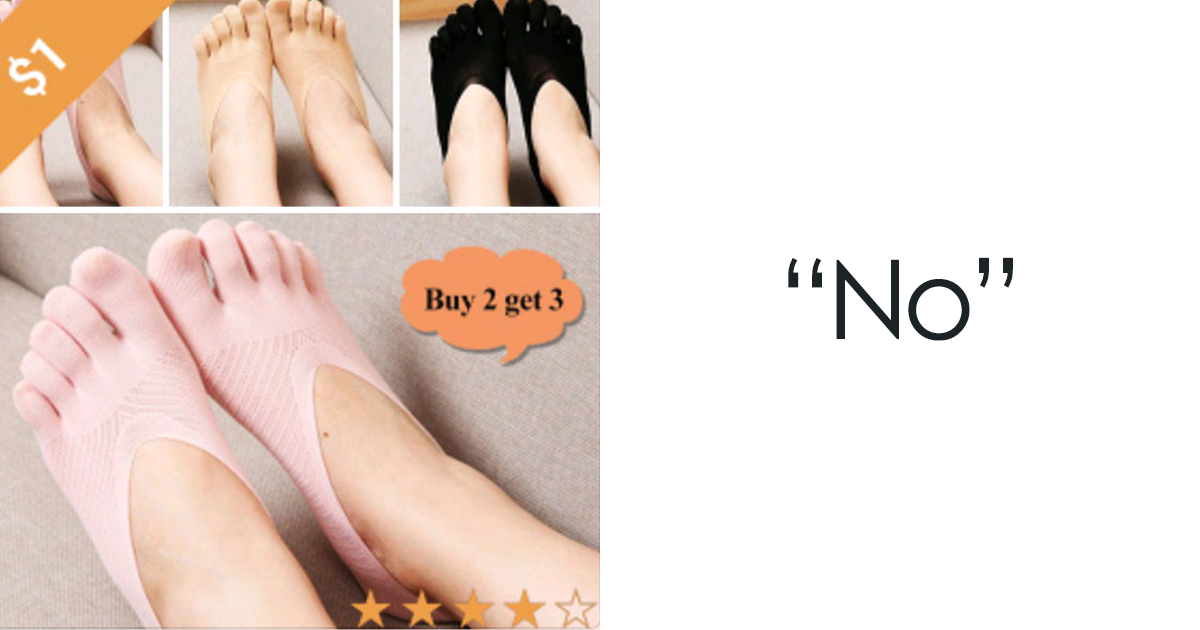
Some corners of the internet are educational. Some are inspiring. And then there is the mysterious, chaotic, bargain-bin carnival known as Wish adswhere a person can scroll past a perfectly normal phone charger, a suspiciously tiny wedding dress, a silicone foot, a fake beard, and something that looks like it was invented during a fever dream in a hardware store.
That is exactly why one woman’s collection of the weirdest Wish ads became so funny online. The products alone were strange enough, but her commentary gave the whole thing a second life. Instead of simply asking, “Who would buy this?” she looked at each bizarre listing and treated it like evidence from a very confusing crime scene. The result is the kind of internet humor that makes you laugh, pause, zoom in, and then wonder whether your shopping algorithm knows something about you that you do not.
Wish has long been known as a mobile-first online marketplace filled with extremely cheap products, quirky gadgets, fashion experiments, novelty accessories, and items that appear to have been photographed by someone who left the room halfway through the job. Its appeal is obvious: low prices, endless scrolling, and the thrill of finding something so oddly specific that it feels like it was summoned from the basement of the internet. But that same endless catalog also creates the perfect stage for hilarious ads that look less like retail and more like accidental modern art.
Why Weird Wish Ads Became Internet Comedy Gold
The funniest Wish ads usually work because they combine three ingredients: confusing product photos, questionable descriptions, and algorithmic placement that feels deeply personal for no clear reason. One minute you are looking at socks. The next minute, an ad appears for a full-body mermaid blanket, a plastic skull, or a device that promises to solve a problem you did not know existed.
That randomness is part of the entertainment. Traditional advertising tries to look polished, aspirational, and trustworthy. Wish ads often feel like they wandered into your feed wearing mismatched shoes and carrying a mysterious bag labeled “Do Not Ask.” Instead of selling a lifestyle, they sometimes sell a question. What is this? Why is it here? Why is the model holding it like that? Why does the product title sound like six keywords fighting in a trench coat?
When a sharp commentator collects these ads and adds witty captions, the humor multiplies. The joke is no longer just the strange object. It becomes a tiny story about online shopping, impulse buying, and the bizarre confidence of the modern recommendation engine.
The Woman Behind the Viral Collection
The viral collection is often associated with an Imgur user who gathered unusual Wish advertisements and added sarcastic, confused, and wonderfully deadpan observations. Her commentary worked because it did not try too hard. It simply said what many people were already thinking while scrolling: “What am I looking at, and why does the internet think I need it?”
That tone matters. The best internet commentary does not over-explain the joke. It walks into the room, points at the weird thing, raises one eyebrow, and leaves. In this case, the products were already strange enough to carry the setup. Her captions delivered the punchline.
The collection also tapped into a shared experience. Almost everyone who shops online has seen an ad that made them stop and question reality for a moment. Maybe it was a sweater with sleeves designed for a spider. Maybe it was a kitchen gadget shaped like an emotional support sea creature. Maybe it was a “luxury” product photographed on what looked suspiciously like a carpet from 1998. Whatever the item, the feeling is universal.
25 Types of Weird Wish Ads That Make the Internet Laugh
While the original viral gallery featured specific images, the humor can be understood through the kinds of ads Wish and similar bargain marketplaces are famous for. These are the categories that tend to make people screenshot first and ask questions later.
1. Products With No Obvious Purpose
Some ads show items that seem to exist without explanation. They are not clearly toys, tools, clothing, decorations, or medical devices. They simply sit there in the photo, daring you to guess. These products are internet riddles with free shipping.
2. Clothing That Defies Human Anatomy
Online fashion can be risky anywhere, but bargain marketplace fashion sometimes looks like it was designed after someone heard a description of a shirt over a bad phone connection. Sleeves appear in unexpected places. Necklines become philosophical questions. Pants look surprised to be pants.
3. Accessories for Problems Nobody Has
Some ads appear to solve issues that have not troubled humanity before. A clip for holding something you never needed clipped. A tiny pouch for an item that already has pockets. A strap that connects two objects that should probably remain strangers.
4. Beauty Products With Terrifying Demonstration Photos
Beauty ads are supposed to make people feel glamorous. Weird Wish beauty ads sometimes look like deleted scenes from a low-budget science fiction movie. Face lifters, pore vacuums, nose shapers, and mysterious masks can quickly move from “self-care” to “please consult a wizard.”
5. Pet Products That Look Like Pranks
Pet costumes are already funny, but Wish-style pet ads take things further. Tiny wigs, dramatic capes, fake muscles, and costumes that make cats look like medieval accountants are hard to scroll past. The pet in the photo often looks like it has contacted a lawyer.
6. Home Decor From Another Dimension
Some home items feel like they were designed for a house where gravity is optional and taste has been placed on vacation. Wall decals, novelty lamps, unusual bathroom accessories, and hyper-specific ornaments can turn a simple ad into a design emergency.
7. Kitchen Gadgets With Main Character Energy
The kitchen gadget category is a gold mine. There are tools for slicing, squeezing, folding, peeling, pouring, clipping, and transforming food into shapes nobody requested. Some look genuinely useful. Others look like they were invented after a potato insulted someone’s family.
8. Product Photos That Raise More Questions Than They Answer
Sometimes the object is not the weirdest part. Sometimes it is the photo. A product may be displayed on a random hand, near a confused model, beside a banana for scale, or in a setting that makes no sense. A normal item can become hilarious when photographed like evidence.
9. Overly Dramatic Before-and-After Images
Before-and-after photos are meant to be persuasive, but some marketplace ads stretch the format until it becomes comedy. The “before” image looks like a person lost a fight with bad lighting, while the “after” image looks like a completely different human who has never met a pore.
10. Items That Look Slightly Haunted
Every weird shopping platform eventually produces products that seem spiritually active. Dolls, masks, figurines, and decorative objects can appear less like merchandise and more like something you find in an attic while thunder rolls outside.
11. Gadgets With Big Promises and Tiny Prices
A device that claims to transform your entire life for $2.83 should be approached with curiosity and maybe protective eyewear. These ads often promise convenience, fitness, beauty, organization, and personal reinvention at a price lower than a gas station sandwich.
12. Translation Mishaps in Product Titles
Product titles on bargain marketplaces often use long strings of keywords to capture search traffic. The result can sound like poetry written by a malfunctioning catalog: “Women Fashion Soft Comfortable Outdoor Travel Magic Waist Beauty Slim Body Thing.” It may be searchable, but it is also accidentally magnificent.
13. Miniature Versions of Normal Things
Mini products can be adorable. They can also be confusing when the ad does not clearly explain scale. A buyer may think they are ordering a chair and receive something suitable for a hamster with excellent taste.
14. Oversized Versions of Tiny Things
The reverse is equally funny. Sometimes an item appears small and manageable, only for the product image to suggest it could swallow a living room. Scale is not always a strong point in chaotic online listings.
15. Fitness Gear That Looks Like a Trap
Exercise equipment already has a reputation for looking intimidating. Add strange angles, elastic straps, aggressive promises, and models using the item in impossible positions, and suddenly the ad feels like a warning from the future.
16. Holiday Decorations With Unclear Intentions
Holiday ads are supposed to be cheerful. Yet some discount decorations manage to look festive and unsettling at the same time. A smiling Santa with unusual proportions or a pumpkin with suspicious eyes can turn seasonal shopping into a comedy sketch.
17. Car Accessories Nobody Expected
Car products can get wonderfully strange: seat gap fillers, steering wheel decorations, tiny trash cans, dashboard ducks, air fresheners shaped like luxury dreams, and accessories that make your cup holder look like it joined a startup.
18. Novelty Items That Go Too Far
Novelty products are designed to be silly, but some cross into a realm of chaos where even the joke needs a chaperone. These are the items people send to friends with the message, “I’m sorry, but you need to see this.”
19. Knockoff Vibes Without Saying the Quiet Part
Some ads appear to be inspired by famous brands, characters, or products without quite landing in the same universe. The resemblance is close enough to make you squint, but different enough to feel like the item came from a parallel timeline.
20. Things That Look Useful Until You Think Twice
At first glance, a gadget may seem clever. Then you imagine actually using it, washing it, storing it, or explaining it to guests. That is when the spell breaks and you realize the product may be solving a problem created entirely by owning the product.
21. Ads That Accidentally Become Memes
Some ads are funny because they are perfectly meme-shaped. The image, product, and caption combine so naturally that the internet does the rest. People share them not because they want the item, but because the ad itself has become the product.
22. Strange Medical-Looking Objects
Nothing gets attention like a small plastic object that looks vaguely medical but is sold beside phone cases and novelty socks. These listings often trigger the strongest reactions because shoppers cannot tell whether the item belongs in a bathroom drawer, a gym bag, or a secret laboratory.
23. Products Modeled With Absolute Seriousness
The funniest ads often feature models treating ridiculous items with complete dignity. A person wearing a bizarre accessory with a calm expression can make the whole thing funnier. Comedy loves commitment.
24. Items That Make You Question the Algorithm
One of the biggest jokes is not the product itself, but the fact that it appeared in your feed. Why this item? Why now? What browsing behavior convinced the machine that you needed a glow-in-the-dark garden gnome or a dramatic cape for poultry?
25. Products That Are Weirdly Tempting Anyway
Here is the uncomfortable truth: some weird ads work. You laugh, you judge, you roll your eyesand then you think, “Actually, that tiny avocado slicer shaped like a dinosaur might improve my life.” The line between absurd and useful is thinner than anyone wants to admit.
What These Ads Reveal About Online Shopping
The comedy of weird Wish ads is not random. It reflects how modern e-commerce works. Online marketplaces often rely on massive product catalogs, fast-moving sellers, personalized recommendations, and image-heavy feeds that encourage discovery. Instead of walking into a store with neat aisles, shoppers enter an endless digital flea market where everything competes for attention.
That creates a strange incentive. A normal product photo may be ignored, but a bizarre one can stop the scroll. Even confusion can become engagement. If a person pauses, zooms in, screenshots, comments, or shares the ad, the product has already won a small battle for attentioneven if nobody buys it.
There is also the thrill of bargain hunting. Low prices make shoppers more willing to click on unusual items. A strange gadget for $3 feels like a tiny gamble, not a major decision. That is part of Wish’s appeal: it turns shopping into browsing, browsing into entertainment, and entertainment into impulse curiosity.
Why Commentary Makes the Ads Even Funnier
Weird images are funny, but commentary gives them structure. A good caption tells the viewer how to laugh without ruining the surprise. It can turn a random product into a character, a mystery, or a dramatic event.
For example, an ad for an oddly shaped beauty device might become funnier when the commentator treats it like alien technology. A confusing pet accessory might become a legal dispute between a cat and its owner. A strange household tool might be described as something your aunt would buy at 2 a.m. and defend at Thanksgiving.
The best captions also make the audience feel seen. Many people have had the same reaction to bizarre online ads but never put it into words. When someone finally says, “Why is this being advertised to me like a personal threat?” it feels instantly relatable.
The Fine Line Between Funny and Misleading
Although weird ads are entertaining, online shoppers still need to be careful. Product photos, descriptions, sizes, shipping times, and reviews matter. A funny ad may be harmless, but a misleading listing can lead to disappointment. That is especially true when a product looks larger, higher quality, or more effective in the ad than it does in real life.
Smart shoppers should read product details carefully, check measurements, compare reviews, and look for real customer photos when available. If a listing promises luxury results at an unbelievably low price, it is worth slowing down. The internet is full of bargains, but it is also full of products that arrive looking like the travel-size version of your expectations.
Still, the humor of these ads does not necessarily come from anger. Most people laugh because the listings are bizarre, creative, badly translated, oddly photographed, or algorithmically misplaced. They are part shopping content, part accidental comedy.
Why People Love Sharing Weird Shopping Finds
Sharing strange ads is a modern form of storytelling. In the past, someone might come home from a flea market with a weird object and say, “You have to see what I found.” Now the flea market lives in our phones, and the strange object appears between social posts, recipe videos, and weather updates.
These screenshots travel well because they are quick to understand. You do not need a long explanation. A bizarre product image plus a funny caption delivers instant entertainment. It is visual, social, and perfectly suited for group chats where everyone is pretending to work.
There is also a little bit of collective relief in the laughter. Online life can feel polished and overly curated. Weird ads break that perfection. They are messy, awkward, and unintentionally human. They remind us that behind every digital marketplace are sellers, algorithms, translations, photos, and design choices that do not always line up neatly.
Experiences Related to Weird Wish Ads and Online Bargain Hunting
Anyone who has spent enough time browsing discount shopping apps knows the experience: you open the app for one practical item and somehow end up in a tunnel of increasingly strange recommendations. You may begin with a search for phone cables. Ten minutes later, you are looking at a glow-in-the-dark toilet light, a banana-shaped pet bed, a bracelet that claims to improve your entire personality, and a kitchen tool that appears to be designed exclusively for people who are angry at eggs.
The funniest part is how quickly the brain adapts. At first, the ads seem shocking. Then they become entertaining. Then, dangerously, they become plausible. You start thinking, “Maybe I do need a tiny vacuum for my keyboard,” or “Perhaps my home has been incomplete without a spoon rest shaped like a screaming frog.” That is the magic and madness of online bargain hunting. It lowers the emotional cost of curiosity.
Many shoppers have also experienced the classic expectation-versus-reality moment. The product photo looks sleek, bold, and professional. The item arrives weeks later in a small plastic pouch, folded into a shape nature never intended. Sometimes it is surprisingly good. Sometimes it is hilariously wrong. Sometimes it is so tiny that you check the listing again and realize the measurements were technically there, quietly waiting to ruin your confidence.
There is a social side to the experience, too. Weird ads are made for sharing. Friends send screenshots with captions like, “Why did I get this?” or “This feels threatening,” or “I hate that I kind of want it.” The ad becomes a tiny event. Nobody has to buy anything. The entertainment is already complete.
For content creators, these ads are especially rich material because they combine humor, consumer culture, and visual absurdity. A strange ad invites reaction. A funny commentator turns that reaction into a performance. That is why collections like the weirdest Wish ads work so well: they are not just lists of odd products. They are guided tours through the stranger side of e-commerce.
There is also a lesson hidden inside the laughter. The more personalized online shopping becomes, the more shoppers should pay attention to what platforms are showing them and why. Recommendation engines can be useful, but they can also be wildly off-target. A bizarre ad is funny because it feels personal and impersonal at the same time. The algorithm seems to know you, but also appears to believe you are the kind of person who needs emergency inflatable furniture for a raccoon-themed party.
In the end, weird Wish ads are part of a larger internet tradition: finding comedy in the unexpected. They are digital yard sale treasures, accidental memes, and cautionary tales wrapped in discount pricing. Whether you see them as shopping suggestions or tiny works of chaos, they make scrolling more entertaining. And when a clever person collects them with hilarious commentary, the result is exactly what the internet does best: turning confusion into community laughter.
Conclusion
The viral collection of the weirdest Wish ads proves that online shopping is no longer just about buying things. Sometimes it is about witnessing things. Strange products, awkward photos, dramatic captions, and unpredictable recommendations have created a whole subgenre of internet comedy. Add one person with sharp commentary, and a simple ad screenshot becomes a miniature comedy show.
These ads are funny because they sit at the crossroads of bargain hunting, algorithmic personalization, visual confusion, and human curiosity. They remind us that the internet is still wonderfully weird, and that even the most chaotic product listing can bring people together for a laugh. Whether you are a careful shopper, a meme collector, or someone who simply enjoys asking “Who approved this?” the weird world of Wish ads offers endless entertainment.
Note: This article is written as an original SEO-friendly commentary piece based on publicly known information about viral Wish ad collections, online marketplace culture, and common e-commerce advertising practices. It does not reproduce the original 25 images.