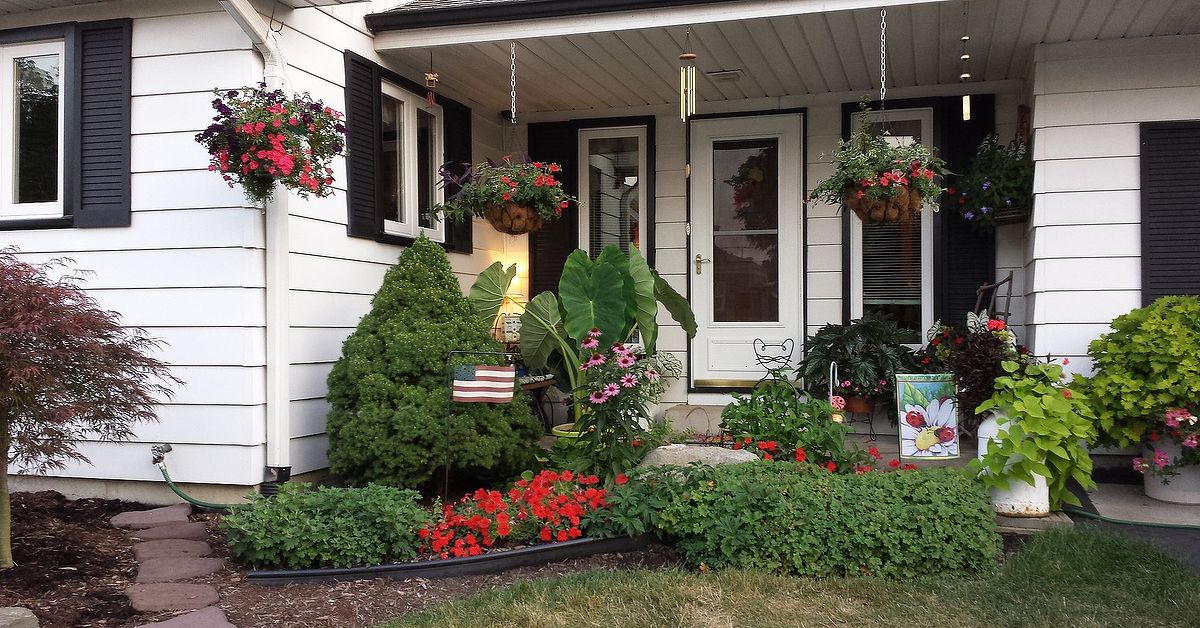
A garden walk should feel like an invitation, not a botanical obstacle course. Whether you have a compact front border, a sunny backyard bed, or a patio full of containers, a well-designed flower garden can turn an ordinary stroll into a tiny adventure. Add a few fairies, one respectfully positioned gnome, and a path that encourages people to slow down, and suddenly your yard has a little story to tell.
The secret is not filling every inch with decorations until your garden resembles a yard sale hosted by woodland creatures. The magic comes from balancing flowers, foliage, texture, color, pathways, and a few playful surprises. A fairy door tucked beneath a hosta, a gnome leaning against a pot of lavender, or a miniature bridge over a dry creek bed can create charm without stealing the spotlight from the plants.
This guide explains how to design a flower garden that feels whimsical, beautiful, and functional. You will learn how to plan a garden walk, choose plants for sun and shade, create layers of flowers, use fairy garden accessories tastefully, and maintain a garden that stays enchanting long after the first burst of spring excitement.
Start With the Garden Walk, Not the Gnome
Before buying tiny cottages, fairy furniture, or a gnome with an alarming fishing pole, study the space you already have. Walk through your yard at different times of day. Notice where the sun lands in the morning, where afternoon heat builds, where water collects after rain, and where you naturally want to pause.
A successful flower garden design begins with site conditions. Light, temperature, water availability, soil quality, drainage, and local climate all influence whether plants thrive or become expensive little disappointments. A rose planted in deep shade will not become cheerful just because you gave it a cute fairy bench. Plants are stubborn that way.
Map the Movement
Your path does not need to be grand. Even a short walkway of stepping stones through a flower bed can create the feeling of a garden journey. Curved paths feel informal and romantic, while straight paths look more structured and formal. For a fairy garden style, gentle curves usually work beautifully because they create mystery. You cannot see everything at once, which encourages people to keep walking.
Use a path material that fits the scale of the garden. Flagstone, gravel, mulch, brick, reclaimed pavers, and stepping stones all work well. In a small garden, narrow paths can feel charming. In a larger landscape, make paths wide enough for two people to walk comfortably side by side without performing an awkward hedge dance.
Create Little Destinations
A garden walk becomes memorable when it includes places to stop. This might be a bench beneath an arbor, a birdbath surrounded by coneflowers, a cluster of containers near a patio, or a miniature fairy village hidden near the edge of a woodland border.
Think of each destination as a chapter in the garden story. One section can be bright and sunny with zinnias and salvia. Another can be calm and shady with ferns, hostas, and pale flowers. A third can be playful, with miniature accessories tucked between low-growing plants. The goal is to give visitors small discoveries instead of presenting the whole garden in one loud, flower-shaped shout.
Use Flower Garden Design Principles That Actually Work
Beautiful gardens are not created by luck alone, although luck is always welcome when the rabbits leave your flowers alone. Most appealing flower gardens use a few simple design principles: repetition, contrast, rhythm, balance, and layers.
Build in Layers
Layering gives a flower garden depth and makes it feel fuller without becoming chaotic. Place taller plants toward the back of a border or in the center of an island bed. Medium-height plants belong in front of them, while low-growing flowers, ground covers, and trailing plants soften the edges.
For example, a sunny cottage-style flower border could include tall ornamental grasses or hollyhocks in the back, coneflowers and black-eyed Susans in the middle, and creeping thyme, alyssum, or low sedums along the front. The contrast between tall flower spikes, rounded blooms, and low foliage creates visual movement.
Layering also helps fairy garden accessories look natural. A tiny bench placed beside a large shrub can look lost. Place miniature features near low-growing plants, mossy areas, thyme, small ferns, dwarf conifers, or ground covers. The accessories should feel like they belong to a secret world, not like they were dropped by a distracted giant.
Repeat Colors and Plant Shapes
Repeating a few colors throughout the garden creates unity. You do not need every flower to match, but a repeated palette helps the garden feel intentional. For instance, purple salvia, lavender, alliums, and violet petunias can appear in several sections of the garden. Their repeated color ties separate beds together.
Choose a color mood before shopping. Cool colors such as blue, violet, silver, and soft pink create a peaceful garden. Warm colors such as red, orange, and yellow bring energy and make distant areas feel closer. A mixed palette can be joyful, but it benefits from a few repeated colors so the result looks lively rather than confused.
Flower garden design also depends on plant form and texture. Large hosta leaves look dramatic beside fine-textured ferns. Upright grasses pair well with rounded hydrangeas. Spiky salvia flowers bring contrast to soft, cloud-like blooms such as yarrow or astilbe. When flowers are not blooming, foliage texture keeps the garden interesting.
Plan for Every Season
A flower garden should not peak for two glorious weeks and then enter retirement. Select plants with staggered bloom times so the garden has color from spring through fall. Early bulbs, spring perennials, summer annuals, late-blooming natives, ornamental grasses, seed heads, and evergreen plants can all contribute to year-round interest.
Spring may include daffodils, tulips, bleeding hearts, and creeping phlox. Summer can feature coneflowers, zinnias, bee balm, salvia, daylilies, and hydrangeas. Fall can bring asters, sedums, goldenrods, ornamental grasses, and seed heads from coneflowers or black-eyed Susans. Winter interest can come from evergreen shrubs, dried flower stalks, decorative grasses, bark, stone, and garden ornaments.
Choosing Flowers for a Fairy and Gnome Garden
The best plants for a whimsical garden depend on light, soil, and your climate, but certain plant styles naturally support the fairy garden look. Think soft foliage, tiny flowers, trailing plants, mossy textures, miniature leaves, and plants that invite you to kneel down and inspect the details.
Best Plants for Sunny Fairy Gardens
Sunny spaces can handle colorful flowers and herbs that look charming around miniature structures. Consider creeping thyme, sedum, dwarf marigolds, violas, alyssum, dianthus, dwarf zinnias, dwarf cosmos, lavender, and compact salvia.
Creeping thyme is especially useful because it can spill over edges, soften stones, and create the illusion of a tiny meadow. Alyssum adds a cloud of small flowers, while violas bring cheerful faces that look as though they are trying to gossip with the fairies.
For a more natural pollinator-friendly look, include native or regionally adapted flowers such as coneflowers, bee balm, asters, blazing stars, black-eyed Susans, and native salvias where appropriate. A garden with flowers blooming across multiple seasons offers food for bees, butterflies, hummingbirds, and other beneficial visitors.
Best Plants for Shady Fairy Gardens
Shade gardens are often perfect for fairy themes because they already have a quiet, woodland feeling. Use ferns, hostas, heucheras, astilbes, coral bells, foamflowers, lungwort, hellebores, and woodland phlox.
For ground-level charm, add mosses where conditions allow, or use low-growing plants such as ajuga, sweet woodruff, creeping Jenny, or native ground covers suited to your region. Be careful with aggressive spreaders, especially in small beds, because some plants can turn from “charming ground cover” into “tiny green empire” faster than expected.
Use Containers for Instant Magic
Container gardens are perfect for people who want a fairy garden without redesigning their entire yard. A wide ceramic bowl, whiskey barrel, raised planter, or old wheelbarrow can become a miniature landscape. Make sure the container has drainage holes, use a quality potting mix, and choose plants with similar light and water needs.
A classic container formula is simple: use one taller plant for height, several medium plants for fullness, and trailing plants around the edge. For a fairy container, add a small path of pebbles, a tiny door, a miniature bench, or a little bridge. Keep the accessories limited. The plants should still look like the stars of the show, while the fairies remain the delightful supporting cast.
How to Add Fairies and Gnomes Without Overdoing It
Fairies and gnomes work best when they are discovered gradually. A single gnome tucked near a clump of ornamental grass can be funny. Fifteen gnomes standing in a military formation may be memorable, but perhaps not for the reasons you intended.
Choose a Theme
A garden theme helps decorations feel connected. You might create a woodland fairy garden, an enchanted cottage garden, a miniature tea garden, a woodland train garden, or a storybook garden for children.
For a woodland theme, use bark, stones, mossy textures, ferns, mushrooms, and wooden accessories. For a cottage garden theme, add pastel flowers, climbing roses, lavender, small fences, and miniature cottages. For a gnome garden, use bright flowers, weathered terracotta pots, mushroom ornaments, and cheerful but restrained pops of color.
Place Accessories at Different Heights
Do not put every decoration at ground level. Hang a small fairy door on a tree trunk, place a birdhouse near a shrub, tuck a miniature ladder into a vine, or position a gnome beside a container. Varying height makes the garden feel more dimensional.
Use accessories near plants with a compatible scale. Tiny fairy furniture looks best beside low plants. Larger garden statues can anchor a corner or act as a focal point near a path. The goal is for visitors to discover details as they move through the garden, not to see every ornament from the driveway.
Build Healthy Soil Before Building a Fairy Village
Healthy soil is less glamorous than a tiny castle, but it is far more important. Before planting, improve compacted or poor soil with compost and organic matter when appropriate. A soil test can help you understand pH and nutrient levels instead of guessing with fertilizer like a person seasoning soup while blindfolded.
Most flowering plants perform best in soil that drains well but still holds enough moisture for roots. If your site stays soggy after rain, choose plants that tolerate wet conditions or consider raised beds, drainage improvements, or a rain garden design. If your soil dries quickly, use organic mulch and select drought-tolerant plants suited to the location.
Mulch helps conserve moisture, reduce weeds, moderate soil temperature, and make beds look finished. Spread organic mulch in a layer around plants, but avoid piling it directly against stems or tree trunks. Mulch volcanoes are dramatic, but only in the same way a kitchen fire is dramatic.
Make the Garden Friendly to Pollinators and People
A flower garden can be whimsical and useful at the same time. Choose a variety of plants that bloom from early spring through fall. Include flowers with different shapes, colors, and bloom times. Planting in groups rather than scattering single flowers makes a stronger visual impact and can make it easier for pollinators to find food.
Native plants are especially valuable because many native insects have evolved alongside them. That does not mean every plant in the garden must be native, but using locally appropriate native plants as part of the design can support biodiversity while giving your garden a sense of place.
Skip broad-spectrum pesticides whenever possible, especially when flowers are blooming and pollinators are active. Instead, encourage birds, beneficial insects, healthy soil, plant diversity, and good spacing between plants. A garden does not need to be perfect to be beautiful. In fact, a few chewed leaves may simply prove that your garden is participating in the ecosystem rather than auditioning for a plastic-flower catalog.
Maintenance Tips for a Low-Stress Flower Garden
Whimsical gardens still need ordinary care. Water deeply when needed, especially during dry weather. Deadhead annuals and repeat-blooming perennials to encourage continued flowers. Divide crowded perennials when they outgrow their space. Remove diseased leaves, pull weeds before they set seed, and refresh mulch as needed.
Keep fairy garden accessories clean and stable. Check that statues are not blocking plant growth, sinking into wet soil, or becoming hiding places for pests. In areas with harsh winters, store delicate miniature pieces indoors or place them in protected spots.
Most importantly, leave room for change. Gardens are living designs. A plant may grow larger than expected, a path may need to move, or your favorite sunny corner may become shadier as trees mature. Adjustments are not failures. They are part of the garden’s story.
Garden Walk Experiences: Fairies, Gnomes, and Flower Garden Design in Real Life
The most memorable garden walks are rarely the perfectly polished ones. They are the gardens where a child spots a tiny fairy door under a hosta, where a grandmother pauses to smell lavender, where a visitor notices a gnome hiding behind a pot of orange marigolds and laughs out loud. A good garden walk gives people permission to slow down.
One of the simplest ways to create that experience is to design for surprise. Imagine entering through a small gate framed by climbing flowers. At first, you see only a curved path and a few colorful blooms. As you walk farther, the path opens into a sunny border filled with coneflowers, salvia, and zinnias. Then, beneath a low shrub, you discover a small fairy bench beside a stone path. Nothing is shouting for attention, but everything invites a second look.
Another memorable garden experience comes from creating contrast. A bright flower bed can feel even more dramatic when it leads into a cool shade garden. The sunny area may be full of yellow coreopsis, red bee balm, and purple salvia. Around the bend, the garden changes completely. Ferns soften the path, hostas create broad green leaves, and pale astilbes brighten the shade. A small gnome holding a lantern near the entrance makes the transition feel playful, almost like entering another room in an outdoor house.
Children often respond to gardens differently from adults. Adults may notice plant combinations, mulch lines, and whether the hydrangea needs pruning. Children usually notice the tiny door, the shiny stone, the mushroom ornament, the bee on a flower, or the frog sitting in the birdbath like it owns the place. Designing with both audiences in mind makes a garden more welcoming.
A fairy garden can also become a family project. One person may collect pebbles for a miniature path. Another may paint a tiny door. Children can arrange small sticks into a fence or create a fairy mailbox. The plants provide the living structure, while the accessories become little seasonal additions. In spring, a miniature wheelbarrow may hold moss. In summer, it may sit beside blooming alyssum. In fall, tiny pumpkins can appear near the fairy house.
Gnomes, meanwhile, are excellent comic relief. A single gnome reading a book beneath a shrub can make a garden feel friendly. A gnome watering a plant near an actual hose spigot can create a visual joke. The best garden ornaments are not simply decorations; they participate in the landscape. They look as though they have always been there, quietly carrying out mysterious garden business while the rest of us are asleep.
Nighttime can add another layer to the garden walk. Solar lights along a path, lanterns near a seating area, or subtle string lights around an arbor can make evening strolls feel magical. Keep lighting soft and focused. The goal is not to create a runway for international flights. A few warm points of light are enough to guide visitors and highlight favorite features.
Seasonal changes create new experiences without requiring a complete redesign. In spring, bulbs and fresh foliage make the garden feel hopeful. Summer brings big color, buzzing bees, and long evenings outdoors. Fall adds seed heads, ornamental grasses, pumpkins, and warm leaves. Winter reveals the garden’s bones: paths, stones, evergreen shapes, bare branches, and the occasional brave gnome wearing a snow hat.
The greatest pleasure of a flower garden walk is that it is never exactly the same twice. One morning, the roses may be covered in dew. Another afternoon, butterflies may gather around the asters. On a rainy day, wet stones may shine beside ferns and moss. The fairies and gnomes may stay put, but the garden around them is always changing.
That is the real magic of flower garden design. It does not come from buying the most decorations or planting every flower available at the garden center. It comes from creating a space that feels alive, personal, and inviting. A winding path, a few healthy plants, a layered flower border, and one carefully placed gnome can turn an ordinary yard into a place people remember.
Conclusion
A garden walk filled with flowers, fairies, and gnomes can be charming without becoming cluttered. Start with the basics: healthy soil, suitable plants, paths that invite exploration, layered flower beds, and a seasonal planting plan. Then add whimsical details slowly and intentionally.
The best fairy and gnome garden design feels like a secret waiting to be discovered. It brings together practical landscaping, pollinator-friendly flowers, colorful foliage, playful ornaments, and spaces where people want to pause. In the end, your garden does not need to look like anyone else’s. It only needs to feel like a place where you would happily take one more walk.
Note: Choose plants based on your local climate, soil, sun exposure, and water conditions. Confirm mature plant size and invasive-plant status with a local Extension office, native plant society, or trusted nursery before planting.