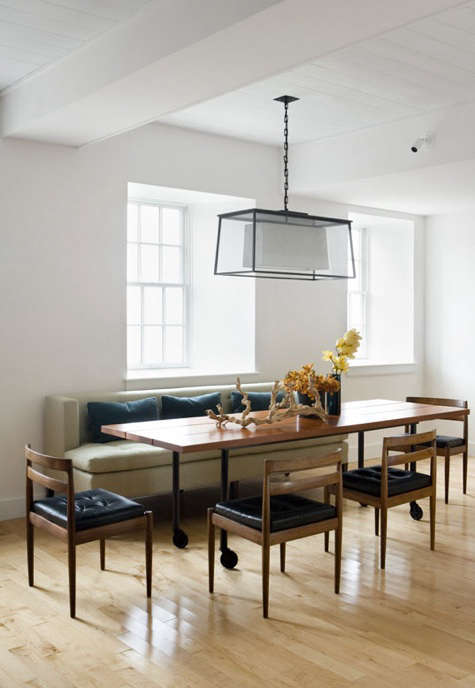
Some furniture sits quietly in a corner and minds its own business. A table on wheels is not that kind of furniture. It is the overachiever of the room, the piece that says, “Need me in the kitchen? Great. Need me by the sofa? On my way. Need me outside for snacks and lemonade? I was born for this.” In a time when homes are expected to do more than ever before, tables on wheels have gone from quirky extras to genuinely smart design solutions.
Call them rolling tables, wheeled side tables, mobile islands, bar carts, serving carts, or compact workstations. Whatever the label, the appeal is the same: flexibility. A good table on wheels can create temporary counter space, bring order to a cluttered room, support entertaining, help with remote work, and make a small home feel a lot more capable. It is furniture with a built-in exit strategy, which is honestly very relatable.
This is what makes the category so interesting. A table on wheels is not just about mobility. It is about changing how a room functions without committing to a major remodel, a giant furniture footprint, or a dramatic “before and after” reveal that requires an emotional support credit card. When chosen well, these pieces are practical, stylish, and surprisingly hardworking.
Why Tables on Wheels Work So Well
The biggest strength of a wheeled table is obvious: it moves. But the real magic is what that movement allows. A stationary table serves one location. A table on wheels serves a lifestyle. It can be tucked away when you need open floor space and rolled into action when you need a surface, storage, or both.
That is especially useful in smaller homes, apartments, dorm-style rooms, multipurpose spaces, and kitchens that never seem to have enough counter area. A narrow rolling cart can act like a mini island. A compact side table can slide between seating zones. A bar cart can become a coffee station, a dessert cart, a plant stand, or an office supply command center. In other words, tables on wheels are basically furniture that refuses to be typecast.
Design brands and home retailers have leaned into this for years. You can now find everything from sleek metal carts with wood tops to custom caster-equipped tables, rolling side tables, butcher-block kitchen carts, and outdoor serving pieces made to handle patios and porches. The market has matured, which means shoppers have more choices in size, finish, storage, and style than ever before.
The Main Types of Tables on Wheels
1. Rolling Side Tables
These are the small but mighty members of the category. A rolling side table works beautifully next to a sofa, bed, reading chair, or even in a bathroom corner that needs a little help. The best ones keep a small footprint, include a lower shelf or tray, and look light enough not to visually crowd the room.
They are ideal for people who hate visual clutter but still need somewhere to set a book, a cup of tea, a speaker, a charging cable, or the remote that somehow disappears every three hours. In modern homes, a square or round rolling side table can replace a traditional end table while offering more flexibility.
2. Kitchen Carts and Mobile Islands
If any room benefits from wheeled furniture, it is the kitchen. A rolling kitchen cart can add prep space, storage, and serving capacity without requiring built-ins. Models with butcher-block tops are especially popular because they combine warmth, utility, and a work surface that feels substantial.
Some include drawers, open shelves, towel bars, spice racks, cabinets, or drop leaves. That makes them useful for chopping vegetables, staging dinner, storing mixing bowls, or holding the coffee gear you use every single morning like it is an Olympic event.
3. Bar Carts and Entertaining Tables
Bar carts may be the most glamorous tables on wheels, but they are not just for cocktail lovers. Yes, they are great for glassware, bottles, mixers, and a very confident bowl of lemons. But they also work as coffee carts, tea stations, dessert tables, entry consoles, printer stands, and decorative display pieces. A well-styled bar cart can be equal parts useful and charming.
For entertaining, the advantage is obvious: the setup goes where the people are. That means you can serve drinks in the dining room, wheel dessert to the living room, or bring snacks outside without juggling six items in your arms like a sitcom parent trying not to drop the guacamole.
4. Work and Hobby Tables
Tables on wheels are also brilliant in home offices, craft rooms, and hybrid spaces. A mobile work table can hold a laptop one day, wrapping supplies the next, and a sewing machine by the weekend. In homes where one room has to do the job of three, rolling furniture creates instant adaptability.
Teachers, artists, crafters, and work-from-home professionals often benefit most from this type of table because supplies can stay organized without permanently taking over the room. That makes the space easier to live in and easier to reset.
5. Outdoor Rolling Tables
Outdoor tables on wheels are made for movement and hospitality. They can act as a serving station during cookouts, a drink cart on the patio, or extra landing space next to a grill. Materials matter more here, of course. Powder-coated metal, weather-resistant wicker, treated wood, and outdoor-safe surfaces are the smart choices for pieces that will live near sun, moisture, or both.
What to Look for Before You Buy
Locking Casters Matter
A table that rolls easily should also stay put when needed. That is why locking casters are such a valuable feature, especially in kitchens, work areas, and homes with kids or pets. Mobility is great. Accidental drift while pouring coffee is less great. A locking mechanism adds stability and makes the piece feel more intentional rather than flimsy.
Choose the Right Surface
The top material should match how you plan to use the table. Wood and butcher block feel warm and practical. Metal looks crisp and industrial. Glass can feel airy and elegant, though it shows fingerprints like it is collecting evidence. Concrete, stone-look surfaces, and engineered materials can bring texture and durability. For utility-first spaces, easy-clean finishes are the winners.
Mind the Footprint
The smartest rolling table is one that fits comfortably when parked and when moving. Measure doorways, aisle widths, and the area where you expect to store it. A mobile piece should not turn every trip across the room into a furniture obstacle course.
Storage Changes Everything
Open shelves, drawers, trays, racks, and lower tiers dramatically increase usefulness. A simple tabletop is fine, but layered storage makes the piece more than a surface. It becomes a working station. In smaller homes, that difference matters.
Think About Floor Compatibility
Not all wheels feel the same underfoot. Harder casters may behave differently depending on whether you have tile, wood, laminate, or outdoor surfaces. Smooth rolling and floor-friendly movement matter, especially if the table will move often. The goal is effortless mobility, not a soundtrack of dramatic scraping.
Best Places to Use a Table on Wheels
In the Living Room
Use one as a flexible side table, media accessory station, puzzle cart, or snack hub on movie night. A slim rolling table can also help large living rooms feel more functional by bringing surfaces closer to seating.
In the Bedroom
A compact wheeled table can replace a nightstand in tight layouts or serve as a movable vanity helper. It is especially useful in guest rooms, where the furniture may need to adapt depending on who is staying and what they need.
In the Kitchen
This is the classic use case. A rolling cart can provide extra prep space, coffee storage, microwave support, or overflow shelving. If your kitchen always feels one drawer short and one counter short, a mobile table can solve both problems at once.
In the Entryway
A stylish cart or wheeled table can act as a compact landing zone for keys, bags, mail, and decor. Bonus points if it can be rolled into another room during a gathering.
On the Patio
An outdoor serving cart keeps drinks, plates, condiments, and grilling tools within reach. It also saves you from making fifteen unnecessary trips indoors, which is a deeply unromantic way to spend a summer evening.
How to Style Tables on Wheels Without Making Them Look Temporary
The trick is balance. A wheeled table should look like it belongs in the room even though it can leave at any moment. Start with one practical anchor, such as a tray, a basket, or a stack of books. Then add one decorative layer, like a vase, candle, or small plant. Finally, leave enough empty space that the table still looks functional.
In kitchens, style comes from order: matching jars, folded linens, a cutting board, and a bowl of fruit. In living rooms, a lamp, coaster set, and a book stack go a long way. On bar carts, glassware and bottles should feel curated, not crowded. Think edited, not overstuffed.
The frame and finish should also echo the room around it. Black metal works well in modern and industrial interiors. Warm wood softens contemporary spaces. Brass or gold-toned frames add polish. Natural materials help a rolling table feel like furniture first and utility piece second.
Common Mistakes to Avoid
Buying for Looks Alone
A beautiful table that wobbles, rolls poorly, or lacks enough surface area will get old fast. Style matters, but movement, balance, and sturdiness matter more.
Choosing the Wrong Height
A sofa-side table should sit comfortably near arm height. A kitchen cart should be practical for prep. A bar cart should feel easy to reach and serve from. The wrong height can make a useful piece surprisingly annoying.
Ignoring Weight and Storage Needs
If you plan to load the table with appliances, serving ware, books, or office gear, make sure the structure supports that use. The prettiest cart in the world cannot save you from disappointment if it was only built for three napkins and a candle.
Forgetting the Parking Spot
Before bringing home a rolling table, decide where it lives when not in use. That keeps the piece feeling intentional instead of random. Every mobile table needs a home base.
Why This Furniture Trend Has Staying Power
Tables on wheels are not a fad because the problem they solve is permanent. Most people want rooms that feel open but still work hard. They want furniture that can multitask, especially in homes where square footage is limited or routines change often. A wheeled table answers that need in a refreshingly simple way.
It also fits the way people live now. Dining rooms become offices. Kitchens become homework stations. Patios become extra entertaining zones. Guest rooms become workout rooms, hobby rooms, or “we swear we will organize this someday” rooms. Furniture that moves with those changes is simply smarter.
And unlike some “clever” home solutions that feel like they were invented by someone who has never actually lived with furniture, a good table on wheels is intuitive. You use it, move it, lock it, style it, and keep going. No instruction manual for your lifestyle required.
Experiences With Tables on Wheels: Living With Flexible Furniture
One of the best things about tables on wheels is that you usually do not appreciate them fully until you live with one. On paper, they sound practical. In real life, they become the furniture piece you use more than expected and complain about the least. That is a rare and beautiful achievement.
In a small apartment, for example, a rolling side table can become a survival tool. In the morning, it holds coffee and breakfast next to the sofa. By afternoon, it becomes a laptop station near the window. At night, it slides beside the bed and behaves like a nightstand that finally got its act together. That kind of flexibility makes a home feel more spacious because the furniture responds to your routine instead of forcing your routine to orbit around it.
In family kitchens, a wheeled island often becomes the unofficial center of the house. It might hold the toaster, snacks, mixing bowls, school papers, and the mysterious one battery nobody claims ownership of. During meal prep, it adds elbow room. During parties, it turns into a serving station. During holidays, it becomes the place where someone inevitably says, “Just put it on the cart for now,” which is the highest compliment a practical piece of furniture can receive.
People who work from home often end up loving mobile tables for a different reason: they help create boundaries. A rolling cart or work table can bring supplies out when needed and tuck them away when the day is done. That means fewer cords on the dining table, fewer pens migrating into every corner of the house, and a better chance of feeling like your living room is still a living room.
For entertaining, the experience is even more fun. A bar cart or serving table on wheels adds movement to hosting. Instead of crowding everyone into one area, the setup comes to the guests. Coffee after dinner can roll in. Dessert can make a dramatic entrance. On the patio, a drink station can shift with the sun or move closer to the grill. The furniture participates, which sounds ridiculous until you realize it is true.
Even outdoors, these tables tend to earn their keep quickly. A rolling cart parked by the grill, lounge chairs, or garden seating saves steps and keeps essentials close. Hosts love that. So do people who are not hosting but still want their iced tea nearby without crossing the yard like they are on a snack pilgrimage.
The overall experience is simple: tables on wheels make everyday living easier. They reduce friction. They support multitasking. They adapt to small spaces, shifting routines, and spontaneous needs. They are not flashy in the way a giant sectional or sculptural dining table might be, but they are often more useful. And in real homes, usefulness has a way of becoming its own kind of luxury.
Conclusion
Tables on wheels prove that great furniture does not have to stay still to make a statement. The best ones blend movement, storage, and style in a way that supports how people actually live. Whether you need extra kitchen prep space, a flexible side table, a stylish bar cart, or a hardworking mobile workstation, this category offers smart solutions that earn their square footage every day.
If you choose the right size, materials, and caster setup, a wheeled table can become one of the most versatile pieces in your home. It is practical without being dull, stylish without being precious, and mobile without feeling temporary. Not bad for furniture that literally comes with wheels.