Note: This article is written for web publishing and synthesizes practical baking guidance from reputable U.S. cooking, baking, and kitchenware sources, without source-link clutter in the content.
Why the French Style Rolling Pin Deserves a Spot in Your Kitchen
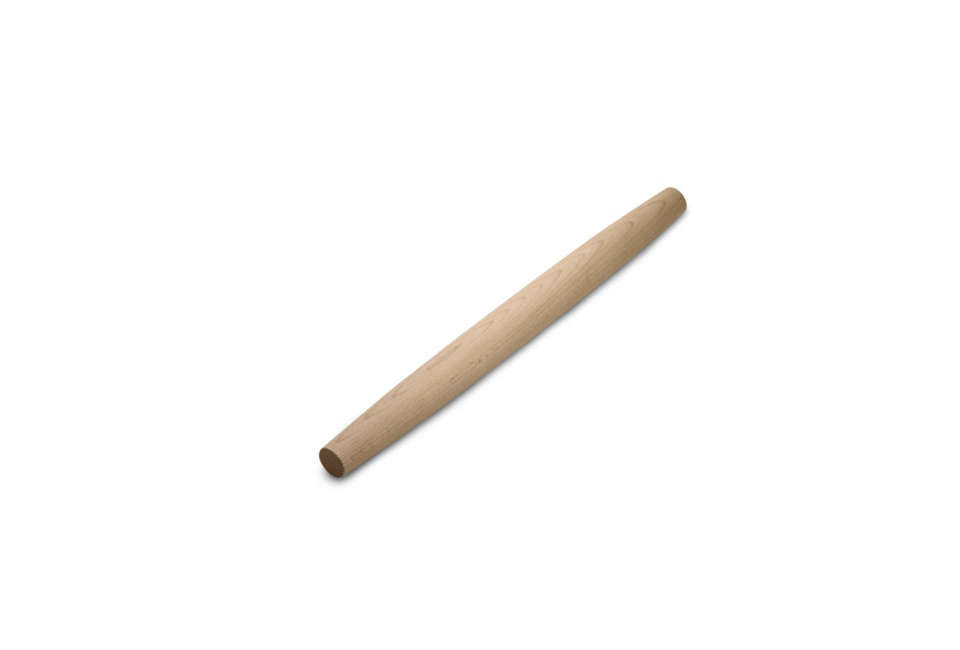
A French style rolling pin may look almost suspiciously simple. No handles. No ball bearings. No shiny gadgets. No “smart” app that tells you your pie crust has emotional baggage. It is essentially a smooth wooden rodoften tapered at both endsthat gives bakers direct control over dough. And that simplicity is exactly why so many pastry chefs, serious home bakers, and weekend cookie warriors love it.
Unlike a traditional American rolling pin with handles, a French rolling pin lets your hands rest directly on the wood. That means you can feel the dough as you roll it. You notice when one side is thicker, when the butter in your pie crust is softening, or when your pizza dough is fighting back like it has unfinished business. This tactile feedback is the main reason the French pin has become a favorite for rolling pie crust, tart dough, sugar cookies, puff pastry, pasta sheets, dumpling wrappers, and even fondant.
The most recognizable version is the tapered French rolling pin, thicker in the center and narrower at the ends. This shape makes it easier to pivot, turn, and guide dough into circles. If you have ever rolled pie dough into a shape that looked less like a circle and more like a map of an imaginary country, the tapered pin is here to help.
What Is a French Style Rolling Pin?
A French style rolling pin is a handle-free rolling pin, usually made from wood, designed to give bakers better control and closer contact with dough. It comes in two common forms: the tapered French pin and the straight dowel pin. Both are simple, durable, and easy to store, but each has its own personality in the kitchen.
Tapered French Rolling Pin
The tapered version narrows toward both ends. This elegant shape allows bakers to apply more pressure in specific areas and rotate dough with a light swivel of the wrists. It is especially useful for round shapes such as pie crusts, galettes, tarts, hand pies, and dumpling wrappers. The tapered ends make it feel nimble, almost like the sports car of rolling pinsexcept it is legal to flour it.
Straight French Dowel Rolling Pin
A straight dowel rolling pin is handle-free but not tapered. It is the same thickness from end to end. This design is excellent for rolling dough to a consistent thickness, especially for cookies, crackers, pasta, laminated dough, and large rectangular sheets. If the tapered French pin is about steering, the dowel pin is about even pressure and clean lines.
French Rolling Pin vs. Traditional Rolling Pin
The biggest difference between a French rolling pin and a traditional handled rolling pin is how pressure is applied. With a handled pin, your hands grip the handles while the barrel rotates. That can be comfortable, especially for beginners, but it creates distance between your hands and the dough. With a French style rolling pin, your palms rest directly on the pin, so pressure transfers more naturally.
This direct contact helps you make quick adjustments. If one edge of your dough feels thicker, you can press slightly more on that side. If the dough starts sticking, you feel it sooner. If your pie crust begins to warm up, the pin practically whispers, “Back to the fridge, friend.”
Traditional pins can still be useful for heavy doughs, bread dough, or bakers who prefer handles for comfort. However, for delicate pastry work, a French rolling pin often provides better sensitivity. It is easier to clean, too, because there are no handle joints where flour, butter, and mystery dough crumbs can hide.
Why Bakers Love the French Style Rolling Pin
Better Control Over Dough
The main advantage of a French style rolling pin is control. Because your hands sit directly on the pin, you can adjust pressure instantly. This matters when rolling pastry dough, which needs gentle handling. Too much pressure can flatten butter layers, toughen crust, or push dough into uneven shapes. A French pin lets you roll with touch rather than brute force.
Excellent for Pie Crusts and Tarts
Pie dough is one of the best reasons to own a tapered French rolling pin. The tapered ends help you roll outward from the center while maintaining a round shape. Instead of muscling the dough into submission, you guide it. The result is a more even crust that fits the pie plate without dramatic patchwork surgery.
Lightweight and Easy to Maneuver
Many French rolling pins are lighter than marble or heavy handled pins. That makes them easier to control, especially for smaller hands or long baking sessions. When you are rolling five dozen holiday cookies, every ounce starts to matter. Your wrists will thank you, probably with a quiet little cheer.
Simple Design, Long Life
A high-quality wooden French rolling pin can last for decades with basic care. There are no moving parts to break and no handles to loosen. Maple, beech, walnut, cherry, and olivewood are popular choices because they are strong, smooth, and attractive. Unfinished wood also tends to hold a light dusting of flour well, which helps reduce sticking.
Best Uses for a French Style Rolling Pin
Pie Dough
For pie crust, start from the center and roll outward, rotating the dough a quarter turn every few passes. This keeps the crust round and prevents sticking. A tapered French rolling pin makes it easier to correct uneven edges without overworking the dough.
Cookie Dough
A French pin works beautifully for sugar cookies, gingerbread, shortbread, and cutout cookies. For perfect thickness, you can use rolling guides or place the dough between two sheets of parchment paper. A straight dowel pin may be slightly better for ultra-uniform cookie slabs, but a tapered French pin still performs well with a careful touch.
Pasta and Noodles
For pasta, a long straight dowel is often preferred, but a French rolling pin can still help flatten dough before it goes through a pasta machine. It is also useful for rustic noodles, flatbreads, and small pasta projects. If you make pasta often, you may eventually want a longer, thinner pasta pin, but a French style rolling pin is a great starting point.
Dumpling Wrappers
The tapered French pin is excellent for dumpling wrappers because it helps thin the edges while leaving the center slightly thicker. That is exactly what many dumpling makers want: strong centers to hold filling and delicate edges for sealing.
Pizza, Flatbread, and Pastry Sheets
Although pizza dough is often stretched by hand, a French rolling pin can help shape flatbreads, crackers, tart shells, and pastry sheets. Use gentle pressure and avoid forcing elastic dough. If it keeps shrinking back, let it rest for 10 minutes. Dough has feelings too, mostly gluten-related ones.
Choosing the Best French Style Rolling Pin
Material Matters
Wood is the classic choice for a French rolling pin. Maple is especially popular because it is durable, smooth, and widely used in American-made kitchen tools. Beech, walnut, cherry, and olivewood also make beautiful pins. Marble versions exist and can stay cool, which helps with buttery doughs, but marble is heavier and less forgiving. Stainless steel and silicone pins are easy to clean, but they may not provide the same warm, responsive feel as wood.
Length and Diameter
Most French rolling pins range from about 18 to 21 inches long. A longer pin gives better leverage and is useful for larger doughs. A shorter pin is easier to store and handy for small kitchens. The center diameter of a tapered pin often falls around 1.5 to 1.75 inches, offering enough grip without feeling bulky.
Tapered or Straight?
Choose a tapered French rolling pin if you frequently make pies, tarts, galettes, hand pies, or dumplings. Choose a straight dowel if you often roll cookies, crackers, fondant, or rectangular dough sheets where even thickness matters most. Many enthusiastic bakers eventually keep both. This is not excessive. This is preparedness.
Finished or Unfinished Wood?
Many bakers prefer unfinished wood because it grips a fine layer of flour and provides better feedback. Finished wood can look polished and resist staining, but it may feel slick. Either can work well as long as the surface is smooth, food-safe, and easy to clean.
How to Use a French Rolling Pin Like You Know What You’re Doing
First, lightly flour your work surface and the rolling pin. Do not bury the dough in flour like it is trying to escape winter. Too much flour can make pastry dry and tough. Start in the center of the dough and roll outward with even pressure. Lift and rotate the dough regularly to prevent sticking and maintain shape.
For round dough, such as pie crust, roll from the center toward the edge, then rotate. Think of it like rolling toward the numbers on a clock. For rectangular dough, roll lengthwise first, then widen gradually. If the dough cracks at the edges, it may be too cold. If it sticks aggressively, it may be too warm. Either way, the refrigerator is often the hero waiting offstage.
When using a tapered pin, let the shape work for you. Apply slightly more pressure where the dough is thick and ease up where it is thin. Small adjustments are better than one dramatic shove. Pastry dough rewards patience and punishes panic.
How to Clean and Care for a Wooden French Rolling Pin
A wooden French rolling pin should be cleaned by hand. Wipe it with a damp cloth, scrape off stuck dough with a bench scraper if needed, and dry it thoroughly. Avoid soaking it in water, putting it in the dishwasher, or leaving it in the sink under a bowl “for later.” That is how wooden tools become sad wooden tools.
Occasionally condition the pin with food-safe mineral oil or butcher block oil. Rub a small amount into the wood, let it absorb, and wipe away any excess. This helps prevent cracking and keeps the surface smooth. Store the pin in a dry place, away from extreme heat or humidity. If it becomes rough over time, a very light sanding with fine-grit sandpaper can restore the surface.
Common Mistakes to Avoid
Pressing Too Hard
Rolling dough is not a strength contest. Pressing too hard can make pastry tough and uneven. Use steady, moderate pressure and roll gradually.
Using Too Much Flour
Flour prevents sticking, but excess flour changes the texture of dough. Use a light dusting and add more only when necessary.
Ignoring Dough Temperature
Cold dough can crack, while warm dough can smear and stick. Let chilled dough rest briefly before rolling, and return soft dough to the refrigerator before it turns into a buttery puddle of regret.
Rolling in Only One Direction
For even results, rotate the dough and roll from multiple angles. This prevents long, narrow shapes and helps maintain symmetry.
Is a French Style Rolling Pin Worth It?
Yes, especially if you bake pies, cookies, tarts, pastries, or dumplings. A French style rolling pin is affordable, durable, and versatile. It does not rely on gimmicks. It simply gives you better contact with your dough and more control over shape and thickness.
For beginners, there may be a short learning curve because there are no handles. After a few baking sessions, though, the design feels natural. Many bakers who switch to a French pin never go back to handled pins. It is one of those tools that quietly improves your results without demanding counter space, batteries, or a motivational speech.
Real Kitchen Experience: Living With a French Style Rolling Pin
The first time you use a French style rolling pin, it may feel almost too simple. You might even wonder whether someone forgot to finish building it. But then you roll out pie dough and realize the missing handles are not a flawthey are the whole point. Your palms sit directly on the pin, and suddenly you can feel everything: the thicker center, the thinner edge, the spot where the dough is starting to stick, and the area that needs one more gentle pass.
In real home baking, this matters. Pie crust is where the French pin really shines. With a traditional handled pin, it is easy to roll too aggressively, especially near the edges. The dough can become uneven, stretched, or overworked. With a tapered French pin, you naturally work from the center outward. The ends help you steer, and the dough turns into a circle with far less drama. It may not be a perfect bakery circle every time, but it will look more like a pie crust and less like a weather system.
For cookie dough, the French pin feels fast and comfortable. It glides over chilled dough, especially when the dough is rolled between parchment sheets. If you need exact thickness for decorated cookies, a straight dowel or rolling guides can help, but the tapered pin is still excellent for everyday baking. It is also easier to clean after sticky cookie dough than a handled pin because there are no little crevices where dough can hide and start a tiny bakery rebellion.
Dumplings are another pleasant surprise. A French pin gives enough control to roll small rounds thin at the edges while keeping the center sturdy. This helps wrappers fold neatly around filling without tearing. Once you get into a rhythmroll, rotate, roll, rotateit becomes almost meditative. Or at least as meditative as cooking can be when flour is on your shirt and someone is asking when dinner will be ready.
One of the best everyday benefits is storage. A French rolling pin slips into a drawer, hangs on a rack, or rests in a utensil crock without the awkward bulk of handles. It also looks good on a countertop. A maple or walnut pin has that classic “I bake from scratch” charm, even on days when the most ambitious thing you make is toast.
The care routine is simple. Wipe it clean, dry it well, and oil it once in a while. That is it. No dishwasher, no soaking, no complicated maintenance ritual involving moonlight and pastry flour. Over time, a wooden French rolling pin develops a smoother feel and a bit of character. It becomes one of those tools you reach for automatically because it works, feels good, and never tries to be more complicated than necessary.
If there is one learning tip, it is this: let the pin guide the dough instead of forcing it. Use small movements. Rotate often. Flour lightly. Chill dough when it gets soft. The French style rolling pin rewards a gentle hand, and once you learn its rhythm, it turns rolling dough from a wrestling match into a conversation. A buttery, flour-dusted conversationbut a conversation nonetheless.
Conclusion
A French style rolling pin is proof that a great kitchen tool does not need bells, whistles, or suspiciously complicated packaging. Its handle-free design gives bakers direct control, better dough feedback, and impressive versatility. Whether you are shaping pie crust, rolling cookie dough, making dumpling wrappers, or preparing pastry for a weekend baking project, this simple wooden pin can make the process smoother and more enjoyable.
The tapered French rolling pin is especially helpful for round doughs and delicate pastry, while the straight dowel version is excellent for even sheets and precise thickness. Choose quality wood, care for it properly, and it can serve your kitchen for years. In a world full of overdesigned gadgets, the French rolling pin remains refreshingly honest: just wood, flour, dough, and a little technique. Honestly, that is pretty beautiful.