Osteoporosis is often called a “silent disease,” which sounds mysterious until you realize it simply means your bones can lose strength without waving a tiny white flag first. Many people do not know they have low bone density until a fracture happens from a fall, a bump, or an everyday movement that should not have caused major trouble. The good news? While food cannot magically turn bones into steel beams, the right diet choices can help support bone strength, calcium balance, muscle function, and overall fracture prevention.
When people talk about an osteoporosis diet, they usually focus on what to eat: calcium-rich foods, vitamin D sources, protein, fruits, vegetables, and healthy fats. That is important. But knowing which foods and drinks to limit matters too. Some choices can interfere with calcium absorption, increase calcium loss through urine, replace nutrient-rich foods, or contribute to inflammation and poor overall health. Think of it less as a “forbidden foods” list and more as a “do not let these foods boss your bones around” guide.
This article explains the main foods and drinks to limit when you have osteoporosis, why they may affect bone health, and how to make smarter swaps without turning your kitchen into a joyless museum of steamed broccoli.
Understanding Osteoporosis and Bone-Friendly Eating
Osteoporosis happens when bones become less dense and more fragile, increasing the risk of fractures. The hip, spine, and wrist are common fracture sites, but osteoporosis can affect bones throughout the body. Nutrition plays a major role because bones are living tissue. They constantly break down and rebuild, and that rebuilding process depends on nutrients such as calcium, vitamin D, protein, magnesium, phosphorus, potassium, and vitamin K.
A bone-friendly eating pattern is not about one miracle food. It is about consistency. Your bones benefit when most meals include nutrient-dense foods such as dairy or fortified alternatives, leafy greens, beans, fish, eggs, nuts, seeds, fruits, vegetables, and whole grains. However, certain foods and drinks can work against that effort when consumed too often or in large amounts.
High-Sodium Foods: The Salty Sneak Attack
Salt is one of the biggest dietary concerns for people with osteoporosis because excess sodium can increase calcium loss in urine. Your kidneys help remove extra sodium, and calcium can get dragged along for the ride like an unwilling passenger. Over time, a consistently high-sodium diet may make it harder to maintain healthy bones, especially if your calcium intake is already low.
The main issue is not usually the salt shaker. The bigger problem is processed and restaurant food. Many packaged meals, canned soups, deli meats, frozen dinners, fast foods, chips, crackers, sauces, and salad dressings contain more sodium than people realize. A meal can taste only “kind of salty” and still deliver a sodium surprise worthy of a magician’s finale.
Foods to Limit
- Processed meats such as bacon, sausage, ham, hot dogs, and deli turkey
- Canned soups and canned pasta meals
- Frozen dinners and frozen pizza
- Fast food burgers, fries, fried chicken, and tacos
- Packaged chips, pretzels, crackers, and snack mixes
- High-sodium sauces such as soy sauce, teriyaki sauce, bottled marinades, and some barbecue sauces
Better Choices
Choose “low sodium,” “reduced sodium,” or “no salt added” versions when available. Rinse canned beans and vegetables under water before using them. Flavor food with garlic, onion, lemon juice, vinegar, herbs, spices, pepper, smoked paprika, or salt-free seasoning blends. If you eat out, ask for sauces and dressings on the side. Your bones will appreciate it, and your blood pressure may send a thank-you card too.
Too Much Caffeine: Coffee Is Not the Villain, but It Needs Boundaries
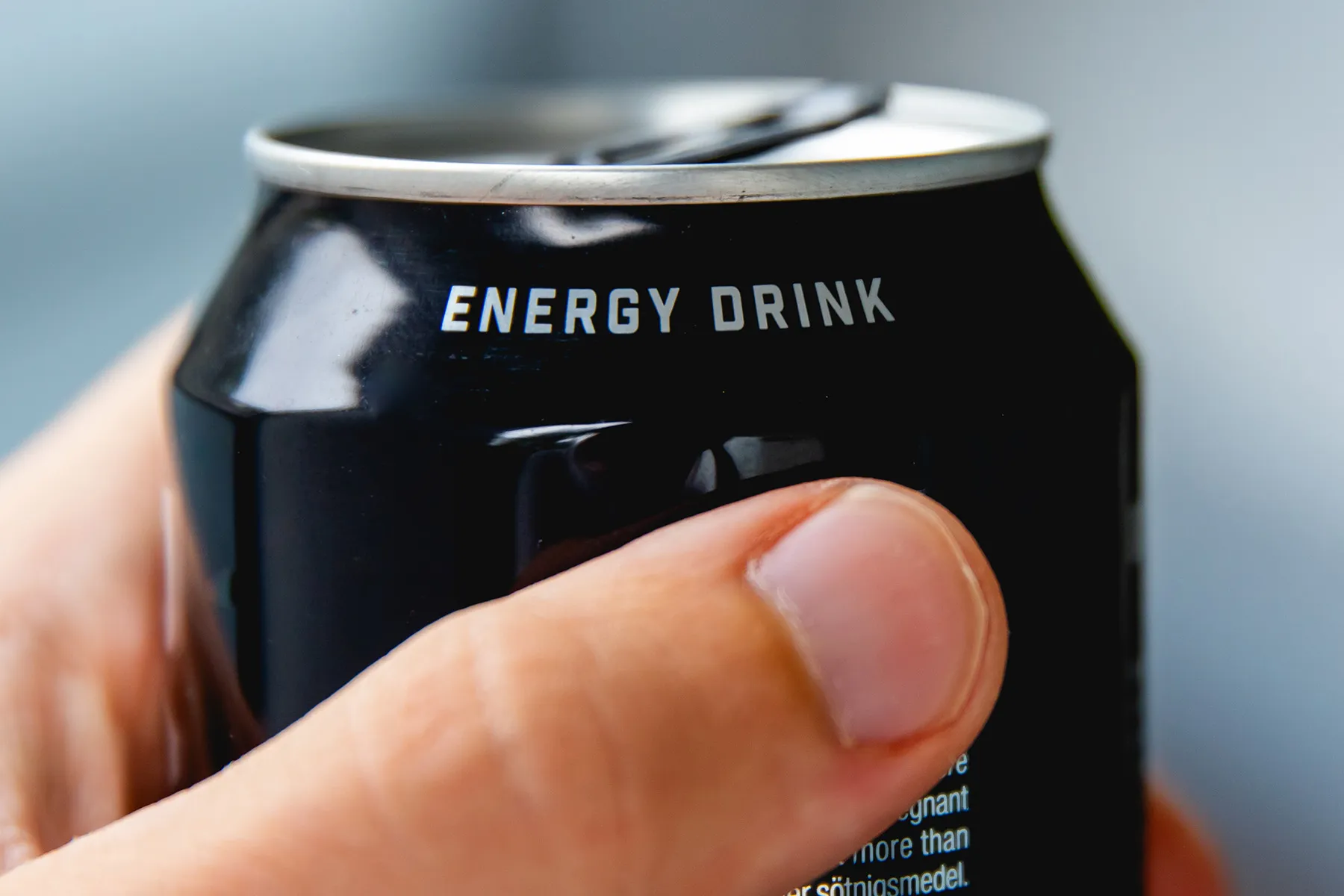
Caffeine is found in coffee, tea, energy drinks, cola, some supplements, and chocolate. Moderate caffeine intake is not automatically harmful, and many people can enjoy coffee or tea as part of a healthy lifestyle. The problem is excess. High caffeine intake may slightly reduce calcium absorption and increase calcium loss, especially when a person does not get enough calcium from food.
For many adults with osteoporosis, the practical goal is moderation. Three giant coffees before lunch, followed by cola at dinner and an energy drink “because the afternoon exists,” is not exactly a bone-care strategy. A more balanced approach is to keep caffeine reasonable and make sure calcium intake is adequate.
Drinks to Limit
- Large specialty coffees with multiple espresso shots
- Energy drinks
- Highly caffeinated teas or bottled tea drinks
- Cola and caffeinated sodas
- Pre-workout drinks with high caffeine levels
Better Choices
Try half-caf coffee, decaf coffee, herbal tea, milk, calcium-fortified plant milk, or plain water. If you love your morning coffee, you do not necessarily need to break up with it dramatically in the rain. Just avoid letting caffeine replace calcium-rich beverages or meals. Adding milk or a fortified milk alternative to coffee can also help improve the nutrition profile.
Alcohol: A Bone Builder’s Bad Roommate
Alcohol can affect bone health in several ways. Heavy drinking may interfere with calcium absorption, vitamin D metabolism, hormone balance, and the activity of bone-forming cells. It can also increase fall risk, which is especially important for people with osteoporosis because falls can lead to fractures.
Moderation matters. Occasional light drinking is different from daily heavy drinking. However, if you have osteoporosis, it is wise to discuss alcohol with your healthcare provider, especially if you take medications, have balance problems, liver disease, digestive issues, or a history of falls.
Drinks to Limit
- Beer, wine, and liquor consumed daily in large amounts
- Cocktails with multiple shots of alcohol
- Binge drinking on weekends
- Alcohol mixed with sugary sodas or energy drinks
Better Choices
Choose sparkling water with citrus, unsweetened iced tea, mocktails made with fruit and herbs, or diluted fruit juice. If you drink alcohol, keep it moderate and avoid drinking on an empty stomach. Also remember that alcohol can interact with medications and increase dizziness, so safety is not just about bones; it is about the whole human carrying those bones around.
Soda and Sugary Drinks: Sweet, Fizzy, and Not Very Helpful
Sugary drinks can be a problem for several reasons. First, they often replace more nutritious choices such as milk, fortified soy milk, or smoothies made with calcium-rich ingredients. Second, many sodas contain phosphoric acid, especially colas, which may contribute to an imbalance between phosphorus and calcium when intake patterns are poor. Third, high added sugar intake can contribute to inflammation, weight gain, insulin resistance, and poorer overall diet quality.
The evidence around carbonation itself is often misunderstood. Plain carbonated water is not the same as cola. The concern is more about sugary soda, caffeine, phosphoric acid, and displacement of nutrient-rich foods rather than bubbles alone. In other words, your sparkling water is probably not sitting in the fridge plotting against your skeleton.
Drinks to Limit
- Regular cola
- Large fountain sodas
- Sweetened bottled teas
- Sports drinks when not medically or athletically needed
- Energy drinks with sugar and caffeine
- Fruit drinks that contain little real juice and lots of added sugar
Better Choices
Drink water, sparkling water, unsweetened tea, milk, fortified plant-based milk, or smoothies made with yogurt, fruit, and leafy greens. If you crave soda, try reducing the amount gradually. Switching from two cans a day to one, then to a few per week, is still progress. Bone health is a long game, not a one-day perfection contest.
Ultra-Processed Foods: Convenient, Crunchy, and Often Nutrient-Poor
Ultra-processed foods are not automatically poisonous, but they often come with a package deal your bones do not love: high sodium, added sugar, refined starches, unhealthy fats, and low levels of calcium, vitamin D, magnesium, potassium, and protein. When these foods dominate the diet, they can crowd out the foods that help protect bone density.
Examples include packaged pastries, instant noodles, frozen fried snacks, candy, sweetened cereals, processed cheese products, fast-food meals, and many ready-to-eat packaged snacks. The issue is frequency. A cookie at a birthday party is life. Cookies for breakfast every day with soda and no protein? That is where the bones start filing a complaint.
Foods to Limit
- Packaged cakes, donuts, and pastries
- Instant noodles and salty packaged meals
- Candy and sweet snack bars
- Highly refined breakfast cereals with lots of added sugar
- Fast-food meals high in sodium and low in nutrients
- Packaged fried snacks
Better Choices
Build meals around whole or minimally processed foods. Try Greek yogurt with berries, oatmeal with milk and chia seeds, eggs with whole-grain toast, salmon with vegetables, bean soup, tofu stir-fry, or a turkey and avocado sandwich on whole-grain bread. These meals provide more of the nutrients bones need, while still tasting like food made for people with taste buds.
Too Much Added Sugar: A Dessert Problem, Not a Dessert Ban
Added sugar is not directly “stealing” calcium in the dramatic way some headlines suggest, but a high-sugar diet can still work against bone health. It may reduce diet quality, increase inflammation, contribute to metabolic problems, and replace foods that provide calcium, protein, and vitamins. People with osteoporosis do not need to avoid every sweet food, but they should limit sugary foods that become daily staples.
Foods to Limit
- Candy, cookies, cakes, and sweet rolls eaten frequently
- Sugary cereals
- Sweetened yogurts with dessert-level sugar
- Ice cream in large portions
- Syrups, sweet sauces, and dessert toppings
Better Choices
Choose fruit, yogurt with berries, chia pudding made with fortified milk, baked apples with cinnamon, or a small piece of dark chocolate. If you enjoy dessert, keep portions reasonable and pair sweet foods with nutritious meals rather than letting them replace meals. Your bones are not anti-fun; they are simply pro-minerals.
Excessive Red and Processed Meat: Keep Protein, Improve the Pattern
Protein is essential for bone health. This point deserves bold imaginary underlining because some people mistakenly think osteoporosis means eating less protein. Bones contain a protein matrix, and muscles need protein to support balance, strength, and fall prevention. The concern is not protein itself. The concern is a diet heavy in processed meats, high sodium meats, and large amounts of red meat while being low in fruits, vegetables, calcium, and vitamin D.
Processed meats often contain lots of sodium. Some high-meat eating patterns may also be low in produce and other nutrients that support bone health. Instead of cutting protein too low, focus on variety and quality.
Foods to Limit
- Bacon, sausage, pepperoni, salami, and hot dogs
- Large portions of steak or ribs eaten frequently
- Fast-food burgers with salty toppings and sauces
- Processed lunch meats high in sodium
Better Choices
Choose fish, poultry, eggs, beans, lentils, tofu, tempeh, Greek yogurt, cottage cheese, nuts, and seeds. If you eat red meat, enjoy moderate portions and pair them with vegetables, beans, or whole grains. A plate with grilled salmon, roasted vegetables, and yogurt sauce is a bone-friendly upgrade that does not taste like punishment.
High-Oxalate Foods: Do Not Panic About Spinach
Oxalates are natural compounds found in some plant foods. They can bind to calcium and reduce how much calcium your body absorbs from that particular food. Spinach is a classic example: it contains calcium, but much of that calcium is not well absorbed because spinach is high in oxalates.
This does not mean spinach, beet greens, Swiss chard, or rhubarb are “bad.” They contain useful nutrients and can be part of a healthy diet. The key is not to rely on high-oxalate foods as your main calcium source. If you need calcium, choose better-absorbed sources such as milk, yogurt, cheese, fortified plant milks, calcium-set tofu, kale, bok choy, broccoli, canned salmon with bones, or sardines with bones.
Foods to Watch
- Spinach
- Beet greens
- Swiss chard
- Rhubarb
- Some nut and cocoa products in very large amounts
Better Choices
Eat high-oxalate vegetables for their other benefits, but do not count them as your main calcium source. Mix in lower-oxalate greens such as kale, bok choy, collards, turnip greens, mustard greens, and broccoli. Your salad can still be green, cheerful, and calcium-smart.
Wheat Bran and Phytate-Rich Foods: Timing Matters
Phytates are natural compounds in foods such as wheat bran, whole grains, beans, nuts, and seeds. They can bind minerals, including calcium, and reduce absorption. But this topic needs nuance. Whole grains, beans, nuts, and seeds are generally healthy foods. They provide fiber, protein, magnesium, potassium, and other nutrients that support overall health.
The main concern is taking calcium-rich meals or calcium supplements at the exact same time as large amounts of wheat bran or high-phytate foods. For most people, preparation methods such as soaking beans, cooking legumes, fermenting dough, and eating a varied diet help reduce the impact.
Foods to Time Carefully
- Large servings of wheat bran cereal
- Bran supplements
- Very high-fiber meals eaten at the same time as calcium supplements
- Large portions of unsoaked or undercooked legumes
Better Choices
Do not eliminate beans or whole grains unless your healthcare provider tells you to. Instead, spread calcium sources throughout the day. For example, have yogurt at breakfast and bean soup at lunch, or take calcium supplements at a different time from bran cereal. Timing can be a small adjustment with a big nutritional payoff.
Crash Diets and Very Low-Calorie Eating: Bad News for Bones
One of the most overlooked things to limit with osteoporosis is extreme dieting. Very low-calorie diets, repeated crash diets, and poor protein intake can contribute to bone loss and muscle loss. That combination is risky because weaker bones plus weaker muscles can increase fracture risk.
People sometimes reduce calories aggressively to lose weight quickly, but bones need steady nutrition. If weight loss is medically recommended, it should be gradual and paired with enough protein, calcium, vitamin D, and resistance exercise. Starving your skeleton is not a wellness plan; it is a renovation project with no building materials.
Patterns to Limit
- Skipping meals often
- Very low-calorie diets without medical supervision
- Diet plans that cut out entire food groups unnecessarily
- Low-protein eating patterns
- Long-term “detox” diets or juice cleanses
Better Choices
Eat balanced meals that include protein, vegetables or fruit, healthy fats, and calcium-rich foods. If you are trying to lose weight and have osteoporosis, work with a healthcare provider or registered dietitian. The goal is to protect both bone and muscle while improving overall health.
Foods That Interfere With Medication Timing
Some osteoporosis medications have specific instructions. For example, certain bisphosphonate medications must be taken with plain water on an empty stomach, and you may need to wait before eating, drinking, or taking other supplements. Calcium supplements can also interfere with the absorption of some medications, including certain thyroid medications and antibiotics.
This does not mean those foods are harmful. It means timing matters. Coffee, juice, milk, supplements, and meals can affect how certain medications are absorbed. Always follow your prescription instructions and ask your pharmacist or clinician if you are unsure.
What to Eat Instead: A Bone-Supportive Plate
Limiting bone-unfriendly foods is only half the story. The other half is filling the space with foods that help your bones stay strong. A practical osteoporosis-friendly plate includes calcium, vitamin D, protein, and colorful plant foods.
Bone-Friendly Foods to Include Often
- Milk, yogurt, kefir, and cheese
- Calcium-fortified soy milk, almond milk, oat milk, or orange juice
- Calcium-set tofu
- Sardines or canned salmon with bones
- Kale, bok choy, collards, broccoli, and turnip greens
- Eggs, fish, poultry, beans, lentils, nuts, and seeds
- Fruits and vegetables rich in potassium, magnesium, and vitamin C
- Vitamin D sources such as fortified foods and fatty fish
A simple bone-friendly day might include oatmeal made with fortified milk, Greek yogurt with berries, a salmon salad, lentil soup, roasted vegetables, and a calcium-rich evening snack. Nothing fancy. No need to chant at a blender under the full moon.
Practical Tips for Limiting Bone-Unfriendly Foods
Read Nutrition Labels
Look for sodium, added sugars, calcium, vitamin D, and serving size. A food that looks like one serving may secretly be two or three. Labels are not glamorous, but they are useful little truth-tellers.
Use the “Swap, Don’t Suffer” Rule
Instead of simply removing foods, replace them. Swap soda for sparkling water with lime. Swap salty chips for lightly salted nuts. Swap processed deli meat for roasted chicken or hummus. Swap sugary cereal for oatmeal with fruit.
Spread Calcium Throughout the Day
The body absorbs calcium best in moderate amounts. Instead of trying to get all your calcium at dinner, include calcium-rich foods at breakfast, lunch, snacks, and dinner.
Protect Protein Intake
Do not cut protein too low. Protein supports muscles, and muscles help prevent falls. Choose lean, varied protein sources and balance them with vegetables and calcium-rich foods.
Talk to a Professional
If you have osteoporosis, kidney disease, digestive disorders, food allergies, or take medications, get personalized advice. Diet needs can vary widely, and the best plan is the one that fits your health, preferences, culture, and budget.
Personal Experiences and Real-Life Lessons About Limiting Foods With Osteoporosis
In real life, eating for osteoporosis is rarely as simple as reading a list and suddenly becoming a perfectly organized person who meal-preps salmon, kale, and lentils every Sunday while smiling peacefully. Most people make changes gradually. The first experience many people have is realizing that their “normal” diet contains more sodium, caffeine, and added sugar than expected. That discovery can feel annoying, but it is also empowering. Once you know where the bone-unfriendly habits are hiding, you can fix them without turning your whole life upside down.
For example, one common experience is the coffee routine. Many adults start the day with coffee, then pour another cup mid-morning, then grab a sweetened latte in the afternoon. Coffee itself may not be the enemy, but the pattern can become a problem when it replaces breakfast, milk, water, or calcium-rich foods. A realistic adjustment might be keeping the morning coffee, changing the second cup to half-caf, and adding Greek yogurt or fortified milk at breakfast. That feels doable. It does not require a dramatic farewell speech to the espresso machine.
Another real-life challenge is salty convenience food. People often rely on canned soup, frozen meals, deli sandwiches, and takeout because life is busy. Osteoporosis does not magically create extra hours in the day. The practical solution is to find lower-sodium convenience options rather than pretending everyone has time to cook from scratch daily. Keeping no-salt-added beans, rotisserie chicken, bagged salad, microwave brown rice, frozen vegetables, and plain yogurt on hand can make bone-friendly meals faster. A quick bowl with rice, beans, vegetables, olive oil, herbs, and yogurt sauce is often better than a high-sodium frozen dinner.
Social eating can also be tricky. Alcohol, soda, salty snacks, desserts, and processed meats often show up at gatherings. A helpful approach is to decide in advance what matters most. Maybe you skip soda but enjoy a small dessert. Maybe you have one glass of wine with dinner but drink water after that. Maybe you choose grilled chicken instead of sausage but still enjoy the party. Osteoporosis-friendly eating should not make people feel like they have been sentenced to a lifetime of chewing plain lettuce in the corner.
Many people also learn that “healthy” foods can still need smart timing. Spinach smoothies, bran cereal, beans, nuts, and whole grains can all be part of a nutritious diet, but relying on spinach as a major calcium source or taking calcium supplements with a huge bowl of bran cereal may not be ideal. This is where small adjustments help. Use kale instead of spinach sometimes. Take calcium supplements at a different time from high-fiber bran. Soak and cook beans well. Keep the healthy foods, but use them wisely.
The most encouraging experience is that taste buds adapt. When people gradually reduce sodium, foods that once seemed normal may begin to taste too salty. When sugary drinks become occasional instead of daily, fruit starts tasting sweeter. When meals include enough protein and calcium, snacking may become less chaotic. Bone-friendly eating becomes easier when it feels like adding strength rather than removing pleasure.
The biggest lesson is consistency over perfection. One salty meal will not ruin your bones. One soda will not erase your calcium intake. One holiday dessert will not cause a fracture. Osteoporosis nutrition is about the repeated pattern: what you drink most days, what you snack on most often, and whether your meals regularly provide the nutrients your bones need. Treat your bones like a long-term investment. They do not need panic. They need steady deposits.
Conclusion
When you have osteoporosis, the goal is not to fear food. The goal is to build a smarter eating pattern that supports stronger bones, better muscles, and lower fracture risk. Limit high-sodium foods, excessive caffeine, heavy alcohol intake, sugary drinks, ultra-processed foods, too much added sugar, and frequent processed meats. Be thoughtful with high-oxalate foods, wheat bran, and supplement timing. Most importantly, replace what you limit with calcium-rich, protein-rich, nutrient-dense foods that make your meals satisfying.
Osteoporosis may be silent, but your daily choices can speak up for your bones. A few practical swaps, repeated consistently, can help your skeleton get the support it deserveswithout forcing you to live on bland food and good intentions.
Note: This article is for educational purposes only and does not replace medical advice. People with osteoporosis, kidney disease, digestive conditions, or medication concerns should speak with a healthcare professional or registered dietitian for personalized guidance.