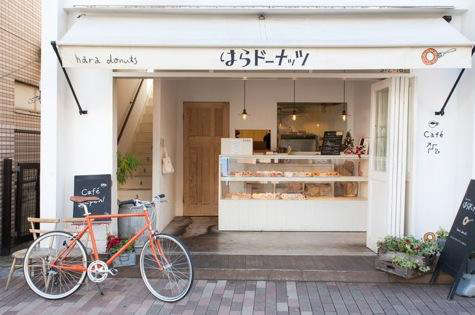
At first glance, bicycles and London Design Week might seem like an odd pairinglike showing up to a black-tie dinner wearing a helmet and reflective ankle bands. But look closer and the match makes perfect sense. A bicycle is one of the cleanest design objects ever invented: two wheels, a frame, a drivetrain, a seat, handlebars, and just enough engineering magic to make a human feel faster, freer, and slightly smug while passing traffic.
London’s major design calendar is usually discussed through furniture, lighting, interiors, craft, architecture, fashion, and public installations. Yet bicycles increasingly belong in the same conversation. During London Design Festival, often casually called London Design Week by visitors, cycling has appeared not only as transportation but also as product design, urban design, circular design, brand storytelling, and live cultural experience. The official London Design Festival positions the city as a global design capital, with its 24th edition scheduled for September 12–20, 2026.
That matters because London is not just a backdrop for designit is part of the exhibit. Streets, shopfronts, bridges, studios, galleries, and design districts become a moving showroom. And when visitors travel by bike, the city stops being a list of venues and becomes a route, a rhythm, and occasionally a test of how calmly one can handle a bus lane.
Why Bicycles Fit So Naturally into London Design Week
The bicycle is practical, beautiful, sustainable, and stubbornly democratic. It can be an affordable commuter tool, a hand-built collector’s object, a folding engineering marvel, a fashion statement, a cargo solution, or a moving sculpture. Few objects cross so many design categories without asking permission.
That is why cycling-related events at London Design Week feel less like a niche hobby and more like a clever lens for understanding modern design. A good bicycle asks the same questions as a good chair, lamp, or building: Is it useful? Is it durable? Is it elegant? Does it solve a real problem? Can it make everyday life better without shouting about itself like a neon gym shoe?
London’s cycling culture also gives the topic urgency. The City of London reported record cycling counts in October 2024, with 139,000 people cycling per day across 30 locations, up from 89,000 in 2022. That is more than a lifestyle trend; it is a shift in how the city moves, plans, breathes, and designs public space.
Rapha and the Design Ride: When Cycling Becomes a Curated Tour
One of the clearest examples of bicycles entering London Design Week culture comes from Rapha, the cycling brand known for mixing performance with visual identity, storytelling, and a certain “yes, my socks match my bar tape” confidence. Rapha has used London Design Festival as a stage for rides, exhibitions, routes, talks, and brand history.
Architectural Digest highlighted Rapha Design Rides during London Design Festival, noting that the company teamed up with creatives to offer design-focused bike tours. Visitors could join guided rides or pick up a map and complete routes independently. That simple format is powerful: instead of passively viewing design behind glass, riders physically move through it. They experience façades, streets, neighborhoods, scale, materials, and urban texture at bicycle speed.
Rapha’s 20th anniversary project, “Past Forward,” pushed the idea further. During London Design Festival 2024, Rapha returned to the Truman Brewery with an exhibition, pop-up shop, events, and group rides celebrating two decades of cycling culture and design. The Truman Brewery listing described the event as a takeover featuring an exhibition, pop-up shop, and collaborations with artists and partners.
Another Rapha event, the New Brutalism Ride, connected cycling directly to architecture. The ride celebrated 20 years of Rapha with a casual East London route curated around Brutalist buildings, welcoming all bikes and linking the physical act of riding to architectural observation. This is where cycling becomes more than transport. It becomes a design method: move slowly enough to notice, quickly enough to connect.
Brompton and Circular Design: Old Bike Parts, New Ideas
No conversation about bicycles in London design is complete without Brompton. The folding bicycle brand is practically a London design icon: compact, clever, mechanically precise, and capable of making commuters look as though they are carrying a small metal suitcase that secretly contains freedom.
For the 20th anniversary edition of London Design Festival, Brompton hosted a project at Brompton Junction Covent Garden in collaboration with London Metropolitan University. Students were asked to give new life to out-of-service Brompton parts, resulting in inventive objects ranging from games to household items.
This is circular design in a delightfully tangible form. Instead of discussing sustainability with the usual solemn conference-room vocabulary, the project showed what reuse can look like when designers are allowed to play. A handlebar becomes part of a pogo stick. A rear frame becomes a book trolley. A release mechanism becomes a bottle opener. The point is not merely that old parts can be recycled. The point is that design value can survive beyond a product’s original function.
That lesson has wider relevance. As cities push toward lower-carbon mobility, the design industry must think beyond the showroom launch. What happens after a product wears out? Can parts be repaired, reused, upgraded, displayed, or transformed? Brompton’s student collaboration answered with wit, practicality, and a wink.
Tokyobike, Longevity, and the Quiet Beauty of Useful Objects
Tokyobike London has also contributed to the cycling-and-design conversation through its Shoreditch presence. During London Design Festival, tokyobike hosted an exhibition of products recognized by Japan’s Good Design Award, including objects selected for honesty, innovation, cultural richness, ethical thinking, and long-lasting usefulness.
The connection to bicycles is subtle but meaningful. Tokyobike is built around the idea of cycling as a way to enjoy the city rather than conquer it. That attitude fits London Design Week beautifully. The best festival experience is not a frantic sprint from one installation to the next. It is closer to a relaxed city ride: observe, pause, talk, notice materials, get slightly lost, discover a side street, reward yourself with coffee, repeat.
Tokyobike’s emphasis on longevity also challenges the disposable pace of trend culture. A good bicycle does not need to scream for attention every season. It earns affection through daily use. The same is true of a kettle, a toolbox, a stool, or a well-made pannier. Design Week may be temporary, but the strongest objects on display often argue for permanence.
Shoreditch Design Triangle: Best Traveled by Bicycle
Shoreditch has become one of the most natural areas for bicycle-led design discovery. The Shoreditch Design Triangle describes itself as an area best traveled on foot or by bicycle, with more than forty participants and a program that embraces new ideas and individuality.
That phrasebest traveled by bicyclecaptures the entire spirit of the topic. A design district is not just a cluster of locations. It is a spatial experience. Cycling lets visitors connect studios, installations, showrooms, pop-ups, workshops, and cafés without turning the day into a public-transport puzzle. It also changes what people notice. On a bike, a mural, a material sample in a window, a street sign, a new seating installation, or a clever bike rack can suddenly become part of the design narrative.
Shoreditch is especially suited to this kind of movement because it mixes creative studios, retail spaces, converted industrial buildings, independent brands, and street-level culture. It is polished in some corners, scruffy in others, and rarely boring. In design terms, that means texture.
Bike Storage, Accessories, and the Domestic Design Problem
Not every bicycle-related design at London Design Week is about riding. Some of the most interesting ideas focus on the domestic problem of owning a bicycle in a city apartment. Anyone who has tried to store a bike in a narrow hallway knows the truth: urban cycling is 50 percent transportation and 50 percent interior design crisis.
Core77 previewed designer Andrew Lang’s bicycle storage work for London Design Festival, noting that his cycling passion led to an elegant bike rack for city dwellers who did not want their carefully designed homes to look like garages. The next generation of his Cycloc system allowed bikes to be stored vertically as well as horizontally.
This kind of design solves a real urban problem. A bicycle is useful outside, but inside it becomes an object that must coexist with walls, furniture, pets, roommates, and the mysterious pile of tote bags behind the door. Well-designed storage turns the bicycle from clutter into display. It respects both the object and the home.
What Bicycle Events Reveal About Modern Design
Bicycle events at London Design Week reveal several important design themes. First, mobility is no longer separate from culture. A bike is not just a way to arrive at the exhibition; it can be the exhibition, the route, the subject, and the social glue.
Second, sustainability becomes more persuasive when it is visible. Brompton’s reused parts, cycling routes between design districts, and the growing presence of bike-friendly urban planning all make low-carbon design feel practical rather than preachy. Nobody wants to be lectured by a chair. But a beautifully repurposed bike component? That can start a conversation.
Third, design is increasingly experiential. Visitors do not simply want to look at objects. They want to move through them, test them, photograph them, discuss them, and remember how they felt. A guided bicycle ride through architecture is memorable because the body participates. Your legs become part of the learning process, which is either poetic or a very good excuse for pastries afterward.
How to Plan a Bicycle-Focused London Design Week Visit
Start with a Design District Strategy
Do not try to see everything. London Design Week is too large, and your feetor tireswill file a complaint. Choose one or two design districts per day. Shoreditch is an obvious choice for bicycle culture, independent studios, retail installations, and street-level energy. Brompton and Mayfair can offer more refined interiors, galleries, and polished product launches.
Mix Exhibitions with Rides
The best bicycle-themed itinerary combines static and moving experiences. Visit a product exhibition, join or map your own architecture ride, stop at a cycling brand activation, and leave space for unexpected discoveries. A perfect day might include a morning ride through East London, a mid-day showroom visit, an afternoon talk, and an evening pop-up where everyone pretends they are not checking whether their helmet hair is visible.
Look for the Small Details
Pay attention to racks, locks, signage, lighting, repair stations, storage solutions, street furniture, and materials. Bicycle design is not only in the frame. It is in the ecosystem around the frame. The best cycling cities are designed through thousands of small decisions that make riding feel obvious, safe, and normal.
Dress for Design and Weather
London weather enjoys improvisation. Bring a light waterproof layer, comfortable shoes, and a bag that works while riding. If you are visiting showrooms, aim for practical style rather than full race kit unless the event specifically calls for it. Lycra has its place, but so does being able to enter a gallery without looking like you escaped from a time trial.
Why American Readers Should Care
For American designers, cyclists, urban planners, and culture lovers, bicycles at London Design Week offer a useful case study. Many U.S. cities are still debating how bikes should fit into streets, housing, retail, and public life. London shows that cycling can be treated not merely as transport policy but as part of design culture.
The lesson is not that every city should copy London exactly. The lesson is that bicycles deserve better design attention. Bike lanes, parking, storage, apparel, lighting, wayfinding, rental systems, public events, and neighborhood routes all shape whether cycling feels like a fringe activity or a normal part of urban life.
Design Week helps make that argument in a friendlier language. Instead of starting with conflictcars versus bikes, drivers versus cyclistsit starts with curiosity. What makes a city easier to move through? What makes an object last? How can old parts become new products? How can a route tell a story? Those questions are useful from London to Los Angeles, from Brooklyn to Boston, and from Portland to any suburb with one brave bike lane and a dream.
Experience Section: A Day with Bicycles at London Design Week
Imagine beginning the day in Shoreditch, where the morning air is still cool and the shop shutters are lifting like stage curtains. Your bicycle is not just transport; it is your ticket to a different version of the city. You roll past brick warehouses, design studios, coffee counters, window displays, and people carrying tote bags with the seriousness of museum curators. Somewhere nearby, a showroom is preparing a lighting installation. Around the corner, a pop-up is explaining circular materials. Your chain makes a soft mechanical whisper, which is more elegant than it sounds unless it needs oil.
The first stop is a cycling-related installation. Maybe it is a brand exhibition tracing the evolution of performance apparel. Maybe it is a product display showing how old bicycle parts can become furniture, games, tools, or sculptural objects. The best part is watching visitors recognize familiar components in unfamiliar roles. A pedal is no longer just a pedal. A handlebar is no longer only a handlebar. Suddenly, everyone becomes a little more imaginativeand slightly more likely to keep broken objects in a drawer “for a future project.”
Next comes the ride itself. Instead of rushing underground, you follow a route through streets where architecture changes every few blocks. Glass, brick, concrete, steel, painted signs, narrow lanes, and sudden public squares create a moving lesson in urban design. A guided ride adds another layer because someone points out what most people miss: the angle of a façade, the history of a housing block, the reason a street feels welcoming, or the way a building meets the pavement. You realize that cycling is an ideal speed for design observation. Walking is intimate but slow. Driving is fast but sealed off. Cycling sits in the sweet spot.
By lunch, the bicycle has become a conversation starter. Someone asks what you are riding. Someone else recommends a nearby studio. A stranger compliments your bell, which is either charming or deeply London Design Week. You lock up near a café and notice how much design hides in ordinary cycling rituals: the rack placement, the lock shape, the bag clip, the rain cover, the reflective trim, the folded helmet tucked under an arm.
In the afternoon, the experience becomes more reflective. The bicycle turns London Design Week from an event into a network. Each venue feels connected by your own movement rather than by a printed schedule. The city becomes less intimidating and more legible. You understand why cycling belongs in design discussions: it changes how people use space. It affects what they notice, where they stop, how they shop, how they meet, and how they remember a neighborhood.
By the end of the day, your legs may be tired, your phone battery may be wobbling, and your map may contain a few questionable decisions. But the experience stays with you. Bicycles at London Design Week are not a gimmick. They are a reminder that design is most powerful when it movesthrough streets, through materials, through culture, and through everyday life. Also, yes, through traffic, preferably with lights on.
Conclusion
Bicycles at London Design Week show how one simple machine can connect product design, urban planning, sustainability, architecture, fashion, and public experience. From Rapha’s curated rides and exhibitions to Brompton’s circular-design experiments, from tokyobike’s celebration of long-lasting objects to Shoreditch’s bike-friendly creative routes, cycling has earned its place in the design conversation.
The bicycle is no longer just parked outside the gallery. It is inside the story. It helps visitors move between ideas, neighborhoods, and design disciplines. It also proves that the best design is not always the loudest object in the room. Sometimes it is the one quietly leaning against the wall, ready to take you somewhere better.
Note: This article is based on publicly available information from official festival pages, cycling brand event listings, design media coverage, venue announcements, and London cycling data. It has been fully rewritten and synthesized for original web publication.