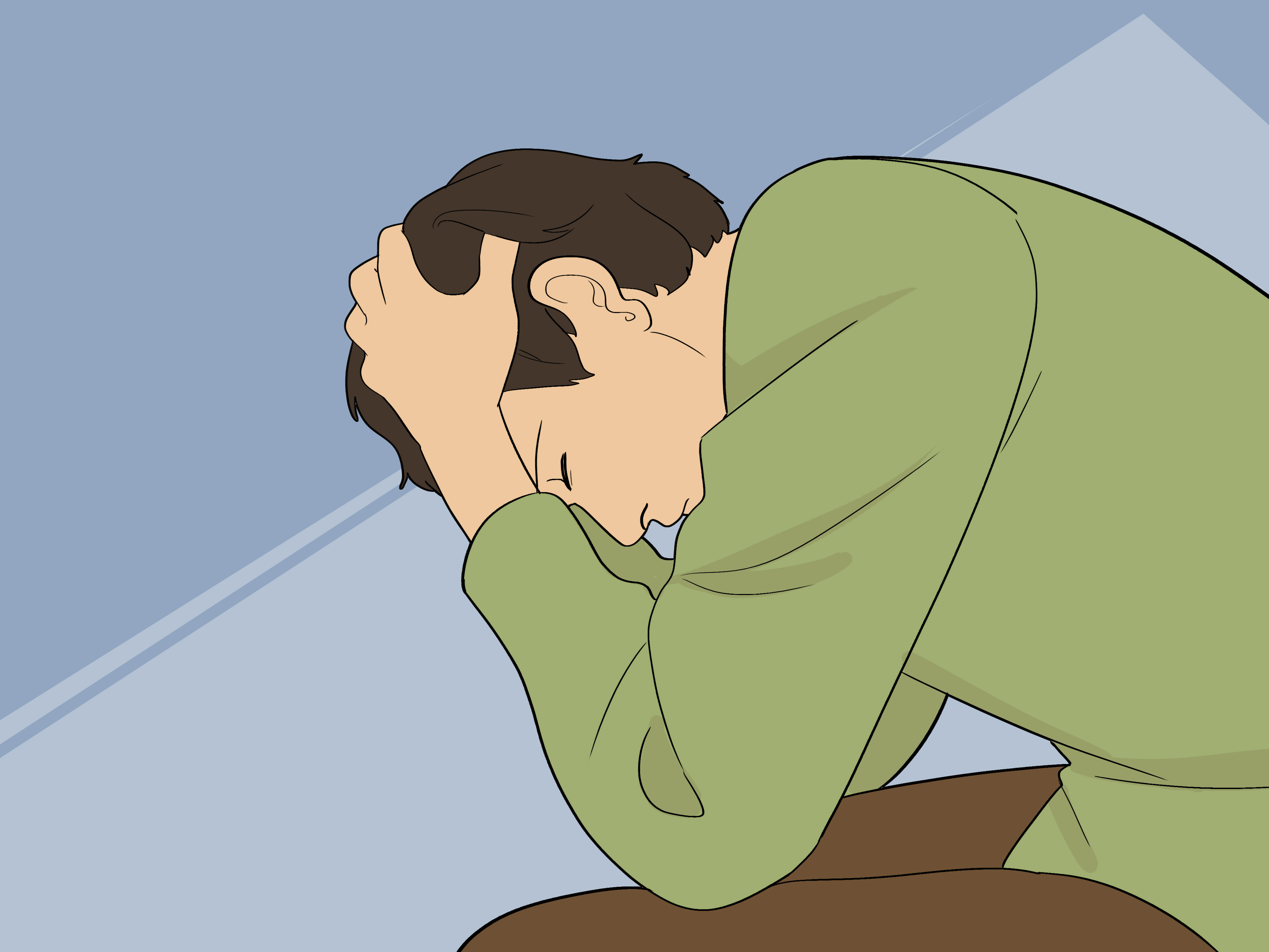
Some people tear up during insurance hold music. Others can survive a family group chat, a passive-aggressive email, and a delayed text reply without breaking a sweat. If you’ve ever wondered whether your emotions run a little “surround sound” compared to everyone else’s standard stereo, this article is for you.
An emotional hypersensitivity quiz can be a useful starting point for self-reflection. It can help you notice patterns like intense reactions, overstimulation, rejection sensitivity, and emotional overwhelm. What it can’t do is diagnose a mental health condition. That part belongs to a qualified professional, not a list of questions on the internet wearing a fake mustache and pretending to be your therapist.
Still, a thoughtful quiz can help you figure out whether you’re dealing with normal sensitivity, chronic emotional overload, or something that deserves more support. Below, you’ll find a practical quiz, a scoring guide, common causes, helpful coping tools, and a long section on real-life experiences so this topic feels less clinical and more human.
What Does Emotional Hypersensitivity Mean?
Emotional hypersensitivity usually refers to reacting more strongly, more quickly, or for a longer time than expected in response to emotional situations. That might look like feeling deeply wounded by mild criticism, becoming overwhelmed in conflict, replaying awkward moments for hours, or absorbing other people’s moods like you’re an emotional sponge with Wi-Fi.
For some people, this sensitivity is closely tied to temperament. They may be naturally more emotionally aware, more empathetic, and more affected by noise, tension, conflict, or social cues. In research, this can overlap with ideas such as sensory processing sensitivity or being a “highly sensitive person.” That does not automatically mean something is wrong.
For others, heightened emotional reactions may be linked to stress, anxiety, trauma, ADHD-related rejection sensitivity, depression, mood issues, or broader problems with emotion regulation. In those cases, the goal is not to label yourself as “too much.” The goal is to understand what your nervous system is doing and what kind of support helps it settle down.
Why Take an Emotional Hypersensitivity Quiz?
A quiz like this can help you do three useful things:
1. Spot patterns
You may realize your reactions aren’t random. Maybe criticism hits hard, crowded spaces drain you, or relationship uncertainty sends your brain into a dramatic reenactment of every breakup scene ever filmed.
2. Separate sensitivity from dysfunction
Being emotionally sensitive is not automatically a problem. It becomes a bigger concern when it interferes with work, school, sleep, relationships, decision-making, or your sense of safety.
3. Decide what support you need
If your score is high and your daily life feels harder because of it, that may be a sign to build coping strategies or speak with a licensed mental health professional.
Emotional Hypersensitivity Quiz
Instructions: For each statement, choose the answer that best fits how you’ve felt over the past month.
- 0 = Never
- 1 = Rarely
- 2 = Sometimes
- 3 = Often
- I feel emotionally hurt for a long time after criticism, even when it was mild.
- I overthink conversations and replay them in my head.
- I get overwhelmed easily when people around me are angry, tense, or upset.
- Small signs of rejection, distance, or disapproval affect me more than they seem to affect other people.
- I cry easily, tear up often, or feel emotions rise very quickly.
- When I’m stressed, my reactions feel bigger than I want them to be.
- Conflict makes me feel shaken, drained, or emotionally flooded.
- I absorb other people’s moods and have trouble separating their feelings from my own.
- Loud environments, chaos, or too much stimulation make me emotionally frayed.
- I feel embarrassed, guilty, or ashamed for longer than seems reasonable after making a mistake.
- I notice emotional tone, facial expressions, or changes in mood very quickly.
- I can go from calm to intensely upset in a short amount of time.
- I need more downtime than other people after social interaction or emotional stress.
- I feel deeply affected by sad news stories, movies, or other people’s pain.
- When someone doesn’t text back, seems annoyed, or acts distant, I tend to assume the worst.
- I struggle to calm myself once I’m emotionally activated.
- My emotions sometimes interfere with sleep, focus, or daily responsibilities.
- I feel “too sensitive” and then judge myself for it.
Quiz Scoring
Add up your points for all 18 questions.
- 0–12: Mild emotional sensitivity. You likely have ordinary emotional reactions with occasional overwhelm.
- 13–24: Moderate sensitivity. You may be more emotionally aware or reactive than average, especially under stress.
- 25–38: High sensitivity. Emotional triggers, overstimulation, or rejection may affect you significantly.
- 39–54: Very high sensitivity. Your emotions may be intense, persistent, and disruptive enough to benefit from structured support.
Important: A high score does not diagnose anxiety, ADHD, trauma-related conditions, borderline personality disorder, depression, or any other mental health disorder. It simply suggests that your emotional system may be working overtime.
What Your Score May Be Telling You
Mild Score
If you scored low, you probably feel emotions normally without getting pulled under by them. You may still have triggers, but they don’t dominate your week or hijack your peace.
Moderate Score
This range often fits people who are emotionally perceptive, empathetic, or naturally sensitive. You may function well most of the time but struggle during stress, sleep deprivation, conflict, or major life changes.
High or Very High Score
If your score landed higher, it may mean your emotional responses are strong enough to interfere with your well-being. You might feel flooded during arguments, devastated by criticism, or exhausted from constantly monitoring other people’s moods. In this range, it is worth asking whether your sensitivity is a personality trait, a stress response, or part of a bigger mental health picture.
Common Signs of Emotional Hypersensitivity
People who relate strongly to an emotional hypersensitivity quiz often recognize several of these patterns:
- Taking feedback very personally
- Feeling emotionally bruised by small slights
- Struggling to “let things go”
- Getting overwhelmed by crowded or tense environments
- Reading deeply into tone, body language, and silence
- Feeling exhausted after conflict or emotional labor
- Needing extra recovery time after stress
- Being very empathetic, intuitive, or affected by others’ pain
Some of these traits can be strengths. Deep empathy, strong intuition, creativity, compassion, and emotional awareness are not flaws. The problem begins when those strengths come bundled with suffering, self-criticism, or poor emotional control.
What Can Cause Emotional Hypersensitivity?
There is no single cause. In many cases, it’s a mix of temperament, biology, environment, and stress history.
Temperament and personality
Some people are naturally more sensitive to emotional and sensory input. They may process experiences more deeply, need more downtime, and react strongly to both positive and negative events.
Stress and burnout
When your stress load is high, your emotional tolerance gets lower. Suddenly, the email that would normally be mildly annoying feels like a personal attack written by a villain in a business-casual cardigan.
Anxiety
Anxiety can amplify emotional reactivity. You may feel on edge, expect bad outcomes, and interpret uncertainty as danger. That can make small problems feel enormous.
Trauma or chronic emotional stress
Trauma can leave the nervous system on high alert. When that happens, emotions may feel sharper, faster, and harder to control. You may become hyperaware of conflict, rejection, tension, or sudden change.
ADHD and rejection sensitivity
Some people with ADHD experience intense emotional pain related to criticism, failure, or feeling rejected. Even when others think a situation is minor, it can feel huge inside.
Mood disorders or personality-related emotion dysregulation
In some cases, chronic emotional instability can be linked to broader mental health conditions. This does not mean everyone who is sensitive has a disorder. It simply means that persistent, disruptive emotional highs and lows deserve attention rather than shame.
Sleep, caffeine, and sensory overload
Yes, your emotional range may partly be powered by poor sleep, stress, too much caffeine, overstimulation, and trying to function like a cheerful adult after three hours of rest and one questionable protein bar.
How to Cope if You Score High
If this emotional hypersensitivity quiz sounded suspiciously like your diary, there are practical ways to feel better.
Name the feeling accurately
Instead of saying “I’m losing it,” try naming the actual emotion: hurt, shame, fear, disappointment, embarrassment, anger, grief, jealousy, or overwhelm. Specific language can reduce emotional chaos.
Pause before reacting
A short pause can interrupt the chain between feeling and action. Step away, breathe, drink water, walk around the block, or delay the text you absolutely do not need to send while emotionally on fire.
Track your triggers
Keep notes on what tends to set you off: criticism, noise, uncertainty, hunger, being ignored, multitasking, family conflict, social media, or certain work situations. Patterns are easier to manage once you see them clearly.
Improve your emotional recovery habits
Supportive routines matter more than dramatic breakthroughs. Sleep, regular meals, exercise, hydration, less caffeine, quiet time, and reduced overstimulation can make a real difference.
Use grounding skills
Try deep breathing, body scans, journaling, mindfulness, progressive muscle relaxation, or focusing on five things you can see, four you can touch, three you can hear, two you can smell, and one you can taste.
Challenge mind reading
Emotionally sensitive people often fill in blanks with worst-case assumptions. “They hate me” is usually a dramatic screenplay, not hard evidence. Ask what you know for sure, what you’re assuming, and what else might be true.
Consider therapy
Therapies such as CBT and DBT can help with intense emotions, negative thought patterns, distress tolerance, and self-regulation. Therapy is not a sign you are broken. It is more like hiring a guide when your emotional GPS keeps shouting “recalculating.”
When to Seek Professional Help
You do not need to wait until life becomes a flaming dumpster of overwhelm. Reach out for support if:
- Your emotions regularly interfere with work, school, relationships, or sleep
- You feel constantly overwhelmed or emotionally exhausted
- You avoid normal situations because they feel too intense
- Your reactions feel sudden, extreme, or increasingly hard to manage
- You are dealing with panic, trauma symptoms, depression, or severe anxiety
- You have thoughts of self-harm or feel unsafe
If you are in immediate crisis or thinking about hurting yourself, contact emergency services or the 988 Suicide & Crisis Lifeline right away.
Emotional Hypersensitivity vs. Being “Too Sensitive”
Let’s retire the phrase too sensitive for a moment. It usually shuts down curiosity and replaces it with shame. A better question is: What is this reaction trying to tell me?
Maybe you need better boundaries. Maybe you’re burned out. Maybe old wounds are getting activated. Maybe you truly are a deeply feeling person living in a noisy, rushed, criticism-heavy world. Maybe it’s all of the above.
The point is not to harden yourself into a brick. The point is to become steady. Emotional sensitivity can be one of your greatest strengths when it is paired with self-understanding, boundaries, and regulation skills.
Real-Life Experiences Related to the Emotional Hypersensitivity Quiz
Here’s what emotional hypersensitivity often feels like in ordinary life, which is part of why so many people search for an emotional hypersensitivity quiz in the first place. It doesn’t always show up as dramatic outbursts. Sometimes it shows up quietly, in the tiny moments that pile up all week.
At work, it might look like receiving simple feedback from a manager and instantly feeling ashamed, defensive, or crushed. The comment may be small: “Can you revise this section?” Objectively, that is not a medieval insult. But inside, your brain hears, “You are a fraud, your ancestors are disappointed, and everyone in this office knows it.” Then the rest of the day becomes a struggle to focus because your emotional energy is now busy staging a full internal trial.
In relationships, emotional hypersensitivity can make uncertainty feel unbearable. A delayed text, a shorter reply, or a distracted tone can trigger a spiral. You may know, logically, that your partner is probably just busy, tired, or dealing with their own day. But emotionally, it can feel like distance, rejection, or danger. That gap between what you know and what you feel is one of the most frustrating parts of being highly reactive.
Friendships can be tricky too. Maybe your friends cancel plans and you tell them, “No worries!” while your inner world quietly throws a parade for abandonment issues. Or maybe you notice tiny shifts in mood before anyone else does. You pick up tension, sarcasm, irritation, or disappointment in seconds. That awareness can make you thoughtful and caring, but it can also make social situations exhausting.
Family dynamics often turn the volume even higher. Old patterns, old expectations, and old wounds have a way of making people feel 14 years old again, even if they are fully grown and paying taxes. A single critical comment from a parent or sibling can land much harder than it would coming from anyone else. Emotional hypersensitivity often has history attached to it, not just personality.
It can also show up physically. After a tense conversation, your shoulders may tighten, your stomach may drop, or your sleep may disappear for the night like it had better plans. Some people experience emotional overload almost like a body event: racing heart, tears close to the surface, inability to think clearly, and a powerful need to escape, hide, or shut down.
But there is another side to these experiences. People who score high on an emotional hypersensitivity quiz are often deeply empathetic. They notice beauty. They care fiercely. They are moved by art, kindness, and human connection. They may be the friend who senses something is wrong before anyone says a word. They may be the person who remembers what others feel, not just what they say.
That is why the goal is not emotional numbness. It is emotional balance. Many people discover that once they understand their triggers, improve sleep, reduce overstimulation, set boundaries, and learn regulation tools, they stop feeling ruled by every emotion that walks through the door. The feelings still come, but they no longer get to redecorate the whole house.
If this section felt painfully familiar, take that as information, not an insult. You are not weak because things hit you deeply. You may simply need a better toolkit, a calmer environment, and more compassion for the way your mind and body process the world.
Final Thoughts
This emotional hypersensitivity quiz is not a verdict. It is a mirror. It helps you notice whether your emotional responses are mild, moderate, or strong enough to deserve more attention.
If you scored low, great. If you scored high, that does not mean you are broken, dramatic, or doomed to cry over emails forever. It means your emotional system may be highly responsive, and that responsiveness deserves understanding. With the right tools, support, and self-awareness, emotional sensitivity can become something you work with, not something that constantly works against you.