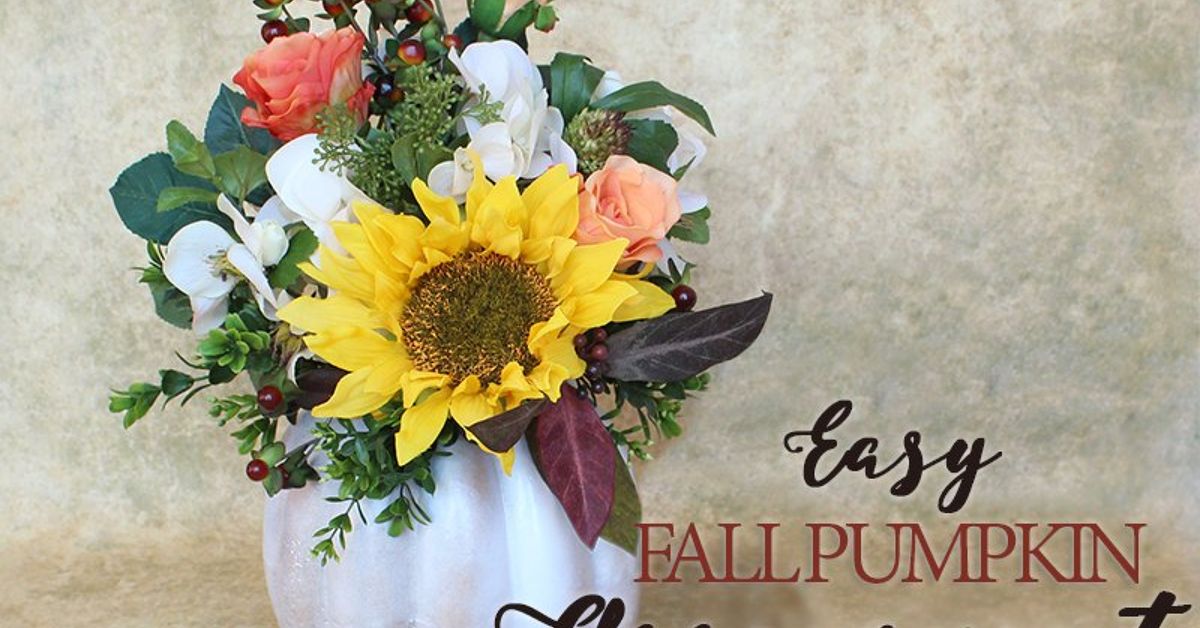
Fall decorating has a magical way of making a home feel as if it suddenly learned how to bake cinnamon rolls, wear flannel, and welcome guests with a wink. And the easiest way to bring that cozy autumn mood into your home is with an easy fall pumpkin arrangement. No complicated floral training, no warehouse-sized craft closet, and no mysterious design degree required. Just pumpkins, a few seasonal accents, and a little confidence.
Pumpkins are the unofficial ambassadors of fall decor. They work on a dining table, front porch, mantel, coffee table, kitchen island, entryway bench, or even a tiny apartment balcony. They can look rustic, modern, farmhouse, elegant, spooky, neutral, colorful, or wonderfully “I made this while drinking cider and pretending I live in a Nancy Meyers movie.” The best part? A pumpkin arrangement can be affordable, quick, and surprisingly stylish when you understand a few simple design principles.
This guide explains how to create beautiful fall pumpkin displays using real pumpkins, faux pumpkins, flowers, dried grasses, candles, trays, baskets, greenery, and everyday household pieces. You will learn how to choose the right pumpkins, build balance and height, add texture, keep your arrangement fresh, and adapt the look for different spaces. Whether you are decorating for Thanksgiving, Halloween, a fall dinner party, or simply because your living room deserves seasonal drama, this easy fall pumpkin arrangement guide will help you create a display that looks intentional, warm, and not like the pumpkin patch exploded indoors.
Why Pumpkin Arrangements Work So Well for Fall Decor
A fall pumpkin arrangement works because it combines shape, color, texture, and seasonality in one simple design. Pumpkins naturally have visual weight, which means they anchor a display without needing much help. Their round forms soften hard surfaces like dining tables, console tables, porch steps, and fireplace mantels. Their colors also blend beautifully with classic autumn shades: burnt orange, cream, sage green, burgundy, golden yellow, chocolate brown, copper, and soft beige.
Another reason pumpkins are so useful is variety. You can choose large Cinderella pumpkins for drama, tiny mini pumpkins for fillers, white pumpkins for elegance, blue-gray heirloom pumpkins for a modern look, and bumpy gourds for character. Yes, even the weird warty ones deserve love. In fact, unusual pumpkins often make an arrangement feel more natural and collected.
Unlike many seasonal decorations, pumpkins can be used indoors and outdoors. They pair well with mums, pansies, ornamental kale, eucalyptus, dried wheat, leaves, branches, lanterns, wood trays, ceramic bowls, and woven baskets. One pumpkin on a table is cute. Three pumpkins with leaves and candles become a centerpiece. A dozen pumpkins staggered beside mums on porch steps become curb appeal. Pumpkins are basically the overachievers of autumn decor.
Start With a Simple Design Plan
Before buying every pumpkin in sight, decide where the arrangement will go. A dining table centerpiece has different needs than a porch display. A mantel arrangement needs horizontal flow. A coffee table arrangement should be low enough to see over and compact enough to leave room for actual life, such as remote controls, mugs, and the snack plate no one admits is theirs.
Choose Your Location
For a dining table, keep the arrangement low and narrow so guests can talk across the table without playing peekaboo through dried wheat stems. For a porch, go bigger and use height because outdoor spaces can handle more volume. For a mantel, create a long, layered arrangement with pumpkins of different sizes. For an entryway table, use a tray or basket to keep the display contained and polished.
Pick a Color Palette
A strong color palette instantly makes an easy fall pumpkin arrangement look more expensive. You do not need to use every fall color at once. In fact, restraint often looks better. Try one of these palettes:
- Classic harvest: orange pumpkins, yellow mums, red leaves, brown baskets, and copper accents.
- Neutral farmhouse: white pumpkins, beige grasses, eucalyptus, wood, linen, and cream candles.
- Modern moody: blue-gray pumpkins, burgundy florals, dark greenery, black lanterns, and brass details.
- Soft romantic: blush pumpkins, dried hydrangeas, ivory flowers, pale green leaves, and gold accents.
- Halloween-lite: black and white pumpkins, mini gourds, smoky glass candles, and a few playful bats or spiders.
The goal is not perfection. The goal is coordination. Think of your pumpkins like guests at a dinner party. They do not all need to match, but they should look like they were invited to the same event.
Materials You Need for an Easy Fall Pumpkin Arrangement
You can make a beautiful arrangement with just a few supplies. Start with what you already own, then add seasonal pieces only where needed. A tray, bowl, basket, cake stand, cutting board, wooden crate, or large platter can serve as the foundation. From there, layer in pumpkins and accents.
Basic Supply List
- Three to seven pumpkins in different sizes
- A tray, basket, shallow bowl, urn, or wooden board
- Fresh or faux fall leaves
- Dried wheat, pampas grass, eucalyptus, or branches
- Mini gourds or small squash
- LED candles, votives, or lanterns
- Optional flowers such as mums, dahlias, zinnias, marigolds, or sunflowers
- Floral foam, moss, or a small vase if using fresh flowers
If you want a no-maintenance display, use faux pumpkins, dried florals, preserved moss, and battery-powered candles. If you love the charm of real pumpkins, choose firm pumpkins without soft spots, deep cuts, or broken stems. The stem is not just a handle; it is part of the pumpkin’s protective structure. Treat it gently, even if it looks like nature’s convenient little carry loop.
How to Make a Simple Pumpkin Centerpiece
This easy fall pumpkin arrangement is perfect for a dining table, coffee table, buffet, or kitchen island. It takes about 15 to 25 minutes and can be adjusted for any home style.
Step 1: Create a Base
Place a long wooden tray, shallow basket, ceramic platter, or folded table runner where you want the centerpiece. A base makes the arrangement look intentional and prevents small pumpkins from wandering around the table like unsupervised toddlers.
Step 2: Add the Largest Pumpkin First
Choose one medium pumpkin as your anchor. Place it slightly off-center rather than directly in the middle. Off-center placement creates a more natural, designer-style look. For a long table, you can use two medium pumpkins spaced apart.
Step 3: Layer Smaller Pumpkins Around It
Add mini pumpkins and gourds around the anchor pumpkin. Use odd numbers when possible, such as three, five, or seven pieces. Odd numbers tend to feel more organic and visually interesting. Mix shapes: one tall gourd, one squat pumpkin, one tiny white pumpkin, and one bumpy squash can make the display feel collected rather than overly matched.
Step 4: Tuck in Greenery and Texture
Add eucalyptus, dried leaves, wheat stems, moss, or faux garland around the pumpkins. This step softens the gaps and makes the arrangement feel full. Do not overthink it. Tuck, step back, adjust, and repeat. This is decorating, not defusing a bomb.
Step 5: Add Warm Light
Finish with LED candles, votives, or small lanterns. Warm light makes pumpkin decor feel cozy, especially in the evening. Use flameless candles if the arrangement includes dried leaves, moss, paper, fabric, or curious pets. Real flames and dry fall decor are not best friends.
How to Make a Pumpkin Flower Arrangement
A pumpkin flower arrangement is one of the prettiest ways to elevate fall decor. It turns a pumpkin into a seasonal vase and works beautifully for Thanksgiving, fall weddings, dinner parties, or entryway displays.
Option 1: Hollowed Pumpkin Vase
Choose a medium pumpkin with a flat bottom. Cut an opening at the top and scoop out the seeds and pulp. Place a jar, cup, or small vase inside the pumpkin instead of filling the pumpkin directly with water. This keeps the arrangement cleaner and helps protect the pumpkin from moisture. Add water to the inner container, then arrange fall flowers such as mums, dahlias, zinnias, roses, marigolds, sunflowers, or carnations.
For greenery, use eucalyptus, rosemary, sage, magnolia leaves, or olive branches. For extra fall texture, add dried wheat, bunny tails, seed pods, or small branches. Keep the flowers low and rounded for a table centerpiece. For an entryway or sideboard, you can go taller and more dramatic.
Option 2: No-Carve Pumpkin Floral Topper
If you want less mess, place floral foam or a small floral cage on top of a flat pumpkin. Cover the mechanics with moss, then insert flowers and greenery into the foam. This creates the look of a pumpkin bouquet without cutting into the pumpkin. It is especially useful for heirloom pumpkins that are too beautiful to carve.
Option 3: Succulent Pumpkin Arrangement
A succulent pumpkin arrangement is long-lasting and stylish. Use a flat-topped pumpkin, add moss to the top, then attach succulent cuttings in a mound shape. Start with larger rosettes in the center, then fill around them with smaller cuttings and trailing pieces. Mist lightly as needed and keep the arrangement out of harsh sun, heavy rain, and extreme heat. When the pumpkin starts to soften, transfer the succulents into soil so they can keep living their tiny glamorous lives.
Easy Fall Pumpkin Arrangement Ideas by Space
Front Porch Pumpkin Arrangement
For a porch, scale matters. A single mini pumpkin on a big porch can look lonely, like it missed the harvest festival bus. Use larger pumpkins as anchors, then fill in with medium pumpkins, mums, lanterns, baskets, and planters. Arrange pumpkins in clusters instead of straight lines for a more natural look. If decorating steps, vary the size and placement on each step so the display feels relaxed.
Try this formula: two large pumpkins, three medium pumpkins, five mini pumpkins, two pots of mums, one lantern, and one basket tipped gently on its side with gourds spilling out. It looks abundant without requiring a wagon full of produce.
Mantel Pumpkin Arrangement
For a mantel, create movement from one side to the other. Start with a garland of faux leaves, eucalyptus, or dried stems. Add pumpkins in different sizes, placing taller items near one side or near the center. Layer candles or brass candlesticks between pumpkins. Let a few stems trail slightly over the edge for softness.
If your mantel is narrow, use lightweight faux pumpkins or small gourds. White pumpkins and brass candlesticks create an elegant look. Orange pumpkins with plaid ribbon feel traditional. Black pumpkins mixed with dried grasses can lean Halloween without turning your living room into a haunted gift shop.
Dining Table Pumpkin Arrangement
A dining table arrangement should be attractive but practical. Keep it low, especially if people will sit across from each other. A long runner with mini pumpkins, candles, and greenery is often better than one tall arrangement in the center. Add small pumpkins at each place setting if you want an easy decorative touch. You can even write names on tags and tie them around pumpkin stems for simple fall place cards.
Coffee Table Pumpkin Arrangement
Use a tray to keep your coffee table arrangement tidy. Add one small pumpkin, a candle, a short vase of dried flowers, and a small stack of books. This creates a cozy seasonal vignette without taking over the whole table. The tray also makes it easy to move everything when you need space for snacks, board games, or the emergency pizza box.
Kitchen Island Pumpkin Arrangement
For the kitchen, keep the arrangement food-friendly and easy to clean. A wooden bowl filled with mini pumpkins, pears, apples, and eucalyptus makes a relaxed centerpiece. A cake stand with a pumpkin, a few leaves, and a candle adds height without clutter. Avoid loose glitter or shedding materials near food prep areas unless you enjoy finding sparkle in your sandwich.
Design Rules That Make Pumpkin Arrangements Look Professional
Use Different Heights
Height variation keeps the eye moving. Use cake stands, stacked books, overturned bowls, small crates, or tall candlesticks to lift some pieces. Outdoors, use planters, hay bales, urns, or steps. A display with everything at the same height can look flat, even if the individual pieces are beautiful.
Mix Real and Faux Pieces
Real pumpkins bring natural charm, while faux pumpkins offer longevity. Mixing both can save money and reduce waste. Use real pumpkins where people will see them up close, such as tables and entryways. Use faux pumpkins in hard-to-reach spots, long-term displays, or areas with strong sunlight and rain exposure.
Repeat Colors and Textures
Repetition makes an arrangement feel cohesive. If you use white pumpkins on the porch, repeat white in a planter, ribbon, or wreath. If you use copper lanterns, repeat warm metallic tones in candleholders or a tray. Repeating materials tells the eye, “Yes, this was on purpose.”
Leave Breathing Room
More is not always better. A pumpkin arrangement should feel full, not crowded. Leave a little negative space so each piece can be noticed. Think cozy harvest table, not pumpkin traffic jam.
How to Keep Pumpkin Arrangements Fresh Longer
Real pumpkins last longer when handled carefully. Choose pumpkins with firm skin and no soft spots. Keep them out of standing water, intense heat, and direct harsh sunlight when possible. For outdoor arrangements, place pumpkins where they are protected from heavy rain. Moisture and warmth encourage decay, and nobody wants a porch display that turns into pumpkin soup before Halloween.
Do not carry pumpkins by the stem, because a broken stem can invite rot. If you carve or hollow a pumpkin, expect it to have a shorter display life than an uncut pumpkin. For arrangements that need to last for weeks, use whole pumpkins, painted pumpkins, faux pumpkins, or no-carve designs. If a pumpkin starts to soften, leak, smell, or collapse, remove it quickly. One rotten pumpkin can affect nearby pieces and, frankly, ruin the whole autumn fantasy.
Budget-Friendly Pumpkin Arrangement Tips
You do not need to spend a fortune to make a beautiful easy fall pumpkin arrangement. Shop your home first. A mixing bowl, breadboard, cake stand, basket, scarf, or old wooden tray can become part of the display. Forage safely from your yard for branches, acorns, pinecones, or colorful leaves. Use grocery store pumpkins and add one or two specialty heirloom pumpkins for style.
Mini pumpkins are affordable and versatile. They can fill bowls, line a table runner, decorate shelves, or sit at place settings. Faux leaves and dried grasses can be reused year after year. Battery-operated candles are also worth buying because they add warmth without fire risk.
If you are decorating multiple areas, create one major focal point and keep the rest simple. For example, make a generous porch arrangement, then use smaller pumpkin accents on the mantel and dining table. This keeps your home cohesive without making every room look like it is competing for “Best Supporting Gourd.”
Common Mistakes to Avoid
The first mistake is using pumpkins that are all the same size. Variety is what makes an arrangement interesting. The second mistake is ignoring scale. A tiny arrangement can disappear on a large porch, while a massive arrangement can overwhelm a small coffee table. The third mistake is mixing too many themes. Farmhouse, glam, spooky, rustic, and minimalist can all be beautiful, but not necessarily in one bowl.
Another common issue is using too many bright orange pumpkins without balancing them. Orange is cheerful, but it can dominate a space. Add white, green, tan, or blue-gray pumpkins to soften the look. Natural textures such as wood, moss, wicker, and dried grasses also help tone down strong color.
Finally, do not forget function. A centerpiece should not block conversation. A porch display should not create a tripping hazard. A mantel arrangement should not sit too close to open flames. Good design is beautiful, but it also behaves itself.
Personal Experience: What I Learned From Making Easy Fall Pumpkin Arrangements
The first time I tried to make a fall pumpkin arrangement, I assumed the pumpkins would do most of the work. I placed three orange pumpkins on a table, added one candle, and stepped back expecting instant magazine magic. Instead, it looked like three pumpkins were waiting for a meeting to start. There was nothing technically wrong with it, but it lacked layers, softness, and personality.
The breakthrough came when I started treating pumpkin arrangements like little landscapes. A good display needs a foreground, middle ground, and background. On a dining table, that might mean small pumpkins in front, one larger pumpkin in the middle, and wispy eucalyptus or wheat behind it. On a porch, it might mean large pumpkins at the base, mums behind them, lanterns to one side, and smaller gourds tucked into gaps. Once I understood layering, everything looked more natural.
I also learned that texture matters more than I expected. A display made only of smooth pumpkins can feel a little plain. Add rough dried wheat, glossy magnolia leaves, soft moss, woven baskets, ribbed gourds, or matte ceramic pumpkins, and suddenly the arrangement has depth. Texture is what makes people want to look closer. It is the difference between “nice pumpkins” and “wait, did you hire someone?”
Another helpful lesson is that odd numbers usually look better. Three pumpkins feel more relaxed than two. Five mini gourds scattered through greenery look more natural than four lined up like a tiny pumpkin army. That does not mean you must count everything like a decorating accountant, but odd groupings are a reliable shortcut when you feel stuck.
Color restraint was another game changer. In the beginning, I bought every pumpkin color because they were all cute. Orange, white, green, speckled, striped, bumpy, pale pink, blue-graythe cart looked festive, but the final arrangement looked confused. Now I choose two or three main colors and repeat them. For example, white pumpkins, sage eucalyptus, and tan wheat create a calm neutral arrangement. Orange pumpkins, burgundy mums, and copper lanterns create a warm traditional look. The fewer-color approach feels more polished.
I have also found that a tray is the secret weapon of easy fall decorating. If you put a pumpkin, candle, leaves, and vase directly on a coffee table, it may look scattered. Put the same items on a tray, and suddenly it looks designed. A tray creates boundaries, which makes small objects feel like one arrangement instead of random seasonal clutter.
For outdoor displays, I learned to think big. A porch needs more volume than an indoor table because the space is larger and viewed from farther away. A few medium pumpkins may look generous indoors but disappear outside. Larger pumpkins, mums, lanterns, and baskets create the right scale. I also learned not to place real pumpkins where water collects. After one unfortunate soggy-pumpkin incident, I now keep pumpkins slightly elevated or on dry surfaces whenever possible.
My favorite easy arrangement is still the simplest: a wooden board, one medium white pumpkin, three mini orange pumpkins, eucalyptus stems, two LED candles, and a few dried leaves. It takes less than 20 minutes, works on a table or island, and looks good from September through Thanksgiving. It is proof that fall decorating does not need to be complicated. With the right mix of shape, color, texture, and warmth, even a beginner can create a pumpkin arrangement that feels cozy, stylish, and personal.
Conclusion
An easy fall pumpkin arrangement is one of the simplest ways to bring autumn warmth into your home. Start with a location, choose a clear color palette, vary your pumpkin sizes, and layer in greenery, flowers, candles, baskets, or dried accents. Keep your design practical, balanced, and fresh by using firm pumpkins, avoiding too much moisture, and mixing real and faux pieces when needed.
The beauty of pumpkin decor is that it can be as casual or elegant as you want. A bowl of mini pumpkins can brighten a kitchen. A pumpkin vase can transform a Thanksgiving table. A layered porch display can welcome guests before they even knock. And if something looks a little imperfect, that is part of the charm. Fall is not about flawless decorating; it is about creating a home that feels warm, inviting, and ready for sweater weather.