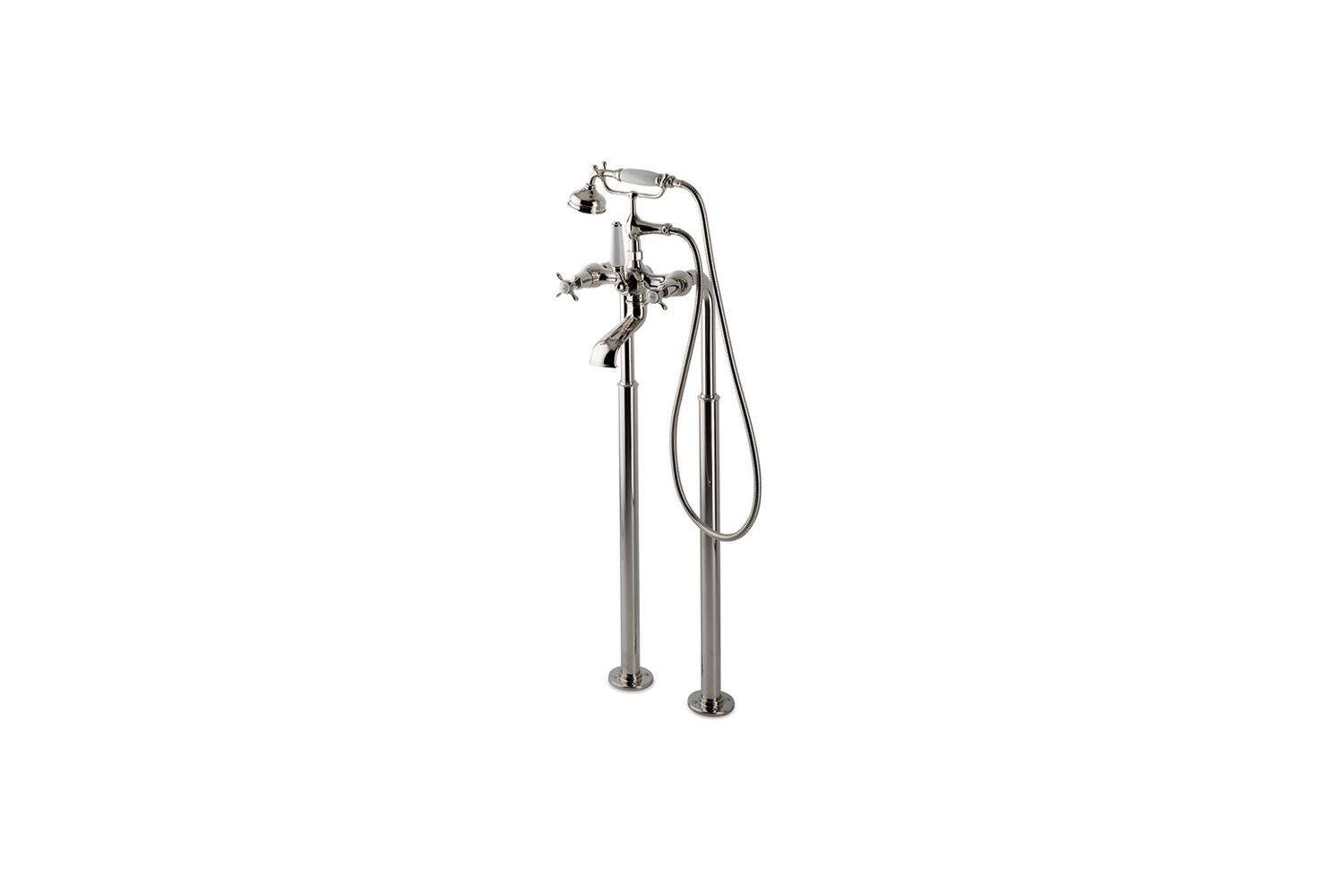
The Easton Classic Exposed Tub Filler is not the kind of bathroom fixture that politely disappears into the background. It is the faucet equivalent of a tailored navy blazer: classic, confident, and somehow appropriate in almost every beautifully designed room. Made by Waterworks as part of the Easton collection, this exposed tub filler blends old-world Edwardian character with the expectations of a modern luxury bath. In plain English, it looks like it belongs in a historic townhouse, a boutique hotel suite, or the primary bathroom of someone who alphabetizes their linen closet for fun.
But beyond the good looks, this fixture raises a practical question: is the Easton Classic Exposed Tub Filler worth considering for a serious bathroom remodel? The answer depends on your tub style, plumbing layout, finish preferences, budget, and tolerance for beautiful things that require a little planning. This guide breaks down the design, features, installation considerations, pros and cons, maintenance tips, and real-world user experience of choosing a high-end exposed tub filler like this one.
What Is the Easton Classic Exposed Tub Filler?
The Easton Classic Exposed Tub Filler is a luxury bath fitting designed for tubs where the faucet body remains visible rather than being hidden behind a wall or inside a deck. That “exposed” design is part of the charm. Instead of pretending plumbing does not exist, the fixture turns pipes, handles, handshower details, and metalwork into part of the room’s design language.
Waterworks describes the Easton collection as one of its earliest and most extensive families, influenced by Edwardian style. That inspiration shows up in the balanced proportions, refined handles, polished detailing, and traditional silhouettes. It is not trying to be futuristic. It is trying to look like it has always belonged thereand doing a fairly convincing job.
Common Product Details
Exact specifications may vary by configuration, finish, and retailer listing, but Easton Classic Exposed Tub Filler models are commonly associated with the following features:
- Classic exposed tub filler body with integrated diverter
- Metal or porcelain handshower options
- Lever diverter for switching between tub spout and handshower
- Brass construction in many listings
- Traditional handle options, including metal or porcelain details
- Approximate height around 15 1/2 inches in several product listings
- Approximate depth or projection around 6 3/4 inches
- Handshower hose length often listed around 59 inches
- Quarter-turn handle operation
- 3/4-inch inlet connection size in commonly published specifications
That 3/4-inch inlet detail matters. Bathtub fillers need to deliver more water than a standard bathroom sink faucet. A large soaking tub can take a while to fill, and nobody wants to stand beside a beautiful tub watching a weak stream of water perform a tragic little drizzle. A proper tub filler should be sized and installed to support comfortable bath filling.
Why Exposed Tub Fillers Are Popular in Luxury Bathrooms
Exposed tub fillers have become especially popular in bathrooms designed around freestanding tubs, clawfoot tubs, and statement soaking tubs. They provide a visual anchor. Where a modern minimalist faucet might whisper, an exposed filler clears its throat and says, “Yes, this bath was planned.”
The appeal is partly practical and partly emotional. Practically, exposed fittings can make controls and handshowers easy to access. Visually, they create detail in a room that can otherwise become a sea of smooth tile, glass, and stone. Emotionally, they add ceremony. Turning on a well-made exposed tub filler feels more intentional than flicking a basic lever. It turns a bath into an event, even if that event is simply hiding from email for 28 minutes.
Best Bathroom Styles for the Easton Look
The Easton Classic Exposed Tub Filler works especially well in these design styles:
- Traditional bathrooms: Pair it with marble, mosaic tile, wainscoting, and a clawfoot or pedestal tub.
- Transitional bathrooms: Use it to soften a room with clean cabinetry and simple stone surfaces.
- Hotel-inspired bathrooms: Combine it with plush towels, polished hardware, and layered lighting.
- Vintage-modern bathrooms: Let the exposed design contrast with sleek walls, modern mirrors, and minimalist accessories.
- English or Edwardian-inspired spaces: This is where the Easton design feels especially at home.
It may be less suitable for ultra-minimal bathrooms where every fixture is expected to vanish into the wall. Easton is not shy. It has elbows, curves, handles, and opinions.
Key Features That Make the Easton Classic Tub Filler Stand Out
1. Edwardian-Inspired Design
The Easton collection draws from Edwardian bath fittings, a period known for elegance, symmetry, and graceful mechanical details. In practice, that means the tub filler has a sense of heritage without feeling dusty. It looks antique-adjacent, not antique-store-missing-a-screw.
2. Handshower Convenience
The handshower is one of the most useful features. It helps rinse the tub, wash hair, bathe children, clean up after a bubble bath disaster, or perform the glamorous task of removing pet hair from porcelain. A tub filler without a handshower may look sleek, but once you have used a handshower, going back feels oddly primitive.
3. Integrated Diverter
The lever diverter allows users to switch water flow between the main tub spout and the handshower. A good diverter should feel smooth and deliberate. In luxury fittings, the small touchpoints matter because they are the things you use every day. Nobody spends thousands of dollars on a bath fixture hoping the diverter feels like it came from a vending machine.
4. Multiple Finish Options
Waterworks fittings are often offered in several premium finishes, and finish selection dramatically affects the personality of the tub filler. Polished nickel can feel warm and historic. Chrome reads cleaner and brighter. Brass or unlacquered-style finishes can develop a richer, lived-in look depending on the finish type and care requirements. Darker finishes can add drama, especially against white stone or pale tile.
5. Strong Visual Presence
The Easton Classic Exposed Tub Filler is not just a faucet. It is a design feature. In a high-end bathroom, the tub area is often treated as a focal point, and the tub filler is part of that composition. The right fitting can make a freestanding tub look complete. The wrong one can make even an expensive tub look like it is waiting for its accessories to arrive.
Installation Considerations Before Buying
Before falling in love with the Easton Classic Exposed Tub Filler, it is important to confirm whether it fits your bathroom’s layout and plumbing plan. This is not a “buy it on Friday, casually install it on Saturday, brag on Sunday” type of fixture. It requires planning.
Wall, Deck, or Floor Mounting
Some exposed tub fillers are designed for wall mounting, some for deck mounting, and some use floor unions or supply lines depending on configuration. Easton listings commonly mention wall or deck mounting and separate union requirements. That means buyers should verify the exact model number, compatible unions, rough-in needs, and installation type before ordering.
This matters because a wall-mounted tub filler needs properly placed plumbing behind the wall. A deck-mounted version needs the right tub deck or platform. A floor-mounted setup requires careful anchoring and supply placement. In all cases, the tub rim height, spout reach, and splash control should be checked before installation.
Spout Reach and Tub Placement
Spout reach determines whether water lands neatly inside the tub or performs interpretive dance on your floor. Several Easton listings mention a spout reach around 6 3/8 inches. That can work beautifully with the right tub, but it must be measured against the tub rim and installation surface.
For freestanding or clawfoot tubs, the filler should sit close enough for clean water delivery but not so close that the handshower and handles become awkward to use. Ideally, the user should be able to reach the controls comfortably from outside the tub and, depending on the layout, from inside the tub as well.
Water Pressure and Flow
Luxury tub fillers are designed to fill baths efficiently, but performance depends on water pressure, valve compatibility, supply line size, and local plumbing conditions. Some retail specifications list pressure ranges from about 20 to 75 psi, with a recommended pressure near 45 psi. If your home has low pressure, old pipes, or a long run from the water heater, discuss it with a licensed plumber before installation.
Professional Installation Is Strongly Recommended
This is not the fixture to test your “I watched two videos, how hard can it be?” confidence. A high-end exposed tub filler should be installed by a qualified plumber familiar with luxury bath fittings. The fixture must be stable, leak-free, correctly aligned, and compatible with the tub and supply lines. A crooked exposed filler is immediately noticeable. It is like hanging a chandelier slightly sideways: technically functional, emotionally upsetting.
Easton Classic Exposed Tub Filler Pros and Cons
Pros
- Beautiful traditional styling: It adds architectural character and a heritage-inspired focal point.
- Premium feel: The design, proportions, and material presence suit luxury bathrooms.
- Handshower function: Practical for rinsing, cleaning, bathing children, and everyday convenience.
- Flexible design compatibility: Works with traditional, transitional, and vintage-modern interiors.
- Coordinating collection: Easton includes related accessories, faucets, towel bars, hooks, and bath fittings for a cohesive room.
Cons
- High price point: This is a premium fixture, not a budget replacement faucet.
- Installation complexity: Requires careful planning, correct unions, and professional installation.
- Finish maintenance: Polished, nickel, brass, or specialty finishes may need gentle cleaning and regular drying.
- Not minimalist: The exposed design is visually prominent and may not suit ultra-modern spaces.
- Compatibility checks required: Tub height, spout reach, supply spacing, and mounting type must be verified.
How to Choose the Right Finish
Finish selection may be the most enjoyable part of buying the Easton Classic Exposed Tub Filler, unless you are the kind of person who finds decision-making relaxing, in which case congratulations on your rare nervous system.
Polished Nickel
Polished nickel is warm, reflective, and traditional. It pairs beautifully with marble, cream paint, dark wood vanities, and vintage-inspired mirrors. It is often softer than chrome and feels especially appropriate for classic bathrooms.
Chrome
Chrome is bright, durable-looking, and easy to coordinate with many common bathroom accessories. It can make the Easton silhouette feel a little cleaner and more contemporary.
Brass and Living Finishes
Brass brings warmth and character. Depending on whether the finish is lacquered, unlacquered, polished, aged, or satin, it may stay more consistent or develop patina over time. Patina is charming if you love it and alarming if you expected showroom shine forever. Know which camp you are in before ordering.
Darker Finishes
Darker finishes can make the tub filler feel bold and graphic. They work well in bathrooms with light stone, white tubs, black-framed mirrors, or dramatic wallpaper. The risk is that water spots and soap residue may be more visible, so maintenance habits matter.
Care and Maintenance Tips
A fixture like the Easton Classic Exposed Tub Filler deserves gentle care. Harsh cleaners, abrasive pads, ammonia, bleach, and aggressive descaling products can damage many premium faucet finishes. The safest routine is usually simple: wipe with a soft damp cloth, use mild soap when needed, rinse, and dry thoroughly.
For hard water areas, drying the fixture after use can make a major difference. It may sound fussy, but so is owning white linen pants. Some beautiful things ask for manners. If mineral buildup appears, check the manufacturer’s care instructions for your specific finish before using vinegar or any cleaning solution. What works on one finish can harm another.
Is the Easton Classic Exposed Tub Filler Worth It?
The Easton Classic Exposed Tub Filler is worth considering if you are designing a bathroom where the tub area is a major focal point. It is especially appealing for homeowners, designers, and remodelers who care about proportion, period-inspired details, tactile quality, and coordinated bath collections.
It may not be the best choice if you are working with a tight remodel budget, a simple builder-grade tub, or a bathroom where the plumbing layout would require major changes. In those cases, a more affordable wall-mounted or deck-mounted tub filler may deliver better value.
But in a thoughtfully designed primary bath, the Easton Classic can be the piece that ties everything together. Marble floors, a freestanding tub, elegant sconces, and plush towels all look more intentional when the faucet has the same level of design consideration. A basic faucet in that setting would be like wearing sneakers with a tuxedo. Possible? Sure. Ideal? Let’s not start a family argument.
Real-World Experience With the Easton Classic Exposed Tub Filler
Living with a luxury exposed tub filler is different from simply admiring one in a showroom. In photos, the Easton Classic Exposed Tub Filler is all symmetry, shine, and quiet confidence. In daily use, its value comes from how it changes the rhythm of the bath area. The handles feel deliberate. The handshower is always within reach. The exposed body gives the tub a finished, furnished look rather than making the bathtub seem like a lonely sculpture waiting for plumbing.
One of the first things people notice is how much visual weight an exposed tub filler carries. If the bathroom has a freestanding tub, the filler becomes part of the silhouette. This is especially noticeable in rooms where the tub is placed beneath a window, centered on a feature wall, or surrounded by stone tile. The Easton’s classic detailing prevents the tub area from feeling too sterile. It adds a little “old hotel in the best possible way” energy.
The handshower is another feature that becomes more appreciated over time. At first, it may seem like a nice extra. After a few weeks, it feels essential. Rinsing bath oil from the tub is easier. Washing hair without taking a full shower is easier. Cleaning around the tub is easier. If children use the bath, the handshower quickly becomes the household MVP. If a dog ever gets involved, the handshower deserves a small trophy.
There are also practical lessons. First, placement is everything. A beautiful tub filler installed too far away from the tub rim becomes annoying. Installed too close, it can feel crowded. The spout should clear the rim comfortably, the handles should be easy to reach, and the handshower hose should move naturally without scraping awkwardly against the tub. These details sound small until you use the bath repeatedly. Then they become the difference between “spa-like retreat” and “very expensive puzzle.”
Second, finish choice affects daily happiness. A polished finish can look spectacular after cleaning but may show fingerprints and water spots. A warmer nickel or brass tone may feel softer and more forgiving, depending on the exact finish. Homeowners who enjoy natural aging may love a patina-friendly finish. Homeowners who want everything to look new forever should choose carefully and follow care instructions like they are sacred bathroom scripture.
Third, the Easton Classic makes the most sense when the rest of the bathroom supports it. It does not need a palace, but it does need intention. Pair it with quality tile, a well-scaled tub, thoughtful lighting, and coordinated accessories. If the towel bar, robe hook, vanity faucet, and tub filler all speak the same design language, the room feels calm and finished. If every fixture comes from a different decade and mood board, the Easton may look overdressed for the party.
From an ownership perspective, the biggest advantage is emotional durability. Trendy fixtures can feel dated quickly. The Easton Classic relies on historical proportions, which helps it age gracefully. It is not trying to chase a micro-trend. It is trying to be beautiful for a long time. That makes it a smart choice for homeowners who want a bathroom that still feels elegant years after the remodel dust has finally stopped appearing in random corners.
The main caution is budget realism. The fixture itself is expensive, and installation costs can rise if plumbing needs to be moved, walls opened, floors reinforced, or compatible unions ordered separately. Before buying, it is wise to price the complete installation, not just the visible faucet. The prettiest fixture in the world becomes less charming when surprise plumbing costs arrive like uninvited dinner guests.
Overall, the experience of using the Easton Classic Exposed Tub Filler is best described as refined, practical, and quietly luxurious. It does not shout for attention, but it always gets noticed. It turns the bathtub zone into a designed moment and makes ordinary routines feel more polished. For the right bathroom, it is not just a faucet. It is the finishing touch that says, “Yes, we thought this through.”
Conclusion
The Easton Classic Exposed Tub Filler is a premium bath fitting for homeowners who want more than basic function. Its Edwardian-inspired styling, exposed construction, handshower convenience, and luxury presence make it a standout choice for traditional and transitional bathrooms. It requires careful planning, professional installation, and thoughtful finish maintenance, but the reward is a tub area that feels elegant, complete, and genuinely special.
If your bathroom remodel includes a freestanding or statement tub, this fixture deserves serious consideration. It is not the cheapest way to fill a bathtub, but it may be one of the most beautiful. And sometimes, after a long day, watching water pour from a gorgeous fixture into a deep soaking tub feels less like plumbing and more like self-respect with excellent hardware.
Note: Product specifications, finish availability, pricing, and installation requirements can change. Always confirm current details with Waterworks, an authorized retailer, or a licensed plumber before purchase or installation.