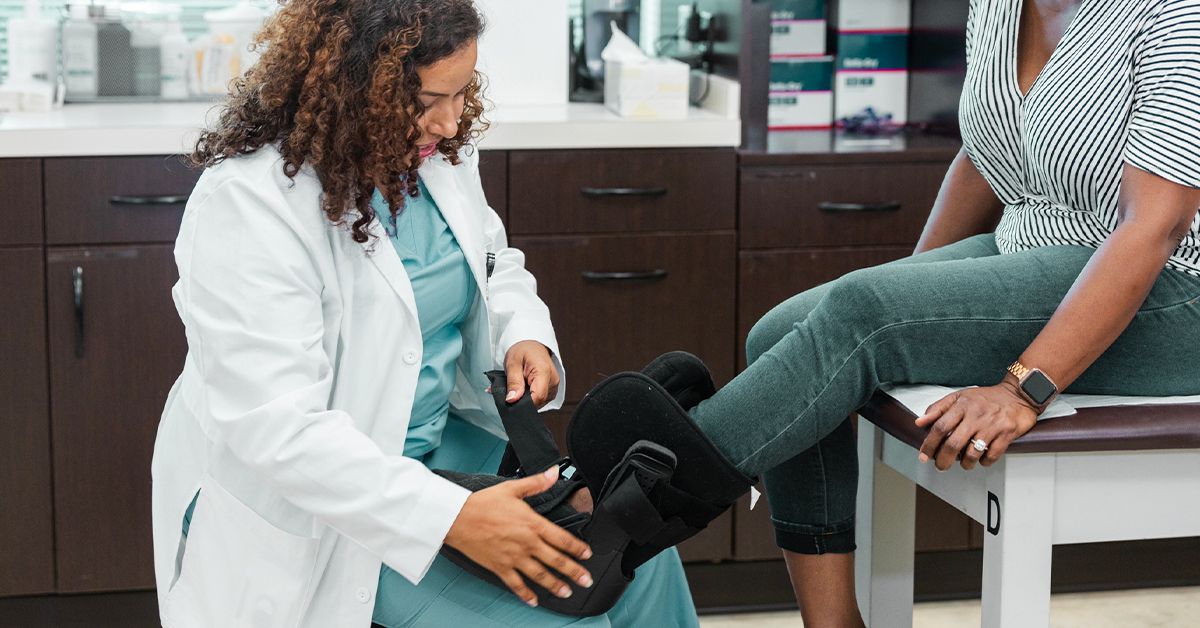
If you have ever stared at a pair of custom inserts and thought, “These look important, expensive, and suspiciously not free,” welcome to the club. Orthotics can make walking easier, reduce pain, support weak joints, and help prevent more serious foot and leg problems. But when it comes to Medicare, the answer to whether orthotics are covered is not a simple yes or no. It is more of a “yes, sometimes, under very specific conditions, with paperwork, and ideally not five minutes before you need them.”
The short version: Medicare does cover some orthotics, but not every insert, brace, or orthopedic shoe you might see advertised. Coverage usually depends on medical necessity, the type of orthotic device, whether the item fits within a covered Medicare benefit, and whether your doctor and supplier follow Medicare’s rules. That means a medically necessary ankle-foot brace may be covered, while a pair of comfort insoles bought because your feet are tired after gardening may not be.
In this guide, we will break down what Medicare typically covers, what it usually does not, how much you may pay, and what steps can improve your odds of getting a claim approved without turning your living room into an insurance war room.
What Counts as an Orthotic?
Orthotics are devices designed to support, align, protect, or improve the function of a part of the body. In everyday conversation, people often use the word “orthotics” to mean shoe inserts. In Medicare language, though, the category is broader. It can include braces for the ankle, foot, knee, back, neck, arm, or leg, as well as certain therapeutic shoes and inserts.
Common examples include:
Custom shoe inserts for people with serious diabetic foot problems, ankle-foot orthoses that stabilize walking, knee-ankle-foot orthoses for severe weakness or deformity, back braces used after injury or surgery, and orthopedic shoes that are attached to or function as part of a leg brace.
So if you are asking, “Does Medicare cover orthotics?” the first thing Medicare wants to know is: Which orthotic are we talking about? Because a rigid prescribed brace and a store-bought gel insert do not live in the same coverage universe.
When Original Medicare Covers Orthotics
Medicare Part B is usually the main player
Most orthotics questions fall under Medicare Part B. Part B generally covers medically necessary outpatient items and services, including certain braces and orthotic devices prescribed by a qualified provider. If the device is ordered to support a weakened body part, control movement, or help treat an illness or injury, you may be in covered territory.
That means Medicare may cover items such as:
Arm, leg, back, and neck braces; medically necessary ankle-foot orthoses; certain knee-ankle-foot orthoses; and some orthotic footwear when it qualifies under specific Medicare rules.
The phrase that matters most here is medically necessary. Medicare is not in the business of paying for general comfort, convenience, or “these shoes looked life-changing online at 1:00 a.m.” If your provider documents that the orthotic is needed to treat a diagnosed condition and the device fits a covered benefit category, coverage becomes much more likely.
Orthopedic shoes are covered only in narrow situations
This is where many people get tripped up. Medicare does not broadly cover orthopedic shoes just because they are supportive, well-made, or recommended by a shoe-store wizard with a foot scanner. In Original Medicare, orthopedic shoes are generally covered only if they are a necessary part of a leg brace. If they are not part of a covered brace setup, you will usually be paying out of pocket.
That distinction matters because many beneficiaries assume any prescribed orthopedic shoe is automatically covered. Medicare’s actual rule is much stricter. The shoe has to be tied to a covered medical need and fit into a recognized coverage category.
The Big Exception: Therapeutic Shoes and Inserts for Diabetes
One of the most important Medicare exceptions involves people with diabetes and severe diabetes-related foot disease. In these cases, Medicare Part B may cover therapeutic shoes and inserts when the medical requirements are met.
This is the benefit many people mean when they ask about foot orthotics. If you qualify, Medicare may cover one of the following within a calendar year:
Option 1: Custom-molded shoes
One pair of custom-molded shoes, which includes the inserts that come with the shoes, plus up to two additional pairs of inserts in the same calendar year.
Option 2: Extra-depth shoes
One pair of extra-depth shoes plus up to three pairs of inserts in the same calendar year.
In some cases, Medicare may cover shoe modifications instead of inserts. That can matter for people whose feet need something more specialized than a standard insert. The benefit is real, but it is also rule-heavy. To qualify, the patient generally needs diabetes and one of the qualifying foot conditions, along with proper certification, an in-person evaluation, and a Medicare-enrolled supplier.
Translation: yes, this benefit exists, but it does not run on vibes. It runs on documentation.
What Medicare Usually Does Not Cover
Here is the less-fun part. Medicare usually does not pay for orthotics just because they are helpful, comfortable, or popular. Coverage tends to be denied when the item is considered routine, preventive, convenience-based, or outside Medicare’s benefit categories.
Examples of items that often end up as out-of-pocket purchases include basic comfort insoles, over-the-counter inserts, shoes bought for general arch support without meeting a covered medical exception, and upgrades or deluxe features that go beyond what Medicare considers medically necessary.
That does not mean the item has no value. It simply means Medicare may view it as something other than a covered medical necessity. There is a big difference between “this makes me feel better” and “this is a covered orthotic under Medicare rules.” Unfortunately, your feet may not care about that difference, but your bill certainly will.
How Much Do Orthotics Cost Under Medicare?
If your orthotic is covered under Original Medicare Part B, you will usually pay:
The Part B deductible first, if you have not already met it for the year, and then 20% of the Medicare-approved amount for the covered item, as long as the supplier accepts assignment.
For 2026, the standard Part B deductible is $283. After that, Medicare generally pays 80% of the approved amount, and you pay the remaining 20%.
Here is a simple example. Imagine your medically necessary brace has a Medicare-approved amount of $500, and you have already met your Part B deductible. Medicare would typically pay $400, and you would owe $100. If you have not met the deductible yet, you may owe more until that deductible is satisfied.
There is one more catch: supplier participation matters. If the supplier accepts assignment, they agree to Medicare’s approved amount. If they do not, your costs can climb. This is one of those “small details” that can make a not-so-small dent in your wallet.
Does Medicare Advantage Cover Orthotics?
Yes, but with a plot twist. Medicare Advantage plans must cover everything Original Medicare covers when the service is medically necessary. So if Original Medicare covers a brace or a qualifying diabetic shoe benefit, your Medicare Advantage plan must cover that core benefit too.
However, Medicare Advantage plans can have different rules for how you get care. You may need to use network providers, obtain prior authorization, or follow plan-specific documentation steps. Some plans may also offer extra benefits beyond Original Medicare, but those extras vary widely by insurer and plan design.
That means two neighbors on the same street could both say, “I have Medicare,” and have very different experiences with orthotics. One might have Original Medicare plus a Medigap policy. The other might have a Medicare Advantage HMO with network restrictions and prior authorization rules. Same federal program family, very different house rules.
Can Medigap Help With Orthotics Costs?
If you have Original Medicare and a Medigap policy, Medigap may help pay some of your out-of-pocket costs for covered orthotics, such as coinsurance and, depending on the plan, certain deductibles. Medigap does not create coverage for items Medicare does not cover. It simply helps with your share of the bill for items that are covered under Original Medicare.
That is an important distinction. Medigap can soften the landing, but it cannot turn a noncovered comfort insert into a magically reimbursable medical device.
What You Need for Medicare to Pay
1. A real medical reason
Your provider must document why you need the orthotic. The diagnosis, symptoms, functional problems, and treatment goal should all make sense. “Foot pain” by itself may not tell the full story. “Severe diabetic foot disease with risk reduction needs” or “ankle instability after stroke” is much more likely to speak Medicare’s language.
2. A proper prescription or order
Medicare-covered orthotics generally need to be prescribed by an appropriate healthcare professional. For diabetic therapeutic shoes, the documentation rules can be especially detailed, and the certifying physician requirements matter.
3. A Medicare-enrolled supplier
If your doctor is enrolled but your supplier is not, that can still derail payment. Always confirm that the supplier is enrolled in Medicare and ask whether they accept assignment before the item is provided.
4. The right timing and paperwork
For certain covered shoe and insert benefits, Medicare expects specific evaluations, records, and proof that the item fits properly. Missing paperwork can sink a perfectly reasonable claim. This is the insurance equivalent of baking a beautiful cake and forgetting the flour.
How to Improve Your Chances of Approval
If you want to avoid claim drama, follow a few practical steps before the orthotic is made or delivered:
Ask your doctor exactly why the item is medically necessary. Confirm whether the device falls under Medicare Part B coverage. Verify that the supplier is enrolled in Medicare and accepts assignment. Request an estimate of your out-of-pocket cost. If you have Medicare Advantage, ask whether prior authorization is required. And keep copies of orders, evaluation notes, and receipts in case you need to appeal.
None of this is glamorous. But neither is discovering after delivery that your “covered” device was apparently covered in the way a patio is covered during a hurricane: technically, but not enough to help.
Examples of When Medicare May or May Not Cover Orthotics
Likely covered
A beneficiary with diabetes, severe foot disease, and complete documentation receives one pair of extra-depth shoes and qualifying inserts from a Medicare-enrolled supplier.
A patient with serious ankle instability receives a prescribed ankle-foot orthosis that supports walking and prevents further injury.
A beneficiary needs orthopedic footwear that functions as part of a covered leg brace.
Less likely to be covered
A person buys over-the-counter arch supports at a pharmacy because their feet feel tired.
A beneficiary wants orthopedic shoes for comfort but they are not part of a covered leg brace and do not qualify under the diabetes shoe benefit.
A patient gets a custom insert from a supplier that does not participate in Medicare and assumes the claim will sort itself out later. It may not.
The Bottom Line
So, does Medicare cover orthotics? Yes, but selectively. Original Medicare Part B covers certain medically necessary orthotic devices, including braces and some specialized footwear. It also covers therapeutic shoes and inserts for qualifying people with diabetes and severe foot disease. But it does not act like a blanket shoe allowance for every insole, arch support, or orthopedic-looking sneaker on the market.
The smartest move is to think like a detective before you think like a shopper. Identify the exact device, confirm that it fits a covered category, make sure your provider documents the need, and use a Medicare-enrolled supplier who accepts assignment. Those steps can save you money, frustration, and at least one dramatic conversation that begins with, “But they told me it should be covered.”
Experiences People Commonly Have With Medicare and Orthotics
Many Medicare beneficiaries do not start this process with a clean, technical question like, “Is this item covered under a Part B orthotics benefit category?” They start with pain. Maybe their feet burn after ten minutes of walking. Maybe a physical therapist notices instability. Maybe a podiatrist says their diabetic foot changes make pressure injuries more likely. In real life, coverage questions begin when something that used to feel normal suddenly does not.
One common experience is surprise. A person assumes that if a doctor recommends orthotics, Medicare will pay. Then they learn that the recommendation alone is not enough. The device has to be medically necessary and fit within Medicare’s specific rules. That gap between what feels reasonable and what is actually covered is where a lot of frustration lives.
Another frequent experience is confusion over terminology. Patients say “orthotics” when they really mean shoe inserts, braces, diabetic shoes, custom-molded footwear, or all of the above. Meanwhile, Medicare treats those as very different categories. A beneficiary may think they are asking one simple question, but the answer changes depending on whether the device is a rigid ankle-foot orthosis, a diabetic insert, or a comfort insole bought after a cheerful sales pitch at a retail store.
There is also the paperwork experience, and let us be honest, it is not anyone’s favorite hobby. Some people do everything right medically and still get delayed because the supplier needs one more note, one more signature, or one more clarification from the physician. A patient may leave an appointment thinking the hard part is over, only to discover the real endurance event is administrative. This does not mean the system is impossible. It means patience and follow-through often matter almost as much as the diagnosis.
On the positive side, beneficiaries who qualify for the diabetic shoe benefit often describe the coverage as genuinely meaningful. Properly fitted shoes and inserts can reduce rubbing, improve balance, and make everyday walking safer. For someone dealing with neuropathy or deformity, that is not a luxury. It can be the difference between staying active and becoming more sedentary, between a manageable issue and a serious complication.
People with braces often report a similar pattern. When a covered brace fits well, it can improve stability, reduce pain, and restore confidence. Stairs feel less dramatic. Grocery shopping becomes less of an Olympic event. The practical impact can be huge, even when the item itself looks simple.
In the end, the most common experience is learning that Medicare orthotics coverage is rarely automatic, but it is also not random. The beneficiaries who tend to have smoother outcomes are the ones who ask early questions, use Medicare-enrolled suppliers, and make sure the medical record clearly explains why the device is needed. It may not feel glamorous, but in the world of Medicare and orthotics, preparation is often the closest thing to comfortable footwear for your finances.