Parenting a child with a chronic health condition is not for the faint of heart. Parenting that child after divorce? That is a whole different obstacle course, complete with medical charts, text-message receipts, custody schedules, emergency plans, and the occasional adult who treats basic communication like a cage match.
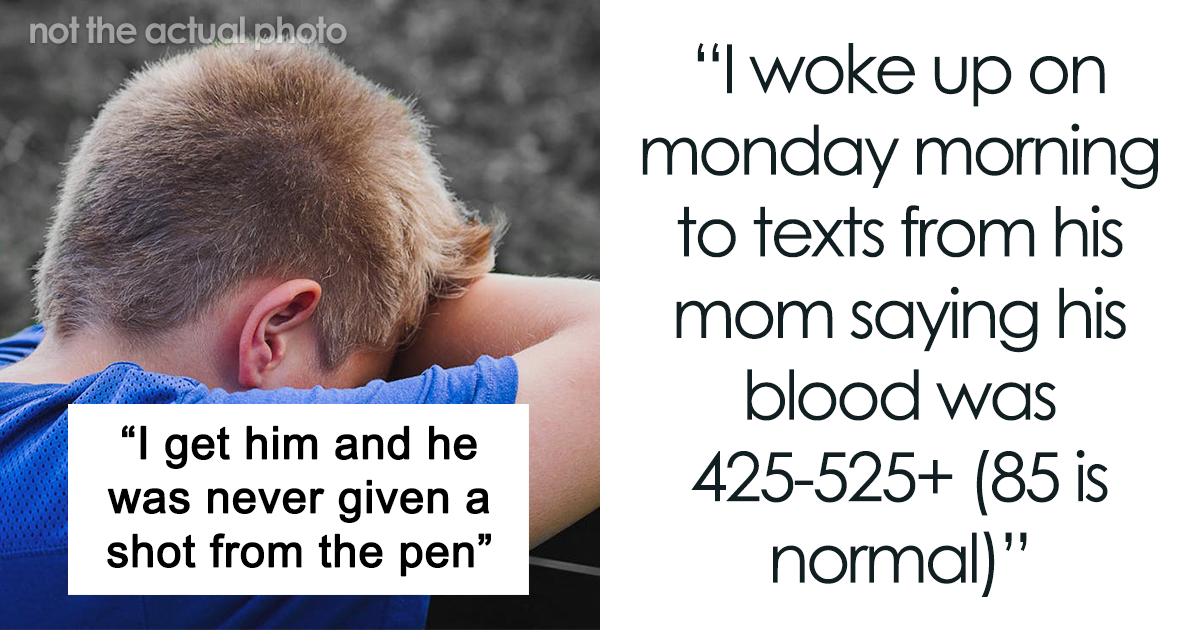
That is why one father’s story struck such a nerve online. According to his account, his 5-year-old son, who has type 1 diabetes, spent hours with dangerously high blood sugar while at his mother’s house. The father said he followed the child’s diabetes-care training, checked the numbers, contacted the endocrinology team, gave the proper correction dose, and had the boy stable within about two hours. Instead of relief, the situation allegedly spiraled into police, firefighters, an emergency room visit, and a co-parenting fight big enough to make the group chat hold its breath.
On the surface, this is a dramatic family story. Underneath, it raises serious questions about pediatric diabetes management, medical decision-making, high-conflict co-parenting, and what happens when ego walks into the room wearing shoes muddy enough to track panic all over the floor.
The Story: A Diabetes Scare, A Fast Fix, And A Sudden Call To Police
The father explained that his son had type 1 diabetes and used an insulin pump system. One morning, he woke up to messages saying the child’s blood sugar had been extremely high overnight. The reported numbers were alarming, especially because sustained high blood glucose in a child with type 1 diabetes can increase the risk of diabetic ketoacidosis, often shortened to DKA.
In plain English, DKA can happen when the body does not have enough insulin to move glucose into cells for energy. The body then starts breaking down fat, producing ketones. Too many ketones can make the blood acidic, which is exactly as scary as it sounds. This is not “drink some water and sleep it off” territory. It is “know the care plan, check ketones, call the medical team, and act fast” territory.
According to the dad, the mother had been unsure whether the insulin pump was working properly. He suggested standard troubleshooting: remove the questionable pump, give insulin by injection as directed by the diabetes plan, and replace the pod when appropriate. The key issue, in his view, was not that the child had high blood sugar. Kids with type 1 diabetes can have highs for many reasons: illness, pump-site problems, food miscalculations, growth hormones, stress, or the universe being rude before breakfast. The issue was that the situation appeared to go unresolved for hours.
When the boy arrived at his father’s home, the dad said he checked his blood sugar manually, gave the correction dose from an insulin pen, contacted the endocrinology team, and watched his son improve quickly. The child reportedly had only trace ketones, and the medical team said the emergency room was unnecessary as long as he continued to be monitored.
Then came the plot twist nobody ordered: the mother allegedly demanded an ER visit anyway, called the police, then called the fire department. Both reportedly found the child stable. The father eventually took him to the emergency room at the mother’s request, where tests and fluids ended with the same basic conclusion: the child was okay.
Why Readers Reacted So Strongly
Online readers were not simply reacting to divorce drama. They were reacting to the gap between two types of urgency. In the father’s version, the mother seemed to underreact while the child’s blood sugar was dangerously high, then overreact after the father stabilized him. That contradiction made people’s eyebrows climb so high they could apply for rooftop zoning permits.
Many commenters focused on three concerns: whether the child had received the right insulin at the right time, whether ketones had been checked promptly, and whether the parents had a reliable shared emergency plan. Those are not small details. For a child with type 1 diabetes, “What did you give him, when, and how much?” is not nagging. It is the medical equivalent of asking where the fire extinguisher is while smoke is already curling under the door.
Another reason the story spread is that it captures a familiar pattern in high-conflict co-parenting: one parent asks for specific information, the other treats the question like a personal attack, and suddenly nobody is talking about the actual child. In chronic illness care, that pattern is dangerous. A child’s insulin dose does not care who won the argument. Ketones do not pause while adults debate tone. Diabetes management rewards clarity, not pride.
Understanding Type 1 Diabetes In Children
Type 1 diabetes is an autoimmune condition in which the body produces little or no insulin. Children with type 1 diabetes need insulin every day, whether through injections, an insulin pump, or another prescribed treatment plan. Without insulin, glucose builds up in the bloodstream while cells are starved for usable energy.
Parents and caregivers are often trained to monitor blood glucose, count carbohydrates, give correction doses, recognize signs of low and high blood sugar, check ketones, and know when to call the care team. This is a lot. It can feel like earning a part-time medical degree while still packing lunches, finding socks, and answering a 5-year-old’s urgent question about whether dinosaurs had belly buttons.
Insulin pumps can make diabetes care more flexible, but they are not magic. A pump site can fail. A pod can dislodge. Insulin can leak. A cannula can bend. A device can appear to be working while the body is not actually receiving enough insulin. That is why pump users are typically taught to take persistent unexplained high blood sugar seriously, check ketones, and use backup insulin by injection when directed by their care plan.
High Blood Sugar Is Not Always An Emergency, But It Can Become One
A single high reading is not automatically a disaster. Children with type 1 diabetes can spike after food, illness, stress, or a pump issue. But sustained high numbers, especially with ketones, vomiting, stomach pain, dehydration, fruity-smelling breath, rapid breathing, or confusion, can signal DKA and require urgent medical attention.
That is why the father’s focus on details made sense. When a child has been high for hours, a caregiver needs a timeline: when the high started, what insulin was given, whether the pump delivered it, whether a manual injection was used, whether ketones were checked, what the child ate, whether the child is sick, and what the care team advised. It may sound robotic, but in diabetes care, documentation is love wearing a spreadsheet costume.
The Pump Problem: Why “Maybe Change It Later” Can Be Risky
Insulin pumps deliver rapid-acting insulin. If the pump or site fails, a child may not be receiving the insulin they need. That can become risky quickly because there is no long-acting insulin quietly working in the background unless the child’s treatment plan specifically includes it.
In this story, the father believed the child needed pump troubleshooting and rapid-acting insulin from a pen. He also said the mother gave long-acting insulin after removing the pod, which complicated the next steps. Without knowing the child’s exact medical plan, outsiders should not pretend to prescribe anything. But the general lesson is clear: pump users need a written backup plan, and all caregivers must understand it before the crisis arrives wearing pajamas at 6 a.m.
Good diabetes management does not depend on vibes. It depends on training, supplies, written instructions, a calm chain of communication, and adults who can say, “I may be upset, but the child’s health comes first.”
Co-Parenting A Child With A Chronic Illness Requires More Than A Custody Calendar
Co-parenting a medically complex child is not the same as swapping a backpack every Friday. It requires shared competence. Both homes need working supplies. Both parents need access to the care team’s instructions. Both need to know emergency thresholds. Both need to document insulin, food, ketones, symptoms, device changes, and calls to doctors.
Legal custody often includes authority over major medical decisions, while physical custody covers where the child lives and who handles daily care. But real life is messier than the definitions. A parent may have the child overnight, face a pump problem, and need to make a quick decision before a lawyer, judge, or co-parent can be reached. That is why court orders and parenting plans for children with chronic illness should be specific, practical, and boring in the best possible way.
A strong medical parenting plan may include who contacts the endocrinologist, how urgent updates are shared, what app access each parent has, when ketones must be checked, where backup insulin is stored, what counts as an emergency, and how disagreements are handled. The goal is not to create paperwork for sport. The goal is to keep a child safe when stress is high and nobody has had coffee.
Was The Dad Wrong To Be Concerned?
Based on the father’s account, his concern seems understandable. He was not objecting to emergency care in general. He was objecting to an emergency response that appeared poorly timed: delayed action during the high blood sugar episode, followed by police and fire involvement after the child was medically stable and the endocrinology team had been consulted.
Still, there are two responsible caveats. First, online readers usually hear one side. The mother’s full explanation is not part of the public record. Second, nobody online can determine custody, negligence, or medical fault from a viral post. That belongs to doctors, documented records, attorneys, and, if necessary, a court.
What can be said is that a child with type 1 diabetes needs caregivers who can follow the care plan, communicate accurately, and respond without turning every correction dose into a referendum on personal pride. In a medical situation, defensiveness is expensive. The bill may be paid in stress, unnecessary ER visits, damaged relationships with providers, or worse, preventable harm to the child.
Why Calling The Cops Can Backfire In Medical Co-Parenting Conflicts
Police and emergency responders have an important role when a child is in immediate danger. But using emergency services as a weapon in a custody conflict can create serious consequences. It can frighten the child, escalate the adults, strain medical relationships, and create records that may not support the caller’s version of events.
In this case, the father said the child was already evaluated as stable by medical professionals and emergency responders. If accurate, the calls did not solve the health issue; they expanded the conflict. When emergency systems are pulled into a co-parenting dispute, the real question becomes: was the call about safety, or was it about control?
That distinction matters. A worried parent calling for help because a child is deteriorating is very different from a parent calling after the child has improved because the other parent handled the situation successfully. One is protective. The other can look punitive.
What Parents Can Learn From This Situation
1. Put The Medical Plan In Writing
Every caregiver should have the same written diabetes plan. It should include correction instructions, ketone guidance, pump-failure steps, sick-day rules, emergency contacts, and when to go to urgent care or the ER. Verbal instructions vanish under stress. Written plans stand there calmly like the adult in the room.
2. Share Data, But Do Not Weaponize It
Continuous glucose monitors and sharing apps can help caregivers track glucose trends remotely. Used well, they create a safety net. Used badly, they become surveillance tools in a custody war. The child benefits when data is used to solve problems, not score points.
3. Document Without Drama
Parents should document highs, lows, insulin, ketones, symptoms, food, device changes, and medical calls. The tone should be factual. “Blood glucose 425 at 6:05 a.m.; checked ketones; gave correction per plan; called endocrinology” is useful. “You are terrible and always do this” is a match thrown into dry grass.
4. Follow The Care Team
If the endocrinology team gives guidance, follow it unless the child’s symptoms change or emergency warning signs appear. Parents can disagree about many things, from bedtime to whether glitter is a craft supply or a household infestation. But a child’s diabetes plan should not be freestyle jazz.
5. Keep The Child Out Of The Adult Fight
A 5-year-old with diabetes already has enough to manage. He should not become evidence, leverage, or a messenger. The adults need to absorb the conflict so the child can experience care as calm, predictable, and safe.
The Bigger Issue: Medical Competence Is Part Of Parenting
This story became popular because it is outrageous, but its core lesson is ordinary: love is not enough when a child has a serious medical condition. Love must become competence. It must learn the equipment, read the instructions, ask questions, and admit confusion before confusion becomes danger.
A parent does not have to be perfect. Diabetes care is hard, and even experienced families make mistakes. The difference is what happens next. A safe caregiver says, “I need help, here are the numbers, here is what I gave, what should I do?” An unsafe pattern looks more like hiding details, resisting training, blaming others, or escalating conflict after the problem is solved.
The father in this story did what many trained diabetes parents would recognize: he focused on the number, the insulin, the ketones, the device, and the doctor. That is the right hierarchy. Feelings can wait in the hallway. Blood sugar cannot.
Experience Section: What This Story Feels Like For Parents Living It
For families managing type 1 diabetes, the most exhausting part is not always the needles, devices, alarms, or math. It is the constant readiness. Parents learn to sleep with one ear open. A phone alarm at 2:17 a.m. can turn a bedroom into mission control. Is the number rising? Falling? Is the sensor accurate? Did the pump site fail? Did the child sneak crackers? Is he getting sick? Is this a normal Tuesday or the beginning of a medical emergency?
Now add divorce to that picture. Suddenly, the child’s care moves between two homes, two routines, two refrigerators, two sets of supplies, and two adults who may not trust each other. Even peaceful co-parents can struggle. High-conflict co-parents can turn a medical handoff into a courtroom exhibit waiting to happen.
Parents in similar situations often say the best tool is not the fanciest device. It is a shared protocol. A simple written checklist can reduce panic: check blood glucose, verify with a fingerstick if needed, check ketones, inspect the pump site, record insulin given, hydrate as directed, contact the care team, and document everything. The checklist does not replace medical advice, but it keeps adults from improvising when fear has already stolen the steering wheel.
Another common experience is emotional whiplash. One parent may feel terrified while the other sounds clinical. But clinical does not mean uncaring. In fact, calm specificity is often what love looks like during a medical scare. Asking “How many units did you give?” is not cold. It is protective. Asking “What time did symptoms start?” is not criticism. It is necessary. The child’s body needs facts, not accusations.
There is also the guilt factor. Parents of children with diabetes often blame themselves for highs and lows, even when they did everything right. That guilt can make communication fragile. A parent who hears “Did you check ketones?” may interpret it as “You failed.” But the better interpretation is “We need the next piece of information.” Families that survive chronic illness well learn to separate medical questions from personal judgment.
For co-parents, the healthiest approach is to treat the diabetes plan like neutral territory. Nobody owns it. Nobody wins it. Nobody uses it to prove superiority. The plan belongs to the child. Each adult’s job is to protect it, follow it, and update it with the medical team when needed.
The father’s story is memorable because it has drama, police, firefighters, and a deeply frustrating twist. But the lasting message is quieter: when a child’s health is on the line, the best parent in the room is not the loudest, angriest, or most offended. It is the one who can stay steady, follow the plan, call the doctor, keep records, and put the child’s body ahead of the adult battle.
Conclusion
The story of a dad stabilizing his 5-year-old son’s blood sugar only to have his ex-wife call police is more than viral family drama. It is a sharp reminder that chronic childhood illness requires preparation, humility, and teamwork. Type 1 diabetes does not leave room for vague updates, delayed troubleshooting, or pride-driven silence. When parents share custody, they must also share competence.
If there is one takeaway, it is this: emergency plans should be built before emergencies. Every caregiver needs the same instructions, the same supplies, and the same commitment to facts over feelings. A child should never have to wait for adults to finish arguing before receiving the care his body needs.
Note: This article is for informational and editorial purposes only. It is not medical or legal advice. Parents and caregivers should follow their child’s diabetes-care team, emergency plan, and applicable custody orders.