Texas did not just get hit by a winter storm in February 2021. It got hit by a grim little stack of disasters that behaved like a rude group project: the power grid failed, water systems faltered, roads iced over, hospitals strained, vaccine efforts stalled, and all of it happened while COVID-19 was still very much sitting at the table, refusing to leave. If that sounds less like one crisis and more like seven crises wearing a trench coat, that is because it was.
The phrase “death by a thousand cuts” fits this moment with uncomfortable precision. For many Texans, the freeze was not only about the cold. It was about losing heat, then water, then safe travel, then reliable medical care, then food, then communication, then confidence that any part of the system was still doing what systems are supposed to do. Add a pandemic to that mess, and the result was not merely inconvenience. It was a cascading public health emergency.
This is the real story of COVID and the Texas freeze: not a single dramatic failure, but a chain reaction of small and large breakdowns that turned ordinary life into a stress test nobody signed up for.
When the Cold Hit, Texas Was Already Tired
By the time Winter Storm Uri rolled across Texas, the state was already carrying the heavy, familiar burden of COVID-19. Hospitals had been working through recurring surges, health workers were exhausted, families were juggling sickness and financial strain, and the vaccine rollout was still in its early, fragile stage. In other words, Texas was not exactly starting from a place of fresh batteries and full emotional fuel tanks.
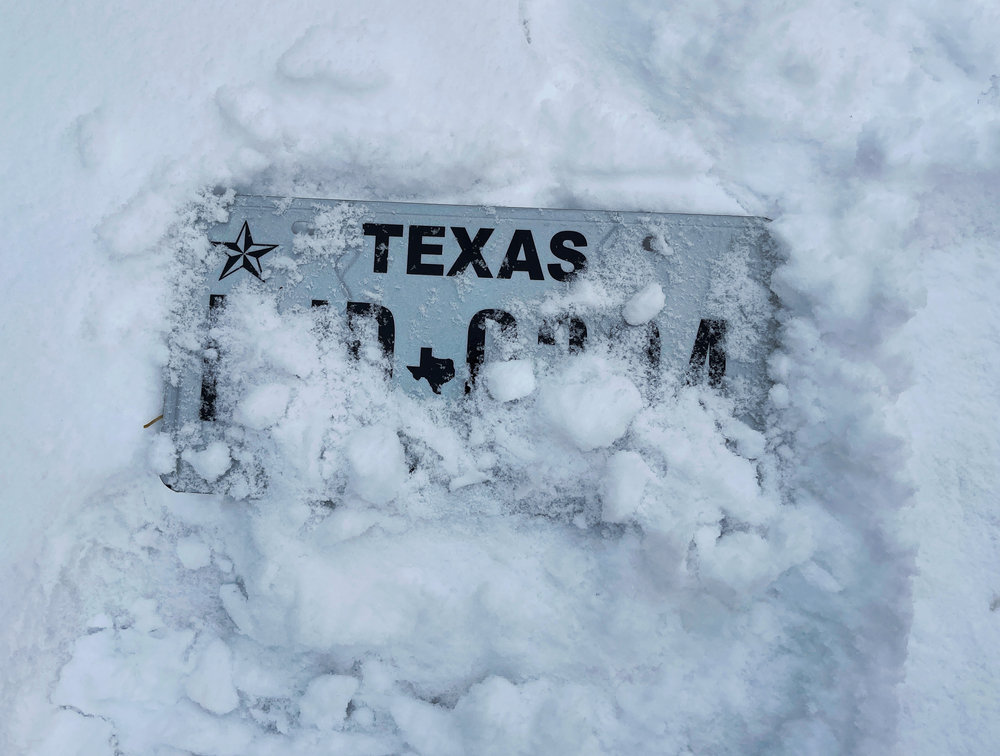
Then came the freeze. Snow and ice covered all 254 counties. Temperatures plunged far below what much of the state typically prepares for. As demand for heat surged and energy infrastructure buckled, millions of Texans lost power. What was supposed to be rotating outages became prolonged blackouts for many households. Some people were without electricity for hours. Others were without it for days. When the temperature outside feels like your freezer has been promoted to regional manager, that is not a minor service interruption.
And because this was happening during a pandemic, the risks multiplied immediately. Staying warm often meant gathering with relatives, neighbors, or crowds at warming centers. Staying alive could mean doing the exact thing public health guidance had spent months trying to limit: getting close to other people indoors.
The Freeze Was an Infrastructure Failure, but Also a Health Crisis
It is tempting to remember the Texas freeze as an “energy story” only. That is too neat, and frankly, too generous. Yes, the electric grid failure was central. But public health does not live in one building labeled “health.” It depends on electricity, safe water, transportation, communications, pharmacies, supply chains, home medical equipment, and functioning hospitals. When those systems wobble at the same time, health consequences arrive fast.
That is why the crisis felt so relentless. Heat went out. Then pipes burst. Water pressure dropped. Boil-water notices spread. Roads became dangerous. Grocery shelves thinned. Phone batteries died. Medical appointments were canceled. Vaccine shipments were delayed. It was less like one punch and more like being pelted by a bucket of frozen marbles.
For people managing chronic illness, the danger was immediate. Refrigerated medicines became harder to store safely. Medical devices that depend on power became unreliable. Dialysis and treatment schedules were disrupted. Getting to a clinic or emergency room was harder because roads were treacherous and fuel was not always easy to get. Even when hospitals remained open, they were dealing with their own shortages and breakdowns.
Hospitals Faced an Emergency on Top of a Pandemic
One of the most revealing parts of the crisis was what happened inside health care facilities. Many hospitals did keep operating, thanks in part to backup generators and incredibly stubborn staff who deserve medals, naps, and probably both. But backup power is not a magic spell. It does not automatically replace water pressure, clear icy roads, refill food supplies, or solve staffing shortages.
Across Texas, hospitals reported water outages, burst pipes, overfilled emergency rooms, patient logjams, and difficulty maintaining routine operations. Some facilities had to transfer patients or conserve resources. Staff members who had already spent months dealing with COVID-19 were suddenly improvising around freezing buildings, limited sanitation, and disrupted supply lines.
That matters because hospitals are often treated in disaster planning as if they are islands of stability. In reality, they are connected to the same brittle systems as everyone else. If the municipal water system fails, if the roads are impassable, if food deliveries do not arrive, if workers cannot get in, then the hospital is not untouched by disaster. It is standing in the same storm, just wearing a badge.
The Water Problem Made Everything Worse
Power outages got most of the headlines, but the water crisis deserves equal attention. At the peak, water disruptions affected millions upon millions of Texans. Boil-water notices spread widely as treatment plants and distribution systems struggled. And here is where the disaster becomes almost darkly absurd: a boil-water notice is great advice, unless you do not have electricity, gas, or working kitchen equipment to boil anything.
Water is not only about drinking. It is about sanitation, cooking, handwashing, bathing, flushing toilets, and basic infection control. During COVID, public health messaging hammered home the value of hygiene and clean surfaces. Then the freeze came along and said, “Interesting point. What if we removed the water?”
Families adapted in all kinds of imperfect ways: melting snow, rationing bottled water, skipping laundry, limiting handwashing, taking sponge baths, or using whatever they could find. For households with babies, older adults, or disabled family members, that was not simply inconvenient. It was dangerous and exhausting. In apartment buildings and low-resource neighborhoods, the problems often lingered longer and were harder to fix.
COVID Turned Every Survival Decision Into a Trade-Off
What made the Texas freeze so uniquely cruel was that every practical decision came with a pandemic-shaped asterisk.
Need warmth?
You might have to stay with relatives, crowd into a shelter, or idle in a car with other people nearby.
Need medical care?
You had to navigate icy roads, overloaded hospitals, and facilities already stretched by COVID-19 demands.
Need food or water?
You might end up standing in a long line, shoulder to shoulder, in a moment when distancing still mattered.
Need a vaccine appointment?
Good luck. Many deliveries and clinics were delayed or shut down, and some health systems had to scramble to prevent doses from spoiling.
This is what experts mean when they talk about cascading disasters. The storm did not replace the pandemic. It piled onto it. Each problem amplified the next. COVID made the freeze harder to survive. The freeze made COVID response harder to manage. And both together hit the people with the fewest buffers the hardest.
Why “Death by a Thousand Cuts” Was Not Just a Metaphor
Some disasters kill in one obvious, dramatic moment. The Texas freeze often harmed people more slowly. Cold exposure, carbon monoxide poisoning, missed treatments, delayed emergency care, dehydration, unsafe water, interrupted medication, stress, isolation, and confusion all contributed to the overall toll. The official state death count eventually rose to 246, though some analyses have suggested the broader human toll may have been even higher.
That gap between the official number and the lived reality is important. Many people did not experience the crisis as a single clear event with a tidy cause. They experienced it as accumulation. The house gets colder. The phone dies. The faucet stops. Grandma’s oxygen setup becomes a worry. The roads are ice. The clinic reschedules. The grocery store is empty. You have not slept. You do not know when help is coming. Nothing is cinematic, but everything is dangerous.
That is how public health disasters often work. They chip away at safety until what used to feel manageable suddenly is not.
Who Suffered Most? Usually the People Who Already Had the Least Margin for Error
Disasters are famous for being “equal opportunity” in press conferences and wildly unequal in real life. The Texas freeze followed that tradition with brutal efficiency.
Low-income households often had fewer resources to prepare, fewer options to leave, and less resilient housing. Renters could not always make repairs themselves. People in older homes or apartments were more likely to face poor insulation, burst pipes, and lingering damage. Workers in essential jobs had to choose between safety and income. Families without reliable internet or transportation were harder to reach with updates and had fewer ways to change plans quickly.
Older adults, disabled Texans, nursing home residents, and people with chronic health conditions faced outsized risks because they were more dependent on stable systems: heat, water, medication, caregivers, mobility support, and health care access. Later research on Winter Storm Uri also found evidence of racial, ethnic, and socioeconomic disparities in how outages and disruptions were experienced. Studies examining the overlap of outages and COVID impacts found sharper mental health strain, including higher post-traumatic stress risk, among those dealing with both at once.
In plain English, the people already walking a tightrope were the ones asked to do it during an ice storm.
The Vaccine Rollout Took a Hit Too
February 2021 was a crucial period in the U.S. vaccination effort, and Texas was supposed to be ramping up. Instead, the storm delayed shipments, canceled appointments, disrupted clinic operations, and forced local providers into triage mode. Some facilities raced to use doses before they spoiled. Others postponed events because staff, patients, or supplies simply could not get there safely.
The immediate effect was logistical chaos. The larger effect was trust erosion. When people have already spent weeks refreshing websites, waiting for calls, arranging rides, and hoping for a chance at vaccination, another disruption does more than slow the schedule. It tells communities that even the rescue plan is fragile.
Lessons Texas Should Not Need to Learn Twice
The Texas freeze exposed a simple truth: infrastructure resilience is public health resilience. The grid is not separate from hospitals. Water systems are not separate from infection control. Housing quality is not separate from survival. Transportation is not separate from medical access. If policymakers plan for weather, health, and infrastructure in separate silos, real people will keep getting trapped in the cracks between them.
Better preparation means more than winterizing power equipment, though that matters. It also means protecting water systems, strengthening backup capacity at hospitals and care facilities, improving emergency communication, expanding support for medically vulnerable residents, requiring safer housing standards, and designing emergency responses that assume multiple systems can fail together.
It also means recognizing that resilience is not just about megawatts and engineering diagrams. It is about whether a grandmother can keep her medication cold, whether a family can drink from the tap, whether a nurse can reach the hospital, and whether a vaccine appointment survives the week.
What the Experience Felt Like for Texans
For many Texans, the freeze did not arrive as one dramatic headline. It arrived room by room. First the house got colder than it should ever feel indoors. Then the lights blinked, and maybe came back, and then disappeared long enough to make everyone stop pretending it was temporary. Phones were plugged in and unplugged like life rafts. Families layered hoodies, socks, blankets, coats, and the kind of optimism that works great until the thermostat keeps sinking.
In kitchens across the state, ordinary routines fell apart. Coffee became a luxury if there was no heat source. Cooking became improvisation. Food in the refrigerator started to feel like a chemistry experiment with bad intentions. Water pressure weakened or vanished, toilets became a strategic concern, and every bottle of clean water suddenly looked like treasure. During a pandemic that had already taught people to wash hands, clean surfaces, and stay careful, Texans found themselves measuring out water like it was a rare ingredient on a survival cooking show nobody wanted to audition for.
Parents had to answer impossible questions from kids: Why is it cold inside? When will the power come back? Can we drink this? Are we going somewhere else? Older relatives needed warmth and reassurance. People caring for disabled family members or relatives with medical needs had even less room for error. If a device needed electricity, if medication needed refrigeration, if someone needed regular treatment or a clear route to care, every hour without service felt heavier than the one before it.
Outside the home, the experience was just as strange. Roads were dangerous, neighborhoods were quiet, and the usual safety valves of modern life were unreliable. The store might be closed, low on supplies, or impossible to reach. A warming center might offer relief but also raise fears about COVID exposure. A vaccine appointment that felt like a breakthrough one week could become another cancellation the next. In many communities, people helped neighbors, shared rides, opened doors, handed out food, and checked on older residents. That mutual aid mattered. It was also a sign that the formal systems had left too much resting on improvisation and kindness.
For health workers, the experience was its own kind of marathon. They were already carrying pandemic fatigue, then found themselves managing burst pipes, water shortages, packed emergency rooms, and staffing problems while trying to care for patients who were just as stressed and frightened as they were. For many Texans, the freeze did not feel like one event with a clean ending. It felt like surviving a week where every basic thingheat, water, medicine, transportation, food, information, and safetyhad to be renegotiated from scratch.
That is why people still talk about it with a particular kind of exhaustion. Not because it snowed in Texas. Texas can survive weather. It was because the freeze exposed how quickly modern life can unravel when too many weak points fail at once. COVID did not cause the storm, and the storm did not create the pandemic. But together, they turned ordinary vulnerability into something sharper, colder, and far more personal.
Conclusion
The Texas freeze was not merely a weather story, and it was not merely a grid story. It was a vivid lesson in how overlapping crises magnify harm. COVID had already narrowed people’s margins for safety. The freeze came in and erased many of the rest. What followed was not one fatal blow, but a steady series of failures that made survival harder by the hour.
If there is one lasting takeaway, it is this: a resilient society cannot treat public health, energy, water, housing, and emergency planning as separate conversations. In a real disaster, they arrive as one conversation, usually all at once, usually in the dark, and usually when people are already tired. Texas learned that the hard way. The hope is that it does not have to learn it again with another thousand cuts.