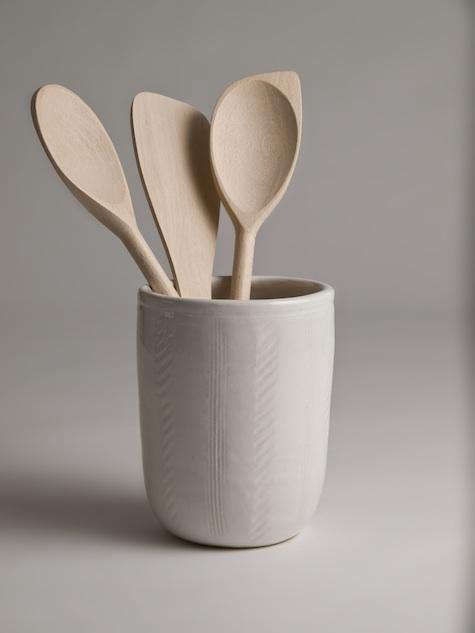
A Charlotte Storrs Spoon Pot is one of those humble kitchen objects that quietly improves daily life. It does not announce itself with blinking lights, downloadable apps, or a button labeled “turbo.” It simply holds your spoons, looks beautiful near the stove, and makes the kitchen feel a little more thoughtful.
That may sound like a lot to ask from a pot roughly the height of a tall coffee mug, but handmade ceramics have always had a talent for doing more than their job description. The Charlotte Storrs Spoon Pot is not merely utensil storage. It is a small example of functional pottery, studio craft, practical design, and the rare household object that becomes more charming after a few splatters of tomato sauce.
What Is a Charlotte Storrs Spoon Pot?
The Charlotte Storrs Spoon Pot is a handmade stoneware container designed to keep cooking spoons, spatulas, wooden utensils, and other kitchen tools upright and within easy reach. In older product references, the spoon pot was described as approximately 15 centimeters high, with spoons not included. Fair enough. A ceramic pot can hold a spoon, but it cannot yet convince a wooden spoon to pay rent.
The object was part of the broader Charlotte Storrs Stoneware collection, known for wheel-thrown functional ceramics made for everyday use. Instead of treating pottery as something too precious to touch, Storrs’s work places it directly in the rhythm of cooking, serving, washing up, and starting over the next day.
That practical purpose is central to the appeal. A spoon pot answers a very ordinary kitchen problem: where do the utensils go when they are too large for a drawer, too messy for a countertop, and somehow always hiding behind the olive oil? The answer is simple: give them a home that looks intentional.
Who Is Charlotte Storrs?
Charlotte Storrs is a Dutch-born potter associated with a garden studio in Culham, Oxfordshire. Her work centers on wheel-thrown stoneware made for real households rather than museum pedestals alone. Plates, bowls, dishes, bread pots, vegetable containers, serving pieces, and utensil holders all belong to the same larger idea: useful pottery should still feel special.
Storrs is known for using a groggy, rustic clay body that gives her ceramics a tactile, earthy character. Her pieces often feature a soft white glaze and subtle surface decoration made with patterned rollers. The result is restrained rather than flashy. These are not pots that shout across the room. They are pots that make the room quieter, calmer, and more put together.
Her design language also reflects an interest in Japanese pottery traditions. In several pieces, Storrs incorporated akebia vine, a natural material used for handles and decorative details. The spoon pot itself is usually appreciated for its clean cylindrical form and practical opening, but it belongs to a collection where nature, handwork, and daily utility are closely connected.
Why the Charlotte Storrs Spoon Pot Stands Out
It Makes Kitchen Storage Look Deliberate
Most utensil storage falls into one of two categories: a drawer so crowded it resembles an archaeological dig, or a random container that once held pretzels. The Charlotte Storrs Spoon Pot offers a third option. It turns everyday kitchen tools into part of the visual arrangement of the room.
Placed beside the cooktop, it creates a practical workstation. Positioned on open shelving, it becomes a subtle decorative accent. Put it on a kitchen island, and it helps the space feel lived in without looking cluttered. It is proof that organization does not have to involve plastic bins or labels written in increasingly desperate handwriting.
It Celebrates Handmade Variation
Wheel-thrown ceramics are not factory clones. Slight variations in profile, glaze movement, texture, and proportion are part of the character. A handmade spoon pot may have tiny irregularities that reveal the maker’s process, the turning of the wheel, and the unpredictability of firing.
That individuality is one reason studio pottery remains compelling. A mass-produced utensil crock may be perfectly symmetrical, but perfection is not always the same thing as personality. Handmade stoneware has a quieter kind of confidence. It says, “Yes, I hold ladles. But I also have a story.”
It Uses a Calm, Versatile Palette
The white glaze associated with Charlotte Storrs Stoneware works especially well in kitchens because it is flexible. It can sit comfortably in a minimalist space with stainless steel appliances, a farmhouse kitchen with wood shelving, or a modern home filled with natural stone and linen.
White ceramic also gives visual breathing room. Wooden utensils, black spatulas, brass ladles, and colorful silicone tools all stand out against a pale background. The pot does not compete with the tools it holds. It makes them look like they were meant to be there.
Stoneware, Function, and Everyday Durability
Stoneware is valued for its density, durability, and suitability for daily objects such as bowls, mugs, serving dishes, and storage vessels. High-fired stoneware is generally less porous than lower-fired earthenware, which helps explain why it has long been a favorite material for functional kitchen ceramics.
Charlotte Storrs described her clay as groggy and rustic, firing it at a high temperature. That approach supports the grounded look of the collection while also making the pieces appropriate for repeated everyday use. In maker descriptions of her work, many ceramic pieces were identified as dishwasher- and oven-safe, except for pieces using akebia handles or similar natural components.
Still, common sense deserves a seat at the table. Even durable stoneware does not enjoy dramatic temperature changes. A utensil holder is not a stunt double. Do not move a cold ceramic pot directly into extreme heat, pour boiling liquid into it if it was just sitting in a chilly garage, or test its bounce on a tile floor. Ceramic may be strong, but gravity has an excellent winning record.
How to Style a Charlotte Storrs Spoon Pot
Use It as a Cooking Station Essential
The most obvious placement is near the stove. Fill it with the tools you reach for most often: a wooden spoon, silicone spatula, slotted spoon, whisk, tongs, and ladle. Keep only frequently used utensils inside so the pot looks edited rather than like a cutlery warehouse.
Pair It With Natural Materials
The ceramic’s rustic clay and white glaze look especially good beside walnut, oak, bamboo, marble, brushed metal, linen, and woven baskets. A wooden cutting board behind the spoon pot can create a warm, layered arrangement without making the countertop feel busy.
Let It Work Beyond the Kitchen
A spoon pot can hold more than spoons. Use it as a container for paintbrushes in a creative workspace, dried lavender in a pantry, garden markers near a potting bench, rolled napkins on a buffet table, or long-stemmed flowers in a compact arrangement.
Its original purpose may be kitchen storage, but functional ceramics are wonderfully open-minded. A good pot is not offended when it gets promoted to flower vase duty.
What to Look for When Buying a Vintage or Pre-Owned Spoon Pot
Because older references to the Charlotte Storrs Spoon Pot appear in design coverage and archived product listings, shoppers may encounter one through resale platforms, antiques dealers, estate sales, studio pottery collectors, or specialty homeware marketplaces. When evaluating a piece, focus on condition, provenance, and usability rather than chasing a suspiciously perfect listing description.
Check the Base and Maker’s Mark
Look at the underside for a signature, stamp, or maker’s mark. Handmade ceramics can vary, so compare the mark, glaze, profile, and clay body with reliable examples from the maker’s portfolio or established design coverage.
Inspect for Hairline Cracks
Examine the rim, base, and interior under good light. Hairline cracks can be difficult to spot but may affect long-term use. A decorative crack may be acceptable to some collectors, but a utensil holder near food preparation areas should be clean, stable, and easy to maintain.
Understand the Difference Between Patina and Damage
A little wear is not always bad. Minor utensil marks, gentle glaze variation, or small signs of use can add character to handmade pottery. Chips, deep cracks, unstable repairs, or rough exposed clay around the rim are different matters. Charm is wonderful; sharp edges are less charming.
Ask About Food-Safe Use
If you plan to use any vintage ceramic vessel near food or utensils, ask what is known about its glaze, date, and intended use. U.S. food-safety guidance warns that some pottery and ceramicware can release lead when improperly glazed or not intended for food contact. A utensil holder does not normally store food directly, but it still makes sense to be cautious with unknown vintage ceramics.
Why Functional Pottery Still Matters
In a world full of disposable gadgets, functional pottery offers a slower kind of value. It is not designed to become obsolete after one software update or a mildly aggressive dishwasher cycle. It is designed to be used, noticed, washed, used again, and eventually associated with the life happening around it.
A handmade spoon pot may seem like a small purchase or a small object, but small objects shape routines. It can make cooking less chaotic. It can encourage someone to keep a countertop tidy. It can become part of a familiar visual landscape: the pot beside the stove, the wooden spoon with the sauce stain, the late-night pasta experiment that may or may not need a backup pizza.
Contemporary craft organizations often describe functional ceramics as existing at the intersection of art, design, and daily life. That is exactly where the Charlotte Storrs Spoon Pot belongs. It is useful enough to earn its counter space and beautiful enough to make you notice it while waiting for water to boil.
Care Tips for a Handmade Stoneware Spoon Pot
- Wash it regularly to prevent cooking residue and utensil dust from building up inside.
- Use mild soap and a soft sponge rather than abrasive scouring pads.
- Dry the base thoroughly before returning it to a wood or stone countertop.
- Avoid sudden temperature changes, especially if the pot has been stored in a cold location.
- Do not use it as direct stovetop cookware unless the maker specifically identifies it as flameware.
- For vintage pieces of uncertain origin, avoid storing acidic foods or liquids inside for long periods.
These habits are not about treating the pot like a royal artifact. They are simply good manners for ceramics. Think of it as respect for something that has survived clay, water, shaping, drying, glazing, firing, shipping, and your determination to cook chili on a weeknight.
Charlotte Storrs Spoon Pot: Frequently Asked Questions
What is a spoon pot used for?
A spoon pot is used to hold cooking utensils upright near a stove, kitchen island, or prep area. It keeps frequently used tools accessible while reducing countertop clutter.
Is the Charlotte Storrs Spoon Pot handmade?
Charlotte Storrs Stoneware is associated with wheel-thrown, handmade functional ceramics. Individual pieces may show small variations in glaze, texture, and shape.
How tall is the Charlotte Storrs Spoon Pot?
Archived product descriptions listed the spoon pot at approximately 15 centimeters high. Dimensions can vary slightly in handmade pottery, so verify measurements when purchasing a specific piece.
Can a spoon pot be used as a vase?
Yes. A spoon pot can work as a small vase for simple flower stems, herbs, dried branches, or kitchen greenery, provided the vessel is watertight and in sound condition.
Is a vintage ceramic spoon pot safe for kitchen use?
That depends on the condition, glaze, maker information, and intended use. When provenance is uncertain, treat the piece as decorative until you can verify that it is suitable for food-related use.
Experiences With a Charlotte Storrs Spoon Pot: The Everyday Magic of a Useful Object
Living with a Charlotte Storrs Spoon Pot is less like owning a dramatic showpiece and more like gaining a quiet kitchen companion. It starts with a simple decision: instead of dropping utensils into a drawer after every meal, you place them upright in one handmade vessel. At first, that may seem like a tiny change. Then you notice that dinner prep becomes smoother because the whisk is visible, the spatula is not hiding under a stack of potholders, and the wooden spoon has stopped disappearing into whatever alternate dimension kitchen tools use.
The experience is especially satisfying during busy cooking moments. Imagine a pan of onions sizzling, pasta water bubbling, and a sauce that needs stirring before it turns from “rich tomato” into “modern charcoal installation.” Reaching for a utensil from a sturdy ceramic pot is faster than opening drawers with slippery hands. The spoon pot sits there calmly, doing its job with the confidence of someone who has never once forgotten where the tongs are.
There is also something grounding about the weight of stoneware. A handmade ceramic utensil holder feels different from lightweight plastic or thin metal. It stays put when a large wooden spoon is removed. It does not skid across the counter every time a ladle enters the conversation. The slight heft creates a sense of stability, which is helpful in a kitchen where the rest of life may be considerably less organized.
Visually, the experience changes with the seasons. In summer, the soft white glaze can make a countertop feel fresh beside lemons, herbs, and a bowl of tomatoes. In autumn, it works beautifully with wooden spoons, dark linens, and a cutting board dusted with flour. During winter, it can hold cinnamon sticks, pine clippings, or long-handled cocoa spoons when it is not on utensil duty. The pot does not demand a new identity every season, but it accepts a little costume change with admirable grace.
Guests tend to notice it, too. Not always immediately, because a Charlotte Storrs Spoon Pot is not trying to steal the spotlight from the meal. But someone eventually asks where it came from, especially when the kitchen feels warm and active and the pot is doing exactly what good design does: making ordinary life look easier. It becomes a conversation about handmade pottery, useful objects, favorite kitchens, or the strange number of wooden spoons a household somehow accumulates.
Over time, a spoon pot may develop the kind of presence that cannot be manufactured. It becomes part of your routine. You might remember the soup you made during a rainy week, the birthday dinner that required every utensil in the house, or the first meal cooked after moving into a new home. Handmade ceramics do not record memories digitally, but they collect them anyway. They stand nearby while life happens.
That is the real appeal of the Charlotte Storrs Spoon Pot. It is not just a ceramic utensil holder. It is a practical object with enough beauty to make the everyday feel cared for. It holds spoons, certainly. But it also holds the little rituals of cooking, gathering, cleaning, trying again, and making a home feel like home.
Final Thoughts
The Charlotte Storrs Spoon Pot is a small but memorable piece of functional stoneware. Its value comes from the marriage of usefulness and handmade character: a simple vessel for utensils, shaped with the care of studio pottery and styled with enough restraint to work in almost any kitchen.
Whether you are researching Charlotte Storrs ceramics, looking for a vintage spoon crock, building a more intentional kitchen, or simply tired of losing your spatula behind the toaster, the appeal is easy to understand. This is the kind of object that makes daily routines feel less disposable and more personal.