Note: This article is for general education only and is not a substitute for diagnosis, emergency evaluation, or treatment from a licensed medical or dental professional.
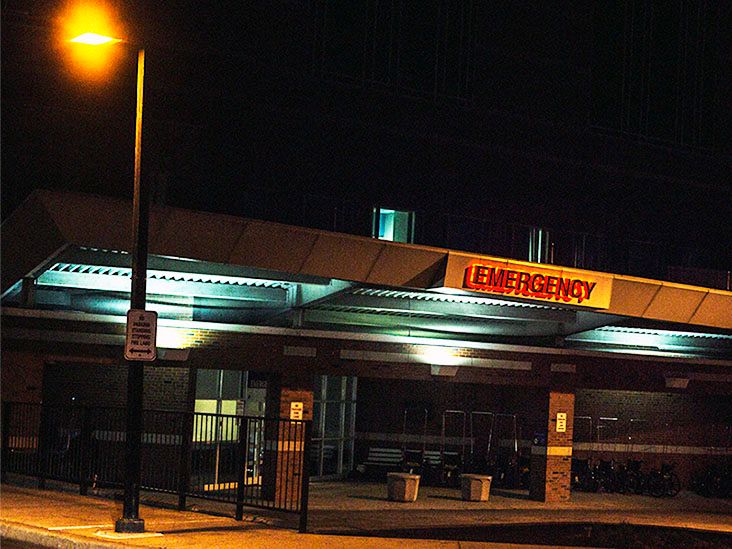
A tooth can ruin your day with shocking efficiency. One minute you are minding your business, maybe eating popcorn like a champion, and the next minute your mouth is throbbing, your cheek is swelling, and you are typing “ER for tooth pain?” with one eye open and a bag of ice on your face. So, can people go to the ER for dental emergencies? Yes, absolutely. But there is a catch: the emergency room is the right place for some dental emergencies, not all of them.
That distinction matters. In many cases, an emergency dentist is the best place to go because dentists can provide definitive dental treatment. The ER, on the other hand, is built to manage problems that become medical emergencies, such as uncontrolled bleeding, severe facial trauma, serious infection, or symptoms that threaten your airway. In plain English: if your mouth problem is turning into a whole-body problem, the ER is not overreacting. It is exactly where you should be.
This guide breaks down when the ER makes sense, when a dentist is the better choice, what the ER can actually do for a dental emergency, and how to act fast if the situation involves a knocked-out tooth, a tooth abscess, or a possible jaw injury.
Yes, People Can Go to the ER for Dental Emergencies
The short answer is yes. People can go to the emergency room for a dental emergency, especially when the symptoms suggest danger beyond the tooth itself. The ER is the right call when you have severe swelling, trouble breathing, trouble swallowing, uncontrolled bleeding, suspected broken facial bones, or a serious injury involving the face or jaw.
That said, the ER is often a stabilizing stop, not the finish line. Emergency physicians can help control pain, evaluate swelling, manage bleeding, prescribe medications when appropriate, and order imaging if there is concern for facial trauma. But they usually do not perform fillings, crowns, root canals, extractions, or other definitive dental procedures. In other words, the ER can keep the situation from getting worse tonight; the dentist or oral surgeon usually solves the actual tooth problem tomorrow.
Think of it this way: the ER handles the fire alarm. The dentist repairs the wiring that caused the smoke in the first place.
When Should You Go to the ER for a Dental Emergency?
Here is the practical rule: go to the ER when the dental problem involves airway risk, spreading infection, major trauma, or uncontrolled bleeding.
1. Trouble breathing or swallowing
This is the biggest red flag. If swelling in your face, jaw, mouth, or neck is making it hard to breathe, swallow, or even handle saliva normally, do not sit around hoping it “calms down.” A dental infection can spread into deeper spaces of the face and neck. That moves the problem out of ordinary tooth territory and into emergency territory.
2. Facial swelling with fever
A tooth abscess is not just a dramatic phrase dentists use to scare people into flossing. It is a real infection, and when it causes fever, facial swelling, or swelling around the jaw, it can become dangerous. If you cannot reach a dentist quickly and you have fever plus facial swelling, the ER is appropriate.
3. Uncontrolled bleeding
Mouth tissues bleed a lot because they have a rich blood supply. A small cut can look like a crime scene directed by a very enthusiastic screenwriter. But if bleeding will not stop after firm pressure with clean gauze or cloth, or if the injury is deep, the ER is a smart move.
4. Suspected broken jaw or facial fracture
If your bite suddenly feels “off,” your teeth no longer fit together normally, you cannot open or close your mouth properly, or you took a strong blow to the face, you may have more than a dental problem. You may have a jaw or facial bone injury. That is ER material, and imaging such as a CT scan may be needed.
5. Severe dental trauma
If a tooth is knocked out, pushed out of place, broken deeply, or the injury comes with a head injury, concussion symptoms, or significant facial trauma, urgent medical evaluation may be needed along with urgent dental care.
6. Pain that is severe and not controlled
Not every toothache belongs in the ER, but some do. If the pain is unbearable, getting worse, and not improving with appropriate over-the-counter pain relief, especially if it comes with swelling or fever, the ER can help stabilize you until you see a dentist.
When a Dentist Is Usually Better Than the ER
Now for the other side of the coin. Many dental problems feel urgent but are better handled by a dentist, not an emergency department.
Common examples include:
- A cracked or chipped tooth without severe bleeding or major trauma
- A lost filling, crown, or bridge
- A toothache without facial swelling, fever, or airway symptoms
- Mild gum irritation
- A broken denture
- Food stuck between teeth that floss may remove
- Dry socket or post-procedure pain that needs dental follow-up
These situations can still be miserable. Nobody wins an award for functioning normally with a cracked molar. But dentists have the tools to fix the actual issue. The ER usually does not.
If your dentist is unavailable and the pain is intense, the ER may still help with short-term relief. But as a rule, routine dental repair happens in a dental office, urgent dental clinic, or oral surgery clinic.
What Can the ER Actually Do for Dental Problems?
This is where expectations matter. Many people assume the ER can treat any emergency involving the mouth. Sometimes yes, sometimes not.
The ER can often:
- Assess whether the situation is medically dangerous
- Control bleeding
- Check for facial fractures, jaw injury, or head injury
- Provide pain relief
- Prescribe antibiotics when infection has systemic signs or is spreading
- Manage swelling and monitor breathing concerns
- Coordinate referral to a dentist, oral surgeon, or on-call dental service
The ER usually cannot provide:
- Fillings
- Crowns
- Root canals
- Definitive treatment for most cavities
- Routine extractions in the way a dental clinic can
- Long-term repair of broken teeth
That is why so many ER visits for dental emergencies end with symptom management and a referral. It is helpful, but it is not the same as definitive dental treatment. The underlying tooth problem still needs to be addressed.
What About Antibiotics for Dental Pain?
This surprises a lot of people: antibiotics are not the answer to every dental pain problem. In fact, for many common dental pain conditions, the better treatment is actual dental care, not a prescription pad with a heroic flourish.
If the issue is localized tooth pain or swelling without signs that the infection is spreading through the body, the priority is usually dental treatment such as drainage, root canal treatment, or another procedure that removes the source. Antibiotics are more appropriate when there are signs of systemic involvement, such as fever, malaise, or spreading infection.
That means you should not assume a trip to the ER for a toothache will end with a magic antibiotic that fixes everything. Sometimes medication is necessary, but often the real solution is still dental treatment.
What to Do for Specific Dental Emergencies
Knocked-out permanent tooth
This is one of the few dental situations where minutes really matter. If a permanent tooth gets knocked out, pick it up by the crown, not the root. If it is dirty, rinse it gently. If possible, place it back in the socket right away. If that is not possible, keep it moist in milk or saliva and get emergency dental care immediately. The best outcomes happen when treatment is fast.
Important note: a baby tooth is different. Do not try to force a knocked-out baby tooth back into place. A child still needs urgent evaluation, but the plan is different from that of a permanent tooth.
Cracked or chipped tooth
Rinse your mouth gently with warm water. Use a cold compress on the outside of the face to reduce swelling. Save any broken piece if you can. Then contact a dentist promptly. Go to the ER if the crack comes with severe bleeding, severe pain, or trauma to the face or jaw.
Toothache with swelling
Rinse with warm water and floss gently if food might be trapped. Do not place aspirin directly on the gum. That old home remedy is less “medical wisdom” and more “tiny chemical burn waiting to happen.” If swelling spreads into the face, fever develops, or swallowing becomes difficult, go to the ER.
Bleeding after an extraction
Some oozing is normal after a tooth extraction. Persistent heavy bleeding is not. Bite on clean gauze with firm pressure. If bleeding continues heavily or you also have shortness of breath, chest symptoms, or trouble swallowing, seek urgent medical care.
Possible jaw fracture
If your teeth no longer meet correctly, your jaw feels unstable, or you cannot open or close your mouth normally after trauma, do not wait for a regular dental appointment. Go to the ER.
Dental Emergencies in Children
Parents have a special talent for panic-googling at Olympic speed, and honestly, with dental injuries, that is understandable. Children fall, crash into furniture, misjudge trampoline physics, and occasionally discover the limits of gravity face-first.
If a child knocks out a permanent tooth, acts very distressed, has facial swelling, has significant bleeding, or you cannot reach a dentist quickly, the ER may be the right place. In many children’s hospitals, pediatric dental teams work with the emergency department to manage dental trauma and dental infections. If there is concern for other injuries, imaging may also be needed.
For children, it is especially important to know whether the injured tooth is a baby tooth or a permanent tooth. That one detail changes what you should do next.
Can Urgent Care Handle a Dental Emergency?
Sometimes, but not always. Urgent care may be able to evaluate pain, prescribe medication in selected cases, and tell you whether you need the ER. But urgent care centers usually do not perform definitive dental procedures either. If you have a severe infection, uncontrolled bleeding, airway symptoms, or facial trauma, skip the “maybe” stage and go where emergency resources are available.
How to Decide Fast: Dentist, Urgent Dental Clinic, or ER?
Go to a dentist or urgent dental clinic for:
- Lost filling or crown
- Chipped tooth without major trauma
- Toothache without fever or facial swelling
- Broken braces or denture issues
- Dry socket or post-procedure pain without red-flag symptoms
Go to the ER for:
- Trouble breathing or swallowing
- Rapidly increasing facial or jaw swelling
- Fever with facial swelling from a tooth problem
- Uncontrolled bleeding
- Suspected broken jaw or facial bones
- Severe trauma to the mouth or face
- Severe pain that cannot be controlled safely at home
Why This Matters More Than People Think
Untreated cavities and dental infections are not just “annoying tooth problems.” They can interfere with eating, sleeping, speaking, school, work, and overall health. In rare but serious cases, untreated dental infection can spread and become dangerous. That is why it helps to stop thinking of oral health as a tiny side quest. Sometimes it becomes the main plot.
There is also a practical point: the ER is often a costly place to get temporary relief for a problem that still needs a dentist afterward. When possible, people do better when they have access to a dental home, urgent dental clinic, or after-hours dental service. But when the symptoms suggest real danger, cost should not be the thing that delays care.
What the Experience Is Actually Like When People Go to the ER for Dental Emergencies
Many people imagine an ER visit for a dental emergency will end with immediate dental treatment, a fixed tooth, and a heroic walk into the sunrise with a perfectly symmetrical smile. Real life is usually less cinematic and more fluorescent.
A common experience starts with severe pain that has been building for a day or two, then suddenly worsens at night. Maybe the cheek swells. Maybe the person develops a fever. Maybe swallowing starts to feel strange. That is often the moment people realize this is no longer a “wait until Monday” problem. In the ER, the first priority is usually making sure the patient is medically stable. Staff check breathing, swelling, fever, bleeding, and whether the infection appears to be spreading. If facial trauma is involved, they may also look for concussion signs, facial bone injury, or a jaw fracture.
For patients with a dental abscess or severe swelling, the ER experience often feels like a mix of relief and frustration. Relief, because someone is finally evaluating the situation and helping with pain or infection risk. Frustration, because the visit may not include the kind of definitive dental repair people were hoping for. Many leave with instructions, medication when appropriate, and a strong recommendation to follow up with a dentist or oral surgeon as soon as possible.
People who go to the ER with a knocked-out tooth or major mouth injury often describe the visit as a race against the clock. There is usually a lot of quick decision-making: Is the tooth permanent? How long has it been out? Was it stored properly? Is there other trauma to the head or face? In those cases, the ER experience can be especially important because the injury may involve more than the tooth itself.
Parents bringing children to the ER for dental trauma often describe a different kind of stress. They are not just worried about pain. They are also worried about appearance, future dental development, and whether the injury harmed a permanent tooth that has not even erupted yet. Pediatric emergency teams and dental specialists often focus as much on reassurance as treatment, because a child with a bleeding mouth can make even very calm adults forget how to form complete sentences.
Another real-world pattern is the after-hours problem. Many dental emergencies happen at the worst possible time: overnight, on a weekend, on a holiday, or while traveling. People frequently choose the ER not because they think it is ideal, but because it is the only place open. That is understandable. The key is knowing what the ER is there to do: protect you, stabilize you, and make sure a dangerous dental problem does not turn into a larger medical crisis.
In the end, the most common experience people report is this: the ER is extremely valuable when a dental issue becomes medically urgent, but it is rarely the last stop. The final chapter is usually written in a dental chair.
Conclusion
So, can people go to the ER for dental emergencies? Yes, and sometimes they absolutely should. The ER is the right choice for trouble breathing, trouble swallowing, fever with facial swelling, severe trauma, broken jaw concerns, or bleeding that will not stop. For routine toothaches, lost fillings, cracked teeth without major trauma, and many other urgent dental problems, an emergency dentist or urgent dental clinic is usually the better destination.
The smartest move is not simply asking, “Does my tooth hurt enough?” The better question is, “Could this be dangerous beyond the tooth itself?” If the answer might be yes, get emergency care. Teeth are small, but the problems they cause can become very big, very fast.