Editor’s note: This article is based on public reporting from reputable entertainment and health sources, including People, ABC News/GMA, Los Angeles Times, The Hollywood Reporter, Entertainment Weekly, Vogue, the CDC, NIMH, Cleveland Clinic, UCLA Health, and autism advocacy organizations.
When Tallulah Willis publicly shared that she had been diagnosed with autism as an adult, the moment was small in format but big in meaning: an Instagram post, a childhood video, a comment reply, and one sentence that landed with real emotional weight“It’s changed my life.”
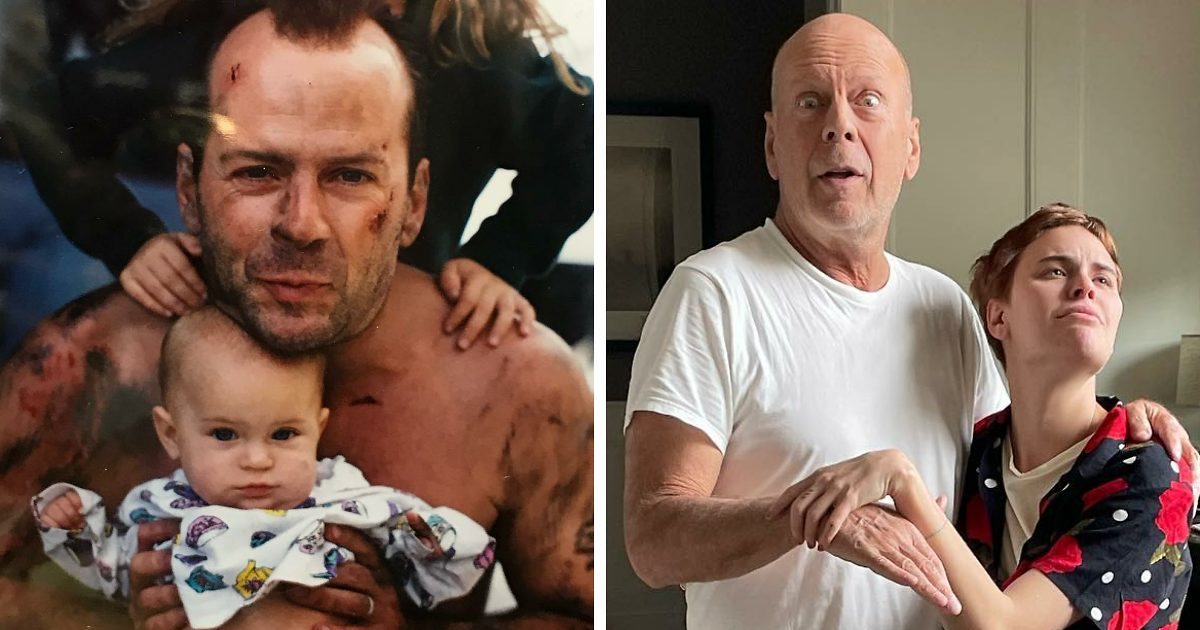
The youngest daughter of Bruce Willis and Demi Moore did not make the announcement from a stage, behind a podium, or through a glossy campaign. Instead, she did it in a very 2020s way: by posting a throwback video of herself as a child with her famous father on a red carpet. In the clip, young Tallulah is close to Bruce, gently touching his head and ear while he speaks to reporters. Her caption jokingly framed the moment as a sign of autism, and when a follower asked whether she had been diagnosed as a child, Tallulah replied that this was the first time she had ever publicly shared the diagnosis. She said she found out the previous summerand that it changed her life.
That simple reveal opened a larger conversation about adult autism diagnosis, women who go undiagnosed for years, the emotional relief that can come with finally understanding yourself, and the power of public figures speaking honestly about neurodivergence. It also arrived during a deeply personal chapter for the Willis family, which has been open about Bruce Willis’ frontotemporal dementia diagnosis and the family’s ongoing caregiving journey.
Who Is Tallulah Willis?
Tallulah Willis is the youngest daughter of actors Bruce Willis and Demi Moore. Born into one of Hollywood’s most recognizable blended families, she grew up in the public eye alongside her sisters Rumer Willis and Scout Willis. But in recent years, Tallulah has become known not only as a celebrity daughter but as an artist, entrepreneur, mental health advocate, and candid storyteller.
She has spoken publicly about body image struggles, eating disorder recovery, ADHD, depression, and emotional healing. Her openness has not always been neat, polished, or packaged in motivational-poster languageand that is exactly why many people connect with it. She talks like someone who has been through the messy middle and is still sorting the laundry. Metaphorically speaking, some socks may still be missing, but the honesty is refreshing.
Her autism diagnosis added another layer to that public self-understanding. For many people, especially women and adults assigned female at birth, autism is not identified in childhood. Instead, they may spend years being labeled “too sensitive,” “dramatic,” “awkward,” “anxious,” “intense,” or “different.” A late diagnosis can feel less like a new identity and more like finding the instruction manual that should have been included in the box.
The Instagram Moment That Sparked the Conversation
Tallulah’s disclosure began with a nostalgic video of her as a young child with Bruce Willis. While Bruce appears to be answering questions on a red carpet, young Tallulah fidgets affectionately, touching his head and ear. The moment is sweet, ordinary, and intimatethe kind of clip that makes parents say, “Yep, kids do kid things,” while the internet collectively leans in.
Her caption joked about showing autistic traits without explicitly saying so. In the comments, a follower asked whether she had been diagnosed as a child. Tallulah responded that this was the first time she had publicly shared her diagnosis, adding that she found out during the summer and that it had changed her life.
That sentence matters because it captures what many adults feel after an autism diagnosis: a rush of clarity. Suddenly, the memories reorganize themselves. Childhood habits, social exhaustion, sensory sensitivities, intense interests, anxiety around change, and years of feeling “out of sync” may finally make sense. The diagnosis does not rewrite the past, but it can give the past a better translator.
What Is Autism Spectrum Disorder?
Autism spectrum disorder, often shortened to ASD, is a neurodevelopmental condition that affects communication, social interaction, sensory processing, behavior, routines, and learning styles. The word “spectrum” is important. Autism does not look the same in every person. Some autistic people need substantial daily support. Others live independently, work, parent, create, perform, and socializebut may still experience hidden challenges that are exhausting or misunderstood.
Autism can involve differences in eye contact, conversation patterns, body language, emotional expression, sensory sensitivity, repetitive movements, strong routines, deep interests, or difficulty with transitions. For one person, loud noise may feel unbearable. For another, small talk may be more confusing than assembling furniture without instructions. For another, an unexpected schedule change can throw the whole nervous system into “emergency meeting” mode.
Medical experts emphasize that autism is not a personality flaw, a parenting failure, or a lack of effort. It is a difference in how the brain processes information and experiences the world. Support can include therapy, workplace accommodations, sensory tools, communication strategies, coaching, community connection, and self-advocacy.
Why Adult Autism Diagnosis Can Be Life-Changing
For adults, an autism diagnosis can bring relief, grief, validation, and confusionsometimes all before lunch. Many people describe the experience as finally having language for something they have felt for years. Others grieve the support they did not receive earlier. Both reactions are normal.
When Tallulah Willis said the diagnosis changed her life, she echoed a common adult experience. A diagnosis can help someone understand why certain environments feel overwhelming, why social interactions require so much recovery time, or why they may have spent years copying others in order to appear “normal.”
It can also improve self-compassion. Instead of thinking, “Why can’t I just handle this like everyone else?” a person may begin asking, “What support do I actually need?” That shift may sound small, but it is enormous. It moves the conversation from shame to strategy.
Late Diagnosis and Women: Why Autism Is Often Missed
Autism has historically been studied and diagnosed more often in boys. As a result, many girls and women have been overlooked, especially if they learned to mask their traits. Masking means consciously or unconsciously hiding autistic behaviors to blend in socially. This can include forcing eye contact, rehearsing conversations, copying facial expressions, suppressing stimming, or studying social rules like a detective with a very stressful case file.
Masking may help someone get through school, work, or social events, but it can also lead to burnout, anxiety, depression, identity confusion, and delayed diagnosis. Many autistic women are first diagnosed with other conditions, such as anxiety, depression, ADHD, eating disorders, or personality disorders, before autism is recognized. Tallulah has also spoken about being misdiagnosed for years, which reflects a broader issue in adult women’s mental health care.
This does not mean every anxious, sensitive, or socially tired person is autistic. It means clinicians, families, schools, and workplaces need a more nuanced understanding of how autism can appear across different genders, personalities, cultures, and life stages.
The Emotional Power of “It’s Changed My Life”
When a public figure says a diagnosis changed their life, it is easy for headlines to flatten the moment into celebrity news. But for readers who recognize themselves in the story, the impact can be deeply personal.
A late autism diagnosis may change how someone structures their day. It may explain why grocery stores feel like sensory obstacle courses. It may help them request quieter workspaces, use noise-canceling headphones without apology, or stop forcing themselves into social marathons that leave them depleted. It may help families understand that a person is not being rude when they need downtime, and not being difficult when they need predictability.
For Tallulah, the diagnosis also appears to be part of a broader healing journey. She has been open about recovery, body image, mental health treatment, and reconnecting with herself. Autism diagnosis does not erase those experiences, but it may provide a new framework for understanding them.
Bruce Willis, Family Health, and Public Vulnerability
Tallulah’s disclosure came after the Willis family had already shared another deeply personal health story: Bruce Willis’ diagnosis with frontotemporal dementia, also known as FTD. The family first announced in 2022 that Bruce would step away from acting after being diagnosed with aphasia, a condition that affects language. In 2023, the family shared that his condition had progressed and that doctors had given a more specific diagnosis of FTD.
The family’s openness has helped bring attention to a condition many people had never heard of before. In a similar way, Tallulah’s autism disclosure brings attention to adult diagnosis and the reality that neurodivergence is not always obvious from the outside.
There is something meaningful about a family navigating different health challenges publicly while continuing to emphasize love, humor, and support. Celebrity does not protect anyone from grief, confusion, caregiving, or the occasional emotional thunderstorm. But public honesty can make others feel less alone.
Why Tallulah Willis’ Story Resonates With So Many Adults
Tallulah’s story resonates because it is not just about autism. It is about finally being understood. It is about looking back at childhood and seeing patterns instead of personal failures. It is about realizing that “different” was never the same as “broken.”
For many adults, especially women, the road to diagnosis is long. They may have done well in school but struggled socially. They may have been creative, verbal, and emotionally perceptive, which made others assume autism was impossible. They may have become excellent at performing “fine” while feeling anything but fine inside.
That is why one Instagram comment can matter. Tallulah’s statement gave people permission to talk about late diagnosis, masking, sensory needs, and self-acceptance. In a culture that often rewards pretending, saying “This is who I am” is quietly radical.
Common Signs of Autism in Adults
Adult autism can show up in many ways, and no single list can diagnose anyone. Still, common traits may include difficulty reading social cues, discomfort with small talk, intense focus on specific interests, sensory sensitivity, preference for routines, difficulty with transitions, social exhaustion, repetitive movements, or a strong need for recovery after overstimulating environments.
Some adults also experience executive function challenges, such as trouble starting tasks, switching tasks, managing time, or organizing daily responsibilities. Others may have strong empathy but struggle to express it in ways people expect. Some may speak very directly and later wonder why others reacted as if they had thrown a conversational brick through a window.
The key point is that autism is not defined by stereotypes. An autistic adult can be funny, fashionable, verbal, artistic, affectionate, successful, messy, organized, shy, bold, or all of the above depending on the day. Autism is not a costume; it is a nervous system.
How a Diagnosis Can Help Families Communicate Better
An autism diagnosis can also help families shift from judgment to understanding. A family member who needs quiet after a gathering may not be “antisocial.” They may be overwhelmed. Someone who asks many clarifying questions may not be challenging authority. They may be reducing uncertainty. Someone who avoids certain textures, sounds, or lights may not be picky. Their sensory system may be waving a tiny white flag.
Families can support autistic adults by listening without trying to immediately fix everything. Useful support may include respecting downtime, offering clear plans, avoiding last-minute surprises when possible, accepting direct communication, and asking what actually helps rather than assuming.
In Tallulah’s case, her diagnosis appears to have become part of her family’s ongoing language of care. The Willis-Moore family has often shown public unity, and her openness may encourage other families to make room for more honest conversations about neurodivergence.
What Tallulah’s Story Teaches About Self-Advocacy
Self-advocacy does not always begin with a grand speech. Sometimes it begins with a sentence: “I need a break.” “That sound is too much.” “I process information better in writing.” “I am not ignoring you; I am overwhelmed.”
Tallulah’s public disclosure is a form of self-advocacy because it names her reality. It also challenges the idea that diagnosis is only valuable in childhood. Adults deserve answers, too. They deserve support, accommodations, and language for their experiences.
For readers who suspect they may be autistic, Tallulah’s story is not a substitute for medical evaluation, but it may be a helpful nudge toward learning more. A qualified psychologist, psychiatrist, neuropsychologist, or clinician experienced in adult autism can help assess symptoms, history, and support needs.
Public Figures and the Bigger Autism Conversation
When celebrities talk about autism, mental health, or neurodivergence, the conversation can become more visible. That visibility is not perfect. Social media can oversimplify complex topics faster than you can say “algorithm.” But visibility still matters, especially for people who grew up without seeing anyone like themselves represented with dignity.
Tallulah Willis’ story adds to a growing public conversation about adult autism diagnosis. It encourages people to question outdated assumptions, such as the idea that autistic people lack emotion, cannot be social, or always fit a narrow childhood stereotype. In reality, autistic people are as varied as everyone else. Some love performance. Some hate attention. Some are deeply social but easily exhausted. Some are quiet. Some are the funniest person in the room and then need three business days to recover from being perceived.
Experiences Related to Tallulah Willis’ Autism Diagnosis
One of the most powerful experiences connected to a late autism diagnosis is the “life review” that often follows. A person may look back and suddenly understand why school dances felt unbearable, why fluorescent lights seemed personally offensive, why friendships required so much decoding, or why certain routines felt like emotional seatbelts. For years, those experiences may have been explained away as shyness, moodiness, anxiety, or being “too much.” Diagnosis can replace those labels with context.
Imagine an adult woman who has always been told she is overly sensitive. She hates crowded restaurants, not because she dislikes people, but because clattering dishes, overlapping conversations, perfume, bright lights, and unpredictable movement all arrive in her brain at full volume. Before diagnosis, she may force herself to attend, smile, and pretend everything is fine. Afterward, she may choose a quieter table, bring earplugs, drive separately, or leave early without shame. That is not weakness. That is good nervous-system management.
Another common experience is social exhaustion. Many late-diagnosed autistic adults describe feeling as if they are manually operating a social machine that others run automatically. They monitor tone, facial expressions, timing, posture, eye contact, and whether they have talked too much or too little. It is like running five apps in the background while everyone else seems to have better battery life. A diagnosis can help people understand why they need recovery time after meetings, parties, interviews, or even friendly conversations.
There is also the experience of grief. A diagnosis may bring relief, but it can also raise painful questions: What if someone had known earlier? Would school have been easier? Would relationships have been less confusing? Would years of anxiety or self-blame have been softened? These questions are valid. Healing often includes both gratitude for clarity and sadness over what was missed.
For families, the experience can be eye-opening. Parents may revisit childhood memories and realize behaviors they once saw as quirky, stubborn, or dramatic were actually signs of sensory overload, communication differences, or a need for predictability. Partners may begin to understand why spontaneous plans cause stress or why direct communication is not the same as lack of affection. Friends may learn that support does not mean pushing someone to be “more normal,” but helping them feel safe enough to be honest.
Tallulah Willis’ story also highlights the importance of humor. Her initial post used a playful caption, and that tone matters. Humor can make hard truths easier to approach. It can say, “This is serious, but I am still me.” Many autistic adults use humor to reclaim experiences that once caused shame. A joke does not erase struggle, but it can loosen its grip.
Finally, late diagnosis can lead to practical change. People may adjust work routines, seek therapy with a neurodiversity-informed provider, explore sensory tools, build more predictable schedules, or connect with autistic communities. They may stop apologizing for needs that are not going away and start designing a life that fits better. That may be the heart of Tallulah’s “changed my life” statement: the diagnosis did not change who she was. It changed how she could understand, protect, and advocate for herself.
Conclusion
Tallulah Willis’ first public comments about her autism diagnosis are more than a celebrity headline. They are part of a larger cultural shift toward recognizing adult autism, especially in women who may have spent years masking, adapting, and wondering why life felt harder than it looked from the outside.
Her words“It’s changed my life”capture the quiet power of understanding yourself more clearly. A diagnosis can bring relief, grief, language, support, and a new kind of self-respect. It can also help families, friends, and communities respond with more compassion and fewer assumptions.
In the end, Tallulah’s story reminds us that being diagnosed later in life does not mean someone is suddenly different. It means they finally have a better map. And when you have spent years wandering without one, even a slightly wrinkled map can feel like a miracle.