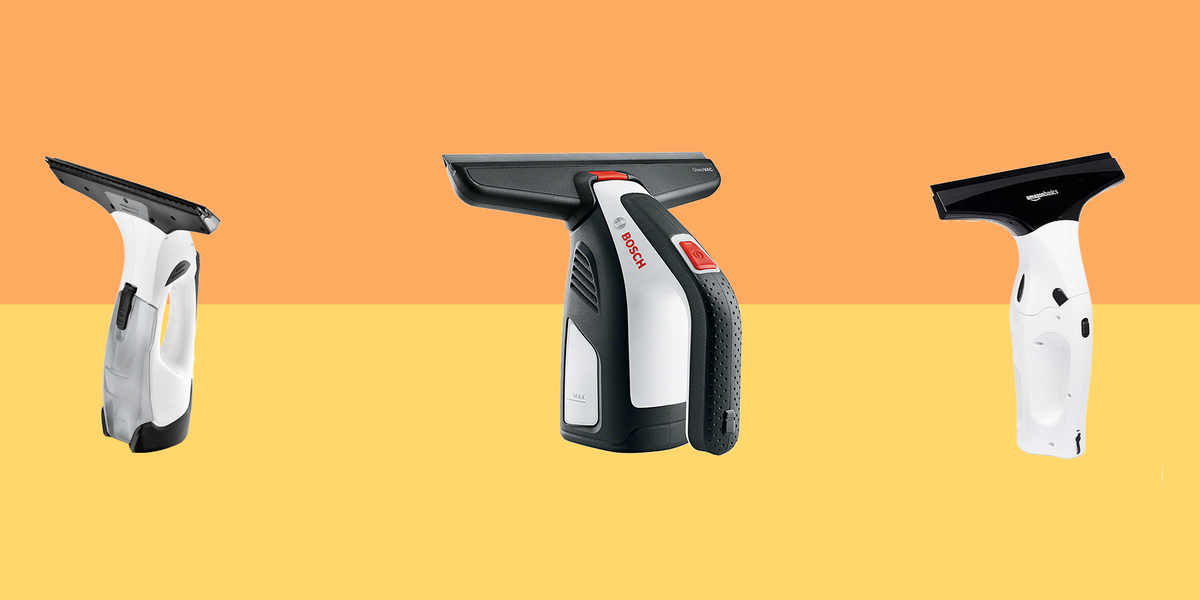
Condensation is the houseguest nobody invited. It creeps onto bedroom windows overnight, fogs up bathroom mirrors after a hot shower, drips onto sills, and then acts surprised when mold, mildew, and peeling paint show up for brunch. A towel can help, sure, but after the third soggy pass across the glass, most people start wondering whether there is a better way to win the morning window war.
That is where the best window vacuums for tackling condensation earn their keep. These compact cordless gadgets work like a squeegee with suction: the rubber blade pulls water from the glass, while the motor sucks moisture into a small tank. No puddles on the sill. No damp towel hanging sadly over a radiator. No streaky glass that looks like it was cleaned by a raccoon wearing mittens.
After comparing expert-tested models, manufacturer specifications, real-world usability notes, and condensation-control advice, the best window vac is not simply the one with the biggest battery. The right choice depends on your home: small apartment, busy family bathroom, older single-pane windows, big patio doors, or a bedroom that wakes up looking like a greenhouse. Below is a practical, expert-style guide to the window vacuums most worth considering.
Why a Window Vacuum Helps With Condensation
Window condensation forms when warm, humid indoor air touches cold glass and turns into water droplets. It is common in winter, after showers, while cooking, and in rooms with poor ventilation. A window vacuum does not cure the source of excess humidity, but it removes visible moisture quickly before it can sit on seals, frames, walls, and sills.
Think of it as first aid for wet glass. You should still manage humidity with ventilation, exhaust fans, dehumidifiers, and smart heating habits, but a window vac is the fastest way to remove the water that is already there. For daily condensation on bedroom windows, bathroom mirrors, shower screens, car glass, tiles, and patio doors, it is one of the most satisfying cleaning tools you can buy. It is also weirdly fun, like power-washing for people who live indoors.
How Experts Judge the Best Window Vacuums
When experts test window vacuums, the most important factors are suction performance, streak control, battery life, tank capacity, comfort, weight, nozzle design, charging time, and whether the machine can work horizontally as well as vertically. The best models remove water without dribbling, glide smoothly over glass, empty easily, and do not make your wrist feel like it has just signed up for a gym membership.
For condensation specifically, speed matters more than fancy accessories. A morning routine should take two or three minutes, not become a full glass-cleaning ceremony involving three cloths, a spray bottle, and emotional support coffee. That said, accessories become useful if you also want to clean shower screens, exterior windows, mirrors, tiles, and glass tables.
Best Overall: Kärcher WV 2 Plus N
The Kärcher WV 2 Plus N is the safe, sensible, expert-approved pick for most homes. Kärcher is the brand many people associate with window vacuums, and the WV 2 Plus N hits the sweet spot between performance, weight, accessories, and price. It is powerful enough for daily condensation, but not so large that it feels like you are vacuuming the windows with a submarine part.
Why It Stands Out
The WV 2 Plus N typically offers around 35 minutes of battery life, a 100 ml dirty water tank, and two suction nozzles: a wider one for large panes and a narrower one for smaller sections. That makes it flexible for bedrooms, bathrooms, mirrors, shower doors, and awkward window panels. It is also relatively light, so using it every morning is not a chore.
This is the best window vacuum for people who want one tool that can handle almost everything. It has enough runtime for several rooms, enough suction to clear heavy condensation, and enough accessories to justify choosing it over the cheapest model. If your home gets regular winter window moisture, this is the “buy once, use constantly” option.
Best For
Choose the Kärcher WV 2 Plus N if you want the best balance of price, performance, reliability, and ease of use. It is especially good for families, renters, older homes, and anyone who has several windows to clear every morning.
Best Battery Life: Kärcher WV 6 Plus N
The Kärcher WV 6 Plus N is the big-battery champion. With a runtime of up to 100 minutes, it is overqualified for a quick bedroom-window sweep and perfect for people who want to clean large areas without recharging. It is the window vacuum equivalent of bringing a full toolbox to tighten one screw, but in the best possible way.
Why It Stands Out
The WV 6 Plus N has a larger water tank than many compact window vacuums and a long-lasting lithium-ion battery. It is excellent for larger houses, patio doors, conservatories, big bathrooms, glass balustrades, and users who want to clean windows properly rather than only remove condensation. The display and premium build also make it feel more advanced.
The trade-off is price and size. It costs more and feels heavier than entry-level models. For a small apartment or a single damp bedroom, it may be more machine than you need. But if you regularly deal with lots of glass, it becomes easier to justify. Nobody wants to run out of battery halfway through a wall of wet windows while the glass silently judges them.
Best For
Choose the Kärcher WV 6 Plus N if you have large windows, multiple rooms, shower screens, glass doors, or a home where condensation is a daily winter event rather than an occasional inconvenience.
Best Lightweight Pick: Kärcher WV 1 Plus
The Kärcher WV 1 Plus is the simple, lightweight choice for people who want a no-fuss window vacuum mainly for condensation. It has a compact design, a smaller body, and enough battery life for quick daily passes over windows and mirrors.
Why It Stands Out
With around 20 to 25 minutes of runtime depending on the version and market, the WV 1 Plus is not designed for marathon cleaning sessions. Instead, it is ideal for grabbing in the morning, clearing the bedroom window, emptying the tank, and getting on with your day. It is light enough for easy one-handed use and simple enough that nobody needs a manual the size of a tax return.
Its main limitation is that it usually comes with fewer accessories than pricier Kärcher models. If you want extra nozzles or a more complete glass-cleaning kit, the WV 2 Plus N is a better fit. But for condensation removal, the WV 1 Plus does the job neatly.
Best For
Choose the Kärcher WV 1 Plus if you want a light, reliable window vacuum for small homes, bedrooms, mirrors, and quick moisture removal.
Best With Accessories: Bosch GlassVAC
The Bosch GlassVAC is a strong alternative to Kärcher, especially if you like a complete kit. It usually includes multiple suction heads, a spray applicator, microfiber cloths, and a design that feels sturdy and well-made.
Why It Stands Out
The Bosch GlassVAC offers around 30 minutes of runtime and a 100 ml dirty water tank. Its smaller suction blade is especially handy for narrow panes, bathroom mirrors, and tight corners. The wider blade is better for larger surfaces. This makes it one of the best window vacuums for people who want to clean, not just clear condensation.
The design can feel chunkier than some rivals, so it may not be the most comfortable choice for long sessions or very tight corners. However, the accessory package is excellent. If you want one tool for windows, shower screens, mirrors, tiles, and glass furniture, Bosch deserves a serious look.
Best For
Choose the Bosch GlassVAC if you want accessories, versatility, and a polished glass-cleaning setup for more than just morning condensation.
Best for Bathrooms: Leifheit Nemo
The Leifheit Nemo is designed with bathrooms in mind. Its compact waterproof-style design and built-in tank make it a smart choice for shower screens, tiles, mirrors, and wet bathroom glass. It is also useful for condensation on windows, especially in rooms where moisture appears after showers or baths.
Why It Stands Out
The Nemo offers up to 40 minutes of battery life and is designed for smooth surfaces such as windows, tiles, mirrors, and shower cubicles. Its slim body makes it easier to store in a bathroom than some bulkier models. That matters because the best window vacuum is the one you actually use. If it lives three rooms away in a cupboard behind old gift bags, congratulations: you now own a decorative appliance.
The Nemo is not always as widely available as Kärcher models in the United States, so shoppers may need to compare availability carefully. But as a bathroom-focused window vac, it is practical, compact, and well-suited to daily moisture control.
Best For
Choose the Leifheit Nemo if your main problem is bathroom steam, shower-screen water, and mirror fog rather than whole-house window cleaning.
Best Budget Choice: Salter Cordless Window Vac
The Salter Cordless Window Vac is a budget-friendly option that still covers the basics: cordless operation, a squeegee head, up to 30 minutes of runtime, and a 60 ml water tank. It is not the most premium model, but it is appealing if you want to try a window vac without spending Kärcher money.
Why It Stands Out
For light condensation, small windows, mirrors, and shower screens, the Salter model is practical and easy to use. The smaller tank means it is not ideal for large homes or heavy daily moisture across many panes, but for quick jobs it can be perfectly adequate.
Budget window vacuums are best for people with realistic expectations. They can remove condensation and leave glass cleaner than a towel, but they may feel less refined, have smaller tanks, or lack the smooth glide of more expensive models. Still, if your goal is simply to stop water pooling on the sill, a budget model can be a smart buy.
Best For
Choose the Salter Cordless Window Vac if you want an affordable window vacuum for light condensation, occasional bathroom use, or a small apartment.
Best Value Alternatives to Watch
Other budget and mid-range window vacuums, including Amazon Basics, Tower, Beldray, Titan, and similar cordless models, often appear in expert tests and consumer roundups. These can be good choices if the price is right and the specifications match your home. Look for at least 20 to 30 minutes of battery life, a tank that is easy to empty, a rubber blade that feels flexible rather than stiff, and a design that can reach the edges of your windows.
One useful detail for condensation is whether the vacuum can be used horizontally. Some cheaper models are upright-only, which is fine for windows but less convenient for shower ledges, glass tables, and awkward angles. If you plan to use the tool all over the house, check this before buying.
Window Vacuum Buying Guide
Battery Life
For condensation only, 20 minutes is usually enough. For cleaning every window in the house, aim for 30 minutes or more. Large homes, patio doors, and conservatories benefit from long-runtime models like the Kärcher WV 6 Plus N.
Tank Capacity
A 100 ml tank is a comfortable middle ground. Smaller 60 ml tanks are fine for light use but may need emptying more often. Larger tanks are useful when clearing heavy condensation from several windows.
Nozzle Size
A wide nozzle clears large panes quickly. A narrow nozzle helps with small windows, divided panes, mirrors, and tight bathroom spaces. If your home has different glass sizes, a model with interchangeable nozzles is worth it.
Weight and Grip
A window vacuum should feel easy to hold one-handed. This matters more than people think, especially if you use it every morning. A heavy model may be powerful, but if it annoys you, it will move into the appliance graveyard next to the forgotten bread maker.
Ease of Emptying
Look for a removable or simple-pour dirty water tank. Empty it after every use, rinse it regularly, and let it dry. Leaving stale water in the tank is a fast way to turn a cleaning tool into a tiny swamp.
How to Use a Window Vacuum for Condensation
For condensation, you usually do not need cleaning spray. Start at the top of the window and pull the vac downward in slow, straight strokes. Overlap each pass slightly so you do not leave wet lines. Wipe the rubber blade if it becomes dirty, then empty the tank when you are done.
For cleaning windows, mirrors, or shower screens, spray the surface first with a glass cleaner or a mild solution of water and a tiny drop of dish soap. Wipe with a microfiber pad or cloth to loosen grime. Then use the window vacuum to remove the dirty water. The result should be clearer, drier glass with fewer streaks than cloth-only cleaning.
When a Window Vacuum Is Not Enough
A window vacuum removes water from glass, but it does not reduce the amount of moisture your home produces. If condensation returns quickly, appears on walls, smells musty, or comes with visible mold, you need to address humidity and ventilation. Run bathroom and kitchen exhaust fans, open windows briefly when weather allows, avoid drying wet laundry indoors without ventilation, and consider a dehumidifier for persistent damp rooms.
Healthy indoor humidity is commonly kept below 60 percent, with many experts recommending a target range around 30 to 50 percent. A cheap hygrometer can tell you what is really happening in the room. Without one, guessing humidity is like guessing oven temperature by staring at a cake and hoping for the best.
Expert Verdict: Which Window Vacuum Should You Buy?
For most people, the best window vacuum for tackling condensation is the Kärcher WV 2 Plus N. It has the best mix of daily usability, suction, battery life, and accessories. For bigger homes and long cleaning sessions, the Kärcher WV 6 Plus N is the premium upgrade. For small jobs, the Kärcher WV 1 Plus is simple and lightweight. For accessories and versatility, the Bosch GlassVAC is excellent. For bathroom-heavy use, the Leifheit Nemo is a clever option. For budget buyers, the Salter Cordless Window Vac gives you the basics without a painful price tag.
The honest answer is that even a modest window vac can feel like a household miracle if you currently use towels. The best model is the one that matches your glass, your routine, and your patience level before coffee.
of Real-World Experience: Living With a Window Vacuum During Condensation Season
The first thing you notice after using a window vacuum for condensation is how much water was actually sitting on the glass. A window that looked lightly misted can produce a surprising amount of liquid in the tank. It is a little disgusting, a little satisfying, and very motivating. Once you see the dirty water pour out, going back to a towel feels like trying to dry a bathtub with a napkin.
In a typical morning routine, the best setup is to keep the window vac close to the problem area. For bedrooms, that means storing it near the window or in a nearby closet, fully charged and ready. The process becomes automatic: open curtains, run the vac down the glass, wipe the bottom edge with a dry cloth if needed, empty the tank, and crack the window for a few minutes if outdoor conditions allow. The whole thing can take less time than finding matching socks.
Bathrooms are where window vacuums become oddly addictive. After a shower, a quick pass over the shower screen and mirror prevents water spots, soap marks, and foggy streaks. The glass stays clearer for longer, and deep cleaning becomes less dramatic. Instead of scrubbing dried mineral marks later, you remove water before it has a chance to settle. This is especially helpful in hard-water areas, where shower glass can go from “sparkling” to “abandoned aquarium” very quickly.
There are a few lessons people learn fast. First, do not rush the stroke. Pulling the vac too quickly can leave trails of moisture behind. Slow, steady movement works better. Second, keep the blade clean. A dirty rubber lip spreads grime and creates streaks. Third, empty the tank often. Even if the tank is not full, dumping it after each use keeps odors away and protects the machine.
Another practical tip is to use the right nozzle for the job. Wide blades are great for patio doors and large windows, but narrow blades are better for small bathroom mirrors, divided panes, and corners. If your home has older windows with small sections, a model with interchangeable nozzles is worth the extra money.
Battery anxiety is usually overblown for condensation removal. Most people do not need 100 minutes of runtime to clear a few windows. However, long battery life becomes valuable if you also clean exterior glass, sliding doors, tiled walls, and shower screens. The premium models feel less necessary until you start using the window vac for everything. Then suddenly you are vacuuming mirrors, cabinet glass, the car windshield, and possibly eyeing the refrigerator shelf. Power is a slippery slope.
The biggest real-world benefit is not just clean glass. It is reducing the daily dampness that collects around frames and sills. Wooden frames, painted trim, silicone seals, and nearby walls all suffer when water sits there day after day. A window vac makes moisture removal easy enough that you actually do it. That consistency matters more than owning the fanciest model.
Still, a window vacuum should be part of a larger condensation plan. If windows are soaked every morning, the room likely needs better airflow, lower humidity, or improved insulation. Use the window vac to remove visible water, then use ventilation and humidity control to reduce the cause. In other words, the window vac is the cleanup crew, not the weather system.
For households dealing with winter condensation, the experience is usually simple: after a week, the gadget earns a permanent spot. It is quick, tidy, and more effective than towels. It will not make your home immune to moisture, but it will make mornings cleaner, windows clearer, and sills drier. That is a pretty good return from a tool that looks like a tiny vacuum cleaner had a baby with a squeegee.
Conclusion
The best window vacuums for tackling condensation are practical, affordable, and genuinely useful in homes where windows collect moisture. The Kärcher WV 2 Plus N is the best overall choice for most people, while the Kärcher WV 6 Plus N is ideal for bigger jobs. The Bosch GlassVAC is the accessory-rich alternative, the Kärcher WV 1 Plus is perfect for quick light use, the Leifheit Nemo shines in bathrooms, and the Salter Cordless Window Vac is a sensible budget pick.
Whichever model you choose, use it consistently, empty it after each session, and pair it with proper ventilation and humidity control. Your windows will look better, your sills will stay drier, and your towels can finally retire from their unpaid internship as moisture management equipment.