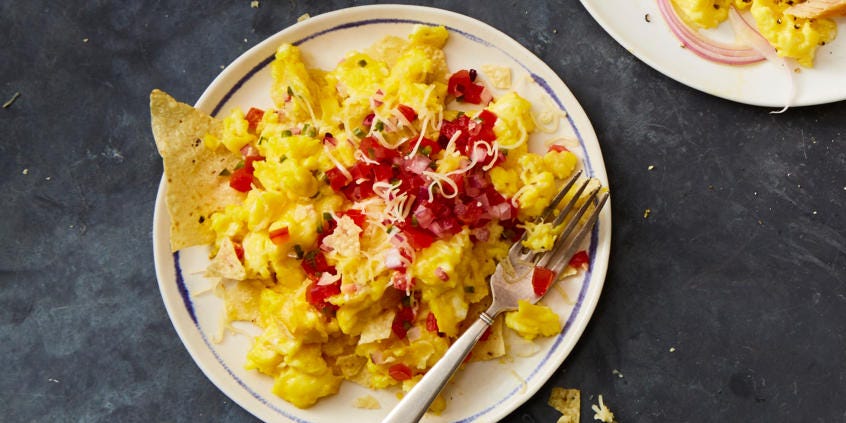
If breakfast had a “clean out the fridge but make it fabulous” category, migas would win every year. This Tex-Mex favorite turns eggs, crispy corn tortillas, peppers, onions, cheese, salsa, and a few cheerful toppings into a skillet meal that tastes like brunch at your favorite Austin caféwithout requiring you to put on real pants.
The best migas recipe is not fussy. It is fast, flexible, affordable, and deeply satisfying. At its heart, migas means soft scrambled eggs folded with crunchy tortilla pieces. From there, you can go classic with jalapeño, tomato, onion, and cilantro, or turn it into a fully loaded breakfast taco situation with avocado, beans, pico de gallo, hot sauce, and enough cheese to make the morning feel optimistic.
This guide explains how to make migas the right way: crisp tortillas first, cook the vegetables until fragrant, scramble the eggs gently, add cheese at the end, and serve while the tortillas still have some bite. The result is creamy, crunchy, spicy, savory, and just messy enough to be fun.
What Are Migas?
Migas are a Mexican and Tex-Mex egg dish made with torn or sliced corn tortillas cooked with eggs. The word “migas” means “crumbs,” which makes perfect sense because the dish was born from the brilliant idea of using leftover tortillas instead of wasting them. In many Mexican homes, migas are simple and practical: tortilla pieces fried until crisp, then scrambled with eggs and salt.
The Tex-Mex version usually adds more personality: onions, jalapeños, tomatoes, peppers, cheese, salsa, cilantro, and sometimes a pile of toppings. In Austin-style migas, the mixture often ends up tucked into warm tortillas as breakfast tacos. That is not required, but let’s be honestbreakfast tacos rarely make anything worse.
Why This Is the Best Migas Recipe
The secret to the best migas recipe is balance. You want crispy tortillas, but not tortilla gravel. You want soft eggs, not rubbery egg confetti. You want vegetables cooked enough to taste sweet and aromatic, but not so long that they disappear into a sad beige fog. This recipe keeps every part in its proper lane.
Homemade tortilla strips give the best texture, but good-quality tortilla chips work when time is short. Fresh jalapeño adds heat, tomato gives juiciness, onion builds savory depth, and cheese melts everything together like a tiny dairy hug. The final dish is quick enough for a weekday breakfast and impressive enough for weekend brunch.
Ingredients for Homemade Migas
Main Ingredients
- 6 large eggs
- 5 corn tortillas, cut into strips or small squares
- 2 tablespoons neutral oil, such as avocado, canola, or vegetable oil
- 1 tablespoon butter
- 1/2 small yellow onion, finely diced
- 1 jalapeño, seeded and minced
- 1 small Roma tomato, diced
- 1/2 cup shredded Monterey Jack, cheddar, or pepper Jack cheese
- 1/4 teaspoon kosher salt, plus more to taste
- Freshly ground black pepper
- 2 tablespoons chopped cilantro
Optional Toppings
- Avocado slices
- Pico de gallo or salsa roja
- Sour cream or Mexican crema
- Crumbled cotija cheese
- Hot sauce
- Refried beans or black beans
- Warm flour or corn tortillas for tacos
- Lime wedges
How To Make Migas
Step 1: Whisk the Eggs
Crack the eggs into a medium bowl. Add a pinch of salt and a few grinds of black pepper. Whisk until the yolks and whites are fully combined. Do not overthink this. You are making breakfast, not negotiating a treaty.
Step 2: Crisp the Tortillas
Heat the oil in a large nonstick or cast-iron skillet over medium heat. Add the tortilla strips and cook, stirring often, until they turn golden and crisp around the edges. This usually takes 4 to 6 minutes. Transfer them to a plate lined with a paper towel and sprinkle lightly with salt.
If you are using tortilla chips instead, skip the frying step and crush them lightly. You want uneven pieces, not tortilla dust. Add them later so they keep some crunch.
Step 3: Cook the Vegetables
Reduce the heat to medium-low. Add the butter to the same skillet. Stir in the onion and jalapeño, then cook for 3 to 4 minutes until softened and fragrant. Add the tomato and cook for another minute. The skillet should smell bright, savory, and slightly spicythe breakfast equivalent of turning on good music.
Step 4: Scramble the Eggs Gently
Pour the eggs into the skillet. Let them sit undisturbed for a few seconds, then use a spatula to slowly push the eggs from the edges toward the center. Keep the heat gentle. Migas taste best when the eggs are soft and creamy, not dry and bouncy.
Step 5: Add Tortillas and Cheese
When the eggs are mostly set but still slightly glossy, fold in the crispy tortilla strips and shredded cheese. Cook for 30 to 60 seconds, just until the cheese melts and the tortillas soften slightly while keeping texture. Remove from heat immediately.
Step 6: Garnish and Serve
Top with cilantro, salsa, avocado, crema, or hot sauce. Serve as a breakfast bowl, spoon over beans, or tuck into warm tortillas for migas breakfast tacos. Eat right away, because migas wait for no onenot even the person still looking for their coffee.
Recipe Card: Easy Tex-Mex Migas
Prep Time
10 minutes
Cook Time
12 minutes
Total Time
22 minutes
Servings
3 to 4 servings
Ingredients
- 6 large eggs
- 5 corn tortillas, cut into strips
- 2 tablespoons neutral oil
- 1 tablespoon butter
- 1/2 small yellow onion, diced
- 1 jalapeño, seeded and minced
- 1 Roma tomato, diced
- 1/2 cup shredded cheese
- 1/4 teaspoon kosher salt
- Black pepper, to taste
- 2 tablespoons chopped cilantro
Instructions
- Whisk eggs with salt and pepper in a bowl.
- Heat oil in a skillet over medium heat. Fry tortilla strips until crisp, then transfer to a plate.
- Add butter to the skillet. Cook onion and jalapeño until softened.
- Add tomato and cook briefly.
- Pour in eggs and scramble gently over medium-low heat.
- Fold in crispy tortillas and cheese when eggs are almost set.
- Remove from heat, garnish with cilantro, and serve immediately.
Best Tips for Perfect Migas
Use Corn Tortillas for Authentic Flavor
Corn tortillas are essential for classic migas. They bring earthy flavor and crisp texture that flour tortillas cannot quite match. Flour tortillas are wonderful for wrapping migas tacos, but inside the scramble, corn is king.
Do Not Overcook the Eggs
Eggs continue cooking from residual heat after you remove the skillet from the stove. Pull the pan off the heat when the eggs look slightly softer than you want. This keeps the finished migas tender instead of dry.
Add Tortillas Near the End
If you add the crispy tortillas too early, they will turn soft and heavy. Add them when the eggs are almost done so the dish has both creamy and crunchy textures.
Season in Layers
Salt the tortillas lightly after frying, season the eggs before cooking, and taste again before serving. Migas are simple, so seasoning matters. A squeeze of lime at the end can also wake up the whole skillet.
Popular Migas Variations
Austin-Style Migas Tacos
Spoon the finished migas into warm flour tortillas and top with salsa, avocado, and cilantro. Add refried beans if you want a heartier taco. This is the version that makes brunch guests suddenly very quiet, which is the universal sound of success.
Spicy Migas
Use serrano peppers instead of jalapeño, add pepper Jack cheese, and finish with hot sauce. For smoky heat, stir in a spoonful of chipotle salsa or roasted poblano.
Vegetable Migas
Add bell peppers, spinach, mushrooms, zucchini, or corn. Cook watery vegetables first so they do not make the eggs soggy. Migas are forgiving, but they do not appreciate becoming soup.
Protein-Packed Migas
Serve with black beans, pinto beans, breakfast sausage, chorizo, bacon, or shredded chicken. If using chorizo, cook it first, remove excess grease, then continue with the vegetables and eggs.
What To Serve With Migas
Migas can stand alone, but the right sides turn them into a full breakfast or brunch spread. Serve them with refried beans, black beans, roasted potatoes, sliced avocado, fresh fruit, or a crisp green salad. For drinks, coffee is the obvious move, but agua fresca, orange juice, or a spicy Bloody Mary also play nicely.
If you are making migas for a group, set out toppings buffet-style: salsa, crema, cilantro, lime wedges, chopped onions, jalapeños, cheese, and warm tortillas. People love building their own plates, especially when the alternative is pretending they only wanted “a small portion.”
How To Store and Reheat Migas
Migas are best fresh, but leftovers can be stored in an airtight container in the refrigerator for up to 3 days. Reheat gently in a skillet over low heat or microwave in short bursts. Add a little extra cheese or salsa to refresh the texture.
For best results, store toppings separately. Avocado, crema, and fresh cilantro should be added after reheating. The tortillas will soften in the fridge, but the flavor will still be excellent. Think of leftover migas as breakfast hash’s fun cousin.
Common Mistakes To Avoid
Using Too Much Oil
The tortillas need enough oil to crisp, but they should not swim. If the skillet looks greasy after frying, wipe out the excess before adding butter and vegetables.
Cooking Over High Heat
High heat makes eggs seize up quickly. Medium-low heat gives you control and creates a softer scramble.
Adding Wet Salsa Too Early
Salsa is delicious, but adding too much during cooking can make the dish watery. Use fresh tomato in the skillet and save salsa for topping.
Skipping the Garnish
Cilantro, lime, avocado, and salsa are not just decorative confetti. They add freshness and contrast to the rich eggs and tortillas.
Frequently Asked Questions About Migas
Can I Make Migas With Tortilla Chips?
Yes. Tortilla chips are a great shortcut. Choose sturdy chips with good corn flavor, crush them lightly, and fold them into the eggs near the end of cooking.
Are Migas the Same as Chilaquiles?
No. Migas are usually scrambled eggs cooked with crispy tortilla pieces. Chilaquiles are tortilla chips simmered or tossed in salsa, often topped with eggs, crema, cheese, and onions. They are cousins, not twins.
Can I Make Migas Dairy-Free?
Absolutely. Skip the cheese and butter, and use oil for cooking. Add avocado, beans, salsa, and cilantro for richness and flavor.
Can I Make Migas Ahead of Time?
You can prep the vegetables and toppings ahead, but cook the eggs and tortillas right before serving. Freshly cooked migas have the best texture.
Personal Experience: Why Migas Became My Favorite Lazy Genius Breakfast
The first time I made migas, it was not because I was trying to cook something authentic, impressive, or brunch-worthy. It was because I had three eggs, a stack of slightly tired corn tortillas, half an onion, and the confidence of someone who had not yet checked whether the milk was expired. In other words, breakfast desperation had entered the kitchen.
I sliced the tortillas into uneven strips because neatness and hunger are natural enemies. They hit the skillet with a little oil and immediately started smelling like a taco truck had moved into my apartment. That was the first sign that migas were going to be more than a survival meal. The second sign came when the onions and jalapeños joined the pan and the whole kitchen suddenly felt awake, even before the coffee had finished brewing.
What surprised me most was the texture. Regular scrambled eggs are comforting, but they can feel a little one-note. Migas have rhythm. One bite is soft egg and melted cheese; the next has a crisp tortilla edge; the next brings tomato, chile heat, and a little cilantro brightness. It is breakfast with plot development.
Since then, migas have become my go-to recipe when I want something fast but not boring. They are perfect for using leftovers because they welcome almost anything: roasted vegetables, leftover beans, a spoonful of salsa, the final handful of tortilla chips at the bottom of the bag, or that one avocado ripening at dramatic speed on the counter. Migas do not judge. Migas understand real life.
They are also excellent for guests because they look more intentional than they are. Put a skillet of migas on the table with warm tortillas, salsa, avocado, and lime wedges, and suddenly breakfast feels like an event. Nobody needs to know it took about 20 minutes and started as a fridge rescue mission. That is between you and the onion.
One important lesson: do not walk away from the eggs. Migas cook quickly, and eggs can go from creamy to “conference hotel buffet” in less time than it takes to answer one text message. Keep the heat gentle, stir slowly, and remove the skillet just before the eggs look completely done. The reward is a soft, cheesy scramble that holds everything together without becoming heavy.
Another lesson: toppings matter. A plain plate of migas is good. Migas with avocado, salsa, cilantro, and lime are the breakfast equivalent of opening the curtains on a sunny morning. The richness needs freshness. The spice needs brightness. The tortillas need something cool and creamy beside them. When all of that comes together, you get a meal that tastes comforting, lively, and a little celebratory.
That is why this best migas recipe belongs in your regular breakfast rotation. It is practical, quick, affordable, and deeply customizable. It can be humble or fully loaded. It works for breakfast, brunch, lunch, dinner, and the mysterious meal that happens when you forgot to eat at normal times. Migas are proof that a few simple ingredients can become something memorable with the right skillet, a little heat, and a generous handful of crispy tortillas.
Conclusion
Learning how to make migas is one of the easiest ways to upgrade breakfast without adding stress. Start with corn tortillas, cook them until crisp, scramble eggs gently with onion, jalapeño, and tomato, then finish with cheese and fresh toppings. The best migas recipe is flexible enough for busy mornings but flavorful enough for weekend brunch. Serve it in a bowl, with beans, or wrapped in warm tortillas for migas breakfast tacos. However you plate it, this is comfort food with crunch, color, and serious personality.
SEO Tags
Note: This article was written in original wording and synthesized from established American recipe knowledge, Tex-Mex cooking practices, and reputable food-publishing references, with no direct source links included as requested.