Being a pediatrician in a pandemic is a little like trying to conduct an orchestra while the instruments are on fire, the audience is on Zoom, and a toddler is licking the violin. Pediatricians were asked to do what they have always doneprotect children, calm parents, explain science, catch disease early, encourage vaccines, support development, and hand out stickersexcept now every decision carried the weight of a public health emergency.
The COVID-19 pandemic did not simply add a new virus to the pediatrician’s schedule. It changed the entire rhythm of child health care. Well-child visits were delayed. Routine immunizations dropped. Parents arrived with fear, confusion, grief, and sometimes a full internet education from questionable sources. Children missed school, friends, sports, therapy, grandparents, birthday parties, and the small daily rituals that quietly build emotional stability. Pediatricians became clinicians, translators of science, mental health first responders, technology troubleshooters, school policy interpreters, and, on particularly difficult days, professional reassurance machines.
This is the story of pediatric medicine during a pandemic: the science, the stress, the creativity, the heartbreak, and the surprising moments of hope hiding behind tiny masks and dinosaur bandages.
What Changed for Pediatricians During the Pandemic?
Before the pandemic, a typical pediatric visit might have involved growth charts, vaccines, ear infections, asthma plans, school forms, nutrition advice, and the occasional mysterious object in a child’s nose. During the pandemic, every visit gained a new layer of uncertainty. Was the cough a cold, COVID-19, allergies, asthma, or a child’s dramatic attempt to avoid math homework? Was the family able to isolate? Did they have reliable internet for telehealth? Could they afford to miss work? Were they scared of vaccines, or simply exhausted by constantly changing information?
Pediatricians had to redesign care almost overnight. Waiting rooms became carefully managed spaces. Sick visits and well visits were separated. Parking lots turned into triage zones. Telemedicine became a daily tool instead of a futuristic idea that sounded nice at conferences. Staff learned to screen symptoms by phone, reassure parents remotely, and decide which children truly needed in-person care.
The work was not only medical. It was emotional. Pediatricians saw children who became anxious about germs, teens who felt isolated, parents who were burned out, and families grieving lost loved ones. The exam room became a place where the pandemic’s invisible effects became visible.
The Challenge of Keeping Children on Track
Well-Child Visits Became More Important, Not Less
One of the biggest misconceptions early in the pandemic was that routine pediatric care could simply wait. In reality, well-child visits are not “just checkups.” They are where pediatricians monitor growth, screen development, detect vision and hearing concerns, identify food insecurity, counsel parents, provide vaccines, and catch problems before they become emergencies.
When families delayed care, pediatricians worried about what might be missed: a baby falling behind on immunizations, a child with speech delays who needed early intervention, a teen with depression who looked “fine” on the outside, or a child with asthma whose controller medication needed adjustment. The pandemic reminded everyone that prevention is not decorative trim on the health care house. It is the foundation.
Routine Immunization Had to Be Defended
Routine childhood vaccination became one of the most urgent issues in pediatric care. Early pandemic disruptions reduced vaccine ordering and administration in many places, raising concern that children could become vulnerable to diseases already controlled by safe and effective vaccines. Pediatricians had to encourage families to return for immunizations while also explaining infection-control precautions inside clinics.
This was not an easy conversation. Parents were overwhelmed. Some were afraid to bring children into medical offices. Others were exposed to misinformation online. Pediatricians had to explain, patiently and repeatedly, that preventing measles, whooping cough, meningitis, flu, and other serious illnesses remained essentialeven when COVID-19 was dominating headlines.
In that sense, the pediatrician became a guardian of continuity. The message was simple but powerful: the world may be chaotic, but your child’s health still deserves steady care.
Telehealth: A Lifeline With a Learning Curve
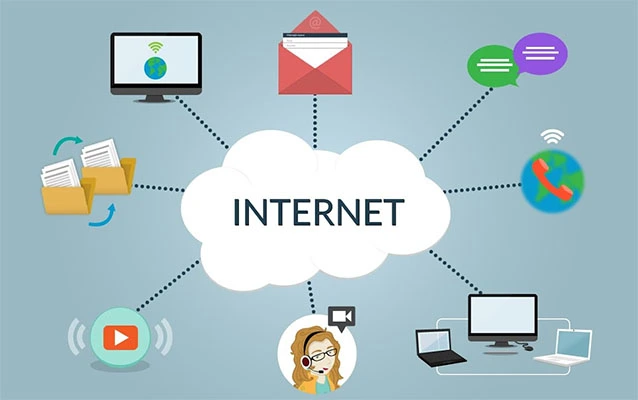
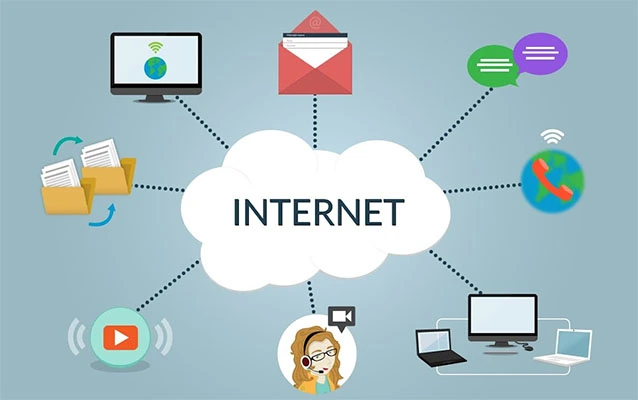
Telehealth became one of the defining tools of pediatric pandemic care. It allowed pediatricians to check on children with mild symptoms, follow up on medications, discuss behavior concerns, support breastfeeding, manage some chronic conditions, and provide mental health check-ins without requiring families to leave home.
For many families, telemedicine was a blessing. A parent could connect from the kitchen while a child showed a rash to the camera and a sibling performed interpretive dance in the background. Pediatricians got a glimpse into home life: the sleep environment, the snack situation, the family stress level, and sometimes the household pet, who often became the most cooperative patient.
But telehealth was not equally available to everyone. Some families lacked stable internet, private space, devices, language support, or flexible work schedules. A video visit can be convenient, but it cannot replace every physical exam. Pediatricians had to decide when telehealth was enough and when a child needed to be seen in person.
The lesson was not that telehealth should replace pediatric offices. The better lesson was that telehealth can expand care when used thoughtfully. It works best as a bridge, not a substitute for the entire road.
Mental Health Became a Front-Door Pediatric Issue
Even before COVID-19, pediatricians were seeing rising rates of anxiety, depression, loneliness, attention problems, sleep disruption, and stress-related symptoms among children and adolescents. The pandemic poured gasoline on that already-smoldering fire.
Children lost routines. Teens lost social milestones. Some students struggled with remote learning. Others returned to school academically behind or socially rusty. Many families faced job loss, housing instability, illness, grief, or caregiving strain. Pediatricians began hearing more concerns about panic, sadness, irritability, sleep problems, eating changes, school refusal, headaches, stomachaches, and emotional outbursts.
In pediatrics, mental health rarely arrives wearing a sign that says, “Hello, I am anxiety.” It may look like a stomachache every Monday morning, a teen who no longer wants to see friends, a child who cannot sleep alone, or a parent saying, “Something just feels different.” Pediatricians had to listen between the lines.
Many pediatric offices strengthened screening for depression and anxiety, created referral pathways, coordinated with therapists and schools, and helped parents understand what was normal stress and what needed extra support. The pediatrician’s role expanded from treating infection to protecting resilience.
School, Safety, and the Pediatrician’s Impossible Middle Seat
Few pandemic topics were as emotionally charged as school. Pediatricians understood that in-person learning supports education, nutrition, social development, mental health, special education services, physical activity, and safety monitoring. They also understood that COVID-19 mitigation mattered, especially when community transmission was high or vulnerable family members were at home.
This placed pediatricians in the middle of complicated conversations. Parents wanted clear answers: Should my child go to school? Should they wear a mask? What about sports? What about lunch? What about Grandma? What about the new variant? What about the kid in class who coughs like a broken lawn mower?
Pediatricians had to translate evolving public health guidance into practical family decisions. They discussed vaccination, ventilation, masking, testing, staying home when sick, and balancing risk with the developmental needs of children. The best pediatric advice often sounded less like a slogan and more like a careful equation: child health plus family risk plus community spread plus school resources plus common sense.
Caring for Babies, Toddlers, and Children With Special Needs
The pandemic affected children differently depending on age, health status, family resources, and developmental needs. Babies needed vaccines and developmental screening. Toddlers needed speech-rich interaction, play, and routine. School-age children needed structure and social learning. Teenagers needed privacy, peer connection, independence, and adults who noticed when they were not okay.
Children with chronic conditions or special health care needs faced additional challenges. Families managing asthma, diabetes, congenital heart disease, developmental delays, autism, feeding difficulties, or complex medical equipment often had to navigate disrupted therapy, delayed procedures, limited respite care, and fear of exposure. Pediatricians worked to keep these children connected to specialists, medications, supplies, therapies, and school supports.
For many families, the pediatrician became the person helping them rebuild a care web that the pandemic had torn in several places. That work required persistence, coordination, and a deep respect for parents who were doing impossible things before breakfast.
Health Equity: The Pandemic Did Not Hit Every Family the Same Way
The pandemic exposed and widened many existing inequities in child health. Families with fewer resources often faced higher exposure risk, less flexible work, crowded housing, limited transportation, reduced internet access, and more difficulty obtaining care. Some children missed preventive visits, therapy appointments, dental care, or mental health services. Others struggled because remote learning required tools their households did not have.
Pediatricians saw that “follow the guidance” is not simple when a parent cannot work from home, a family shares a small apartment, or a caregiver must choose between a clinic visit and a paycheck. Good pediatric care in a pandemic required more than medical knowledge. It required humility.
Equity-minded pediatricians asked better questions: Do you have food at home? Can you get the medication? Do you have a safe place to isolate? Is transportation a problem? Do you need school documentation? Would a phone visit work better than video? Is there someone in the household at high risk?
These questions are not extra. They are part of the diagnosis. A child’s health does not live only inside the child’s body. It lives in the family’s housing, work, school, food, neighborhood, technology, and trust.
The Battle Against Misinformation
Pediatricians have always answered vaccine questions, but the pandemic turned misinformation into a daily clinical challenge. Parents encountered claims about masks, immunity, vaccines, fertility, variants, medications, school safety, and government guidance. Some questions were reasonable. Others arrived fully loaded from social media, where confidence often travels faster than accuracy.
The best pediatricians did not shame families for asking questions. Shame rarely changes minds; it mostly ends conversations. Instead, they listened, clarified concerns, explained evidence in plain English, and kept the relationship open. A calm pediatrician can be more persuasive than a thousand angry comment threads.
One of the most useful skills during the pandemic was the ability to say, “Here is what we know, here is what we are still learning, and here is what I recommend for your child today.” That honesty built trust. Families did not need pediatricians to pretend science never changes. They needed them to explain why recommendations evolve as evidence improves.
What Pediatricians Learned About Communication
During a pandemic, communication is clinical care. A confusing message can cause missed vaccines, delayed testing, unnecessary emergency visits, or family panic. A clear message can help parents make safe decisions and feel less alone.
Pediatricians learned to simplify without dumbing down. They used analogies. They repeated key points. They wrote portal messages, recorded videos, updated office websites, answered calls, and explained why “mild in most children” does not mean “irrelevant to children.” They taught families to watch for warning signs without turning every sniffle into a household emergency drill.
Good pediatric communication often followed three steps: validate, explain, guide. “I understand why you are worried. Here is what this symptom usually means. Here is what to do next, and here is when to call us.” It sounds simple. In a crisis, simple is gold.
Burnout Behind the Cheerful Exam Room Voice
Pediatricians are trained to be steady. They smile at nervous children, soothe parents, and make shots feel less scary. But the pandemic placed enormous pressure on pediatric clinicians and office staff. They faced infection risk, staffing shortages, changing protocols, emotional families, financial strain, long hours, and the moral stress of watching preventable harm unfold.
Burnout in pediatrics is especially complicated because the work is built around caring for children. Many pediatricians felt a deep responsibility to show up, even when they were exhausted. They were not only treating patients; they were also caring for their own families, worrying about older relatives, helping their children with remote school, and trying to remember where they left their coffee. Spoiler: probably in the microwave.
The pandemic made one thing clear: supporting pediatricians is part of supporting children. A healthy child health system needs enough staff, fair payment, mental health resources, administrative support, reliable public health guidance, and respect for the expertise of clinicians who sit with families every day.
Small Victories That Kept Pediatricians Going
Even in the hardest months, pediatricians witnessed moments that mattered. A baby caught up on vaccines. A teenager finally admitted they needed help. A parent cried with relief after a normal exam. A child with asthma avoided the emergency room because a care plan was adjusted early. A family learned how to isolate safely. A nervous child took off their headphones long enough to ask a question. A toddler waved goodbye on a video visit and then proudly showed the doctor a cracker.
Pediatrics is full of tiny victories. During the pandemic, those victories became fuel.
There was also creativity. Clinics created drive-through vaccine events. Nurses turned parking lots into organized care stations. Pediatricians used telehealth to check on newborn feeding, ADHD medication, rashes, sleep problems, and anxiety. Offices built new workflows in real time. Health care teams learned that flexibility is not a luxury; it is a survival skill.
What the Pandemic Changed Permanently
The pandemic did not leave pediatric care unchanged. Some changes were painful, but others may improve care long term. Pediatric practices became better at infection control, remote communication, telehealth triage, behavioral health screening, family education, and coordinating with schools. Many pediatricians became more aware of how deeply social conditions shape health.
Parents also changed. Some became more engaged with health decisions. Some became more anxious. Some lost trust in institutions but strengthened trust in their child’s personal doctor. Many learned that pediatricians are not only for ear infections and sports forms. They are guides through uncertainty.
The future of pediatrics should not be a return to “normal” if normal means rushed visits, underfunded mental health care, and fragile public health systems. A better future would protect preventive care, invest in pediatric mental health, strengthen vaccine confidence, make telehealth equitable, and support the clinicians who support families.
Additional Experiences: What It Felt Like to Be a Pediatrician in a Pandemic
To understand being a pediatrician in a pandemic, imagine starting the day with a list of patients and ending it with a list of worries. The schedule says “well-child check,” “cough,” “rash,” “medication follow-up,” and “newborn weight check.” But behind each appointment is a bigger story. One family has not seen grandparents in a year. Another is behind on rent. A teenager has stopped sleeping. A toddler has not received speech therapy for months. A baby is due for vaccines, and the parent is scared to enter the office. The pediatrician walks into each room carrying not only a stethoscope, but also the task of making the world feel slightly less unmanageable.
Many pediatricians experienced the strange intimacy of telehealth. They saw children in pajamas, kitchens, bedrooms, parked cars, and living rooms filled with toys. Sometimes the visit was interrupted by a barking dog, a sibling demanding cereal, or a child who ran away from the camera at the exact moment the doctor needed to see the rash. It was imperfect, often funny, and surprisingly human. Telehealth showed pediatricians the real environments where children grow, struggle, play, and heal.
In-person visits carried a different emotional weight. A child might arrive nervous behind a mask, unsure whether the doctor was still smiling. Pediatricians learned to smile with their eyes, exaggerate their voices, decorate face shields, and make personal protective equipment seem less frightening. Stickers still mattered. So did jokes. So did saying, “You’re doing a great job,” to a parent who clearly had not heard that enough.
The pandemic also made pediatricians experts in uncertainty. Families wanted definite answers, but science was moving quickly. Recommendations changed as researchers learned more about transmission, variants, vaccines, and risk. Pediatricians had to be honest without sounding helpless. They learned to say, “Based on what we know now,” and then give practical advice. That phrase became a kind of emotional seatbelt.
Some of the hardest experiences involved children whose needs were not dramatic enough to make headlines but serious enough to change lives. A child who gained weight rapidly because sports stopped. A teen whose anxiety became stomach pain. A student with ADHD who fell apart during remote learning. A child with autism who lost routine and therapy. A parent who felt guilty for missing appointments. Pediatricians saw that pandemic harm was not only measured in infections. It was measured in development, confidence, sleep, learning, safety, and connection.
There were also moments of pride. Pediatric teams adapted with astonishing speed. Receptionists became screening experts. Nurses became logistics heroes. Medical assistants learned new workflows weekly. Doctors balanced evidence, compassion, and common sense. Everyone discovered that pediatric care is a team sport, and during a pandemic, everyone plays defense.
Perhaps the most lasting experience was the reminder that children are resilient, but resilience is not magic. It grows when adults provide safety, routine, honesty, affection, and care. Pediatricians helped families build that resilience one visit at a time. Sometimes that meant diagnosing COVID-19. Sometimes it meant catching up vaccines. Sometimes it meant telling a parent to take their child outside, restore bedtime, call a counselor, restart asthma medication, or stop doom-scrolling at midnight. Good medicine can be wonderfully practical.
Being a pediatrician in a pandemic meant carrying fear and hope in the same pocket. It meant knowing that every calm explanation mattered. It meant believing that children’s health was worth protecting even when the world was tired. And it meant showing up, again and again, for the smallest patients and the grown-ups trying their best to keep them safe.
Conclusion
Being a pediatrician in a pandemic required more than medical training. It required adaptability, emotional intelligence, scientific literacy, patience, humor, and a deep commitment to children’s well-being. Pediatricians helped families navigate COVID-19 while still protecting routine immunization, development, mental health, chronic disease care, school readiness, and family trust.
The pandemic revealed weaknesses in pediatric health systems, but it also showed the strength of pediatricians and care teams. They kept showing up for children in exam rooms, on screens, by phone, in parking lots, and through countless difficult conversations. If childhood is the foundation of public health, pediatricians were among the essential builders holding that foundation together.
The lesson is clear: children need consistent care before, during, and after a crisis. Pediatricians need systems that support them. Families need trusted guidance. And society needs to remember that protecting children is never a side quest. It is the main story.
Note: This article is written as original, publish-ready SEO content based on real pediatric pandemic guidance, clinical experience themes, and public health findings from reputable U.S. medical and health organizations.