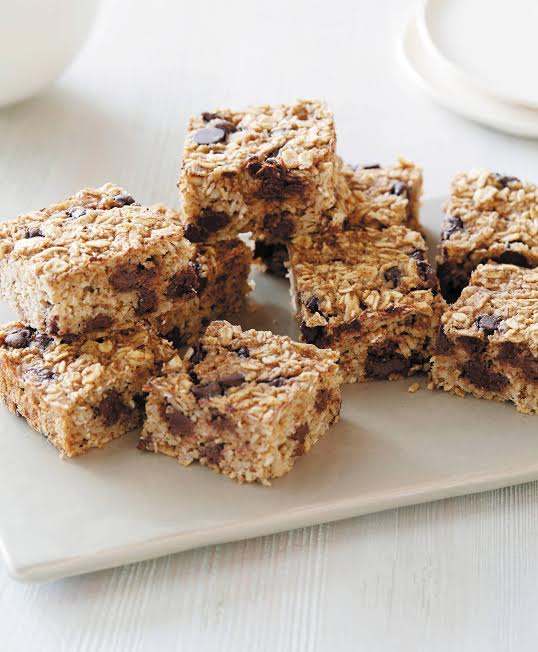
Baked oatmeal bars are what happen when a comforting bowl of oatmeal decides to become portable. They are soft, pleasantly chewy, lightly sweet, and sturdy enough to survive a commute, a lunchbox, or the bottom of a backpackwithin reason. No breakfast deserves to share a compartment with loose pens and an uncapped highlighter.
Unlike crunchy granola bars or dessert-style oatmeal cookie bars, these homemade baked oatmeal bars have a tender, cake-like center. Rolled oats absorb a mixture of milk, eggs, fruit, and natural sweetener as they bake, creating bars that feel substantial without becoming heavy. Make a batch on Sunday, and breakfast is already handled for several days.
The recipe below uses bananas, maple syrup, cinnamon, and vanilla as its basic flavor foundation. From there, you can add berries, apples, nuts, seeds, coconut, or chocolate chips. In other words, the recipe is forgiving enough to welcome whatever is lingering in your pantry and quietly judging you.
Why These Baked Oatmeal Bars Work
A good oatmeal bar needs enough liquid to soften the oats, enough binder to hold each square together, and enough fat to prevent the finished bars from tasting like compressed breakfast paperwork. This recipe balances all three.
Rolled oats provide the right texture
Old-fashioned rolled oats soften while retaining a pleasantly chewy structure. Quick oats can produce a softer and more uniform result, while instant oats may become overly pasty. Steel-cut oats require considerably more liquid and cooking time, so they should not be substituted directly in this recipe. Rolled oats remain the most dependable choice for everyday oatmeal baking.
Bananas add moisture and natural sweetness
Very ripe bananas help bind the oat mixture while adding moisture, flavor, and sweetness. The darker and spottier the peel, the stronger the banana flavor will be. Bananas also allow the recipe to use less added sweetener than many traditional breakfast bars.
Eggs and milk create a soft, sliceable center
Eggs hold the bars together and give them a lighter texture. Milk hydrates the oats and creates the soft interior associated with baked oatmeal. Culinary recipes from several major test kitchens use this same basic relationship among oats, milk, eggs, fruit, and flavorings, although the exact proportions vary.
Easy Baked Oatmeal Bars Recipe
Yield: 12 bars
Preparation time: 15 minutes
Baking time: 30 to 35 minutes
Cooling time: At least 30 minutes
Oven temperature: 350°F
Ingredients
- 3 cups old-fashioned rolled oats
- 1 teaspoon baking powder
- 1 1/2 teaspoons ground cinnamon
- 1/2 teaspoon fine salt
- 2 large ripe bananas, mashed, about 1 cup
- 2 large eggs
- 1 1/2 cups milk or unsweetened nondairy milk
- 1/3 cup pure maple syrup or honey
- 1/4 cup creamy peanut butter, almond butter, or melted unsalted butter
- 2 teaspoons pure vanilla extract
- 1 cup blueberries, raspberries, diced apples, or chopped strawberries
- 1/2 cup chopped walnuts, pecans, pumpkin seeds, or chocolate chips, optional
- 2 tablespoons ground flaxseed or chia seeds, optional
Equipment
- 9-inch square baking pan
- Parchment paper
- Two mixing bowls
- Whisk
- Flexible spatula
- Wire cooling rack
How to Make Baked Oatmeal Bars
1. Prepare the pan and oven
Preheat the oven to 350°F. Lightly grease a 9-inch square pan, then line it with parchment paper. Leave enough paper hanging over two opposite sides to create handles. These handles make it much easier to lift out the cooled oatmeal slab without performing an awkward pan-flipping maneuver.
2. Combine the dry ingredients
In a large bowl, stir together the rolled oats, baking powder, cinnamon, salt, and optional flaxseed or chia seeds. Break up any clumps so the baking powder and spices are evenly distributed.
3. Mix the wet ingredients
In a separate bowl, mash the bananas until mostly smooth. A few small lumps are harmless and actually add moisture pockets. Whisk in the eggs, milk, maple syrup, nut butter, and vanilla until well combined.
If the nut butter is stiff, warm it briefly before mixing. It should be fluid enough to blend into the milk rather than floating around in stubborn beige islands.
4. Make the oatmeal batter
Pour the wet mixture over the dry ingredients. Stir until every oat is moistened. Fold in the fruit and any optional nuts, seeds, or chocolate chips.
Let the mixture rest for 5 to 10 minutes. This short soaking period gives the oats time to begin absorbing liquid and helps keep fruit and other additions evenly suspended.
5. Fill the pan
Transfer the mixture to the prepared pan. Spread it into an even layer, making sure the liquid reaches the corners. Press down lightly with the spatula, but do not compact the oats aggressively. You are making breakfast bars, not laying a patio.
6. Bake until set
Bake for 30 to 35 minutes. The top should look dry, the edges should be lightly golden, and the center should no longer jiggle when the pan is moved gently.
For softer oatmeal bars, remove the pan as soon as the center is set. For firmer, more portable bars, bake for another 3 to 5 minutes. Avoid excessive baking, which can dry out the edges before the center has finished cooling.
7. Cool before slicing
Place the pan on a wire rack and cool for at least 30 minutes. Use the parchment handles to lift the oatmeal from the pan. Cut it into 12 rectangular bars or 9 larger squares.
Warm baked oatmeal is delicious but delicate. If you need especially clean slices for meal prep, refrigerate the uncut slab for about one hour before cutting it with a sharp knife. Cooling bar cookies and oatmeal bars fully before slicing is one of the simplest ways to improve their shape and portability.
How to Tell When the Bars Are Done
Visual clues are more useful than relying on the clock alone. Baking pans, oven calibration, fruit moisture, and ingredient substitutions can all affect the final cooking time.
- The edges should appear lightly browned and should begin pulling away from the pan.
- The center should feel set when touched gently.
- No liquid should rise to the surface when the pan is tilted slightly.
- A toothpick may come out moist, but it should not be coated in wet batter.
Remember that the bars continue to firm as they cool. A center that seems slightly soft when hot may become perfectly tender after 30 minutes on the rack.
Flavor Variations
Apple-cinnamon oatmeal bars
Replace the berries with one cup of finely diced apple. Add 1/4 teaspoon of nutmeg and a small pinch of ground cloves. Firm apples such as Granny Smith, Honeycrisp, or Pink Lady provide good flavor and hold their shape during baking.
Peanut butter and chocolate
Use peanut butter as the fat and fold in 1/3 to 1/2 cup of semisweet chocolate chips. Sprinkle a few additional chips over the surface before baking. This version is still breakfast-adjacent, although it may arrive wearing a dessert mustache.
Blueberry-lemon bars
Use fresh or frozen blueberries and add one tablespoon of finely grated lemon zest. If using frozen berries, add them without thawing to reduce streaking and excess moisture.
Carrot cake oatmeal bars
Fold in one cup of finely grated carrot, 1/3 cup of raisins, and 1/3 cup of chopped pecans. Add small pinches of ginger and nutmeg. Applesauce, raisins, and grated vegetables are commonly used to contribute moisture and sweetness to carrot cake-inspired oatmeal bars.
Strawberry-almond bars
Use chopped strawberries, almond butter, and sliced almonds. Because strawberries release substantial moisture, cut them into small pieces and avoid exceeding one packed cup.
Pumpkin-spice bars
Replace the mashed banana with one cup of pumpkin puree. Increase the maple syrup to 1/2 cup, since pumpkin is less sweet than ripe banana. Add one teaspoon of pumpkin pie spice along with the cinnamon.
Useful Ingredient Substitutions
Replacing the banana
Use one cup of unsweetened applesauce or pumpkin puree. Applesauce produces a mild, soft bar, while pumpkin creates a denser texture and benefits from additional sweetener and spice.
Making the recipe dairy-free
Use unsweetened oat, soy, almond, or cashew milk. Choose a neutral-tasting variety unless you deliberately want flavors such as vanilla or coconut.
Making vegan oatmeal bars
Replace each egg with one flax egg made from one tablespoon of ground flaxseed and three tablespoons of water. Let the mixture stand for 10 minutes before using. Choose maple syrup instead of honey and use nut butter or a plant-based fat.
Vegan bars may be slightly softer, so cool them completely and refrigerate them before slicing.
Making gluten-free oatmeal bars
Oats do not inherently contain gluten, but cross-contact with wheat, barley, or rye can occur during growing and processing. Anyone following a strict gluten-free diet should use oats specifically labeled or certified gluten-free.
Common Problems and Simple Fixes
The bars are too wet
Excessively large bananas, watery fruit, or too much milk can leave the center loose. Return the pan to the oven for 5 to 10 minutes. Cover the edges loosely with foil if they are already brown.
For the next batch, measure the mashed banana and keep the fruit additions to approximately one cup.
The bars crumble when cut
The most common cause is slicing while the bars are still hot. Allow them to cool completely. If they remain fragile, chill them before cutting.
Crumbly bars can also result from reducing the eggs, banana, nut butter, or other binding ingredients without compensating elsewhere.
The bars are dry
Dryness usually points to overbaking or an inaccurate liquid measurement. Serve dry bars with yogurt, milk, fruit compote, or nut butter. When reheating, add a few drops of milk before microwaving. Adding a little milk is also a practical way to refresh baked oatmeal that has dried during storage or reheating.
The fruit sinks to the bottom
Letting the batter rest before baking helps the oats thicken the surrounding liquid. Fruit should also be cut into small, evenly sized pieces. Very large chunks tend to migrate south.
The center is gummy
Gumminess can result from using instant oats, overmixing finely processed oats, or slicing before the center has cooled. Choose old-fashioned rolled oats and allow the finished slab adequate resting time.
Are Baked Oatmeal Bars Healthy?
The nutritional profile depends on the recipe. A homemade version built around whole-grain oats, fruit, eggs, milk, nuts, and moderate sweetener can provide fiber, protein, and useful energy. A bar loaded with butter, frosting, and candy pieces belongs closer to dessert, even when an oat happens to be present as a witness.
Oats contain beta-glucan, a type of soluble fiber. Research and federal nutrition guidance associate soluble fiber from oats with benefits related to blood cholesterol, digestion, and the rate at which carbohydrates are absorbed. However, a single oatmeal bar is not a medical treatment, and its overall value depends on portion size and the rest of the diet.
To create a more balanced breakfast, pair a bar with Greek yogurt, cottage cheese, eggs, or a glass of milk. Fresh fruit can add volume and flavor without requiring extra syrup.
Storage, Freezing, and Reheating
Refrigerating
After the bars have cooled, place them in an airtight container with parchment between layers. Refrigerate for up to four days. USDA food-safety guidance generally recommends using refrigerated leftovers within three to four days.
Freezing
Wrap individual bars or separate them with parchment paper, then place them in a freezer-safe container. Freeze for up to three months for the best flavor and texture.
Thaw a bar overnight in the refrigerator or place it directly into a lunchbox in the morning. It should thaw gradually before snack time, provided it is kept at a safe temperature.
Reheating
Microwave one refrigerated bar for approximately 20 to 30 seconds. For a crisper exterior, warm it in a toaster oven or conventional oven at 325°F for 8 to 10 minutes. Add a teaspoon of milk before heating if the bar seems dry.
Serving Ideas
- Spread a warm bar with peanut butter or almond butter.
- Top it with Greek yogurt and fresh berries.
- Drizzle it lightly with maple syrup for a weekend breakfast.
- Crumble it over yogurt as a softer alternative to granola.
- Serve it with scrambled eggs for a sweet-and-savory breakfast.
- Warm it and add vanilla ice cream for an easy dessert.
Experiences and Lessons From Making Baked Oatmeal Bars
The first lesson most home bakers learn is that baked oatmeal bars reward patience. Straight from the oven, the pan smells like cinnamon, toasted oats, and maple syrup. Naturally, every instinct says to cut into it immediately. That first warm piece will taste wonderful, but it may also collapse in your hand like a poorly planned sandcastle.
Cooling changes everything. As the oats rest, they absorb remaining moisture, the eggs finish setting, and the entire slab becomes easier to lift and slice. Waiting half an hour feels inconvenient until you see the difference between a neat breakfast bar and a spoonful of delicious rubble.
Another useful experience is discovering how strongly fruit affects texture. Blueberries create small, jammy pockets without dramatically changing the batter. Strawberries release more juice and can make the surrounding oats softer. Apples remain distinct and slightly firm unless diced very finely. Bananas disappear almost completely into the mixture, leaving sweetness and moisture behind like helpful kitchen ghosts.
Frozen berries are convenient, but they can turn the batter purple or pink if stirred too vigorously. The easiest approach is to fold them in with only a few movements. A colorful swirl is not a failure, of course. It simply makes the bars look as though breakfast has developed an artistic side.
Pan size also matters more than it seems. In a 9-inch square pan, the bars bake to a useful thickness: substantial enough to remain moist but thin enough to cook evenly. A larger pan creates thinner, firmer bars that are excellent for packing. A smaller pan creates a deeper center that takes longer to set. Neither result is necessarily wrong, but using the same baking time for every pan is an invitation to surprise.
Meal-prep mornings reveal another advantage. A refrigerated oatmeal bar is firm enough to eat by hand, but warming it briefly restores a softer, almost pudding-like interior. The same batch can therefore feel like two different breakfasts. Eat it cold while rushing out the door, or heat it and add yogurt when the morning allows the luxury of sitting down.
Customization becomes easier after making one basic batch. Once you understand the consistency of the batter, substitutions become less mysterious. The mixture should be loose enough to pour but thick enough that fruit and nuts do not immediately sink. If it resembles dry cookie dough, it needs more milk. If it resembles oat soup, it needs more oats or a few minutes of resting.
Sweetness is another area where experience helps. The hot mixture may taste less sweet than expected because warmth and moisture soften the impression of sugar. After cooling, banana, maple syrup, dried fruit, and spices become more noticeable. It is wise to bake the first batch as written before enthusiastically doubling the sweetener.
These bars also make pantry management more enjoyable. A handful of pecans, two overly ripe bananas, the final spoonful of almond butter, or a small quantity of berries can all find a home in the batter. The recipe transforms miscellaneous ingredients into an organized breakfast, which is arguably the closest a mixing bowl comes to performing administrative work.
Perhaps the best experience is realizing that homemade baked oatmeal bars do not need to imitate packaged snack bars. They do not require a shiny coating, a long ingredient list, or the structural integrity of a roofing tile. Their appeal is their softness, flexibility, and familiar oatmeal flavor.
Once a dependable base recipe becomes part of the routine, breakfast feels noticeably easier. A square can be packed for work, handed to a hungry child, served with coffee, or dressed up for brunch. The recipe is simple, but the convenience has a way of making Monday morning slightly less dramaticand breakfast deserves credit whenever it can accomplish that.
Final Thoughts
Baked oatmeal bars combine the comfort of homemade oatmeal with the convenience of a portable breakfast. Old-fashioned oats provide chewiness, bananas and maple syrup add gentle sweetness, and eggs and milk create a tender structure that remains satisfying for several days.
Follow the basic recipe once, then adjust it to match the season and your pantry. Use blueberries in summer, apples in fall, pumpkin in winter, or chocolate chips during weeks that clearly require chocolate chips. Let the bars cool completely, store them properly, and breakfast will be ready before the alarm clock has another opportunity to offend you.
Note: Ingredient brands, substitutions, serving sizes, and optional additions will change the nutritional content and final texture. People with food allergies or medically required diets should verify that every packaged ingredient meets their individual needs.