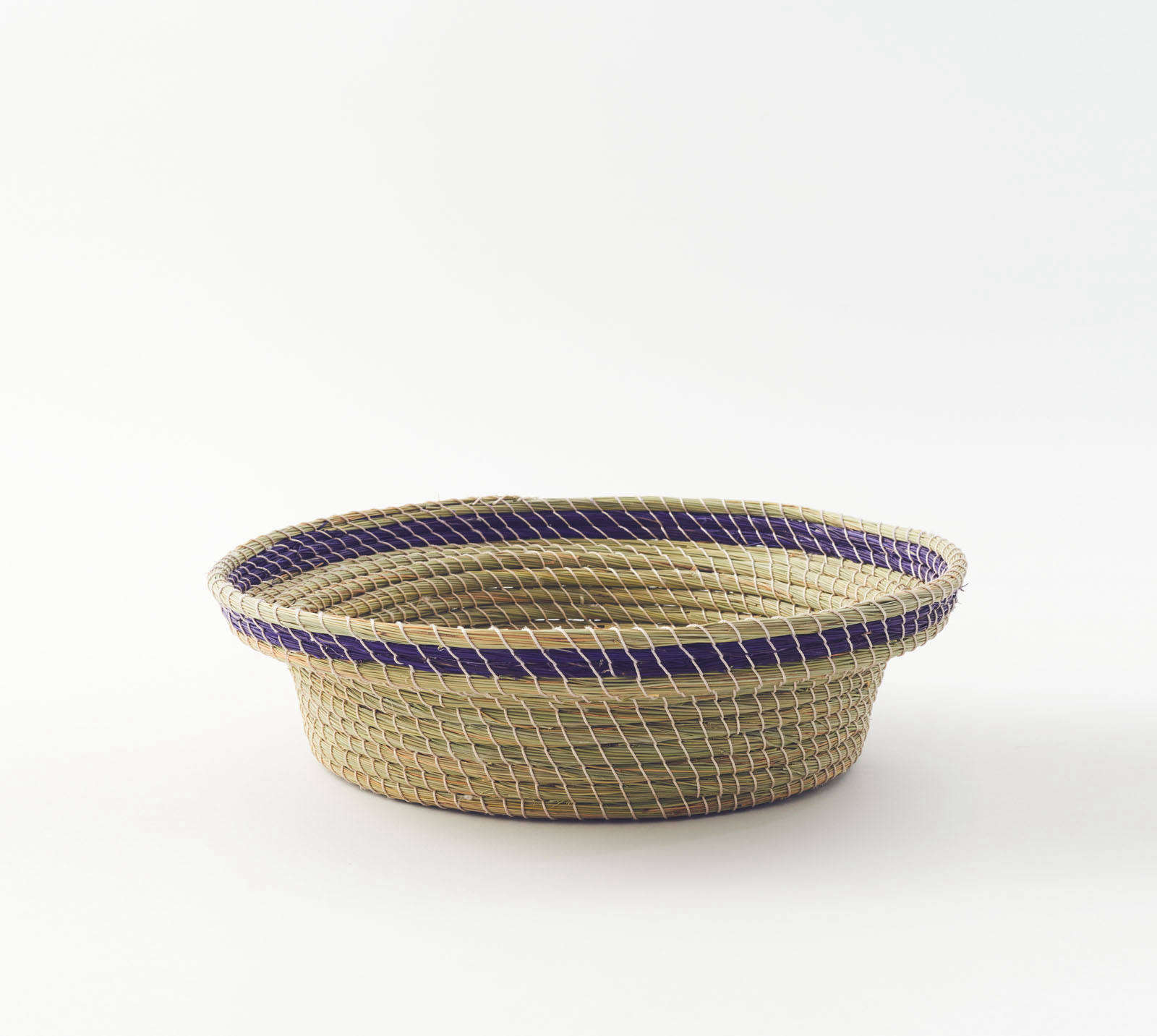
The Artisans Solidaire Kasserine Halfa Fruit Basket is proof that practical kitchen storage does not need to look like it escaped from aisle seven of a plastic-container warehouse. Handwoven from natural fibers in Tunisia’s Kasserine region, this decorative basket combines traditional craft, everyday usefulness, and enough personality to make a pile of apples feel surprisingly sophisticated.
Its appeal comes from a simple formula: local halfa grass, skilled hands, a shallow functional form, and colorful detailing that gives the basket a contemporary edge. It can hold fruit, organize household essentials, decorate a dining table, or quietly rescue a countertop from becoming a wilderness of lemons, keys, receipts, and one avocado nobody remembers buying.
What Is the Artisans Solidaire Kasserine Halfa Fruit Basket?
The Artisans Solidaire Kasserine Halfa Fruit Basket is a handmade Tunisian basket created primarily from halfa grass, a strong natural fiber also known as esparto. Archival descriptions of the piece identify it as a product of a women’s artisan collective in the Kasserine region of central-western Tunisia, close to the Algerian border. The basket was woven in artisans’ homes using natural fibers sourced from the region.
Unlike a tall market basket or a lidded storage box, this design has a relatively open, shallow profile. That shape makes the contents easy to see and reach, which is exactly what you want from a fruit basket. Nobody should need an archaeological excavation permit to locate the last orange.
The natural golden-beige color of the grass gives the basket an earthy foundation, while its colored accents add visual energy. Product descriptions have highlighted a vivid purple accent, creating a balance between rustic craftsmanship and modern home decor.
A Handmade Object, Not a Factory Clone
Handwoven products usually show small variations in shape, color, fiber thickness, and stitching. These differences are not manufacturing errors. They are evidence that an individual artisan formed the basket rather than a machine stamping out ten thousand identical copies before lunch.
One basket may have a slightly tighter coil, a more pronounced color transition, or a subtly irregular rim. Those details give each piece its own character. In an interior filled with flat-pack furniture and mass-produced accessories, a little human irregularity can be refreshing.
Understanding Halfa Grass
Halfa grass, commonly associated with the species Stipa tenacissima, grows naturally in arid and semi-arid areas of North Africa and parts of the Mediterranean. It is adapted to rocky soils, limited rainfall, and challenging climates. Its long, fibrous leaves have traditionally been harvested and processed for weaving, rope, mats, baskets, and other useful objects.
In Tunisia, halfa is especially associated with Kasserine and the surrounding high plains. After harvesting, the grass is typically dried, sorted, and prepared before weaving. Artisans may combine sturdy structural fibers with more flexible strands to create forms that are both strong and visually detailed.
A Material With Deep Historical Roots
Halfa basketry is far from a newly invented decor trend. The Metropolitan Museum of Art preserves ancient Egyptian baskets made from halfa grass, including examples dated to approximately 1492–1473 B.C. Some were formed from coiled grass and decorated with fibers dyed red, blue, or black.
That historical context does not mean the Kasserine fruit basket is an ancient replica. Its proportions, color choices, and styling feel distinctly suitable for a contemporary home. Still, it belongs to a much longer story in which plant fibers have been transformed into durable domestic objects through skilled handwork.
Why Halfa Works Well for Basketry
Halfa offers several practical characteristics:
- Its fibers are lightweight, making the finished basket easy to move.
- When tightly woven, the grass provides enough structure for fruit and small household objects.
- The natural straw color works with many decorating palettes.
- The textured surface adds warmth to rooms dominated by metal, tile, glass, or painted cabinetry.
- The fibers can be dyed or combined with colored strands to create geometric borders and accents.
It is important to remember that natural fiber does not behave like waterproof plastic or glazed ceramic. Halfa can absorb moisture, collect dust between woven strands, and change shape if it is soaked or stored in damp conditions. Treat it kindly and it will reward you by not looking like a sad, flattened bird’s nest.
The Craftsmanship of Artisans Solidaire Kasserine
Artisans Solidaire Kasserine represents a craft tradition in which weaving knowledge is passed between generations. The collective’s halfa products use local materials and regional techniques while introducing shapes and colors that fit international home-decor markets. Soukra’s description of related Kasserine pieces emphasizes that the artisans use inherited skills to weave locally sourced halfa grass by hand.
The process begins long before the basket appears on a dining table. Grass must be gathered, dried, cleaned, and sorted. Fibers must then be prepared for weaving, and dyed elements may require a separate treatment. The artisan gradually builds the form while maintaining tension, spacing, and symmetry.
A shallow basket can look simple, but simple forms are often unforgiving. A crooked rim or uneven base is immediately visible. Creating a basket that sits properly, holds its shape, and maintains a consistent pattern requires patience and practiced control.
Traditional Skills With a Contemporary Purpose
The Kasserine fruit basket does not rely on excessive ornament. Its charm comes from the contrast between natural woven grass and strategically placed color. This restraint makes it easier to use in homes that are modern, rustic, eclectic, coastal, Mediterranean, bohemian, or farmhouse-inspired.
The basket also illustrates how traditional craftsmanship can remain relevant without being frozen in the past. Instead of treating weaving as something that belongs only behind museum glass, the design puts it back where basketry has always been most comfortable: in everyday life.
Design and Visual Appeal
The Artisans Solidaire Kasserine Halfa Fruit Basket brings texture before it brings color. Its coiled or tightly woven surface creates shadows, ridges, and subtle tonal variation. From across the room, it reads as a warm natural accent. Up close, the handwork becomes more visible.
Interior designers frequently use woven materials to soften rooms with smooth surfaces and clean architectural lines. Natural fibers can make polished spaces feel more approachable, while muted earthy tones allow texture to become the main visual feature.
Why the Colored Trim Matters
Without its colored detailing, the basket would still be attractive, but the accent gives it a more recognizable identity. Purple can work beautifully against the pale gold of dried grass because it provides contrast without overwhelming the handmade texture.
The color also makes the piece easier to coordinate with textiles. It can echo a purple kitchen towel, patterned rug, ceramic vase, framed print, or dining chair cushion. You do not need to turn the entire room purple. One or two repeated accents are enough. Otherwise, the kitchen may begin looking like it is campaigning to become a grape.
How to Use the Halfa Fruit Basket
As a Countertop Fruit Basket
The most obvious use is also one of the best. Fill the basket with apples, oranges, pears, lemons, or other produce commonly stored at room temperature. The open top keeps everything visible, helping you remember what needs to be eaten before it develops its own weather system.
A shallow basket is particularly useful for displaying fruit in a single or lightly layered arrangement. Avoid creating a heavy mountain of produce, since excessive weight can place unnecessary pressure on the woven base. Delicate fruit should sit on top rather than beneath a pineapple with the emotional sensitivity of a medieval weapon.
As a Dining Table Centerpiece
Place the basket in the middle of a wood dining table and fill it with seasonal produce. Lemons create a bright Mediterranean look. Pears and pomegranates feel richer in fall. Small decorative gourds can work for an autumn arrangement, while unshelled nuts and dried citrus provide winter texture.
For a minimalist centerpiece, leave the basket partially empty. A few carefully arranged objects often showcase the weaving better than a crowded display.
As Decorative Storage
The basket can hold more than fruit. Consider using it for:
- Cloth napkins and coasters on a dining sideboard
- Mail and keys near the entryway
- Yarn, ribbon, and lightweight craft supplies
- Remote controls and small electronics in the living room
- Wrapped snacks or tea packets in a guest room
- Jewelry, scarves, or hair accessories on a dresser
- Small decorative objects on open shelving
Because the basket was designed for dry household use, avoid filling it with wet toiletries, leaking bottles, oily cooking supplies, or anything likely to stain the fibers.
As Wall Decor
Shallow woven baskets can also be displayed on a wall. The Kasserine basket could serve as a focal piece in a small arrangement of natural-fiber trays, ceramics, or textile art. Use a mounting method that supports the basket gently without puncturing or distorting the weave.
How to Style the Basket in Different Interiors
Modern and Minimalist Kitchens
In a white or gray kitchen, the basket introduces warmth without disrupting the clean palette. Place it on a stone countertop or wood island and keep the contents simple. Green pears, yellow lemons, or red apples create a natural color composition.
Bohemian Rooms
Combine the basket with patterned textiles, terracotta pottery, carved wood, and layered rugs. The colorful accent fits easily into bohemian spaces, but the basket’s structured form prevents the arrangement from feeling chaotic.
Farmhouse and Cottage Decor
Set it on a butcher-block counter, open hutch, or vintage table. Pair it with linen napkins, handmade ceramics, and a small vase of herbs. The natural grass provides the right rustic texture without requiring a sign that says “Live, Laugh, Store Bananas.”
Mediterranean-Inspired Spaces
Halfa’s North African origin makes the basket a natural match for limewashed walls, mosaic details, olive wood, blue pottery, and warm plaster tones. Use it with lemons, figs, pomegranates, or dried herbs to create an understated Mediterranean mood.
Eclectic Interiors
Mix the basket with objects from different periods and regions. A handmade Tunisian basket can sit comfortably beside contemporary glassware, vintage brass, or modern art. The key is to repeat at least one visual element, such as its natural color, rounded shape, or purple detail.
Care and Cleaning
Natural woven baskets tend to collect dust in the spaces between their fibers. Routine light cleaning is easier and safer than waiting until the basket has accumulated enough debris to qualify as a small indoor ecosystem.
Routine Dusting
- Remove all fruit and loose objects.
- Turn the basket upside down and gently tap out crumbs.
- Use a clean, soft paintbrush or soft-bristled brush between the fibers.
- Use a vacuum cleaner’s brush attachment at low suction if necessary.
- Wipe the basket lightly with a dry microfiber cloth.
General woven-basket care guidance recommends avoiding oversaturation, drying natural fibers completely, and keeping baskets away from prolonged dampness. Excessive moisture can contribute to mildew, staining, or warping.
Handling Spots and Spills
Blot spills immediately rather than rubbing them deeper into the weave. For minor marks, use a barely damp cloth and test an inconspicuous area first, especially near dyed sections. Do not submerge the basket or place it in a dishwasher.
After any damp cleaning, reshape the basket carefully and allow it to air-dry in a shaded, well-ventilated location. Avoid hair dryers, heaters, and intense direct sunlight, which may dry the fibers too aggressively or fade colored details.
Protecting the Base
Inspect fruit regularly for leaks, mold, or over-ripening. A removable, breathable cloth liner can help protect the basket, but do not use an airtight plastic layer that traps condensation. The easiest strategy is also the least glamorous: eat the fruit before it liquefies.
Is the Kasserine Halfa Fruit Basket Worth Buying?
This basket is most appealing to shoppers who value craftsmanship, cultural context, natural materials, and functional decor. It offers something that an ordinary wire bowl or molded plastic container cannot: a visible connection between material, maker, and place.
Authentic artisan-made baskets can also support recognition and income for the people who preserve specialized craft traditions. Responsible home-decor retailers increasingly emphasize the importance of identifying makers and acknowledging the communities behind globally inspired products.
However, it may not be the right choice for every household. Buyers expecting perfect symmetry, waterproof construction, or machine-washable convenience may prefer a synthetic basket. Natural halfa requires modest care, and handmade variation is part of the package.
Best for Buyers Who Want:
- A functional handmade centerpiece
- Natural texture for a kitchen or dining room
- Tunisian craft with a regional identity
- A versatile basket that can be repurposed
- Decor that feels personal rather than mass-produced
Consider Another Material If You Need:
- A fully washable fruit container
- Outdoor storage exposed to rain
- A heavy-duty basket for large quantities of produce
- A perfectly uniform factory-made shape
A Practical Ownership Experience: Living With a Halfa Fruit Basket
The following is a realistic use scenario based on the basket’s documented materials, form, and typical care requirements rather than a claim of personal ownership.
On the first day, the most noticeable feature would probably be the texture. Photographs can show the pattern, but a handmade halfa basket becomes more interesting when viewed from different angles. Light catches the ridges of the grass, revealing slight changes in thickness and tension. The colored border looks less like printed decoration and more like part of the structure.
Placed on a plain kitchen counter, the basket would immediately make the surface feel warmer. Stainless steel appliances and smooth quartz can create a hard visual environment, so the woven fibers provide useful contrast. Even empty, the basket would look intentional rather than unfinished.
Adding six apples, three lemons, and a pair of pears would test the practical side of the design. A shallow shape makes it easy to see every piece of fruit, reducing the chance that one forgotten apple will hide underneath the others and begin a secret fermentation project. It also encourages a restrained arrangement instead of an unstable produce pyramid.
After several days, crumbs, dried leaves, or small pieces of fruit skin might settle between the woven strands. Emptying and brushing the basket would take only a few minutes. This is where the difference between natural fiber and a smooth ceramic bowl becomes obvious. The ceramic bowl wins on effortless wiping; the halfa basket wins on warmth, texture, and character.
The basket would also encourage experimentation. When the fruit supply runs low, it could move to the dining table and hold folded napkins. During a dinner party, it might contain packaged bread or individually wrapped snacks. In the living room, it could collect remote controls and reading glasses, two items famous for disappearing the moment anyone sits down.
One practical lesson would be to inspect produce frequently. Citrus and firm apples are relatively easy occupants, while very ripe peaches, soft tomatoes, or leaking berries deserve a plate or washable liner. Natural fibers and fruit juice are not enemies, exactly, but they should not be left alone together unsupervised.
Another part of the experience would be accepting irregularity. The basket might not sit with machine-calibrated precision, and the rim might look slightly different from one side to another. At first, a perfectionist could notice these details. After a week, they would likely become part of the basket’s charmthe visual signature of handwork rather than a defect.
Seasonal styling would make the basket especially useful. In spring, it could hold lemons and a folded floral napkin. In summer, peaches and small melons would bring color. Autumn could introduce pears, pomegranates, or decorative gourds. During winter, the basket might contain nuts, dried oranges, pinecones, or wrapped treats.
The strongest long-term impression would probably be versatility. Many decorative objects look attractive but contribute little beyond occupying a carefully dusted square of shelf. The Kasserine Halfa Fruit Basket can earn its place daily. It stores, displays, organizes, and decorates without demanding much attention.
That balance is the real pleasure of living with traditional craft. The basket does not need to be treated as a precious artifact, but it should not be treated as disposable either. It becomes part of the rhythm of the home: filled, emptied, brushed, moved, restyled, and used again.
Conclusion
The Artisans Solidaire Kasserine Halfa Fruit Basket brings together Tunisian heritage, natural materials, and modern practicality. Its woven grass construction offers warmth and texture, while its shallow form makes fruit visible and accessible. Colored accents give the traditional material a contemporary personality that works with a wide range of interior styles.
More importantly, the basket demonstrates how handmade objects can enrich ordinary routines. It may spend most of its life holding apples, but behind that modest job are generations of weaving knowledge, locally gathered fibers, and hours of skilled work. That is quite a résumé for something occasionally asked to babysit three bananas.
Note: Because this is a handmade natural-fiber product, color, dimensions, weave, and shape may vary. Historical prices and product descriptions should not be treated as confirmation of current availability; verify present specifications with the retailer before purchasing.